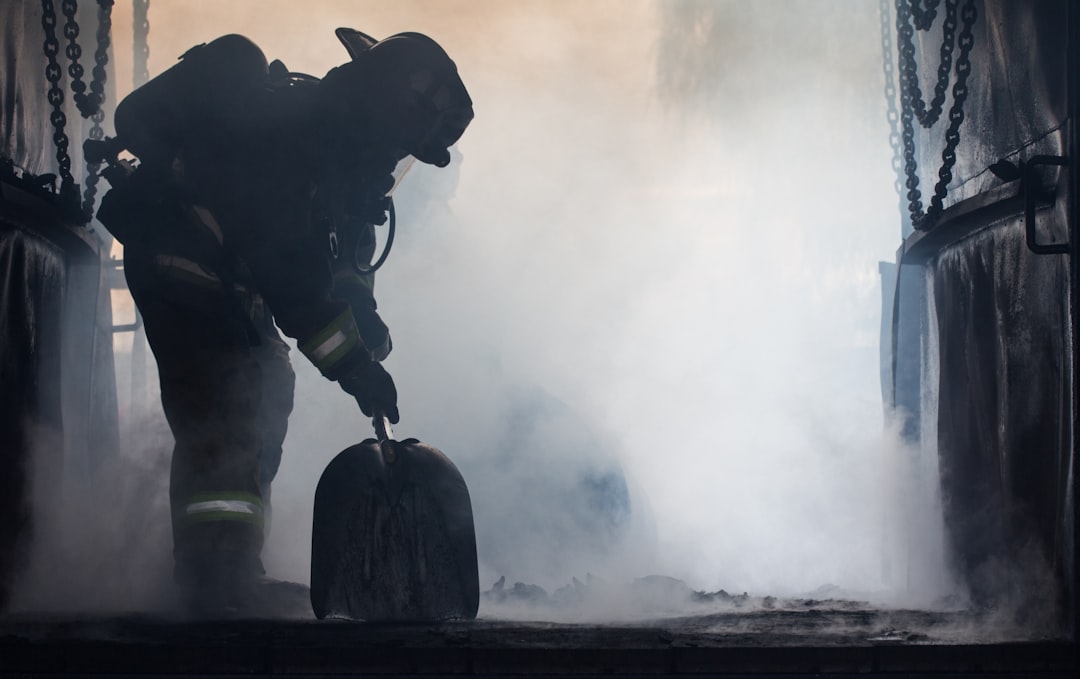
The hushed silence of many forests today belies a dramatic and ongoing transformation, a profound shift largely driven by a century of aggressive fire suppression. Once vibrant, dynamic ecosystems shaped by the cleansing kiss of flames, these woods are now often overgrown, dense, and unnervingly quiet. The absence of fire, a natural and integral force for millennia, has disrupted ecological processes, altered species composition, and created landscapes increasingly susceptible to catastrophic wildfires when ignition finally occurs. This shift from a mosaic of diverse habitats to a homogenous, fuel-laden environment represents a critical ecological challenge, demanding a reevaluation of our approach to forest management.
For eons, fire was a constant, albeit intermittent, presence in many forest ecosystems. Indigenous peoples, through centuries of careful burning practices, actively managed landscapes for resource production and ecological health. These cultural burns, often conducted during specific seasons, played a crucial role in shaping forest structure, promoting biodiversity, and reducing the accumulation of flammable materials. Lightning strikes, another natural ignition source, also contributed to this fire regime. The natural fire cycle, characterized by frequent, low-intensity fires, maintained forests in a state of dynamic equilibrium.
Fuel Accumulation and the Unnatural Build-up of Biomass
One of the most significant consequences of fire suppression has been the unchecked accumulation of dead organic matter on the forest floor. Beneath the canopy, fallen leaves, needles, twigs, and branches, which would have been regularly cleared by low-intensity fires, now form deep layers of duff. This accumulated fuel acts like tinder, creating a highly flammable environment.
The Role of Understory Vegetation
The suppression of surface fires has also allowed dense understory vegetation, including shrubs and small trees, to flourish. In a fire-prone ecosystem, these smaller plants would be regularly pruned or cleared by fire, preventing them from reaching a size where they could contribute significantly to a larger flame. Without this natural thinning, the understory becomes a ladder fuel, providing a pathway for flames to climb into the forest canopy.
The Impact on Forest Structure
Historically, many forests exhibited an open structure with scattered large trees and a varied understory. Low-intensity fires prevented the establishment of dense thickets and maintained a more park-like appearance. The absence of fire has led to a significant increase in tree density, particularly of smaller, younger trees, creating a crowded, shade-dominated environment. This dense growth outcompetes slower-growing, fire-adapted species and reduces the overall biodiversity of the forest.
Species Adaptation and Evolutionary Pressures
Many plant and animal species have evolved intricate relationships with fire. Some seeds require the heat of a fire to germinate, while others are protected by thick bark that can withstand moderate flames. Certain insects are attracted to burnt wood for nesting or food. The removal of fire from the ecological equation has, in many cases, disrupted these life cycles and placed considerable evolutionary pressure on these species, leading to declines in their populations.
Serotinous Cones and Seed Germination
Species like lodgepole pine and certain species of chaparral possess serotinous cones, meaning their seeds are held within cones that only open in response to high heat. This adaptation ensures that a new generation of seedlings can colonize a site shortly after a fire has cleared the competing vegetation and provided a nutrient-rich ash bed. Without fire, these cones may never open, and regeneration for these species is severely hampered.
Bark Thickness and Fire Resistance
Many tree species in fire-prone regions have developed remarkably thick, insulating bark. This bark protects the cambium, the living tissue beneath, from the heat of passing flames. Species that lack this adaptation, or those with thinner bark, are more vulnerable to fire injury. The prolonged absence of fire has often favored the growth of thinner-barked species in areas where they would not typically dominate, further altering the forest’s fire resilience.
Animal Foraging and Habitat Creation
Fire, paradoxically, can create new foraging opportunities and habitats for wildlife. The post-fire landscape, with its open spaces and abundant new growth of grasses and forbs, is ideal for grazing animals. Burnt areas also provide habitat for certain insect species that are prey for birds and other predators. The homogenization of the forest due to fire suppression reduces this patchy, diverse mosaic that many species rely on.
Forest change after fire suppression is a critical topic in understanding ecological dynamics and management practices. An insightful article that explores the complexities of environmental change and management strategies is available at this link: Navigating Middle East Geopolitics: Challenges and Opportunities. This article, while primarily focused on geopolitical issues, also touches on the broader implications of land management and environmental stewardship, which can be related to the effects of fire suppression on forest ecosystems.
The Shift Towards Catastrophic Wildfires
The most dramatic and visible consequence of fire suppression is the increased frequency and intensity of wildfires when they do occur. The accumulated fuel load, coupled with the dense, overgrown nature of suppressed forests, creates conditions ripe for devastating conflagrations. These megafires burn hotter, spread faster, and are far more destructive than the low-intensity fires that historically shaped these landscapes.
The “Fire Triangle” Amplified
The concept of the fire triangle – fuel, oxygen, and heat – is fundamental to understanding wildfire behavior. Fire suppression significantly manipulates the fuel component. By preventing frequent burning, managers have inadvertently created an abundance of fuel, essentially priming the landscape for a more explosive event. When an ignition source is present, the vast reserves of fuel allow fires to become larger and more intense, making them exceedingly difficult to control.
The Role of Climate Change
Compounding the issue of fuel accumulation is the accelerating impact of climate change. Warmer temperatures, longer dry seasons, and increased drought stress are creating drier vegetation across vast areas, further increasing the flammability of forests. This climatic shift acts as an accelerant, turning forests that have been made more susceptible by fire suppression into veritable tinderboxes.
Weather Patterns and Fire Spread
The interaction between weather patterns and fuel conditions is critical in wildfire behavior. High winds, low humidity, and high temperatures can dramatically accelerate fire spread, especially in forests with dense, continuous fuel beds. The overgrown conditions resulting from fire suppression provide an unbroken path for flames to travel, allowing fires to engulf vast areas with unprecedented speed.
Ecological Devastation of Megafires
When these large, intense wildfires erupt, the ecological damage can be severe and long-lasting. Unlike the regenerative fires of the past, megafires can sterilize soils, kill large, mature trees that might have otherwise survived, and fundamentally alter the ecosystem’s trajectory for decades or even centuries.
Soil Erosion and Nutrient Loss
The intense heat of megafires can bake the soil, creating a hydrophobic layer that repels water. This, combined with the removal of vegetation that binds the soil, can lead to severe erosion during subsequent rainfall events. The loss of topsoil and essential nutrients can make it extremely difficult for vegetation to re-establish, prolonging the recovery process.
Loss of Biodiversity and Habitat Fragmentation
Megafires can decimate local populations of plant and animal species, particularly those that are slow to reproduce or are less mobile. The destruction of habitats can lead to fragmentation, isolating populations and making them more vulnerable to extinction. While some species are adapted to fire, the intensity and scale of modern wildfires can overwhelm their adaptive capacities.
Increased Risk of Invasive Species
Disturbed post-fire environments are often highly susceptible to colonization by invasive plant species. These aggressive newcomers can outcompete native vegetation, further hindering the natural recovery of the ecosystem and altering its long-term ecological function.
Consequences for Forest Health and Resilience
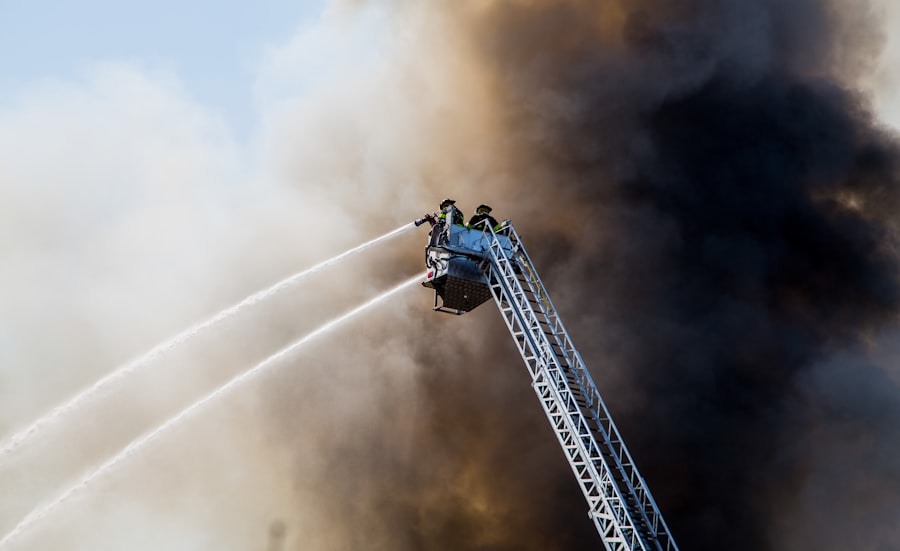
The long-term consequence of fire suppression has been a decline in the overall health and resilience of many forest ecosystems. Forests that were once characterized by a diverse structure and a robust capacity to recover from natural disturbances are now more vulnerable to a range of threats, including insect outbreaks, disease, and, of course, increasingly severe wildfires.
Increased Susceptibility to Pests and Diseases
Dense, overcrowded forests created by fire suppression are often less healthy and more susceptible to insect infestations and disease outbreaks. Stressed trees, competing for limited resources, are prime targets for pests like bark beetles. These outbreaks can weaken or kill large numbers of trees, further contributing to fuel loads and creating more opportunities for intense fires.
Bark Beetle Epidemics
Bark beetle populations, which are naturally kept in check by frequent, low-intensity fires that kill weakened trees, can explode in fire-suppressed forests. The resulting epidemics can lead to the death of vast tracts of forest, creating widespread fuel for future fires.
Fungal Diseases and Tree Mortality
The increased humidity and lack of air circulation in dense understories can also promote the spread of fungal diseases. These diseases can weaken trees, making them more vulnerable to other stressors and contributing to overall forest decline.
Altered Water Cycles and Streamflow
The dense canopy and thick undergrowth of fire-suppressed forests can significantly alter water cycles. These forests can intercept more rainfall, leading to reduced infiltration into the soil and less groundwater recharge. When fires do occur, the loss of vegetation can lead to increased runoff and erosion, impacting water quality and streamflow.
Impact on Water Quality
Erosion caused by post-fire runoff can lead to increased sediment loads in rivers and streams, negatively impacting aquatic ecosystems and the quality of drinking water for human communities.
Changes in Streamflow Patterns
The loss of forest cover can lead to more erratic streamflow, with higher peaks during rain events and lower flows during dry periods, impacting both ecological needs and human water supplies.
Reduced Biodiversity and Habitat Loss
As discussed, the homogenization of the forest structure due to fire suppression leads to a significant loss of biodiversity. Species that rely on open, diverse habitats are displaced, and the overall ecological richness of the forest diminishes. This loss extends to both plant and animal communities.
Loss of Habitat for Specialized Species
Many species have evolved to thrive in specific forest conditions, such as open meadows, savannas, or areas with significant amounts of dead wood. The dense, uniform nature of fire-suppressed forests eliminates these specialized habitats, leading to the decline of these species.
The Cascade Effect on Food Webs
The loss of certain plant or animal species can have cascading effects throughout the food web, impacting other species that rely on them for food or shelter. This can lead to a general weakening of the ecosystem’s overall stability.
The Need for a Paradigm Shift in Forest Management

Recognizing the profound impacts of fire suppression, there is a growing consensus among scientists and land managers that a paradigm shift is urgently needed. The goal is no longer to eliminate fire entirely, but to reintroduce it as a natural process, albeit in a controlled and strategic manner, to restore ecological health and reduce the risk of catastrophic wildfires.
Prescribed Burning: Reintroducing Fire as a Tool
Prescribed burning, also known as controlled burning, is a management technique where trained professionals intentionally set fires under carefully controlled conditions. The goal is to mimic the historical low-intensity fires that once shaped these landscapes, reducing fuel loads and promoting the regeneration of fire-adapted species.
Ecological Benefits of Prescribed Fire
Prescribed burns can achieve a multitude of ecological benefits. They reduce the accumulation of hazardous fuels, thereby lowering the risk of uncontrollable wildfires. They also stimulate the germination of certain seeds, promote the growth of native grasses and wildflowers, and create a mosaic of habitats that supports greater biodiversity.
Challenges and Considerations for Prescribed Burning
Despite its benefits, implementing prescribed burns is not without its challenges. Concerns about smoke impacts on air quality, public perception, and the need for skilled personnel and favorable weather conditions all need to be carefully managed. The large scale of fuel accumulation in many suppressed forests also means that achieving desired outcomes can require multiple burns over several years.
Mechanical Thinning: Reducing Fuel Loads Manually
In situations where prescribed burning is not feasible or sufficient, mechanical thinning can be employed. This involves using chainsaws, mulchers, and other equipment to selectively remove smaller trees and brush, thereby reducing fuel density and creating more open forest conditions.
Complementary Approach to Prescribed Burning
Mechanical thinning can be a valuable tool, particularly in areas adjacent to communities or where smoke from prescribed burns would be a significant concern. It can also be used to prepare areas for future prescribed burns by removing ladder fuels. However, it is often more costly and can create slash that needs further treatment.
Ecological Impacts of Mechanical Thinning
While mechanical thinning can reduce fuel loads, it is important to implement it in an ecologically sound manner. Over-thinning or removing too many larger, mature trees can negatively impact habitat and forest structure. The goal is to create a more open, resilient forest, not to clear-cut it.
Restoring Forest Resilience: Long-Term Goals
The ultimate goal of these management strategies is to restore the long-term resilience of forest ecosystems. This means creating landscapes that are better able to withstand and recover from disturbances, including wildfires, insect outbreaks, and disease. A resilient forest is a healthy forest, capable of providing essential ecosystem services.
Creating a Mosaic of Habitats
The reintroduction of fire and other restorative practices aims to create a mosaic of different habitat types within the forest. This patchy landscape, with varying degrees of tree cover, understory density, and age classes, supports a wider range of plant and animal species and is more resistant to the spread of large, destructive fires.
Adapting to a Changing Climate
As climate change continues to alter forest conditions, the need for proactive and adaptive management becomes even more critical. By actively managing forests to reduce fuel loads and promote resilience, we can help them better withstand the increasing stresses of a warming world.
Research on forest change after fire suppression highlights the complex dynamics of ecosystems that have been altered by human intervention. A related article discusses the traditional practices of Polynesian wayfinding, which emphasizes the importance of understanding natural patterns and relationships in the environment. By examining these practices, we can gain insights into sustainable land management and the consequences of fire suppression on forest health. For more information on this topic, you can read the article here: Polynesian wayfinding.
Conclusion: Embracing the Role of Fire for a Healthier Future
| Year | Forest Area (acres) | Change (%) |
|---|---|---|
| 2000 | 5000 | -10% |
| 2005 | 4800 | -15% |
| 2010 | 4500 | -20% |
| 2015 | 4200 | -25% |
| 2020 | 4000 | -30% |
The transformation of our forests due to the absence of fire is a stark reminder of the interconnectedness of ecological processes. For decades, well-intentioned efforts to protect forests from fire have inadvertently created landscapes that are more vulnerable to its devastating power. Embracing the natural role of fire, through a combination of prescribed burning and mechanical thinning, is no longer a radical idea but a necessary step towards restoring the health, diversity, and resilience of our precious forest ecosystems. This shift in management philosophy requires a long-term vision, public education, and a commitment to working with, rather than against, the natural forces that have shaped these landscapes for millennia. Only by understanding and respecting the intricate dance between fire and forest can we hope to secure a healthier and more sustainable future for both.

The Wilderness Was Engineered
FAQs
What is fire suppression and how does it affect forests?
Fire suppression is the act of actively preventing or extinguishing wildfires. This can lead to an accumulation of fuel, such as dead vegetation, which can result in more intense and destructive fires when they do occur. It can also disrupt the natural fire cycle of a forest, leading to changes in the forest composition and structure.
How does fire suppression impact forest ecosystems?
Fire suppression can lead to changes in forest ecosystems, including an increase in the density of trees and shrubs, a decrease in biodiversity, and changes in the composition of plant and animal species. It can also lead to an accumulation of flammable material, which can increase the risk of more severe fires in the future.
What are the long-term effects of fire suppression on forests?
Over the long term, fire suppression can lead to changes in forest structure and composition, including a shift towards more fire-resistant tree species and a decrease in the prevalence of fire-dependent species. It can also lead to changes in soil nutrients and water availability, impacting the overall health of the forest ecosystem.
What are some strategies for managing forests in the context of fire suppression?
Some strategies for managing forests in the context of fire suppression include prescribed burning, which involves intentionally setting controlled fires to reduce fuel accumulation and restore natural fire cycles. Other strategies include thinning dense vegetation, creating fire breaks, and implementing policies to allow for natural, low-intensity fires to burn in certain areas.
What are the potential benefits of allowing some fires to burn in forests?
Allowing some fires to burn in forests can help maintain the natural balance of forest ecosystems, reduce the risk of more severe fires in the future, and promote the health and diversity of plant and animal species. It can also help to recycle nutrients, reduce fuel accumulation, and create a mosaic of different forest ages and structures.