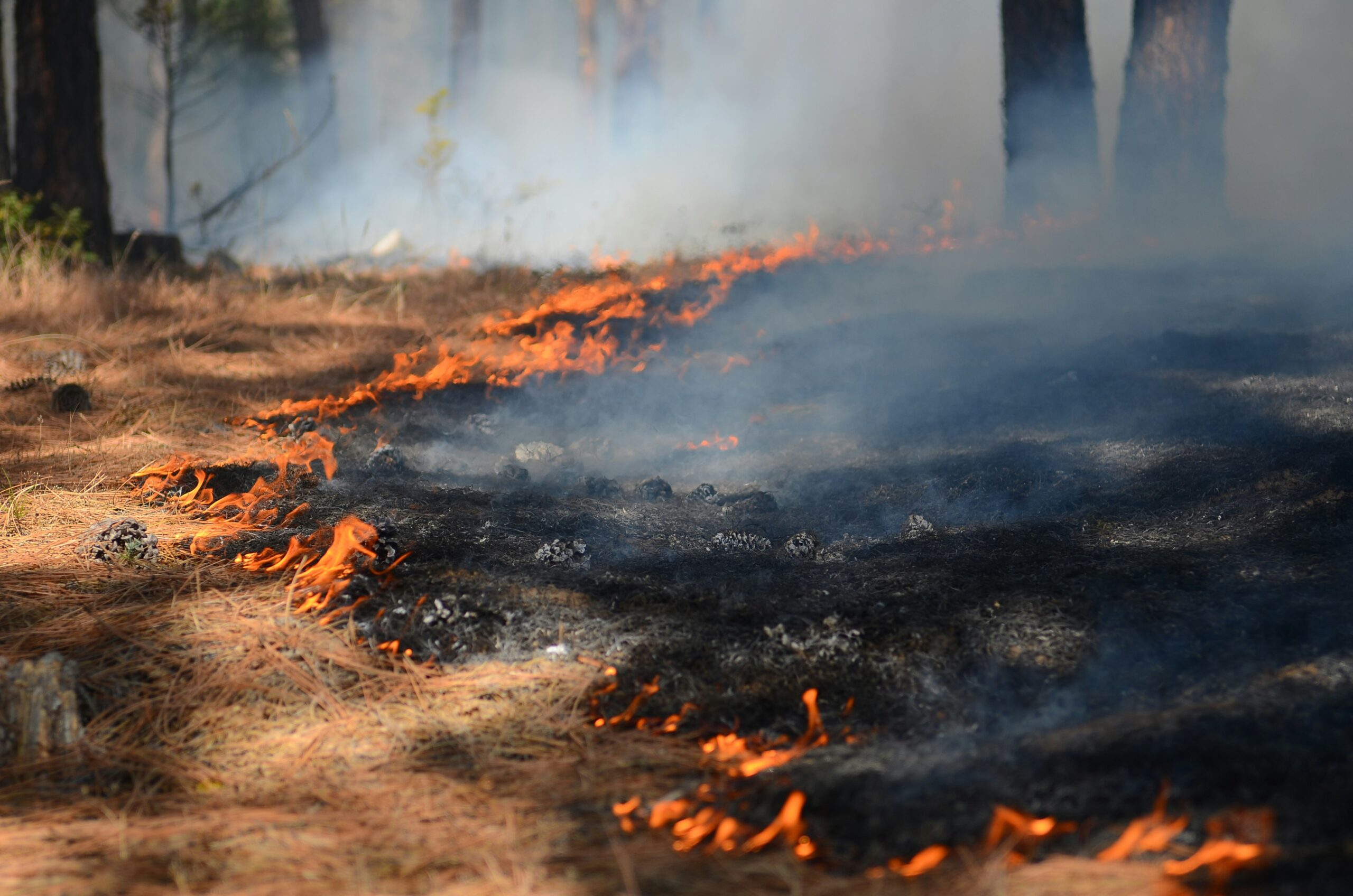
The land, a tapestry woven with ancient rhythms, whispers tales of a time when fire was not a destructive force, but a partner in ecological balance. For millennia, Indigenous peoples across the globe skillfully wielded fire, not to eradicate, but to cultivate, to regenerate, and to foster a vibrant, resilient landscape. This intricate knowledge, passed down through generations, represents a profound understanding of fire’s role in shaping ecosystems. Yet, the imposition of Western land management practices, often rooted in fire suppression, has led to ecological degradation, increased wildfire severity, and a disconnect from these invaluable ancestral practices. The revival of Indigenous fire ecology is emerging as a critical pathway towards sustainable land management, offering a holistic approach that respects natural processes and fosters biodiversity.
Before delving into revival efforts, it is essential to grasp the fundamental principles that underpin Indigenous fire management. This is not about indiscriminate burning; it is a nuanced, knowledge-based practice deeply intertwined with cultural values and ecological understanding.
The Concept of “Good Fire”
Indigenous peoples distinguish between “good fire” and “bad fire.” “Good fire” refers to controlled, intentional burns designed to achieve specific ecological outcomes. These burns are typically low-intensity, mosaic burns that clear undergrowth, reduce fuel loads, and stimulate the growth of specific plant species. “Bad fire,” on the other hand, is uncontrolled, high-intensity wildfire that can be devastating to ecosystems and human communities. This distinction highlights a proactive, management-oriented approach, rather than the reactive suppression often seen in modern practices.
Ecological Purposes of Indigenous Burning
The reasons for Indigenous burning are multifaceted and have profound ecological benefits.
Fuel Load Reduction and Wildfire Prevention
One of the primary functions of Indigenous burning was to manage fuel loads. By regularly clearing dead vegetation, leaf litter, and dense undergrowth, Indigenous peoples significantly reduced the potential for large, catastrophic wildfires. These controlled burns created a mosaic of vegetation types and ages, disrupting the continuous fuel pathways that allow fires to spread rapidly and intensely.
Habitat Creation and Biodiversity Enhancement
Indigenous burning practices were instrumental in shaping habitats and promoting biodiversity. Specific burning regimes were used to encourage the growth of particular food sources for wildlife, such as berries, roots, and grasses. The clearing of dense brush opened up areas for sunlight to penetrate the forest floor, promoting the growth of a wider variety of plant species. This, in turn, supported a more diverse array of insects, birds, and mammals, creating a richer and more resilient ecosystem.
Promoting Plant Regeneration and Seed Dispersal
Many plant species in fire-adapted ecosystems have evolved to rely on fire for germination and reproduction. Certain seeds require the heat of a fire to break dormancy, while others are dispersed by wind or animals after a fire has cleared competing vegetation. Indigenous burning practices would often trigger these processes, ensuring the continued health and propagation of native flora.
Soil Health and Nutrient Cycling
Fire plays a vital role in nutrient cycling. The burning of organic matter releases essential nutrients back into the soil, making them available for plant uptake. Indigenous burning was often timed and managed to optimize this nutrient replenishment, contributing to the long-term fertility and health of the land.
Cultural and Spiritual Significance
Indigenous fire practices are inextricably linked to culture and spirituality. Fire is often viewed as a sacred element, a source of life and transformation. The act of burning is not merely an ecological intervention but a cultural practice that reinforces connection to the land, ancestral knowledge, and spiritual beliefs. The stories, songs, and ceremonies associated with firekeeping further solidify its importance within Indigenous societies.
Indigenous fire ecology is a fascinating subject that highlights the traditional practices of Indigenous peoples in managing landscapes through controlled burns. For those interested in exploring related themes, the article on the historical significance of maps and navigation in Indigenous cultures can provide valuable insights. You can read more about this topic in the article titled “Uncharted Territories: Piri Reis and the Mystery of Lost Maps” available at this link.
The Impact of Fire Suppression and the Need for Revival
The historical trajectory of land management in many parts of the world has been dominated by a policy of aggressive fire suppression. This approach, born from a desire to protect property and human life, has inadvertently led to a host of unintended ecological consequences.
The Rise of Fuel Accumulation
Decades of suppressing natural fires, particularly in fire-adapted ecosystems, have resulted in an unprecedented accumulation of fuel. Dead vegetation, dense undergrowth, and mature forests have created tinderbox conditions, making current wildfires far more intense, widespread, and destructive than they would have been historically.
Increased Wildfire Severity and Extent
The unchecked fuel accumulation, coupled with changing climatic conditions, has led to a significant increase in the severity and extent of wildfires. These megafires are not only devastating to ecosystems but also pose serious threats to human settlements, air quality, and water resources.
Ecological Imbalance and Biodiversity Loss
The absence of natural fire regimes has disrupted ecological processes. Many plant and animal species that depend on fire for their survival are now struggling. Invasive species, often less fire-dependent, can outcompete native flora in the absence of periodic clearing. This has led to a decline in biodiversity and a homogenization of landscapes.
Loss of Traditional Knowledge and Practices
The suppression of Indigenous burning practices has also led to a significant loss of traditional knowledge. Younger generations have not had the opportunity to learn from elders about the nuanced art of fire management, leading to a disconnect from ancestral practices and a weakening of cultural heritage.
Strategies for Reviving Indigenous Fire Ecology
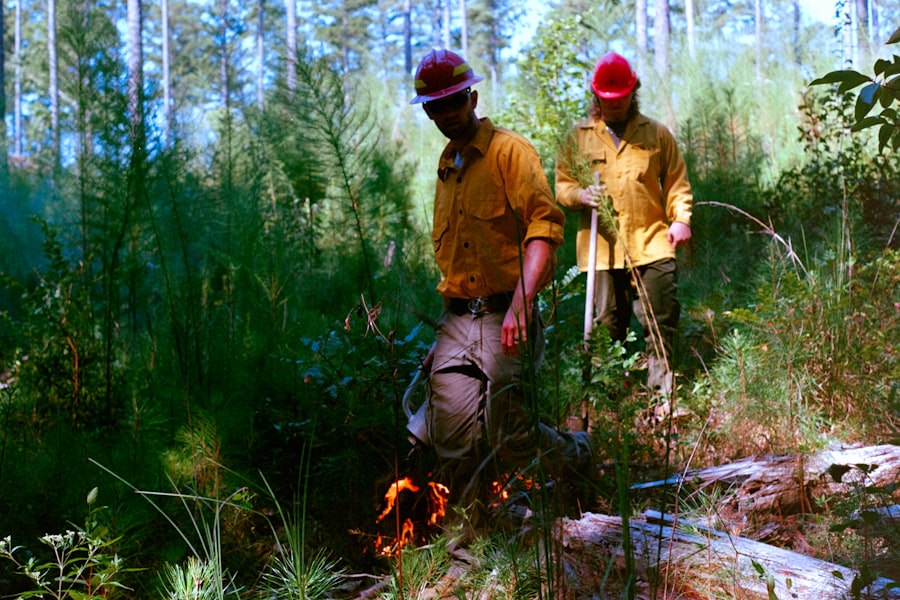
The recognition of the shortcomings of fire suppression has opened the door to a paradigm shift, with a growing emphasis on reviving Indigenous fire ecology. This revival is not a simple return to the past but a dynamic process of re-engagement, adaptation, and collaboration.
Collaborative Burn Programs
A cornerstone of revival efforts involves fostering collaboration between Indigenous communities, land management agencies, and researchers. These partnerships allow for the co-creation of burn plans that integrate traditional knowledge with modern scientific understanding. Indigenous fire practitioners bring invaluable ecological insights, while land managers can provide resources and regulatory frameworks.
Cultural Burning Initiatives
Cultural burning, also known as Indigenous burning, is a practice led and managed by Indigenous communities for cultural, spiritual, and ecological purposes. These initiatives prioritize the transmission of traditional knowledge, the revitalization of cultural practices, and the restoration of ecological health. They often involve community gatherings, storytelling, and intergenerational learning, ensuring the knowledge is passed on.
Training and Capacity Building
Reviving Indigenous fire ecology requires investing in training and capacity building for both Indigenous practitioners and land managers. This includes:
Mentorship Programs
Establishing mentorship programs where experienced Indigenous firekeepers can pass down their knowledge and skills to younger generations is crucial. These programs provide hands-on learning opportunities in a culturally relevant context.
Formal Education and Workshops
Developing educational programs and workshops that incorporate Indigenous fire ecology into land management curricula is essential. These can help land managers understand the value and techniques of traditional burning.
Knowledge Sharing Platforms
Creating platforms for knowledge sharing between different Indigenous communities and with external stakeholders can foster learning and the dissemination of best practices.
Policy and Regulatory Reform
For Indigenous fire ecology to thrive, supportive policies and regulations are necessary. This includes:
Recognizing Indigenous Rights and Authority
Acknowledging and respecting the inherent rights of Indigenous peoples to manage their ancestral lands, including the use of fire, is paramount.
Streamlining Permitting Processes
Simplifying and expediting the permitting processes for cultural burns can remove significant bureaucratic hurdles.
Funding and Resource Allocation
Ensuring adequate funding and resources are allocated to Indigenous-led fire management initiatives is critical for their success and sustainability.
Benefits of Reviving Indigenous Fire Ecology
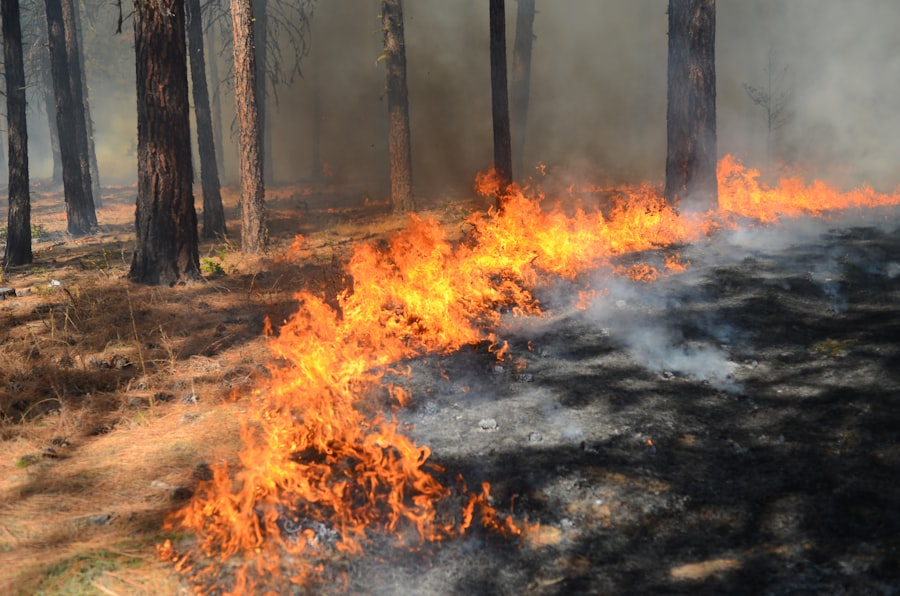
The revival of Indigenous fire ecology offers a multitude of benefits, extending beyond ecological restoration to encompass social, cultural, and economic advantages.
Enhanced Ecosystem Resilience and Biodiversity
By reintroducing controlled fire into the landscape, ecosystems become more resilient to disturbances such as drought, disease, and extreme weather events. The mosaic of habitats created by Indigenous burning supports a greater diversity of plant and animal life, contributing to overall ecosystem health.
Reduced Wildfire Risk and Increased Community Safety
The proactive management of fuel loads through controlled burning significantly reduces the risk of catastrophic wildfires. This translates to increased safety for communities living in wildland-urban interfaces and protects valuable infrastructure and natural resources.
Cultural Revitalization and Intergenerational Connection
Cultural burning initiatives provide a powerful platform for the revitalization of Indigenous cultures. They strengthen connections to the land, promote the transmission of ancestral knowledge, and foster a sense of pride and identity among younger generations.
Economic Opportunities
The development of Indigenous fire management programs can create new economic opportunities within Indigenous communities. This can include employment in prescribed burning, ecological restoration, and the development of sustainable land-use enterprises.
Improved Carbon Sequestration and Climate Change Mitigation
Healthy, resilient ecosystems managed with Indigenous fire practices can act as more effective carbon sinks. By preventing large, destructive wildfires that release vast amounts of stored carbon, and by promoting the growth of healthy vegetation, these practices contribute to climate change mitigation efforts.
Indigenous fire ecology plays a crucial role in understanding how traditional practices can contribute to land management and biodiversity. For a deeper insight into how geographic factors influence cultural practices, you may find the article on geographic determinism particularly enlightening. It explores the relationship between environment and culture, shedding light on how Indigenous communities have historically adapted their fire management techniques to suit their landscapes. You can read more about this fascinating connection in the article here.
Challenges and Future Directions
| Region | Indigenous Fire Practices | Impact on Ecosystem |
|---|---|---|
| Australia | Cool burning to reduce fuel load | Promotes biodiversity and regeneration |
| North America | Prescribed burning for land management | Restores natural fire regimes and prevents catastrophic wildfires |
| South America | Traditional fire use for agriculture | Enhances soil fertility and controls pests |
While the revival of Indigenous fire ecology holds immense promise, it is not without its challenges. Addressing these obstacles is crucial for ensuring the long-term success of these initiatives.
Overcoming Historical Trauma and Mistrust
Decades of colonial policies and land dispossession have created a legacy of mistrust between Indigenous communities and government agencies. Building genuine partnerships based on mutual respect and understanding is essential for overcoming this historical trauma.
Navigating Complex Regulatory Frameworks
Existing land management regulations, often designed for fire suppression, can be a significant barrier to implementing Indigenous burning practices. Reforming these frameworks to accommodate traditional knowledge and practices is a critical next step.
Securing Sustainable Funding
The ongoing success of Indigenous fire ecology initiatives requires consistent and sustainable funding. This often involves advocating for government support, seeking philanthropic grants, and developing innovative funding models.
Ensuring Knowledge Transfer and Succession
The loss of elders and the rapid pace of societal change pose a risk to the transfer of traditional knowledge. Developing robust mentorship and training programs, along with creating accessible knowledge repositories, is vital for ensuring the continuity of these practices.
Scaling Up and Mainstreaming Practices
Moving from localized pilot projects to widespread adoption of Indigenous fire ecology requires a concerted effort to mainstream these practices within broader land management strategies. This involves continued advocacy, education, and demonstrating the tangible benefits of these approaches.
The path forward lies in recognizing the profound wisdom embedded within Indigenous fire ecology. It is a call to move beyond the limitations of a single, often detrimental, approach to land management and embrace a holistic, collaborative, and culturally informed strategy. By reviving these ancient practices, we not only heal our landscapes but also foster a deeper connection to the natural world and strengthen the resilience of both ecosystems and communities for generations to come. The whispers of the land are growing louder, urging us to listen, to learn, and to once again walk in partnership with the power of fire for a truly sustainable future.
The Wilderness Was Engineered
FAQs
What is Indigenous fire ecology?
Indigenous fire ecology refers to the traditional knowledge and practices of indigenous peoples related to the use of fire as a tool for managing and maintaining ecosystems. This includes controlled burning to promote biodiversity, manage vegetation, and reduce the risk of catastrophic wildfires.
How have indigenous peoples used fire as a tool for ecological management?
Indigenous peoples have used fire for centuries to shape and maintain landscapes, promote the growth of certain plant species, and create favorable conditions for hunting and gathering. Controlled burning has been a key part of their land management practices.
What are the benefits of Indigenous fire ecology?
The use of fire by indigenous peoples has been shown to promote biodiversity, maintain healthy ecosystems, and reduce the risk of large, destructive wildfires. It also helps to preserve traditional knowledge and cultural practices.
How does Indigenous fire ecology differ from modern fire management practices?
Indigenous fire ecology is based on traditional knowledge and practices that have been developed over generations, whereas modern fire management practices often focus on suppression and prevention of wildfires. Indigenous fire ecology takes a more holistic approach to fire as a natural and necessary part of ecosystems.
What are some examples of Indigenous fire ecology in practice?
Examples of Indigenous fire ecology in practice include the use of controlled burning by indigenous communities in Australia to manage landscapes and promote biodiversity, as well as the traditional burning practices of Native American tribes in North America to maintain healthy forests and grasslands.