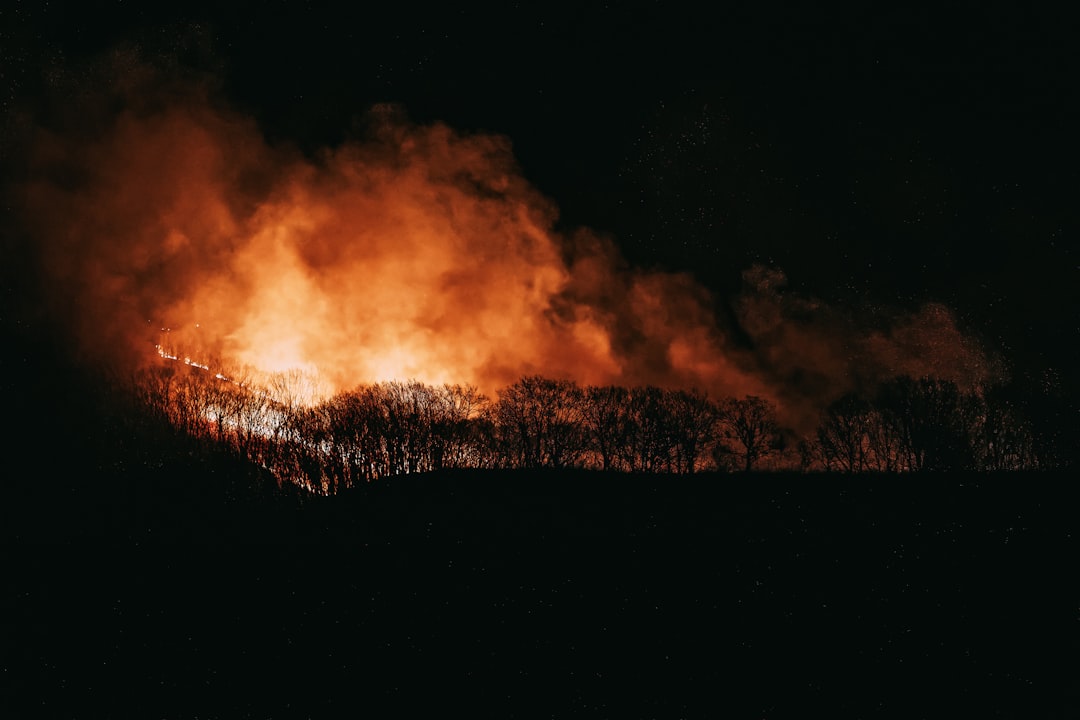
The ancient practice of Indigenous burning, often misunderstood and historically suppressed, is increasingly being recognized as a vital tool for ecological restoration and a testament to a profound understanding of natural systems. Far from being a destructive force, when wielded with knowledge and intent, controlled burns are a sophisticated method of land management that fosters biodiversity, reduces the risk of catastrophic wildfires, and even leaves discernible marks on the very trees that endure them – marks that tell a story of resilience and ecological balance. This article delves into the intricate relationship between tree scars and Indigenous burning, exploring how this sustainable approach has shaped landscapes for millennia and offers a critical pathway forward in our modern environmental challenges.
Indigenous burning, also known as cultural burning or traditional ecological knowledge (TEK) based fire management, is a practice deeply rooted in the history and cultures of Indigenous peoples worldwide. It is not a haphazard act but a carefully orchestrated process, informed by generations of observation and understanding of fire’s role in the ecosystem. This knowledge encompasses not only the timing and intensity of burns but also the specific species that benefit from fire, the nutrient cycling it promotes, and the complex interplay of flora and fauna.
Historical Context and Cultural Significance
For millennia, Indigenous communities have used fire as an integral part of their land stewardship. This was not simply about clearing land for agriculture, though that was a component; it was a holistic approach to maintaining the health and vitality of their territories. Fire was used to promote the growth of food plants, to clear undergrowth that could fuel larger fires, to create diverse habitats for game animals, and to manage pest populations. The practice was intrinsically linked to cultural traditions, spiritual beliefs, and the transmission of knowledge from elders to younger generations. The understanding of fire’s behavior was passed down through oral traditions, stories, and direct mentorship, ensuring its continuity and effectiveness. This knowledge was highly localized, adapted to the specific ecological conditions of each region and the unique needs of the communities that inhabited them.
The Ecological Rationale Behind Traditional Burning
The underlying ecological rationale for Indigenous burning is sophisticated and scientifically validated. Many ecosystems, particularly those in fire-adapted landscapes like savannas, grasslands, and certain forest types, have evolved in conjunction with periodic fires. Indigenous burning mimics these natural fire regimes, but with a level of control and predictability that natural ignitions often lack. By removing accumulated dead plant material (fuel load), controlled burns reduce the intensity and spread of wildfires. They also stimulate the germination of certain seeds, promote the growth of fire-dependent plant species, and release nutrients back into the soil, fostering a cycle of renewal. This management approach actively discourages the encroachment of invasive species and maintains the structural diversity of the vegetation, which in turn supports a wider array of animal life.
Tree scars, a significant indicator of Indigenous burning practices, highlight the deep connection between Indigenous peoples and their land management techniques. These scars serve as a testament to the ecological knowledge passed down through generations, showcasing how controlled burns were used to promote biodiversity and prevent larger wildfires. For a broader understanding of how societal changes, including technological advancements, can impact traditional practices and the environment, you may find the article on the rise of artificial intelligence and societal collapse insightful. You can read it here: The Rise of Artificial Intelligence and Societal Collapse.
The Story Etched in Tree Scars
The enduring presence of trees in landscapes managed by Indigenous burning offers visible evidence of this practice. While fire can be destructive, a closer examination of trees reveals a different narrative: the development of tree scars. These are not merely wounds but rather indicators of adaptation, resilience, and a history of interaction with fire. Understanding these scars provides a tangible link to the past and highlights the capacity of trees to survive and even thrive under controlled fire regimes.
Types of Tree Scars and Their Meaning
Tree scars from fire can manifest in various ways, each telling a part of the story. Surface charring, where the bark is blackened, is the most common. If the fire is of low intensity and short duration, the living cambium layer beneath the bark may survive, and the tree can compartmentalize the damage. More severe fires can lead to deeper scorch marks, exposing the wood beneath. Sometimes, if the fire reaches the cambium layer, it can kill a portion of the bark, leading to a dead patch that eventually flakes off, leaving a bare woody surface. In cases of intense heat, the cambium can be girdled, meaning the bark is killed all the way around the trunk, which can lead to the death of the tree above the scar. However, in many fire-adapted species, the bark is thick and insulating, providing protection. Younger trees with thinner bark are more vulnerable, and their survival often depends on the severity and duration of the fire. The location of the scar, whether low on the trunk or higher up, can also indicate the intensity and height of the flames.
The Resilience of Fire-Adapted Species
Many tree species have evolved remarkable adaptations to survive and even benefit from fire. Thick, insulating bark is a prime example, acting like a natural shield against heat. Some species have seeds that require the heat of a fire to germinate, ensuring their regeneration after a burn. Others have underground root structures that can resprout after the above-ground parts have been consumed by fire. Species like the giant sequoia, with its exceptionally thick bark, are iconic examples of fire adaptation. Many eucalypts in Australia are also highly adapted to fire, with some species even having specialized cones that require fire to open and release their seeds. Indigenous burning practices are often designed to favor these resilient species, promoting a landscape dominated by those best equipped to handle periodic fires.
Long-Term Forest Health and Biodiversity
The presence of tree scars is not a sign of ecological damage but rather a testament to a functioning, fire-maintained ecosystem. Forests that are regularly subject to low-intensity fires managed by Indigenous burning practices tend to be healthier and more biodiverse. The removal of dead fuel reduces the likelihood of devastating crown fires that can kill mature trees and decimate entire forests. Instead, periodic ground fires clear out undergrowth, allowing sunlight to reach the forest floor and stimulating the growth of a diverse array of herbaceous plants and shrubs. This, in turn, provides habitat and food sources for a wide range of animal species, from insects to mammals. The mosaic of habitats created by varied fire intensities and frequencies supports a richer tapestry of life.
Modern Applications and the Reintegration of Indigenous Burning
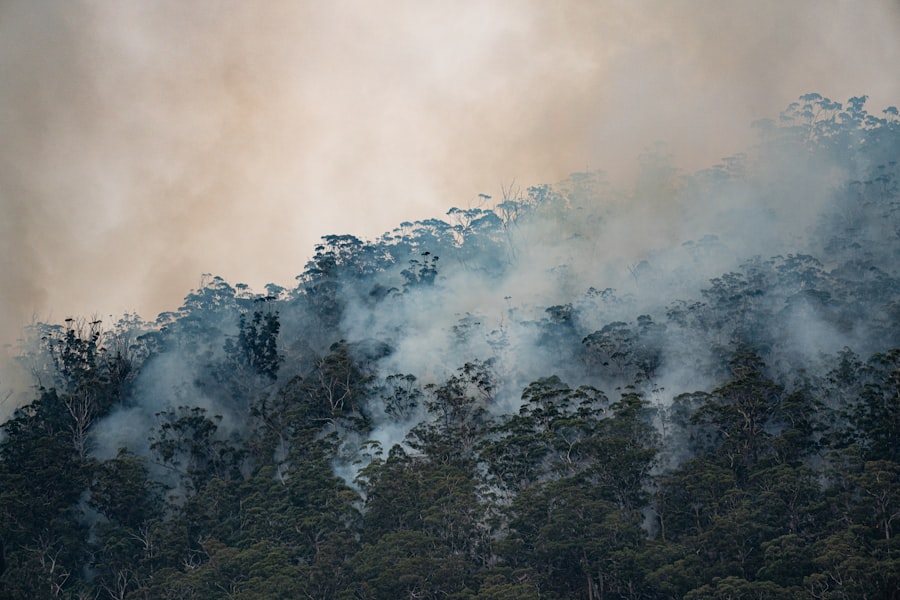
In recent decades, there has been a growing recognition of the limitations of modern fire suppression policies, which have often led to the unnatural accumulation of fuel. This has created conditions for increasingly severe and uncontrollable wildfires. Consequently, there is a renewed interest in learning from and reintegrating Indigenous burning practices into contemporary land management strategies.
The Failure of Suppression and the Rise of Megafires
For much of the 20th century, fire suppression was the dominant strategy for managing wildlands. The prevailing philosophy was that all fires should be extinguished as quickly as possible. While this approach may have seemed logical, it disrupted natural fire cycles and led to a buildup of flammable vegetation. This “fuel loading” created conditions for megafires – fires that are incredibly intense, spread rapidly, and are extremely difficult to control. These megafires are not only devastating to ecosystems and human communities but also release vast amounts of carbon into the atmosphere, contributing to climate change. The suppression strategy, ironically, has led to more destructive fires.
Collaborations and Knowledge Sharing
Fortunately, there is a growing movement to bridge the gap between traditional knowledge and modern science. Indigenous communities, often the original custodians of fire management, are increasingly being consulted and involved in land management decisions. Partnerships are being formed between Indigenous elders, cultural fire practitioners, scientists, and land management agencies. These collaborations allow for the sharing of invaluable TEK alongside scientific data, creating more effective and culturally appropriate fire management plans. This represents a significant shift from the historical marginalization of Indigenous knowledge to its embrace as a crucial component of conservation and restoration efforts.
Restoring Ecological Function Through Cultural Fire
The reintegration of cultural fire offers a powerful means of restoring ecological function. By carefully planned and executed burns, land managers can mimic natural fire regimes, reduce fuel loads, and promote the health of fire-adapted ecosystems. This can involve prescribed burns, which are carefully planned and executed fires set under specific weather conditions. However, the emphasis is increasingly on ensuring that these burns are conducted with the deep understanding and cultural context that Indigenous practitioners bring. The goal is not just to burn, but to burn with purpose – to foster biodiversity, enhance habitat, and build ecological resilience, recognizing the interconnectedness of all living things within the landscape.
The Cultural and Spiritual Dimensions of Fire Stewardship
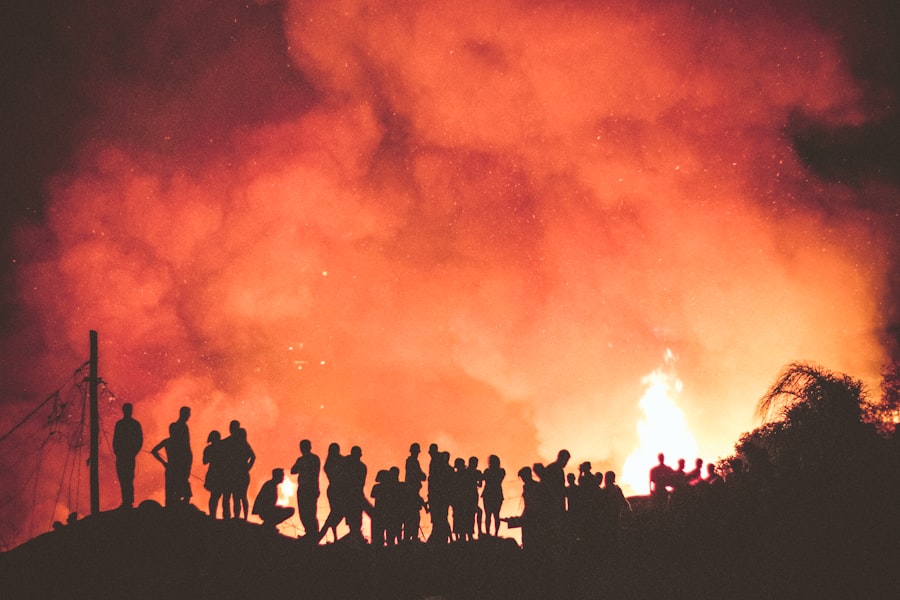
Indigenous burning is more than just an ecological tool; it is imbued with deep cultural and spiritual significance. Fire is often viewed as a living entity, a force that must be respected and worked with in harmony. This perspective influences the way burns are conducted and the outcomes that are sought.
Fire as a Sacred Element
In many Indigenous cultures, fire is considered a sacred element, a source of life, warmth, and transformation. It is often associated with creation stories, spiritual ceremonies, and the transmission of ancestral knowledge. The act of burning is therefore approached with reverence and a deep sense of responsibility. It is not seen as an act of destruction but as a process of renewal, cleansing, and rebirth. This spiritual connection fosters a profound respect for the land and a commitment to its long-term health, recognizing that the well-being of the people is intrinsically linked to the well-being of the environment.
Oral Traditions and Knowledge Transmission
The knowledge of when, where, and how to burn has been passed down through generations via oral traditions, storytelling, songs, and ceremonial practices. Elders play a crucial role in transmitting this wisdom to younger generations, ensuring the continuity of sustainable land management. These traditions often contain intricate details about weather patterns, plant phenology, animal behavior, and the specific ecological responses to fire. The passing down of this knowledge is not just about imparting information but about cultivating a deep understanding and connection to the land.
Ceremonies and Rituals Associated with Burning
Burning practices were often integrated into elaborate ceremonies and rituals that marked the seasons, celebrated harvests, or honored the land. These ceremonies served to reinforce the cultural significance of fire and to ensure that the practice was carried out with appropriate respect and intention. They were also opportunities for community gathering and for reinforcing the collective responsibility for land stewardship. The spiritual and cultural dimensions of fire management are inseparable from its ecological effectiveness.
Tree scars, often a result of traditional Indigenous burning practices, play a significant role in understanding the relationship between land management and environmental sustainability. These scars serve as a testament to the cultural heritage and ecological knowledge of Indigenous communities, highlighting their deep connection to the land. For a broader perspective on how environmental changes impact communities, you can explore the related article on environmental migration, which delves into the complexities faced by populations in the face of climate change. This insightful piece can be found here.
Challenges and Opportunities for the Future
| Tree scars Indigenous burning | Metrics |
|---|---|
| Number of tree scars | 45 |
| Area affected by burning | 1200 square meters |
| Frequency of burning | Every 2 years |
While the resurgence of Indigenous burning offers immense hope for ecological restoration, several challenges remain. Overcoming historical biases, ensuring adequate resources, and fostering true partnerships are critical for the widespread adoption of this sustainable approach.
Addressing Historical Trauma and Mistrust
The legacy of colonization and the suppression of Indigenous practices have left deep wounds. For many Indigenous communities, there is a natural mistrust of government agencies and land management bodies due to past injustices. Building trust and ensuring that Indigenous voices are genuinely heard and respected is paramount. This requires a commitment to genuine co-management, where Indigenous knowledge holders are empowered and their expertise is valued as equal to scientific data. Addressing the historical trauma associated with the suppression of traditional practices is a crucial step towards reconciliation and effective land stewardship.
Securing Funding and Resources
Implementing Indigenous burning practices on a large scale requires adequate funding and resources. This includes supporting Indigenous communities in developing their own fire management programs, providing training and equipment, and ensuring that cultural fire practitioners are compensated fairly for their expertise and labor. Government agencies and conservation organizations need to allocate dedicated funding streams to support these initiatives, recognizing the long-term ecological and economic benefits that cultural burning provides.
The Path Forward: Integration and Empowerment
The future of sustainable land management lies in the integration of Indigenous burning practices with modern scientific approaches. This means empowering Indigenous communities, fostering genuine partnerships, and recognizing the invaluable knowledge they hold. By embracing the wisdom of generations of fire stewardship, we can move towards a future where our landscapes are healthier, more resilient, and rich in biodiversity. The enduring marks on trees, the scars of survival, stand as a powerful reminder of what can be achieved when humanity works in harmony with nature, guided by the ancient wisdom of those who understood its rhythms. The path forward is one of learning, respect, and collaborative action, ensuring that the legacy of Indigenous burning continues to shape healthy ecosystems for generations to come.
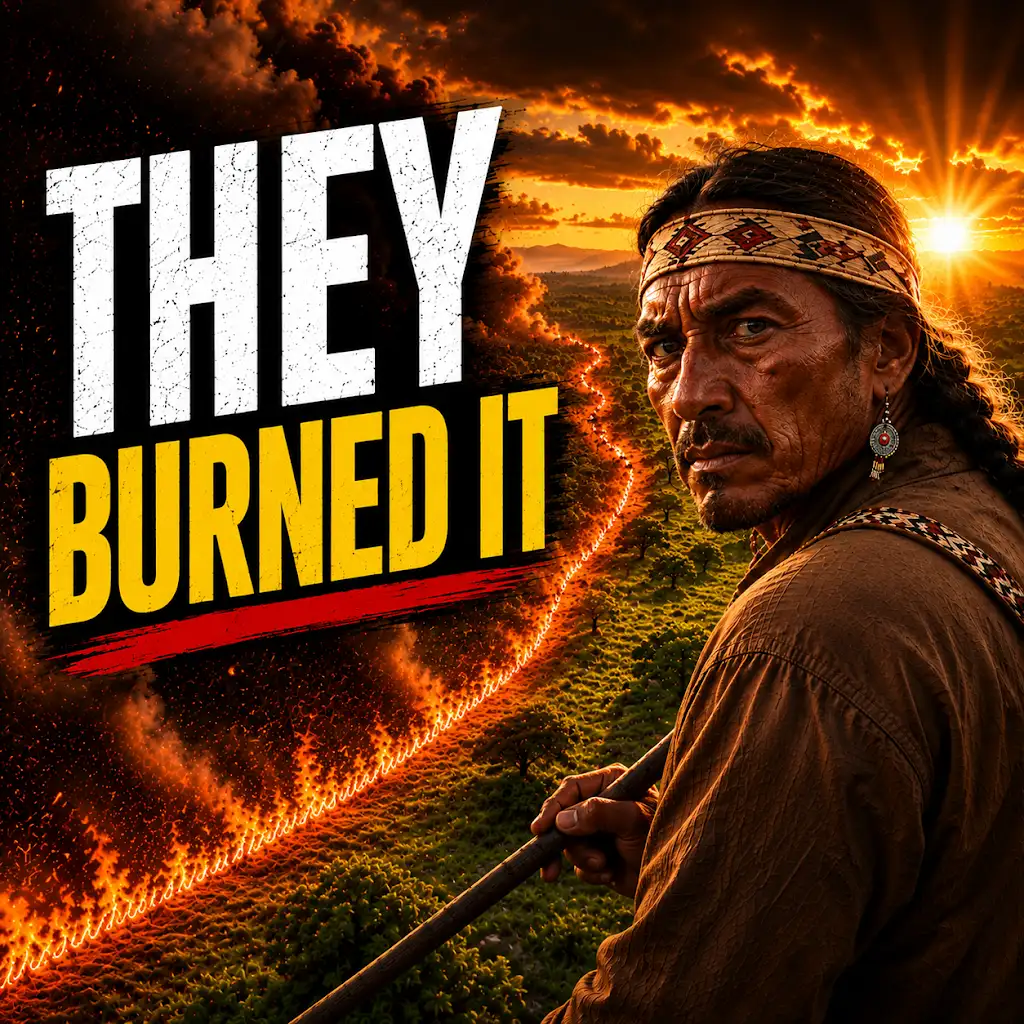
The Wilderness Was Engineered
FAQs
What is Indigenous burning?
Indigenous burning, also known as cultural burning, is a traditional practice of intentionally setting controlled fires to manage and maintain ecosystems. It has been used by Indigenous peoples around the world for thousands of years to promote biodiversity, reduce fuel loads, and regenerate landscapes.
What are tree scars from Indigenous burning?
Tree scars from Indigenous burning are marks left on trees as a result of controlled fires. These scars can take the form of charred bark, fire scars, or other visible signs of fire damage. Indigenous burning practices often result in these tree scars, which can provide valuable information about the history of fire in an area.
How do tree scars from Indigenous burning benefit ecosystems?
Tree scars from Indigenous burning can benefit ecosystems in several ways. They can promote the growth of fire-adapted plant species, create habitat for wildlife, and help maintain a healthy balance of vegetation. Additionally, Indigenous burning can reduce the risk of catastrophic wildfires by reducing fuel loads and preventing the buildup of flammable vegetation.
What role do tree scars from Indigenous burning play in Indigenous cultures?
Tree scars from Indigenous burning are an important part of Indigenous cultures and traditions. They serve as a reminder of the long history of Indigenous land management practices and the deep connection between Indigenous peoples and the land. Tree scars also hold cultural significance and can be used to pass down traditional ecological knowledge from one generation to the next.
What are the environmental benefits of Indigenous burning and tree scars?
The environmental benefits of Indigenous burning and tree scars include promoting biodiversity, maintaining healthy ecosystems, reducing the risk of catastrophic wildfires, and supporting the regeneration of landscapes. Indigenous burning practices and the resulting tree scars contribute to the overall health and resilience of ecosystems.