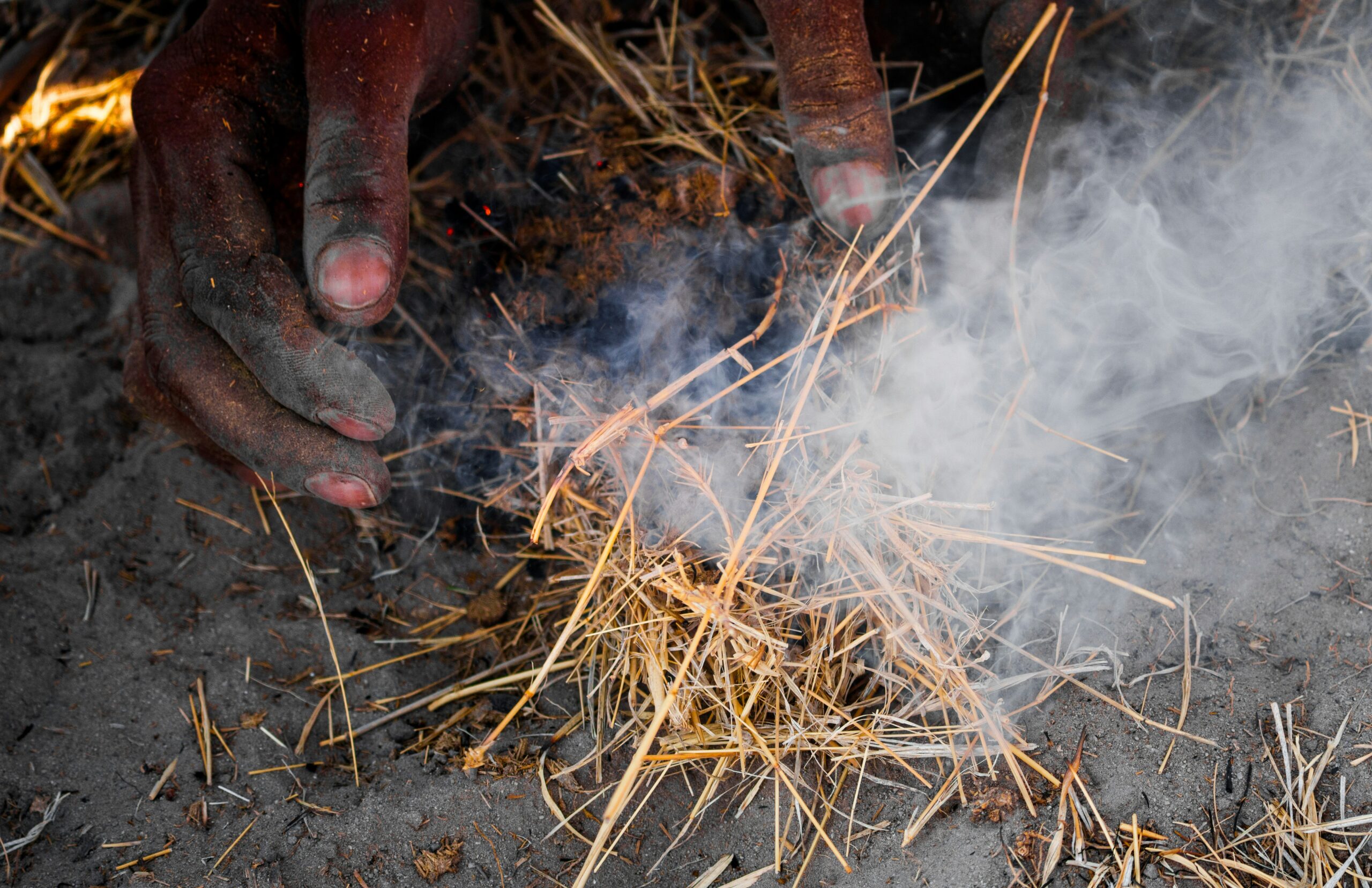
The tendrils of smoke, rising in the predawn chill, were not a harbinger of destruction, but a testament to ancient wisdom. For millennia, Indigenous peoples across the globe have understood and practiced a profound relationship with fire, not as an adversary to be feared, but as a powerful ally to be harnessed. Their methods, honed over countless generations, represent a sophisticated understanding of ecological processes, a stark contrast to the often destructive and reactive approaches that have dominated Western land management for centuries. This is the story of Indigenous fire management: harnessing nature’s power for ecological resilience and cultural continuity.
The practice of Indigenous fire management is inextricably linked to Traditional Ecological Knowledge (TEK). TEK is a cumulative body of knowledge, practice, and belief, evolving by adaptive processes and handed down through generations by cultural transmission, about the relationship of living beings (including humans) with one another and with their environment. It is not static; it is dynamic, constantly informed by observation, experimentation, and the spiritual connection Indigenous peoples have with their ancestral lands.
Understanding Fire’s Role in the Ecosystem
Indigenous communities did not view fire as an anomaly, but as an integral component of many ecosystems. They recognized that in many landscapes, fire was a natural disturbance, akin to drought or flood, that played a crucial role in shaping plant communities, influencing wildlife populations, and maintaining ecological health. This understanding went beyond a simple acknowledgment of fire’s presence; it delved into the intricate feedbacks and cycles that fire influenced. They understood how fire cleared out undergrowth, creating space for new growth, how it released nutrients back into the soil, and how it could prevent the buildup of fuels that could lead to more catastrophic, uncontrollable wildfires.
The Cultural Significance of Fire
Fire is more than just an ecological tool for Indigenous peoples; it is deeply woven into the fabric of their cultures, spirituality, and social structures. Fire has been central to ceremonies, storytelling, and the transmission of knowledge. The responsible use of fire, therefore, became a sacred duty, passed down through elders and recognized as a vital contribution to the well-being of both the land and the community. The act of burning was often accompanied by rituals and prayers, acknowledging the power of fire and seeking its beneficial effects. This spiritual dimension imbues the practice with a profound sense of responsibility and respect.
Intergenerational Transmission of Knowledge
The knowledge of when, where, and how to use fire was not codified in written manuals. Instead, it was passed down orally, through observation, and hands-on apprenticeship. Elders would meticulously train younger generations, sharing their understanding of weather patterns, fuel types, soil conditions, and the specific needs of different plant and animal species. This intimate, experiential learning process ensured that the knowledge was not only accurate but also deeply ingrained, fostering a profound connection between the learner and the land. This intergenerational transfer is a cornerstone of TEK and the sustainability of Indigenous fire management practices.
Indigenous people have long utilized fire as a crucial tool for land management, promoting biodiversity and enhancing the growth of certain plant species. This practice, often referred to as “cultural burning,” showcases their deep understanding of the ecosystem and its cycles. For a broader perspective on how traditional practices can inform modern strategies, you might find it interesting to read about the logistical advantages of manufacturing in Mexico, which highlights the importance of efficiency and resource management in contemporary contexts. You can explore this topic further in the article found here: Maximizing Efficiency: Logistical Advantages of Manufacturing in Mexico.
The Principles of Prescribed Burning in Indigenous Practices
Indigenous fire management is characterized by its deliberate and strategic use of fire, often referred to as prescribed burning or cultural burning. This is not about setting uncontrolled blazes, but about carefully planned ignitions designed to achieve specific ecological and cultural objectives. The principles guiding these practices are rooted in a deep understanding of natural processes and a long-term vision for landscape health.
Fuel Management and Fire Intensity Control
A primary objective of Indigenous fire management is to reduce the accumulation of flammable materials, or “fuel load.” By conducting regular, low-intensity burns, Indigenous peoples would prevent the buildup of dense undergrowth, dead leaves, and woody debris that can fuel large, destructive wildfires. These controlled burns were typically carried out during specific times of the year when conditions were favorable for the fire to spread slowly and predictably, ensuring that it consumed only the finer fuels and did not reach the crowns of mature trees. The intensity of the fire was also carefully managed, aiming for a “cool” burn that would clear the forest floor without causing significant damage to trees or other sensitive vegetation.
Promoting Biodiversity and Habitat Restoration
Indigenous burning practices were instrumental in fostering biodiversity. By clearing out dense vegetation, these fires created open spaces that allowed sunlight to reach the forest floor, stimulating the growth of a wider variety of plants. This, in turn, supported a greater diversity of insects, birds, and other wildlife. Certain plant species, like some grasses and wildflowers, actually require fire to germinate or thrive, and Indigenous burning practices ensured their continued presence. Furthermore, these burns could be used to rejuvenate degraded areas, restoring them to a more healthy and productive state. For example, burning off invasive species could create space for native plants to reestablish themselves.
Influencing Plant Succession and Ecosystem Dynamics
Indigenous peoples understood that fire could be used to steer ecological succession. By applying fire at different frequencies and intensities, they could influence which plant species dominated a particular area over time. This allowed them to maintain landscapes in a desired state, often one that provided a balance of resources for both humans and wildlife. For instance, they might use fire to maintain open woodlands that were ideal for grazing animals or to promote the growth of berry-producing shrubs. This proactive management approach contrasts sharply with modern approaches that often react to ecological changes rather than shaping them.
Targeted Ignitions for Specific Outcomes
The practice of Indigenous fire management involved a sophisticated understanding of fire behavior. They knew how to read the landscape, the weather, and the fuel to predict how a fire would behave. This allowed them to make strategic decisions about where and when to ignite fires. They might use “backburning” to create a firebreak against an approaching wildfire or use “mosaic burning” to create a patchwork of burned and unburned areas, providing diverse habitats for wildlife. The precise placement of ignitions, often by hand with smoldering brands, demonstrated an intimate knowledge of the terrain and the desired outcomes.
Specific Applications and Techniques

The application of Indigenous fire management techniques varied widely depending on the specific ecosystem, climate, and cultural context of the Indigenous group. However, common threads of observation, adaptation, and intention ran through these diverse practices. These methods were not simply about setting fires; they were about understanding the nuanced language of the land and responding with ecological wisdom.
The Use of “Smokey Bear” Ignitions and Patch Burning
While the modern concept of “Smokey Bear” is associated with fire prevention, Indigenous peoples historically used controlled “smokes” for beneficial purposes. This involved carefully managed ignitions that produced smoke but were designed to burn with low intensity and in specific patterns. “Patch burning” was a common technique, where different areas of the landscape were burned in a cyclical manner. This created a mosaic of habitats with varying stages of ecological recovery, providing a diverse range of resources and shelter for wildlife throughout the year. The unburned patches served as refuges for animals and allowed for the regeneration of plant communities.
Cultural Burning for Cultural Heritage Sites
In many Indigenous cultures, fire was used to maintain cultural heritage sites, such as traditional gathering places, burial grounds, and areas of spiritual significance. Burning around these sites helped to keep them clear of encroaching vegetation, making them more accessible and preserving their historical integrity. This practice also demonstrated respect for ancestral lands and the importance of maintaining connections to the past. The act of burning itself could be a ritualistic reaffirmation of these connections.
Seasonal Burning for Resource Management
Indigenous communities often timed their burns according to specific seasons, aligning them with the life cycles of plants and animals. For example, they might burn in the late dry season to clear out old growth and promote new growth in the coming wet season, or burn after the fruiting of certain plants to prepare the ground for their regrowth. These seasonal burns were integrated into broader resource management strategies, ensuring the sustainable harvesting of food, fiber, and medicinal plants. This temporal understanding highlights the sophisticated planning involved.
Fire as a Tool for Communicating and Deterring Pests
In some instances, Indigenous peoples utilized fire to communicate with wildlife or to deter pests. Controlled burns could be used to flush out game animals for hunting or to clear out areas infested with insects that might damage crops or traditional resources. This demonstrates a nuanced understanding of animal behavior and the ecological impact of different organisms. The fire acted as a signal, guiding animals or discouraging unwanted inhabitants.
The Decline and Rediscovery of Indigenous Fire Management
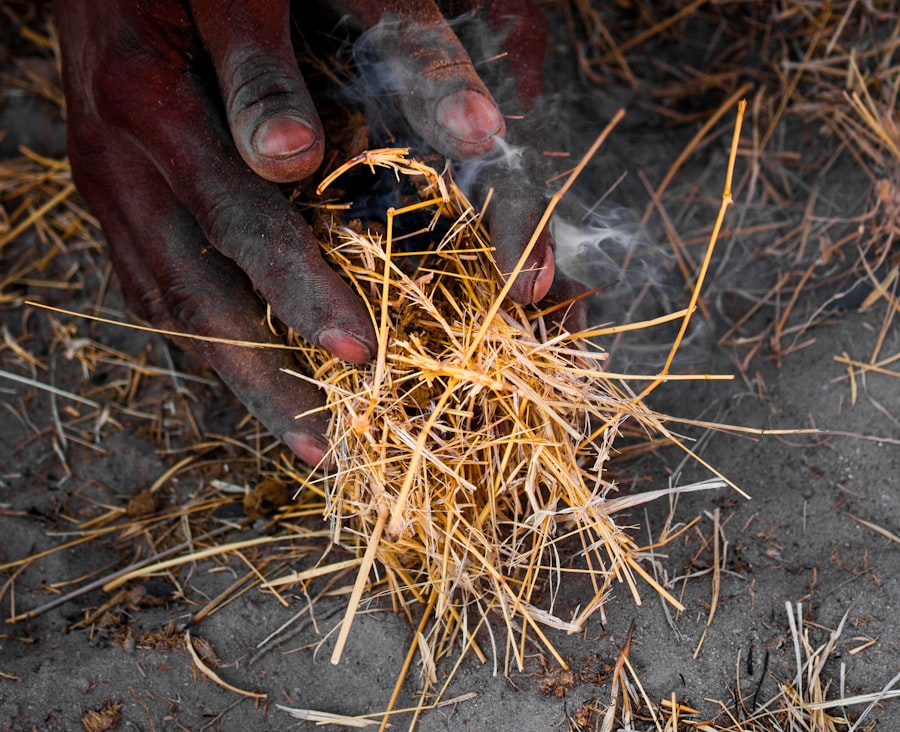
For much of the colonial period, Indigenous fire management practices were actively suppressed. Colonial governments, influenced by European land management philosophies that viewed fire as inherently destructive, often outlawed Indigenous burning. This led to a significant disruption of traditional ecological knowledge and practices. However, in recent decades, there has been a growing recognition of the value and effectiveness of Indigenous fire management, leading to a resurgence of interest and implementation.
Colonial Policies and the Suppression of Indigenous Practices
The arrival of colonial powers often brought with it a fundamental misunderstanding of Indigenous relationships with the land. European settlers, accustomed to different ecological conditions and lacking the deep, generational knowledge of Indigenous peoples, viewed fire as a destructive force to be eradicated. This led to the implementation of policies that outlawed traditional burning practices, often enforced with harsh penalties. The establishment of national parks and forests, with their emphasis on fire suppression, further entrenched this approach, leading to the unnatural buildup of fuels in many landscapes.
The Consequences of Fire Suppression: Catastrophic Wildfires
The widespread implementation of fire suppression policies had unintended and devastating consequences. By preventing the natural, low-intensity fires that had historically kept fuel loads in check, these policies led to the accumulation of vast amounts of dry vegetation. When fires eventually ignited, they were far larger, more intense, and more difficult to control, leading to catastrophic wildfires that threatened communities, ecosystems, and human lives. The myth of fire as solely a destructive force was starkly revealed as the landscape became increasingly vulnerable.
The Resurgence of Traditional Burning: Cultural Revitalization and Ecological Resilience
In recent years, there has been a growing movement to revive Indigenous fire management practices. This resurgence is driven by both the need for ecological resilience and the cultural revitalization of Indigenous communities. Indigenous peoples are working with land management agencies to reintroduce cultural burning practices, sharing their knowledge and expertise. This collaborative approach recognizes that Indigenous peoples are the original stewards of these lands and possess invaluable wisdom for their management. This rediscovery is not just about returning to old ways, but about adapting ancient knowledge to contemporary challenges.
Indigenous-Led Fire Initiatives and Partnerships
Across the globe, Indigenous-led fire initiatives are emerging. These range from small-scale community-based burns to large-scale partnerships with government agencies and non-profit organizations. These initiatives are not only about ecological restoration but also about empowering Indigenous communities, strengthening cultural connections, and creating economic opportunities. The success of these initiatives underscores the importance of centering Indigenous voices and knowledge in all aspects of fire management.
Indigenous people have long understood the importance of fire in managing landscapes and promoting biodiversity. Their traditional practices often involved controlled burns to clear underbrush, enhance soil fertility, and encourage the growth of specific plants. For a deeper exploration of how these techniques have shaped ecosystems and contributed to sustainable land management, you can read more in this insightful article. Understanding these practices not only sheds light on Indigenous knowledge but also offers valuable lessons for contemporary environmental stewardship. To learn more, visit this article.
The Future of Fire Management: Integrating Indigenous Wisdom
| Region | Frequency of Fires | Reason for Burning |
|---|---|---|
| Australia | Regularly, every few years | Clearing underbrush, promoting new growth |
| North America | Seasonal burning | Managing vegetation, hunting, and agriculture |
| Amazon Rainforest | Annual burning | Clearing land for farming and managing ecosystems |
The challenges posed by climate change, with its associated increase in wildfire frequency and intensity, demand a paradigm shift in fire management. The traditional approaches of strict fire suppression are proving increasingly unsustainable. The integration of Indigenous fire management practices offers a promising path forward, one that harnesses nature’s power, fosters ecological resilience, and respects the profound wisdom of Indigenous peoples.
Learning from Indigenous Knowledge for Modern Fire Management
The lessons learned from Indigenous fire management are directly applicable to modern challenges. By understanding their principles of controlled burning, fuel management, and biodiversity promotion, we can develop more effective and sustainable fire management strategies. This involves moving away from a purely reactive approach to one that is proactive and ecologically informed. The concept of “managed wildfire” in certain contexts, inspired by natural fire regimes, is a direct outcome of this learning.
Indigenous Fire Practitioners as Essential Experts
Indigenous fire practitioners are not simply practitioners of the past; they are essential experts for the future. Their deep understanding of local ecosystems, coupled with their traditional knowledge, makes them invaluable partners in developing and implementing effective fire management plans. Empowering Indigenous communities to lead fire management efforts is crucial for both ecological and social well-being. Their knowledge provides a blueprint for living with fire.
Building Collaborative Fire Management Systems
The most effective future for fire management will likely involve collaborative systems that integrate Indigenous TEK with Western scientific approaches. This partnership recognizes the strengths of both knowledge systems and allows for a more holistic and adaptive approach to land management. Such collaborations can lead to more resilient landscapes, healthier ecosystems, and safer communities. This integration fosters a shared stewardship of the land.
The Path Towards Ecological Resilience and Cultural Continuity
Ultimately, embracing Indigenous fire management is about more than just controlling wildfires. It is about fostering ecological resilience, promoting biodiversity, and ensuring the cultural continuity of Indigenous peoples. By learning from and partnering with Indigenous communities, we can build a future where fire is understood and managed as a powerful natural force, contributing to the health and vitality of both the land and its peoples. This is the promise of harnessing nature’s power, guided by the wisdom of those who have understood it for generations.
The Wilderness Was Engineered
FAQs
1. How did Indigenous people use fire?
Indigenous people used fire as a tool for land management, hunting, and agriculture. They would intentionally set controlled fires to clear land for farming, promote new plant growth, and drive game animals towards hunters.
2. What were the benefits of using fire for Indigenous people?
Using fire allowed Indigenous people to maintain healthy ecosystems, promote biodiversity, and create open areas for hunting and gathering. It also helped to prevent larger, more destructive wildfires by reducing the build-up of flammable vegetation.
3. Did Indigenous people have specific techniques for using fire?
Yes, Indigenous people had extensive knowledge of fire behavior and used specific techniques to control and manipulate fire. They would carefully choose the timing, location, and intensity of fires to achieve their desired outcomes.
4. How did the use of fire impact the environment?
The use of fire by Indigenous people had a positive impact on the environment. It helped to maintain diverse habitats, promote the growth of certain plant species, and create favorable conditions for wildlife.
5. What is the significance of Indigenous fire management practices today?
Indigenous fire management practices are being recognized for their effectiveness in preventing catastrophic wildfires and maintaining healthy ecosystems. Many modern land management strategies are incorporating traditional Indigenous knowledge and practices related to fire.