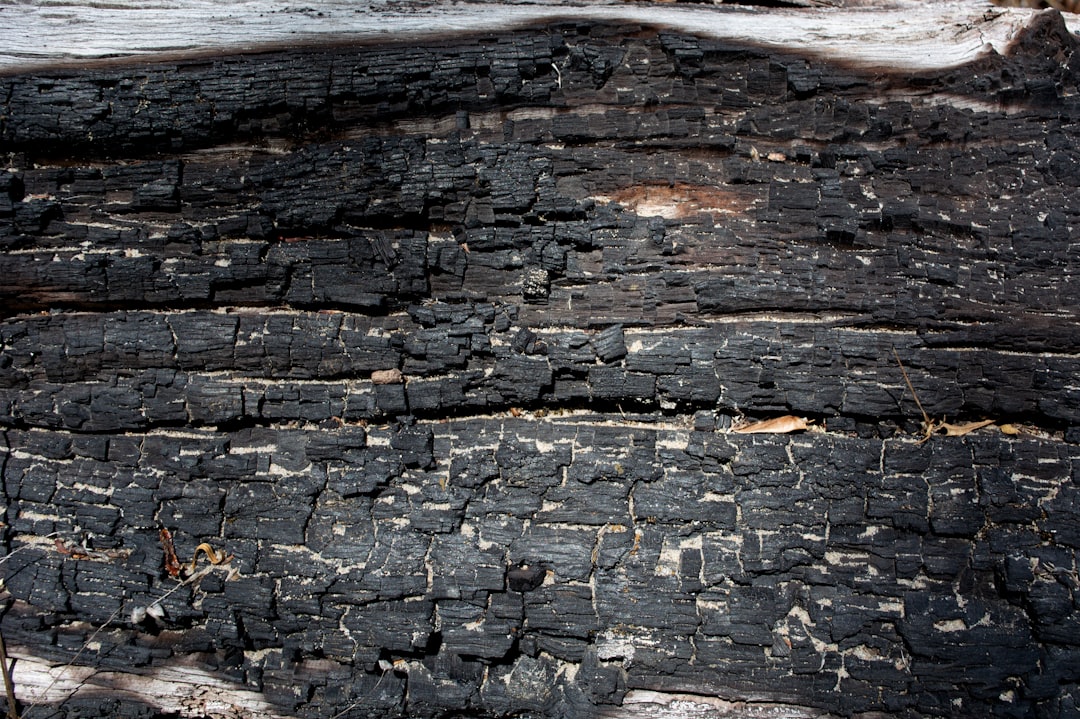
The silent sentinels of our forests, trees, hold within their rings a chronicle far richer than mere annual growth. Within their very wood, imprinted by the searing touch of flames, lies a forgotten history of wildfires. For centuries, these events have reshaped landscapes, threatened human settlements, and driven ecological change, yet their ancient occurrences have largely remained unrecorded, lost to the ephemeral nature of smoke and ash. However, a groundbreaking scientific discipline, dendrochronology, and its specialized application in studying fire scars, has begun to unlock this hidden narrative. By meticulously examining the unique marks left by fire on tree rings, scientists are now able to reconstruct fire histories spanning millennia, offering unprecedented insights into past fire regimes, their drivers, and their profound ecological and human consequences.
The story of past wildfires is etched into the very structure of trees that have survived them. When a fire sweeps through a forest, it inflicts damage upon the living tissues of trees. The intensity and duration of the heat, coupled with the direct contact of flames, can cause permanent changes that are preserved in the subsequent growth of the tree. These changes, particularly the formation of fire scars, are the key that dendrochronologists use to decipher these ancient events.
The Nature of Fire Injury
Not all trees survive a wildfire. Those that do, however, often bear the indelible marks of their struggle. The bark, the tree’s protective outer layer, is the primary point of impact. While thick bark can offer some insulation, intense heat can penetrate, damaging the cambium – the layer of actively dividing cells responsible for producing new wood and bark. This damage is crucial. When the cambium is injured or destroyed in a localized area, the tree’s subsequent growth is altered.
Scar Formation and Preservation
The most common manifestation of fire damage is a fire scar. This typically appears as a discolored, blackened, or sunken area on the surface of the wood, often accompanied by a depression or a wound that the tree attempts to seal over time. The scar itself is not the direct burning of the wood but rather the disruption of growth processes.
The Role of the Cambium
The cambium is the critical zone where fire scars are formed. When fire directly contacts the bark and heats it to a sufficient temperature, it can kill the cambium cells beneath. In the subsequent growing season, the tree will attempt to compartmentalize the wounded area. This often results in a distinct band of abnormal wood formation. Instead of producing regular, uniform cells, the tree may lay down darker, denser wood cells, or cells with altered characteristics, directly adjacent to the damaged area. This “scar tissue” is the visual signature of a fire event.
Anatomical Characteristics of Scars
Fire scars can vary in appearance depending on the severity of the fire, the species of tree, and the time of year the fire occurred. A light scorch might result in a narrow band of slightly discolored wood, while a more severe burn could lead to a significant depression or even a hollowed-out section of the trunk. The wood formed immediately after the fire event often exhibits shorter, thicker-walled cells, or cells with irregular shapes. This anatomical anomaly is readily identifiable under microscopic examination.
Overlapping Scars and Multiple Events
In forests that experience frequent fires, multiple scars can be present on a single tree, often layered one atop another. This layering is key to reconstructing fire frequency. Each distinct scar represents a separate fire event that impacted the tree. The pattern and spacing of these scars allow scientists to date these events with remarkable precision.
Factors Influencing Scarring
The degree to which a tree is scarred is not solely dependent on the fire’s intensity. Several other factors play a significant role:
Tree Species and Bark Thickness
Different tree species have varying degrees of resistance to fire. Species with thick, insulating bark, such as ponderosa pine or Douglas fir, are more likely to survive fires and exhibit scars. Trees with thin bark are often killed outright, leaving no ring record of the event.
Fire Intensity and Duration
A low-intensity surface fire might only scorch the lower portions of a tree, resulting in minor scarring. A high-intensity crown fire, however, can engulf the entire tree in flames, leading to extensive damage or death. The duration of the heat exposure also plays a crucial role.
Tree Age and Health
Younger trees with less developed bark are generally more vulnerable to fire than older, more established trees. A tree’s overall health and vigor can also influence its ability to withstand and recover from fire damage.
Tree ring fire scars provide valuable insights into the historical patterns of wildfires and their impact on forest ecosystems. By analyzing these scars, researchers can reconstruct past fire events and understand how climate change influences fire behavior. For further reading on related topics, you might find this article interesting: 8 Hot Assets to Sell Now. It discusses various aspects of environmental changes and their implications, which can complement the study of fire scars in tree rings.
The Dendrochronological Toolkit: Unlocking Time in Wood
Dendrochronology, the science of dating and studying past events through tree rings, provides the foundational methodology for interpreting fire scars. This discipline offers a precise calendar, allowing scientists to pinpoint the exact year or even season in which a fire occurred.
The Principle of Annual Growth Rings
Trees in temperate climates typically produce one growth ring per year. This ring consists of two distinct parts: earlywood, which is formed in the spring with larger, thinner-walled cells to facilitate rapid growth, and latewood, formed in the summer with smaller, thicker-walled cells for structural support. The boundary between the dark latewood of one year and the lighter earlywood of the next year is what creates the visible annual ring.
Cross-Dating: The Cornerstone of Accuracy
Cross-dating is the most critical technique in dendrochronology. It involves comparing the ring patterns of multiple trees from the same area. Even in areas unaffected by fire, subtle variations in ring width due to annual climate fluctuations (e.g., wet years producing wider rings, dry years producing narrower rings) create unique patterns. By matching these patterns across many trees, scientists can synchronize the ring chronologies and ensure that each ring is assigned to its correct year.
Establishing a Master Chronology
When analyzing fire-scarred trees, scientists first establish a master chronology for the region using non-scarred trees. This master chronology serves as an absolute calendar.
Synchronizing Scarred Trees to the Master
Once the master chronology is established, they can then precisely date the fire scars on other trees by matching their ring patterns to the master. The location of the scar within a specific ring sequence reveals the year the fire occurred.
Microscopic Examination of Fire Scars
While visible scars are important, detailed microscopic examination of the wood structure provides further confirmation and insight.
Identifying Abnormality in Cell Structure
Under a microscope, dendrochronologists look for specific anatomical anomalies within the growth rings that indicate fire damage. This includes changes in cell size, shape, and wall thickness in the latewood of a particular year, directly following the last intact ring.
Distinguishing Fire Scars from Other Wounds
It is crucial to differentiate fire scars from other types of injuries, such as insect damage, mechanical wounds, or frost cracks, which can also affect tree rings. Fire scars often have characteristic patterns of cellular disruption that are distinct from these other agents.
Dating the Season of Fire
In some cases, dendrochronologists can even determine the season in which a fire occurred.
Earlywood vs. Latewood Scarring
If a fire occurs early in the growing season, it can damage the developing earlywood. If it occurs later, it will primarily affect the latewood. The position of the scar within the annual ring provides this seasonal information. This is critical because it can reveal whether fires were primarily occurring during wet or dry periods, influencing their ecological impact.
Reconstructing Fire Histories: A Mosaic of Past Flames
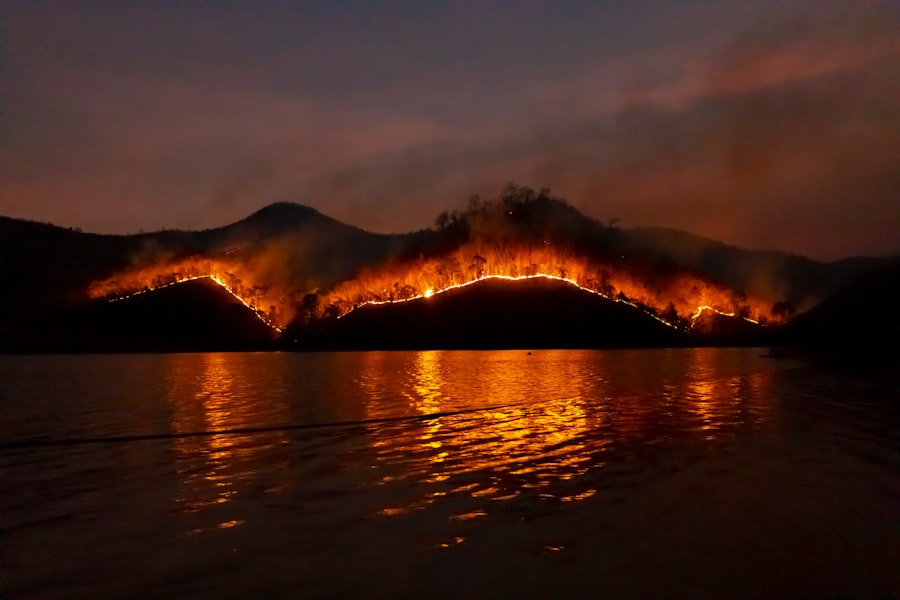
The systematic collection and analysis of fire-scarred trees from a region allow scientists to build a detailed historical record of fire events, known as a fire scar chronology. This chronology is far more than a simple list of dates; it is a powerful tool for understanding past fire regimes.
Compiling Fire Scar Data
The process begins with felling (or obtaining wood samples from dead trees) and carefully collecting increment cores or cross-sections from numerous trees within a study area. These samples are then prepared and examined for fire scars.
Sample Collection and Preparation
Increment cores, thin cylinders of wood extracted from living trees, allow for the dating of recent fire history without killing the tree. For older fire events, cross-sections from dead trees or stumps are often used. These samples are then sanded to a very smooth surface to reveal the fine details of the wood structure.
Identifying and Recording Scars
Each identifiable scar is meticulously recorded, noting its position within the ring sequence, its size, and any distinguishing features.
Building the Fire Scar Chronology
Once the scars are identified and dated on individual trees, the data from all trees in the study area are compiled to create a regional fire scar chronology.
Identifying the “Fire Years”
A “fire year” is defined as a year in which at least one tree in the study area recorded a fire scar. The more trees that show a scar in a given year, the greater the certainty that a widespread fire occurred.
Quantifying Fire Frequency and Intensity
The chronology allows for the quantification of fire frequency (how often fires occurred) and potentially fire intensity (inferred from the number and size of scars on individual trees).
Spatial Patterns of Fire
By mapping the locations of fire-scarred trees and the years they burned, scientists can also investigate the spatial patterns of past fires.
Fire Spread and Behavior
This can reveal information about how fires spread across the landscape, their typical ignition points, and their behavior under different environmental conditions.
Landscape Heterogeneity and Fire
The data can also highlight how landscape features, such as topography and vegetation type, influenced fire occurrence and spread.
Drivers of Past Wildfires: Climate, Vegetation, and Humans
Understanding when and where past fires occurred is only part of the story. Dendrochronology, combined with other paleoenvironmental data, helps scientists unravel the complex interplay of factors that drove these ancient fire events.
Climate as a Primary Influence
Climate has always been a fundamental driver of fire activity, dictating the availability of fuel and the conditions conducive to ignition and spread.
Drought and Fire Occurrence
Periods of prolonged drought, characterized by low precipitation and high temperatures, are strongly linked to increased fire frequency and intensity. Fire scar chronologies often reveal a strong correlation between periods of drought and widespread fire years.
Temperature and Fuel Moisture
Higher temperatures lead to decreased fuel moisture, making vegetation more susceptible to burning. This can also influence the rate of fire spread.
Wind Patterns and Ignition
While direct evidence of wind patterns from tree rings is limited, the spatial extent and behavior of fires recorded in scar chronologies can sometimes infer the influence of prevailing winds.
Vegetation as Fuel
The type and density of vegetation are crucial fuel sources for wildfires. Changes in vegetation composition over time can significantly alter fire regimes.
Fuel Load and Flammability
Different vegetation types have varying fuel loads (the amount of combustible material) and flammability. For instance, forests dominated by dense, dry grasses or coniferous trees tend to be more fire-prone than those with more open canopies and herbaceous undergrowth.
Historical Vegetation Shifts
By combining fire scar data with paleobotanical evidence (e.g., pollen analysis), scientists can reconstruct past vegetation changes and their influence on fire regimes.
The Human Factor: A Growing Influence
For millennia, human activities have also played a significant role in shaping fire histories, often exacerbating or even initiating fires.
Indigenous Fire Management
Indigenous peoples have long used fire as a tool for land management, for purposes such as clearing land for agriculture, promoting game animal forage, or facilitating travel. These intentional fires, often occurring during specific seasons, can leave distinct signatures in fire scar records.
Early European Settlement and Land Use Change
The arrival of European settlers often brought about dramatic changes in land use, including widespread deforestation, the introduction of new vegetation types, and increased ignition sources from activities like logging and farming.
Increasing Human-Ignited Fires
In more recent centuries, the increase in human population and associated activities has led to a dramatic rise in human-ignited fires, often with significant consequences for fire regimes.
Tree ring fire scars provide valuable insights into the historical patterns of wildfires and their impact on forest ecosystems. Researchers have utilized these natural records to understand how climate change and human activity influence fire frequency and intensity. For those interested in exploring the broader implications of ancient technologies and their relationship with the environment, a fascinating article can be found at this link, which delves into what we may have lost in our understanding of nature’s balance.
Ecological and Societal Impacts of Historical Wildfires
| Tree Species | Number of Fire Scars | Location |
|---|---|---|
| Ponderosa Pine | 25 | Rocky Mountains |
| Douglas Fir | 18 | Pacific Northwest |
| White Oak | 12 | Appalachian Mountains |
The historical record of wildfires, unveiled through tree ring scars, reveals the profound and often cyclical impacts these events have had on ecosystems and human societies. Understanding these past impacts is crucial for informing present-day fire management and ecological restoration efforts.
Ecosystem Dynamics and Resilience
Wildfires are a natural and often integral part of many ecosystems. Historical fire regimes have shaped the evolution of plant and animal communities, influencing their structure, composition, and resilience.
Seed Dispersal and Germination
Many plant species have evolved adaptations to fire, requiring its heat or smoke to trigger seed germination or release seeds from cones. Historical fire patterns have thus dictated the distribution and abundance of these species.
Nutrient Cycling and Soil Health
Wildfires play a vital role in nutrient cycling, releasing nutrients locked up in dead organic matter back into the soil. Historical fire regimes have influenced the long-term health and fertility of forest soils.
Biodiversity and Habitat Creation
Fire can create a mosaic of habitats with varying ages and structures, promoting biodiversity. Areas that have burned recently may support pioneer species, while older, unburned areas may harbor different communities.
Long-Term Landscape Transformation
Over millennia, recurring wildfires have sculpted landscapes, influencing their physical form and ecological processes.
Forest Structure and Composition
Historical fire regimes have shaped the dominant tree species, forest density, and understory composition. For example, frequent low-intensity fires in pine forests can maintain open stands by killing less fire-resistant hardwoods and clearing out accumulated undergrowth.
Soil Erosion and Hydrology
The removal of vegetation by fire can temporarily increase soil erosion and alter local hydrology. Historical fire patterns have influenced the susceptibility of landscapes to these processes.
Human Vulnerability and Adaptation
Throughout history, human settlements have coexisted with fire, and historical fire records provide valuable insights into human vulnerability and adaptation strategies.
Impacts on Human Settlements and Livelihoods
Major historical fires have undoubtedly led to the destruction of settlements, loss of life, and devastation of agricultural lands and resources. Understanding the frequency and intensity of these events helps assess historical human risk.
Traditional Knowledge and Fire Management Practices
The recurring nature of fires in many regions led to the development of traditional knowledge and practices among indigenous and local communities for living with and managing fire. These practices, often passed down through generations, represent a valuable repository of information.
The Evolution of Fire Suppression
The study of historical fire scar data also provides context for the evolution of fire suppression policies. Understanding what constitutes a “natural” fire regime helps inform decisions about when and how to intervene in modern fire events.
Tree ring fire scars provide valuable insights into historical fire events and climate conditions, revealing how ecosystems have adapted over time. Understanding these natural records can be crucial for effective forest management and fire prevention strategies. For those interested in enhancing their preparedness for emergencies, including wildfires, you might find this article on preparing your home for national emergencies particularly useful. It offers essential tips that can help safeguard your property and ensure your safety in the face of such natural disasters.
The Future of Fire: Lessons from the Past
The insights gleaned from studying historical fire scars are not merely academic curiosities. They offer invaluable lessons for navigating the challenges of a changing climate and managing forests in an era of increasing wildfire activity.
Informing Modern Fire Management Strategies
Understanding past fire regimes—their frequency, intensity, and spatial extent—provides a baseline against which modern fire activity can be compared. This helps managers distinguish between natural fire behavior and the impacts of human activities and climate change.
Reintroduction of Prescribed Burning
Recognizing that many ecosystems historically experienced frequent fires, dendrochronological data supports the reintroduction of prescribed burning as a tool to restore more natural fire regimes, reduce fuel loads, and promote forest health.
Landscape-Level Fire Planning
By understanding historical fire spread patterns, managers can develop more effective landscape-level fire planning strategies, identifying areas that are more susceptible to extreme fire behavior and developing mitigation measures.
Understanding Climate Change Impacts on Fire
The precise dating of fire events through tree rings allows scientists to correlate historical fire activity with past climate fluctuations. This provides a powerful means of understanding how climate change, particularly increased temperatures and altered precipitation patterns, is influencing and likely will continue to influence wildfire regimes in the future.
Predicting Future Fire Behavior
By studying how past climate shifts impacted fire occurrence, researchers can develop more robust models to predict future fire behavior under various climate change scenarios. This information is crucial for resource management and disaster preparedness.
Ecological Restoration and Resilience
The knowledge of historical fire’s role in shaping ecosystems is essential for guiding ecological restoration efforts. Understanding how natural fire cycles contributed to forest resilience can inform strategies to help forests adapt to changing fire conditions and recover from extreme events.
The Enduring Legacy of Trees
The humble tree ring, once a simple indicator of age, has become a sophisticated archive of planetary history. Through the silent testament of fire scars, these ancient organisms allow us to peer into a past teeming with flames, revealing the intricate dance between fire, climate, vegetation, and humanity. As we face an increasingly fiery future, the lessons etched in these woody chronicles offer not just knowledge, but a vital roadmap for preserving the health and resilience of our natural world. The enduring legacy of these scarred sentinels compels us to listen to their stories and act upon their wisdom.
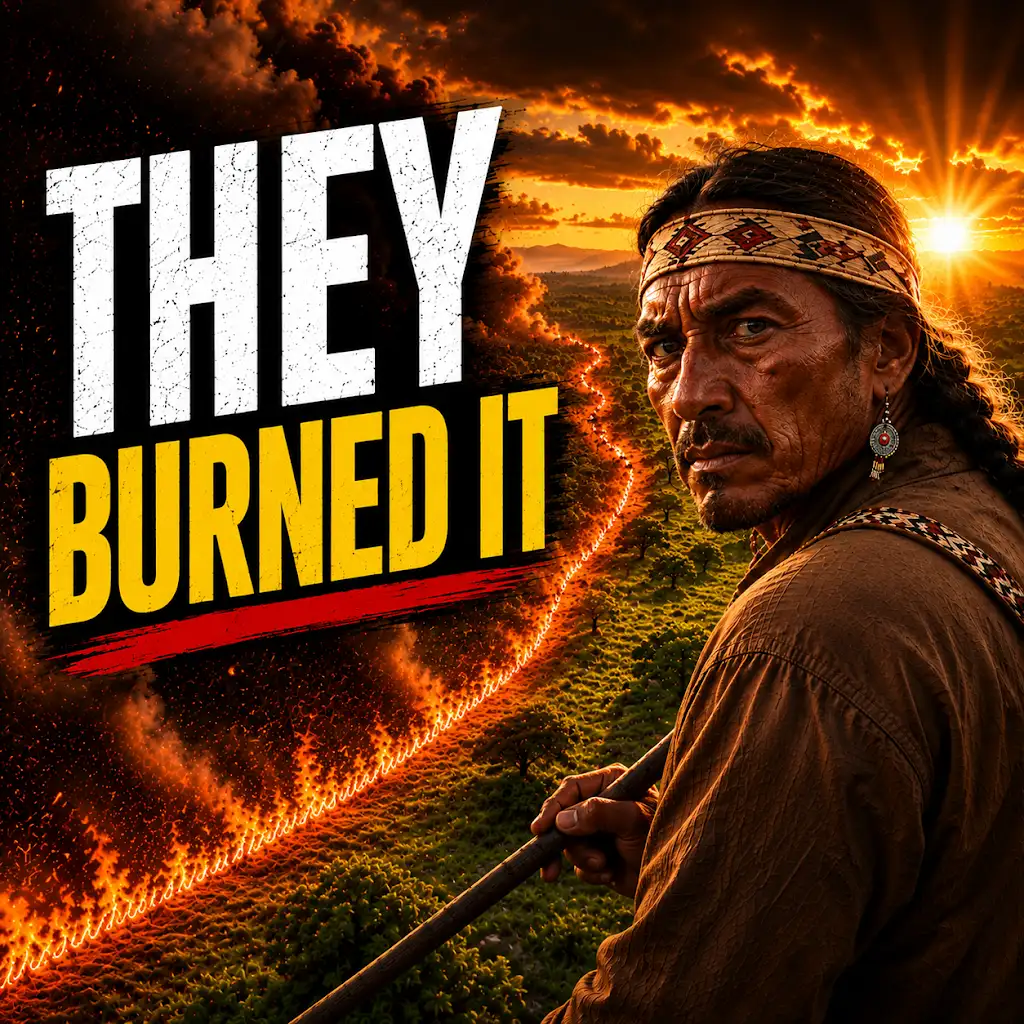
The Wilderness Was Engineered
FAQs
What are tree ring fire scars?
Tree ring fire scars are marks left on the tree’s annual growth rings as a result of a fire. These scars can be used to determine the frequency and intensity of past fires in a specific area.
How do tree ring fire scars form?
When a fire burns the outer bark of a tree, it leaves a visible scar on the tree’s annual growth rings. The scarred rings appear darker and narrower compared to the unaffected rings, providing a record of the fire’s occurrence.
What information can be obtained from tree ring fire scars?
Tree ring fire scars can provide valuable information about the history of fires in a particular area, including the frequency, intensity, and seasonality of past fires. This information can be used to understand the fire ecology of a region and inform fire management strategies.
How are tree ring fire scars used in research?
Researchers use tree ring fire scars to reconstruct historical fire regimes and study the impact of fires on forest ecosystems. By analyzing the patterns of fire scars in tree rings, researchers can gain insights into the long-term dynamics of fire in a given area.
Can tree ring fire scars be used to predict future fire behavior?
While tree ring fire scars provide valuable information about past fire activity, they are not a reliable tool for predicting future fire behavior. Other factors such as climate, vegetation, and human activity also play a significant role in determining fire behavior.