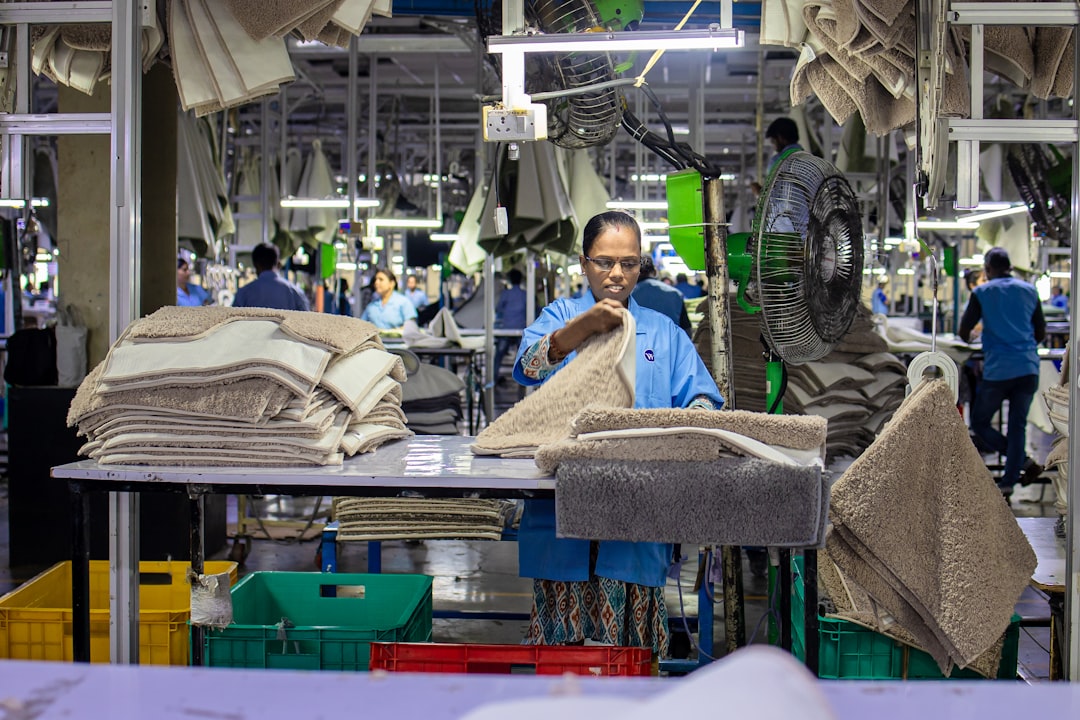
In recent years, the global manufacturing landscape has undergone significant transformations, with many companies reevaluating their supply chain strategies. A notable trend has emerged: the shift of manufacturing supply chains to India. This movement is not merely a reaction to rising costs in traditional manufacturing powerhouses but is also driven by a confluence of factors that position India as an attractive alternative.
As businesses seek to enhance resilience, reduce costs, and tap into new markets, India has increasingly become a focal point for manufacturing operations. The shift to India is emblematic of broader changes in global trade dynamics. With its vast labor pool, improving infrastructure, and a burgeoning middle class, India presents a compelling case for companies looking to optimize their supply chains.
This article delves into the various dimensions of this shift, exploring the rise of India as a manufacturing hub, the advantages and challenges associated with this transition, and the implications for global trade.
Key Takeaways
- India is emerging as a major manufacturing hub due to cost advantages and government support.
- Shifting supply chains to India offers benefits like lower labor costs and access to a large domestic market.
- Challenges include infrastructure gaps, regulatory complexities, and supply chain risks.
- Government initiatives such as Make in India and production-linked incentives are boosting manufacturing growth.
- Technology and innovation play a crucial role in enhancing India’s manufacturing capabilities and global competitiveness.
The Rise of India as a Manufacturing Hub
India’s ascent as a manufacturing hub can be traced back to several key developments that have reshaped its economic landscape. Over the past decade, the country has made concerted efforts to enhance its manufacturing capabilities through initiatives such as “Make in India,” which aims to encourage both domestic and foreign companies to manufacture products within its borders. This initiative has not only attracted investment but has also fostered a culture of innovation and entrepreneurship.
Moreover, India’s demographic advantage cannot be overlooked. With a population exceeding 1.4 billion, the country boasts a young workforce that is increasingly skilled and adaptable. This demographic dividend positions India favorably against aging populations in other manufacturing nations.
As companies seek to leverage this talent pool, they find that India’s workforce is not only cost-effective but also increasingly proficient in technology and engineering disciplines.
Advantages of Shifting Manufacturing Supply Chain to India
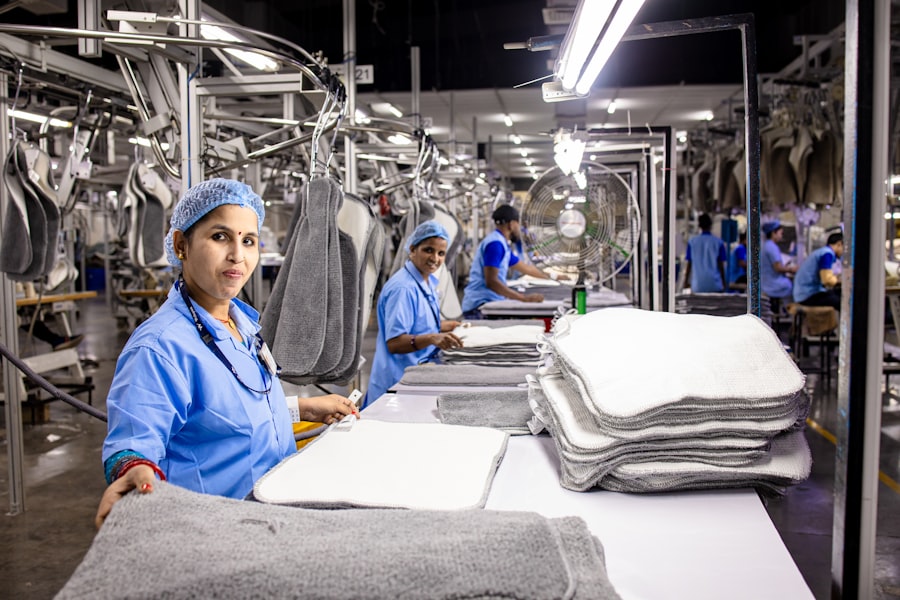
The advantages of relocating manufacturing supply chains to India are manifold. One of the most significant benefits is cost efficiency. Labor costs in India are considerably lower than in many Western countries and even some Asian neighbors, allowing companies to reduce production expenses significantly.
This cost advantage is particularly appealing for industries that rely heavily on labor-intensive processes. In addition to cost savings, India offers access to a rapidly growing consumer market. As the middle class expands, so does the demand for various products, from electronics to automobiles.
This dual advantage of local consumption and export potential makes India an attractive destination for manufacturers looking to expand their footprint.
Challenges and Risks of Shifting Manufacturing Supply Chain to India
| Challenge/Risk | Description | Impact | Mitigation Strategies |
|---|---|---|---|
| Infrastructure Deficiencies | Inadequate transportation, power supply, and logistics infrastructure. | Delays in production and increased operational costs. | Invest in private infrastructure, partner with local firms, and use government incentives. |
| Regulatory Complexity | Complex and evolving regulations, including labor laws and environmental standards. | Compliance risks and potential legal penalties. | Engage local legal experts and maintain continuous regulatory monitoring. |
| Skilled Labor Shortage | Limited availability of skilled workers in certain manufacturing sectors. | Reduced productivity and quality issues. | Implement training programs and collaborate with educational institutions. |
| Supply Chain Disruptions | Vulnerability to local disruptions such as strikes, political instability, or natural disasters. | Production halts and increased lead times. | Diversify suppliers and develop contingency plans. |
| Intellectual Property Risks | Concerns over IP protection and enforcement. | Potential loss of proprietary technology and competitive advantage. | Use strong contracts, local legal support, and technology safeguards. |
| Cultural and Communication Barriers | Differences in business culture and language challenges. | Misunderstandings and inefficiencies in operations. | Cross-cultural training and hiring bilingual managers. |
| Cost Volatility | Fluctuations in raw material prices, labor costs, and currency exchange rates. | Unpredictable manufacturing expenses. | Long-term contracts and financial hedging strategies. |
Despite the numerous advantages, shifting manufacturing supply chains to India is not without its challenges and risks.
While the government has made strides in simplifying processes, bureaucratic hurdles still exist, which can lead to delays and increased costs for businesses attempting to establish operations.
Additionally, infrastructure remains a critical issue. Although improvements have been made in recent years, India’s transportation and logistics networks still face challenges such as congestion and inefficiencies. These infrastructural limitations can hinder timely delivery of raw materials and finished goods, impacting overall productivity.
Companies must carefully assess these risks and develop strategies to mitigate them when considering a move to India.
Government Initiatives and Policies Supporting Manufacturing in India
The Indian government has recognized the importance of manufacturing as a driver of economic growth and job creation. To support this sector, it has implemented various initiatives aimed at attracting investment and fostering a conducive environment for businesses. The “Make in India” campaign is perhaps the most prominent example, promoting domestic manufacturing across multiple sectors while encouraging foreign direct investment (FDI).
In addition to “Make in India,” the government has introduced policies such as Production-Linked Incentives (PLI) that provide financial incentives for companies to boost production in specific industries. These initiatives are designed not only to enhance competitiveness but also to create jobs and stimulate economic development in various regions of the country. By actively supporting manufacturing through policy frameworks, the Indian government aims to position the country as a global manufacturing powerhouse.
Impact of Manufacturing Supply Chain Shift on Global Trade

The shift of manufacturing supply chains to India has far-reaching implications for global trade dynamics. As companies relocate production facilities, they contribute to a diversification of supply sources, reducing reliance on traditional manufacturing hubs like China. This shift is particularly relevant in light of recent geopolitical tensions and trade disputes that have prompted businesses to seek more stable and reliable alternatives.
Furthermore, India’s emergence as a manufacturing hub can lead to increased competition in global markets. As Indian manufacturers ramp up production capabilities, they may challenge established players from other countries, driving innovation and potentially lowering prices for consumers worldwide. This competitive landscape can reshape industry standards and practices, ultimately benefiting consumers through improved product offerings.
Case Studies of Successful Manufacturing Supply Chain Shifts to India
Several companies have successfully navigated the transition of their manufacturing supply chains to India, serving as case studies for others considering similar moves. For instance, global electronics giant Samsung has made significant investments in its manufacturing facilities in Noida, Uttar Pradesh. By establishing a robust production base in India, Samsung has not only catered to local demand but has also positioned itself as a key player in the export market.
Another notable example is Ford Motor Company, which has expanded its manufacturing footprint in India over the years. By leveraging India’s skilled workforce and cost advantages, Ford has been able to produce vehicles tailored to local preferences while maintaining competitive pricing. These case studies highlight how strategic investments and localized production can yield substantial benefits for multinational corporations operating in India.
Key Industries Driving the Manufacturing Shift to India
Several key industries are driving the shift of manufacturing supply chains to India, each contributing uniquely to the country’s economic landscape. The electronics sector stands out as one of the most dynamic areas, with companies like Apple and Xiaomi establishing production facilities in response to growing demand for consumer electronics. This trend is further fueled by government incentives aimed at boosting local production.
The automotive industry is another critical player in India’s manufacturing shift. With a burgeoning middle class seeking affordable vehicles, automakers are increasingly investing in local production capabilities. Companies such as Tata Motors and Mahindra & Mahindra have expanded their operations significantly, catering not only to domestic markets but also exporting vehicles to other countries.
The Role of Technology and Innovation in India’s Manufacturing Sector
Technology and innovation play pivotal roles in shaping India’s manufacturing sector as it evolves into a global hub. The adoption of advanced technologies such as automation, artificial intelligence (AI), and the Internet of Things (IoT) is transforming traditional manufacturing processes into smart factories that enhance efficiency and productivity. These technological advancements enable manufacturers to optimize operations while reducing waste and costs.
Moreover, India’s vibrant startup ecosystem is fostering innovation across various sectors. Startups focused on developing cutting-edge solutions for manufacturing challenges are emerging rapidly, contributing to a culture of continuous improvement and adaptation within the industry. As technology continues to advance, Indian manufacturers are well-positioned to leverage these innovations for competitive advantage on the global stage.
Strategies for Companies Considering Shifting their Manufacturing Supply Chain to India
For companies contemplating a shift of their manufacturing supply chain to India, several strategies can facilitate a successful transition. First and foremost, conducting thorough market research is essential to understand local consumer preferences, regulatory requirements, and competitive dynamics. Engaging with local partners or consultants can provide valuable insights into navigating the complexities of doing business in India.
Additionally, companies should prioritize building strong relationships with local suppliers and stakeholders. Establishing a robust network can enhance supply chain resilience and ensure timely access to materials and resources. Furthermore, investing in employee training and development will be crucial for harnessing the potential of India’s skilled workforce while fostering a culture of innovation within the organization.
Future Outlook for India’s Manufacturing Supply Chain
The future outlook for India’s manufacturing supply chain appears promising as the country continues to position itself as a global player in this arena. With ongoing government support, an expanding consumer market, and advancements in technology, India is poised for sustained growth in its manufacturing sector. As companies increasingly recognize the benefits of diversifying their supply chains away from traditional hubs, India’s role is likely to become even more significant.
Moreover, as global trends such as sustainability and digital transformation gain traction, Indian manufacturers are adapting by embracing eco-friendly practices and leveraging digital technologies. This adaptability will be crucial in meeting evolving consumer demands while remaining competitive on the international stage. In conclusion, India’s journey as a manufacturing hub is just beginning, with vast potential waiting to be unlocked as businesses continue to explore opportunities within this dynamic landscape.
As companies continue to navigate the complexities of global manufacturing, many are considering a strategic shift in their supply chains to India. This transition is driven by factors such as cost efficiency, skilled labor availability, and favorable government policies. For a deeper understanding of the implications and opportunities associated with this shift, you can read more in the article available at Real Lore and Order.
WATCH THIS! Why The West Is Losing Its Best Minds
FAQs
What is driving the manufacturing supply chain shift to India?
The shift is driven by factors such as rising labor costs in China, India’s large skilled workforce, government incentives, and the desire for supply chain diversification to reduce dependency on a single country.
Which industries are most affected by the supply chain shift to India?
Industries such as electronics, automotive, pharmaceuticals, textiles, and consumer goods are increasingly relocating manufacturing and supply chain operations to India.
What advantages does India offer for manufacturing supply chains?
India offers advantages including a large and young labor pool, competitive labor costs, improving infrastructure, government initiatives like “Make in India,” and a growing domestic market.
Are there any challenges associated with shifting supply chains to India?
Yes, challenges include infrastructure bottlenecks, regulatory complexities, logistical issues, and the need for skill development in certain sectors.
How is the Indian government supporting the manufacturing supply chain shift?
The government supports the shift through policies such as tax incentives, infrastructure development, ease of doing business reforms, and initiatives like the Production Linked Incentive (PLI) scheme.
How does shifting supply chains to India impact global trade?
Shifting supply chains to India diversifies global manufacturing bases, potentially reducing risks from geopolitical tensions and supply disruptions, and can alter trade flows and partnerships.
What role does technology play in India’s manufacturing supply chain growth?
Technology adoption, including automation, digital supply chain management, and Industry 4.0 practices, is enhancing efficiency and competitiveness in India’s manufacturing sector.
Is India becoming a preferred alternative to China for manufacturing?
India is increasingly seen as a viable alternative due to cost advantages, market potential, and strategic initiatives, though China remains a dominant manufacturing hub.
How long does it typically take for companies to shift their supply chains to India?
The timeline varies widely depending on the industry, scale, and complexity, ranging from several months to a few years for full transition.
What impact does the supply chain shift have on India’s economy?
The shift contributes to job creation, infrastructure development, increased foreign investment, and overall economic growth in India.