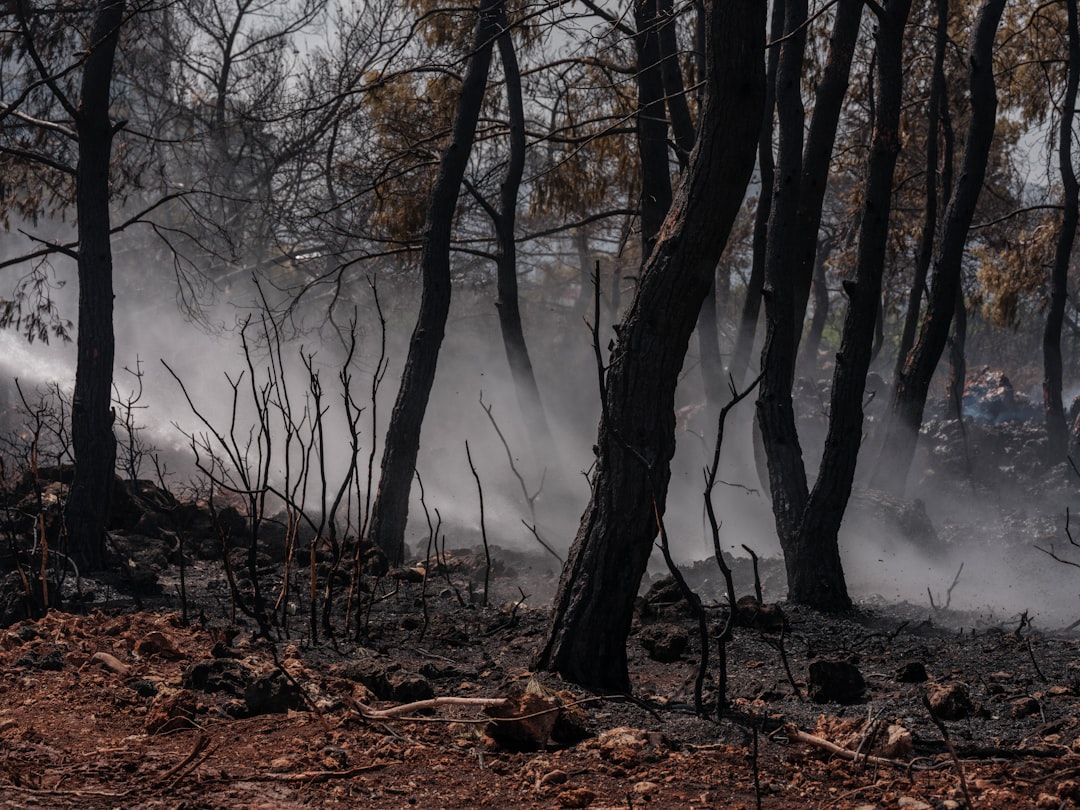
The crackle of flames, the scent of smoke, and the emergent green shoots that follow – these are the hallmarks of a practice as old as human civilization itself, yet often misunderstood by the modern world. For Indigenous peoples across the globe, the intentional burning of forests is not an act of destruction, but a sophisticated and time-tested method of sustainable land management. Far from being a chaotic wildfire, these controlled burns are meticulously planned and executed, serving a multitude of ecological, social, and cultural purposes that have shaped landscapes and ecosystems for millennia. Understanding this practice requires shedding preconceived notions of fire as solely a destructive force and embracing its vital role in maintaining the health and biodiversity of the lands Indigenous communities have stewarded for generations.
The relationship between Indigenous peoples and fire is not a recent development. It is woven into the very fabric of their cultural identities, spiritual beliefs, and ancestral knowledge systems. For countless generations, communities have observed, adapted to, and actively participated in the natural cycles of their environments, recognizing fire as an integral component of ecological processes. This deep understanding, passed down through oral traditions, storytelling, and direct mentorship, informs every aspect of their land management practices, including burning.
Ancient Knowledge and Intergenerational Transmission
The knowledge of how, when, and why to burn is not codified in academic textbooks but resides within the lived experiences and collective memory of Indigenous elders and practitioners. This knowledge encompasses an intimate understanding of fuel loads, weather patterns, soil types, and the specific responses of various plant and animal species to fire. Elders spend years, even decades, observing the landscape, learning the subtle cues that indicate the opportune moment for a burn and the precise techniques required to achieve desired outcomes. This wisdom is then meticulously transmitted to younger generations through a process of apprenticeship and hands-on learning, ensuring the continuity of these vital practices. The language itself often holds the nuances of this knowledge, with specific terms describing different fire intensities, durations, and their effects on the ecosystem.
Spiritual and Cosmological Significance
For many Indigenous cultures, fire is not merely a tool but a sacred element with profound spiritual and cosmological significance. It is seen as a purifier, a cleanser, and a force that facilitates renewal. In some traditions, the act of burning is a form of prayer, a way of communicating with the spirits of the land and the ancestors, seeking their guidance and blessing for the health of the ecosystem. The smoke rising from a controlled burn can be interpreted as a message, carrying intentions and aspirations to the spiritual realm. This spiritual connection imbues the practice with a deep sense of responsibility and respect for the land, ensuring that burns are conducted with reverence and in harmony with the natural world.
Indigenous people have long utilized controlled burns as a sustainable method for managing forests and promoting biodiversity. This practice not only helps to clear underbrush but also encourages the growth of certain plants that are vital for their communities. For a deeper understanding of historical practices and their significance, you can explore the article on the enigmatic Queen Maud Land coastline, which delves into ancient navigation and environmental stewardship: Exploring the Enigmatic Queen Maud Land Coastline: Unraveling the Piri Reis Mystery.
Ecological Benefits: Cultivating Biodiversity and Resilience
The primary driver behind Indigenous burning practices is the profound ecological benefits they confer. These burns are not about clearing land for agriculture in the modern sense, but about actively shaping and enhancing the natural environment to foster a diverse and resilient ecosystem that can thrive in the face of natural disturbances.
Promoting Plant Diversity and Structure
Controlled fires, when applied at the right intensity and frequency, can create a mosaic of habitats within a landscape. By clearing out dense undergrowth and removing accumulated dead vegetation, fire opens up the canopy, allowing sunlight to reach the forest floor. This stimulates the germination of seeds that require fire for their release or for the removal of inhibitory compounds. Many plant species, particularly grasses and certain wildflowers, have evolved to thrive in frequently burned environments, with their seeds lying dormant in the soil until ignited. This process prevents the dominance of a few shade-tolerant species, leading to a richer diversity of plant life. The varying intensities of burns also create different forest structures, from open woodlands to more dense thickets, providing niches for a wider array of flora and fauna.
Managing Fuel Loads and Preventing Catastrophic Wildfires
One of the most critical ecological services provided by Indigenous burning is the management of fuel loads. Over time, dead leaves, fallen branches, and dry undergrowth accumulate on the forest floor, creating a highly combustible material. Without periodic burning, this accumulation can lead to devastating wildfires that are difficult to control and can have long-lasting negative impacts on the ecosystem. Indigenous burns, by removing this excess fuel in a controlled manner, significantly reduce the risk of large, uncontrolled wildfires. This is a proactive approach to fire management, working with the natural fire regimes rather than against them. The timing of these burns is crucial, often occurring during periods of lower fire risk, such as the wet season or when humidity is higher, to ensure the fire stays within desired boundaries.
Enhancing Wildlife Habitat and Food Sources
The ecological benefits of burning extend directly to wildlife. The clearing of dense undergrowth by fire can improve visibility for grazing animals, making it easier for them to find food and detect predators. The ash left behind after a fire is rich in nutrients, fertilizing the soil and promoting the growth of nutrient-rich grasses and forbs that are vital food sources for many herbivores. Furthermore, the creation of diverse habitats through mosaic burning provides shelter and breeding grounds for a variety of species. Certain animals, like some species of birds and reptiles, are adapted to or even rely on the post-fire environment for nesting and foraging. The regeneration of plants following a burn also creates new food sources, supporting a healthy and balanced wildlife population.
Socioeconomic and Cultural Benefits: Sustaining Livelihoods and Identity
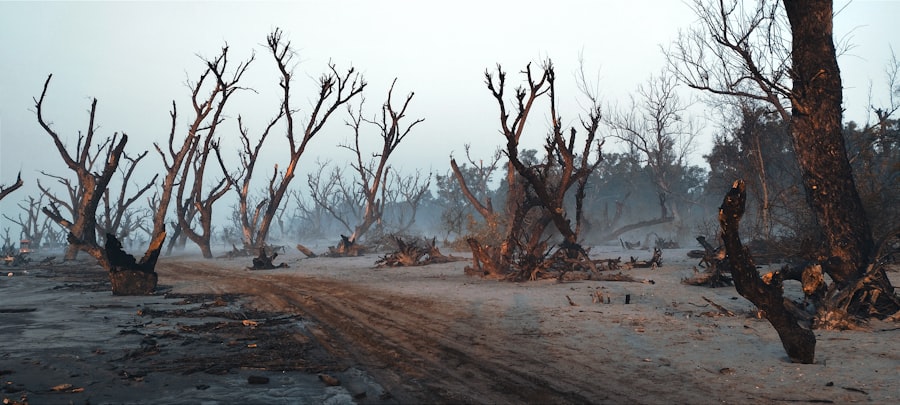
Beyond the ecological advantages, Indigenous burning practices are deeply intertwined with the social and cultural well-being of communities, supporting livelihoods, preserving traditions, and reinforcing their connection to the land.
Sustaining Traditional Food and Resource Gathering
For many Indigenous communities, the forest is a pantry, providing essential food and medicinal resources. Burning plays a crucial role in maintaining the productivity of these resources. For example, burns can be used to encourage the growth of edible berries, roots, and tubers. The clearing of dense vegetation can make it easier to find and harvest medicinal plants, some of which require fire to germinate or flourish. Traditional hunting practices are also supported by burning, as it can create open areas that attract game animals or improve visibility for tracking. These practices are not extractive in a harmful way; rather, they are about actively cultivating and managing the landscape to ensure a sustainable supply of resources for the community.
Maintaining Cultural Landscapes and Heritage Sites
The landscapes managed by Indigenous peoples are not just natural environments; they are living cultural heritage sites. Traditional burning practices have shaped these landscapes over millennia, creating specific patterns of vegetation and land use that are recognized and understood by the community. These cultural landscapes are imbued with ancestral stories, sacred sites, and historical markers. Controlled burns can help to maintain the visibility and accessibility of these sites, preventing them from being overgrown and lost to time. The practice itself is a form of cultural continuity, a living tradition that connects contemporary generations to their ancestors and their heritage.
Community Cohesion and Knowledge Sharing
The act of conducting a controlled burn is often a communal endeavor. It requires the collective effort of many individuals, bringing together different generations and skill sets. This shared responsibility fosters a strong sense of community cohesion and reinforces social bonds. Elders lead, sharing their knowledge and guiding younger participants, while younger members bring physical strength and new perspectives. This collaborative approach to land management not only ensures the successful execution of the burn but also serves as a vital platform for knowledge sharing and cultural transmission, strengthening the intergenerational connections within the community.
Modern Challenges and the Revitalization of Traditional Burning
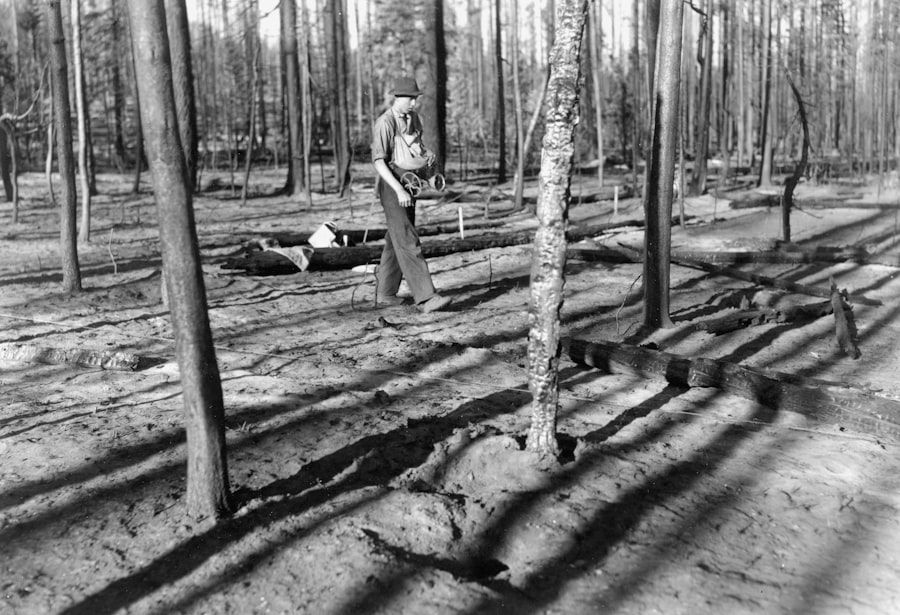
Despite the proven efficacy and deep cultural significance of Indigenous burning, these practices face numerous challenges in the modern era, often stemming from historical suppression, land dispossession, and the imposition of Western land management paradigms. However, there is a growing movement to revitalize and reintegrate these traditional methods.
Historical Suppression and Misunderstandings
For much of the colonial and post-colonial period, Indigenous burning practices were actively suppressed by colonial governments and land management agencies. These practices were often misconstrued as primitive or destructive, leading to the criminalization of Indigenous peoples and the loss of their traditional land management knowledge. The establishment of fire suppression policies, designed to prevent all fires, further alienated Indigenous communities from their ancestral practices and contributed to the buildup of hazardous fuel loads in many areas. This historical suppression has had a profound and lasting impact on both the land and the cultural identity of Indigenous peoples.
Land Dispossession and Loss of Access
The dispossession of Indigenous peoples from their ancestral lands has been a major impediment to the continuation of traditional burning practices. Without access to their traditional territories, communities are unable to exercise their customary land management rights and responsibilities. This loss of access not only disconnects them from the land but also fragments the knowledge and social structures that supported these practices. The ability to freely move across and manage their territories is fundamental to the successful implementation of controlled burning.
The Rise of Indigenous Fire Practitioners and Revitalization Efforts
In recent decades, there has been a significant and inspiring movement towards the revitalization of Indigenous burning practices. Across the globe, Indigenous communities are actively reclaiming their traditional knowledge and advocating for the recognition and integration of their fire management methods. This includes the establishment of Indigenous fire crews, the development of educational programs, and the collaboration with scientists and land management agencies to share knowledge and implement culturally appropriate burning strategies. These efforts are not only about restoring ecological health but also about asserting Indigenous sovereignty and cultural resilience.
Indigenous people have long utilized controlled burns as a method to manage forests and promote the growth of certain plants, a practice that has been crucial for their cultural and ecological sustainability. This technique not only helps in maintaining biodiversity but also reduces the risk of larger, uncontrolled wildfires. For a deeper understanding of how traditional practices intersect with modern legal frameworks, you can explore this insightful article on property rights in the context of lunar mining, which highlights the importance of recognizing indigenous knowledge systems in various domains. To read more about this, visit this article.
The Path Forward: Integrating Traditional Knowledge with Modern Science
| Reasons for Indigenous Forest Burning | Metrics |
|---|---|
| Land Clearing for Agriculture | Percentage of forest area cleared for agriculture |
| Traditional Land Management | Frequency of controlled burns for ecosystem maintenance |
| Cultural and Spiritual Practices | Number of sacred sites or cultural significance of burned areas |
| Wildlife Habitat Management | Impact on biodiversity and wildlife population dynamics |
The future of sustainable land management lies in the respectful and collaborative integration of Indigenous traditional ecological knowledge with Western scientific approaches. This synergy offers the potential to address complex environmental challenges more effectively and to foster healthier, more resilient landscapes.
Collaborative Research and Knowledge Exchange
There is a growing recognition of the immense value of Indigenous traditional ecological knowledge (TEK) in informing modern conservation and land management strategies. Collaborative research projects that bring together Indigenous knowledge holders and Western scientists are crucial for fostering mutual understanding and developing innovative solutions. These collaborations should be conducted in a manner that respects Indigenous intellectual property rights and ensures that benefits are shared equitably. The exchange of knowledge can lead to a more holistic understanding of ecosystem dynamics, recognizing the intricate relationships between fire, plants, animals, and human activities.
Policy Reform and Recognition of Indigenous Rights
For Indigenous burning practices to flourish, supportive policy frameworks are essential. This includes the reform of land management policies to recognize and incorporate Indigenous rights and customary practices. Governments and land management agencies need to actively engage with Indigenous communities, empower them to manage their territories, and provide the resources and support necessary for them to implement their traditional burning practices. This may involve de-stigmatizing controlled burning, facilitating access to traditional lands, and supporting Indigenous-led fire management initiatives.
Educating the Public and Shifting Perceptions
A crucial aspect of revitalizing Indigenous burning practices is educating the broader public about their ecological and cultural significance. By dispelling the myths and misconceptions surrounding fire, and by highlighting the benefits of controlled burning, it is possible to shift public perception from fear to understanding and appreciation. This can be achieved through public awareness campaigns, educational programs in schools, and the showcasing of successful Indigenous-led land management initiatives. A more informed public can become a powerful advocate for the recognition and support of these vital ancient practices.
In conclusion, the practice of Indigenous burning is a testament to the profound wisdom and deep connection Indigenous peoples have with their environments. It is a sophisticated system of land management that has sustained diverse and resilient ecosystems for millennia. By embracing this ancient knowledge, fostering collaboration, and enacting supportive policies, humanity can learn from Indigenous peoples to cultivate healthier lands, richer biodiversity, and stronger cultural legacies for generations to come. The crackling flames, when guided by ancestral wisdom, are not a harbinger of destruction, but a promise of renewal and a powerful symbol of sustainable stewardship.
The Wilderness Was Engineered
FAQs
1. Why did Indigenous people burn forests?
Indigenous people used controlled burns to manage the land for various purposes such as hunting, agriculture, and promoting the growth of certain plant species.
2. How did burning forests benefit Indigenous communities?
Burning forests helped Indigenous communities by clearing land for agriculture, promoting the growth of certain plant species, and creating open areas for hunting and gathering.
3. Did burning forests have any environmental benefits?
Yes, burning forests had environmental benefits such as promoting biodiversity, reducing the risk of larger, uncontrolled wildfires, and cycling nutrients back into the soil.
4. What impact did the arrival of European settlers have on Indigenous burning practices?
The arrival of European settlers led to the suppression of Indigenous burning practices, which disrupted the natural ecosystem and contributed to the buildup of fuel for larger, more destructive wildfires.
5. Are Indigenous burning practices still relevant today?
Yes, Indigenous burning practices are still relevant today as they can help manage forests, reduce the risk of catastrophic wildfires, and promote the health of ecosystems. Efforts are being made to incorporate traditional Indigenous knowledge into modern land management practices.