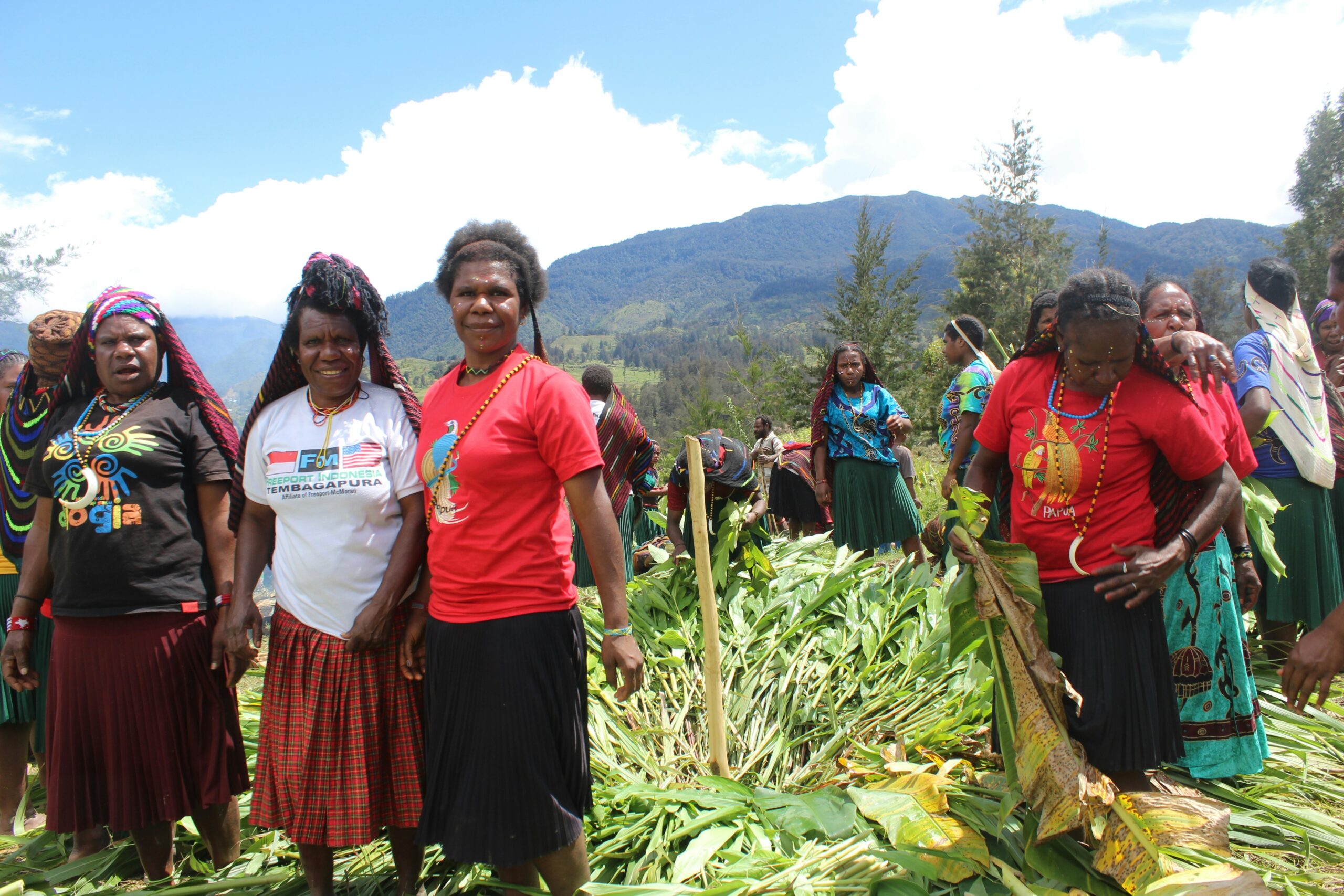
Indigenous land stewardship, prior to widespread European colonization, represented a profound and intricate relationship between Indigenous peoples and their ancestral territories. This was not merely an extractive or utilitarian interaction, but a holistic philosophy deeply woven into cultural, spiritual, and social fabrics. It was a legacy of harmony, characterized by profound ecological knowledge, sustainable practices, and a spiritual reverence for the natural world. This era offers invaluable insights into responsible land management, demonstrating a model of coexistence that sustained ecosystems and societies for millennia.
The stewardship of Indigenous lands before colonization was not accidental; it was built upon an extraordinarily deep and nuanced understanding of the natural world. This knowledge was not theoretical but experiential, passed down through generations via oral traditions, storytelling, ceremony, and direct observation. It encompassed an intricate understanding of plant life, animal behavior, soil health, water cycles, and the interconnectedness of all living things.
Understanding Local Ecosystems Intimately
Indigenous peoples possessed an encyclopedic knowledge of their specific ecological zones. They understood the subtle indicators of seasonal change, the migration patterns of animals, the germination requirements of plants, and the precise timing for harvesting. This was not a generalized knowledge but highly localized, recognizing the unique characteristics of their territories. For example, a coastal community would have a detailed understanding of marine life, tidal patterns, and the sustainable harvesting of shellfish and fish, while a forest-dwelling group would possess intricate knowledge of tree species, fungi, and the herbivores that inhabited the woods. This intimate understanding allowed them to manage their resources in a way that ensured their long-term availability, preventing depletion and fostering biodiversity.
Traditional Ecological Knowledge (TEK) as a Living System
Traditional Ecological Knowledge, or TEK, was not static but a dynamic and evolving system. It was constantly refined through observation, experimentation, and adaptation. When environmental conditions changed, whether due to natural fluctuations or human activity, Indigenous peoples observed the effects and adjusted their practices accordingly. This adaptability was a key factor in their long-term sustainability. TEK encompassed not only what to harvest and when, but also how to harvest it. Techniques were developed to minimize impact, such as selective harvesting, allowing younger plants to mature, or using every part of an animal to avoid waste. This holistic approach ensured that the resource base remained healthy for future generations.
Recognizing Interconnectedness and Symbiotic Relationships
A cornerstone of Indigenous ecological knowledge was the recognition of the profound interconnectedness of all life. They understood that the health of the soil was linked to the health of the plants, which in turn supported the health of the animals, and ultimately, the health of the human community. This understanding fostered a sense of responsibility to maintain these relationships. They saw themselves not as separate from nature, but as an integral part of the web of life. This perspective discouraged exploitation and encouraged practices that benefited the entire ecosystem. For instance, the cultivation of certain plants might attract specific pollinators, or the management of fire could create habitats for particular species.
Indigenous land stewardship practices prior to colonization were deeply rooted in sustainable management and respect for the environment, allowing communities to thrive in harmony with nature. A related article that explores the impact of historical land management practices can be found at this link, which discusses the importance of understanding traditional ecological knowledge in the context of modern environmental challenges.
Sustainable Resource Management: A Legacy of Balance
The practical application of Indigenous ecological knowledge manifested in sophisticated and sustainable resource management practices. These systems were designed to ensure the long-term viability of resources, preventing depletion and maintaining ecological balance. They were characterized by a profound respect for nature’s limits and a commitment to intergenerational equity.
Controlled Burning and Its Ecological Benefits
Controlled burning, often referred to as cultural burning or prescribed fire, was a widespread and highly effective land management tool used by Indigenous peoples across diverse landscapes. This practice was far from destructive wildfire; it was a deliberate and skilled application of fire to achieve specific ecological outcomes. Indigenous peoples understood the role of fire in shaping ecosystems and used it to:
- Promote new growth: Burning off underbrush and dead vegetation cleared the way for new shoots and seedlings to emerge, often increasing the yield of edible plants and desirable forage for game animals.
- Prevent catastrophic wildfires: By regularly burning accumulated dry fuel, they reduced the risk of larger, uncontrolled wildfires that could devastate landscapes.
- Maintain biodiversity: Different fire regimes could create varied habitats, supporting a wider range of plant and animal species. For example, some species thrive in recently burned areas, while others prefer older growth forests.
- Enhance game animal populations: Burning could stimulate the growth of grasses and forbs that attracted herbivores, in turn supporting predator populations.
- Clear land for cultivation and travel: Fire was also used to prepare areas for planting crops or to create clearings for easier movement through dense vegetation.
The knowledge of when, where, and how intensely to burn was crucial. This involved understanding wind patterns, fuel moisture, and the specific ecological needs of the landscape. It was a deeply knowledge-intensive practice that demonstrated a proactive and beneficial relationship with fire, rather than a fearful avoidance of it.
Selective Harvesting and Hunting Practices
Indigenous peoples were not indiscriminate harvesters or hunters. Their practices were guided by principles of moderation and sustainability, ensuring that populations could replenish themselves.
- Selective Harvesting of Plants: When gathering plants, individuals would often take only what was needed, leaving ample specimens to reproduce. They understood the life cycles of plants and harvested at optimal times for both yield and propagation. Certain plants might be harvested for their roots, others for their leaves or seeds, and methods were employed to ensure the plant’s survival. For instance, when harvesting berries, they might leave the majority on the bush, allowing for seed dispersal.
- Sustainable Hunting: Hunting was often conducted in a manner that avoided overhunting specific species. This included observing breeding seasons, respecting the age and sex of animals, and utilizing all parts of the harvested animal to minimize waste. Practices like communal hunts were often carefully managed to ensure that the overall impact on animal populations was minimal. Some Indigenous groups might have had seasonal hunting grounds or migratory routes that they managed cooperatively to prevent overexploitation.
Water Management and Conservation
Water was, and remains, a life-giving resource, and Indigenous peoples developed sophisticated methods for managing and conserving it.
- Understanding Watersheds: They possessed a deep understanding of their local watersheds and how their actions affected water quality and availability downstream.
- Constructing and Maintaining Waterways: In some regions, Indigenous peoples engineered systems of canals, ditches, and reservoirs for irrigation and water storage, particularly in arid or semi-arid environments. These were often built and maintained collaboratively.
- Protecting Water Sources: They recognized the spiritual and ecological significance of water sources, such as springs and rivers, and often had cultural protocols to protect them from pollution and over-extraction. Fishing grounds were carefully managed, and practices were developed to ensure the health of aquatic ecosystems.
Spiritual and Cultural Integration: Reverence for the Sacred
The relationship between Indigenous peoples and their lands was not solely utilitarian; it was deeply spiritual and cultural. The land was not merely a source of resources but a living entity, imbued with spirit, consciousness, and sacredness. This reverence informed every aspect of their interaction with the environment.
Animism and the Sentience of Nature
Many Indigenous cultures held animistic beliefs, which posited that all natural things—plants, animals, rocks, rivers, and even the wind—possessed spirits and consciousness. This worldview instilled a profound sense of respect and reciprocity. It meant that before taking from the land, individuals would often offer prayers, thanks, or symbolic gestures to acknowledge the spirit of what they were taking. This was not seen as appeasement but as a fundamental acknowledgment of the intrinsic value and sentience of the natural world.
Sacred Sites and Rituals
Specific locations within their territories were designated as sacred sites, holding deep spiritual significance. These could include mountains, ancient trees, springs, or areas where significant events had occurred in their ancestral stories. These sites were often protected from exploitation and were used for ceremonies, rites of passage, and spiritual reflection. Regular rituals and ceremonies were conducted to honor the spirits of the land, to maintain balance, and to express gratitude for the bounty of nature. These practices reinforced the connection between the people and their environment, ensuring that ecological stewardship was a continuous, living commitment.
Kinship with the Natural World
Indigenous peoples often viewed themselves as kin to the natural world. Animals, plants, and other elements of nature were often seen as relatives, with whom they shared a common ancestry or spiritual connection. This concept of kinship fostered a sense of responsibility to care for their non-human relatives as they would for their own family. This extended to having ethical guidelines around hunting and harvesting, ensuring that they did not harm or disrespect these kin. Stories and myths often reinforced these relationships, depicting interactions between humans and animals that conveyed lessons about respect, interdependence, and the consequences of imbalance.
Social Structures and Governance: Collective Responsibility

The sustainable stewardship of Indigenous lands was deeply embedded within their social structures and governance systems. These were not top-down hierarchies but often decentralized and community-based, emphasizing collective responsibility and consensus-building for the benefit of the whole.
Communal Land Tenure and Shared Resources
In many Indigenous societies, land was not owned privately but held communally. This meant that the land and its resources were viewed as belonging to the entire community, and decisions regarding their use were made collectively. This system discouraged individual exploitation and fostered a shared commitment to conservation. Access to resources might have been managed through traditional governance structures, ensuring that everyone had what they needed while also preventing overconsumption. This shared responsibility ensured that the long-term health of the land was a priority for all members of the community.
Role of Elders and Knowledge Keepers
Elders and designated knowledge keepers played a crucial role in Indigenous governance and land stewardship. They were the repositories of traditional ecological knowledge, cultural protocols, and historical precedents. Their wisdom guided decision-making, ensuring that practices remained aligned with ancestral traditions and ecological sustainability. Decisions were often made through consultation with elders, who would share their accumulated knowledge and provide guidance based on generations of experience. This ensured that management practices were informed and wise.
Conflict Resolution and Restorative Justice
When conflicts arose regarding resource use or environmental impact, Indigenous communities often employed sophisticated systems of conflict resolution and restorative justice. The focus was not on punishment but on restoring balance and relationships. This could involve dialogue, mediation, and actions to repair any harm caused to the land or to inter-community relationships. These practices reinforced the collective responsibility for maintaining the health of the environment and ensuring harmonious coexistence.
Indigenous land stewardship practices before colonization were deeply rooted in a profound understanding of the environment, emphasizing sustainability and respect for natural resources. These practices not only ensured the health of the land but also fostered a strong sense of community and cultural identity. For a contemporary perspective on sustainable practices, you might find it interesting to explore how these principles can be applied in modern contexts, such as in the article on building a sustainable lunar economy. You can read more about it here.
The Enduring Legacy and Lessons for Today
| Tribe/Community | Stewardship Practice | Impact |
|---|---|---|
| Haudenosaunee Confederacy | Three Sisters Agriculture (corn, beans, and squash) | Enhanced soil fertility and reduced erosion |
| Salish-Kootenai | Prescribed burning | Regeneration of plant species and maintenance of healthy ecosystems |
| Maori | Kaitiakitanga (guardianship and conservation) | Protection of natural resources and biodiversity |
The pre-colonial era of Indigenous land stewardship offers a profound and enduring legacy, providing critical lessons for contemporary environmental challenges. The holistic approach, deep ecological knowledge, and spiritual connection to the land offer a stark contrast to many modern, often extractive, resource management models.
A Model for Biodiversity Conservation
The long-term sustainability of Indigenous land management practices resulted in the maintenance of rich biodiversity. By understanding and working with natural systems, Indigenous peoples created landscapes that supported a wide array of flora and fauna. This stands in contrast to many modern agricultural and urban development practices that often lead to habitat fragmentation and species loss. Their methods, such as controlled burning and selective harvesting, actively fostered ecological diversity rather than diminishing it.
Lessons in Sustainable Resource Use
The Indigenous focus on balance and intergenerational equity provides a powerful framework for sustainable resource use today. Their practices demonstrate that it is possible to derive sustenance from the land without depleting its capacity to regenerate. This challenges the prevailing economic paradigms that often prioritize short-term gains over long-term ecological health. The concept of “enough” was a guiding principle, rather than endless accumulation.
Reimagining Our Relationship with Nature
Perhaps the most significant lesson from Indigenous land stewardship is the imperative to reimagine our fundamental relationship with nature. Their spiritual integration with the environment, viewing themselves as part of rather than separate from it, offers a path towards a more harmonious and responsible existence. This requires a shift from a mindset of dominion to one of stewardship and kinship, acknowledging the intrinsic value of all life.
Revitalizing Indigenous Knowledge for the Future
There is a growing recognition of the vital importance of revitalizing and integrating Indigenous knowledge into modern environmental science and policy. Indigenous communities are at the forefront of advocating for the recognition and implementation of their traditional ecological knowledge, which holds invaluable insights for addressing climate change, biodiversity loss, and other pressing environmental issues. Supporting Indigenous sovereignty and their right to manage their ancestral territories is crucial for the preservation of this legacy and for the future health of the planet.
In conclusion, the Indigenous land stewardship practiced before colonization was a testament to a sophisticated understanding of the natural world, a deep spiritual connection, and a commitment to sustainable practices. It was a legacy of harmony that sustained both people and planet for millennia, and its lessons remain profoundly relevant and urgently needed in our current era.

The Wilderness Was Engineered
FAQs
What is Indigenous land stewardship?
Indigenous land stewardship refers to the traditional practices and knowledge systems that Indigenous peoples have used to care for and manage their lands for generations. This includes sustainable resource management, conservation, and a deep understanding of the interconnectedness of all living beings.
How did Indigenous peoples steward the land before colonization?
Before colonization, Indigenous peoples practiced a variety of land stewardship techniques, including controlled burns to manage forests, rotational agriculture to maintain soil fertility, and sustainable hunting and fishing practices. They also had deep spiritual and cultural connections to the land, which guided their stewardship practices.
What impact did colonization have on Indigenous land stewardship?
Colonization had a devastating impact on Indigenous land stewardship. The forced removal of Indigenous peoples from their lands, the imposition of non-Indigenous land management practices, and the destruction of traditional ecological knowledge all contributed to the degradation of the land and loss of biodiversity.
What are some examples of Indigenous land stewardship practices that are still relevant today?
Many Indigenous land stewardship practices are still relevant today, including traditional ecological knowledge, sustainable resource management, and community-based conservation efforts. These practices offer valuable insights for addressing contemporary environmental challenges.
How can non-Indigenous people support Indigenous land stewardship efforts?
Non-Indigenous people can support Indigenous land stewardship efforts by respecting Indigenous sovereignty and self-determination, learning from Indigenous knowledge and practices, and advocating for policies that recognize and protect Indigenous land rights. Collaborative partnerships with Indigenous communities can also help to advance sustainable land stewardship initiatives.