The crackle of flames, often perceived solely as a destructive force, played a vital and intricate role in the ecological tapestry of precolonial societies. Far from being a chaotic event, fire was a carefully managed tool, intentionally wielded by Indigenous peoples to shape and sustain the landscapes they inhabited for millennia. This sophisticated understanding of pyrology, or the study of fire, allowed for the maintenance of diverse ecosystems, promoted biodiversity, and ensured the long-term health of the land. Understanding these precolonial fire management practices offers invaluable insights into sustainable land stewardship for contemporary environmental challenges.
Before the widespread influence of European colonization, fire was not an anomaly but an integral part of many natural ecosystems. Indigenous communities, through generations of observation and practical application, understood that fire was a natural process that, when managed, contributed positively to ecological functions. They recognized its role in nutrient cycling, habitat renewal, and the suppression of invasive species. This understanding was not purely academic; it was deeply embedded in their cultural practices and survival strategies.
Fire as a Tool for Habitat Creation and Maintenance
Indigenous peoples frequently used fire to create and maintain specific habitat types that benefited both wildlife and their own resource needs. By strategically applying low-intensity fires, they could clear dense undergrowth, allowing sunlight to penetrate the canopy and stimulate the growth of nutrient-rich grasses and forbs. This opened up foraging grounds for herbivores like deer and bison, which in turn supported predator populations. The patchy mosaic of burned and unburned areas created a variety of microhabitats, catering to a wider range of species. For instance, in tallgrass prairie ecosystems, Indigenous burning regimes were crucial for preventing the encroachment of woody vegetation, thus preserving the open grassland essential for prairie flora and fauna. This deliberate manipulation of vegetation structure through fire directly influenced the availability of food and shelter, demonstrating a profound understanding of ecological interconnectedness.
Nutrient Cycling and Soil Health
Fire, when applied in a controlled manner, plays a significant role in nutrient cycling. The burning of biomass, such as dead leaves, grasses, and twigs, rapidly releases essential nutrients like phosphorus, potassium, and calcium back into the soil. This ash fertilization enriches the soil, promoting the growth of new vegetation. Precolonial fire management practices were adept at harnessing this process. By understanding the fuel loads and moisture levels, Indigenous communities could initiate fires that were hot enough to effectively reduce organic matter but not so intense as to sterilize the soil or cause significant erosion. This cyclical process of burning and regrowth ensured a continuous supply of nutrients, fostering a dynamic and productive ecosystem. The removal of dense leaf litter also improved soil aeration and water infiltration, further contributing to soil health.
The Role of Fire in Seed Germination and Plant Reproduction
Many plant species have evolved to rely on fire for their reproduction. The heat from a fire can scarify seed coats, breaking dormancy and allowing germination. Some plants even have serotinous cones that require the intense heat of a fire to release their seeds. Indigenous peoples understood these plant-specific responses and used fire to promote the regeneration of desirable species. For example, the burning of certain coniferous forests could trigger the release of seeds from pinecones, ensuring the future growth of these valuable timber resources. In other cases, fire could clear competing vegetation, giving fire-adapted species a better chance to establish themselves. This intimate knowledge of plant life cycles and fire ecology allowed for the intentional cultivation of specific plant communities, often for food, medicine, or building materials.
Precolonial fire management practices played a crucial role in shaping ecosystems and sustaining communities long before modern techniques were developed. These ancient methods not only helped in maintaining biodiversity but also in promoting the growth of certain plant species that were vital for food and medicine. For a deeper understanding of how ancient civilizations utilized their environment, you can explore the article on megalithic engineering, which sheds light on the ingenuity of early societies in their interaction with nature. To read more about this fascinating topic, visit Unlocking the Secrets of Ancient Megalithic Engineering.
Indigenous Techniques of Fire Application
The methods employed by precolonial peoples for fire management were as diverse and sophisticated as the landscapes they inhabited. These techniques were honed over centuries and were deeply rooted in an understanding of local ecological conditions, prevailing winds, and fuel types. Their approach was characterized by precision, intentionality, and a deep respect for the power of fire.
Controlled Burns and Backfires
One of the most common and effective techniques was the use of controlled burns. Indigenous fire managers would carefully select areas to burn, often during specific times of the year when conditions were most favorable for a low-intensity, predictable fire. They would also strategically use backfires – fires set in front of the main fire that burn towards it, consuming fuel and slowing its progress. This allowed them to guide the fire, confining it to desired areas and preventing it from spreading uncontrollably. This required an intimate knowledge of topography, wind patterns, and the rate of spread of different fuel types. The ability to anticipate and manipulate fire behavior was a hallmark of their expertise.
Ignition Methods and Tools
The ignition of fires was also a deliberate process. While various methods existed across different cultures, they typically involved readily available natural materials. Friction-based methods, such as using a bow drill or hand drill, were common for generating an ember. Tinder made from dry grasses, bark, or moss was carefully prepared to catch the spark and ignite. In some instances, specialized tools might have been used, but the emphasis was always on efficiency and control. The timing of ignition was also critical, often coordinated with specific weather conditions to ensure the desired fire behavior.
Fuel Management and Landscape Preparation
Precolonial fire management extended beyond simply igniting a fire; it involved significant landscape preparation. Indigenous peoples would often clear firebreaks – strips of land where vegetation was removed – to contain fires. They might also gather and move combustible materials away from sensitive areas or structures. The selective thinning of certain woody species could also be undertaken to reduce fuel loads and influence fire intensity. This proactive approach to fuel management was crucial for ensuring that controlled burns remained predictable and did not escalate into uncontrolled wildfires. The understanding of fuel continuity and connectivity was paramount in this process.
Biodiversity and Species Resilience Through Fire
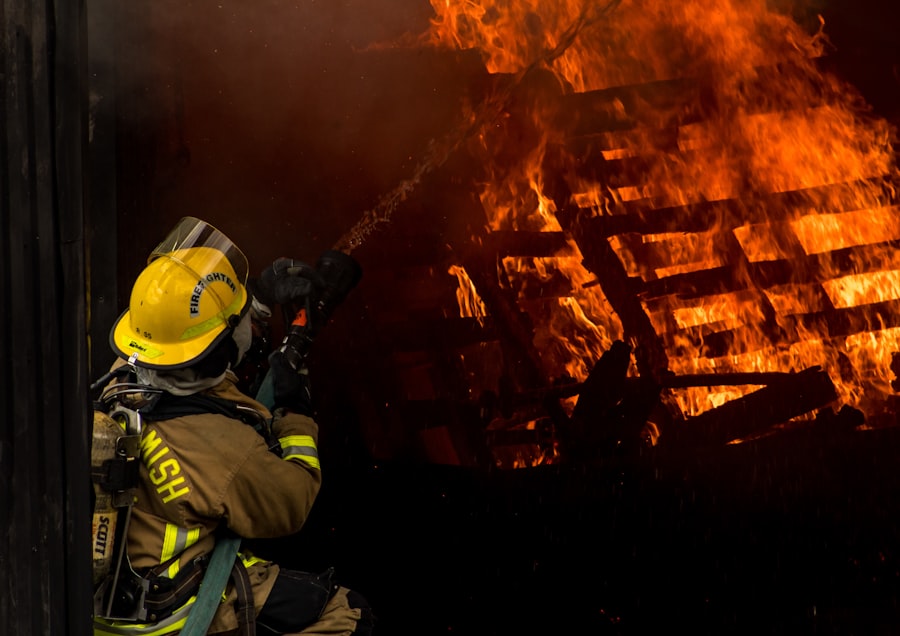
The deliberate use of fire by Indigenous peoples had a profound and largely positive impact on biodiversity and species resilience. Rather than viewing fire as a threat, they recognized its capacity to foster a mosaic of habitats that supported a greater variety of life forms. Their management practices were inherently geared towards creating healthy, dynamic ecosystems capable of withstanding environmental fluctuations.
Promoting Grassland and Savanna Ecosystems
In many parts of the world, particularly in North America, Indigenous burning played a critical role in maintaining vast grassland and savanna ecosystems. These open landscapes, rich in diverse grasses and forbs, would have been quickly overtaken by woody vegetation without regular fire. By suppressing encroaching trees and shrubs, Indigenous fire management preserved the unique flora and fauna associated with these environments. This prevented the homogenization of landscapes and maintained the open conditions necessary for grazing mammals and the birds and insects that depended on them. The resulting mosaic of vegetation patches provided diverse foraging opportunities and shelter for a wide array of species.
Enhancing Plant Diversity and Foraging Opportunities
The patchy nature of Indigenous burns, characterized by areas of more intense burning interspersed with lightly burned or unburned patches, significantly enhanced plant diversity. Different plant species respond to fire in varying ways. Some thrive in recently burned areas where competition is reduced, while others prefer the protection of unburned refuges. This deliberate creation of a heterogenous landscape maximized the availability of food sources for a wide range of herbivores, from small rodents to large ungulates. The regrowth of diverse forbs and grasses after a fire provided nutrient-rich forage throughout the year, contributing to the health and abundance of animal populations.
Supporting Wildlife Populations and Migratory Patterns
The impact of Indigenous fire management on wildlife was substantial. By creating and maintaining diverse habitats, they ensured consistent food and shelter for various animal species. The open woodlands and grasslands fostered by fire were ideal for grazing animals, while the mosaic of burned and unburned areas provided a complex array of foraging and nesting sites for birds, insects, and small mammals. Furthermore, controlled burns could influence the timing and availability of food resources, potentially affecting migratory patterns and supporting healthy predator-prey dynamics. The cyclical renewal of vegetation through fire ensured the long-term sustainability of these wildlife populations.
Cultural Significance and Knowledge Transmission
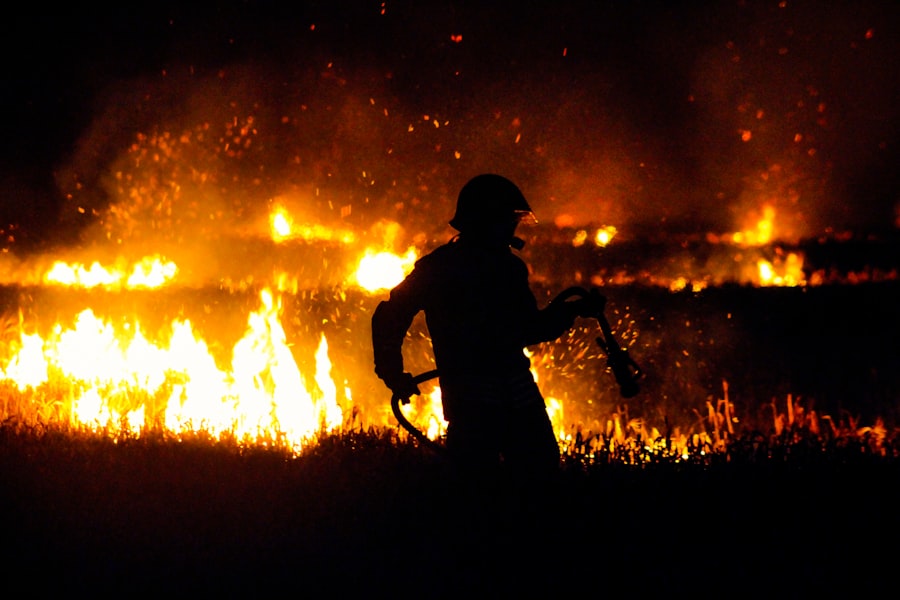
Precolonial fire management was not solely a utilitarian practice; it was deeply interwoven with the cultural, spiritual, and social fabric of Indigenous societies. The knowledge and practice of fire stewardship were passed down through generations, imbued with respect, responsibility, and a profound connection to the land.
Firekeepers and Custodians of the Land
In many Indigenous cultures, specific individuals or groups were designated as “firekeepers” or “fire custodians.” These individuals held the specialized knowledge and responsibility for managing fires within their territories. Their role extended beyond mere practical application; it involved understanding the spiritual significance of fire and ensuring its use was always in balance with the needs of the ecosystem and the community. They were seen as integral to the health of the land and were highly respected for their expertise. This role often involved deep observation of ecological cycles and an understanding of the interconnectedness of all living things.
Oral Traditions and Knowledge Transfer
The sophisticated understanding of fire ecology and management was primarily transmitted through oral traditions. Elders shared their knowledge with younger generations through stories, songs, and practical demonstrations. This ensured that the accumulated wisdom of centuries was preserved and passed on, adapted to changing environmental conditions. These narratives often included not only the ‘how-to’ of fire management but also the ‘why,’ emphasizing the reciprocal relationship between humans and the natural world. This living knowledge system was dynamic and responsive, allowing for continuous learning and adaptation.
Spiritual and Ceremonial Connections to Fire
Fire often held significant spiritual and ceremonial importance in precolonial Indigenous cultures. It was viewed as a powerful element, a source of life, warmth, and transformation. Certain ceremonies involved the controlled use of fire, symbolizing purification, renewal, or connection to the spirit world. These practices reinforced the cultural values associated with respecting and managing fire, further solidifying its integral role in their worldview. The reverence for fire in these contexts underscored the understanding that its power demanded responsible stewardship.
Precolonial fire management practices played a crucial role in shaping ecosystems and influencing human migration patterns. Understanding these practices can provide valuable insights into how ancient communities interacted with their environments. For a deeper exploration of human migration and its impact on various regions, you might find the article on prehistoric human migration to Antarctica particularly interesting. It discusses how early humans adapted to diverse landscapes, which can be linked to their use of fire as a tool for survival. You can read more about it here.
Lessons for Modern Ecological Restoration and Management
| Region | Precolonial Fire Management Practices |
|---|---|
| Australia | Aboriginal people used controlled burning to manage vegetation and reduce the risk of large wildfires. |
| North America | Indigenous communities used fire to maintain grasslands, clear underbrush, and promote the growth of certain plant species. |
| Africa | Various tribes and communities used fire to shape the landscape, encourage new growth, and drive game for hunting. |
The legacy of precolonial fire management offers a crucial blueprint for contemporary ecological restoration and land management practices. As societies grapple with the impacts of climate change, invasive species, and the consequences of suppressing natural fire regimes, looking to Indigenous wisdom provides invaluable insights for fostering healthier and more resilient ecosystems.
Reintegrating Fire into Ecosystem Management
Modern ecological management often seeks to reintegrate fire into landscapes where it has been suppressed for decades or even centuries. This process, however, can be fraught with challenges, including public perception and the need for precise application. Understanding the nuanced, low-intensity, and culturally informed approach of Indigenous fire management can provide a valuable framework for developing more effective and ecologically sound prescribed burning programs. This involves a shift from a purely suppression-oriented mindset to one that recognizes the beneficial role of fire when managed appropriately.
Indigenous Knowledge as a Complement to Western Science
The integration of Indigenous knowledge with Western scientific approaches holds immense potential for advancing ecological understanding and practice. Indigenous fire management systems, developed through millennia of direct observation and interaction with specific landscapes, offer a unique and invaluable dataset. By collaborating with Indigenous communities and respecting their traditional ecological knowledge, scientists and land managers can develop more holistic and effective strategies for ecosystem health. This collaborative approach acknowledges the limitations of purely scientific methods and embraces the richness of human experience in understanding and stewarding the natural world.
Sustainable Land Stewardship for the Future
Ultimately, the precolonial practice of fire management serves as a powerful testament to the possibility of sustainable land stewardship. It demonstrates that humans can live in reciprocal harmony with nature, utilizing its processes to foster health and resilience. By learning from these ancient practices, contemporary societies can move towards a more sustainable future, one that recognizes the vital role of natural processes, respects Indigenous wisdom, and strives for the long-term well-being of both human and ecological communities. The lessons learned from these sophisticated fire management techniques offer a pathway towards healing damaged landscapes and fostering a deeper connection with the natural world.
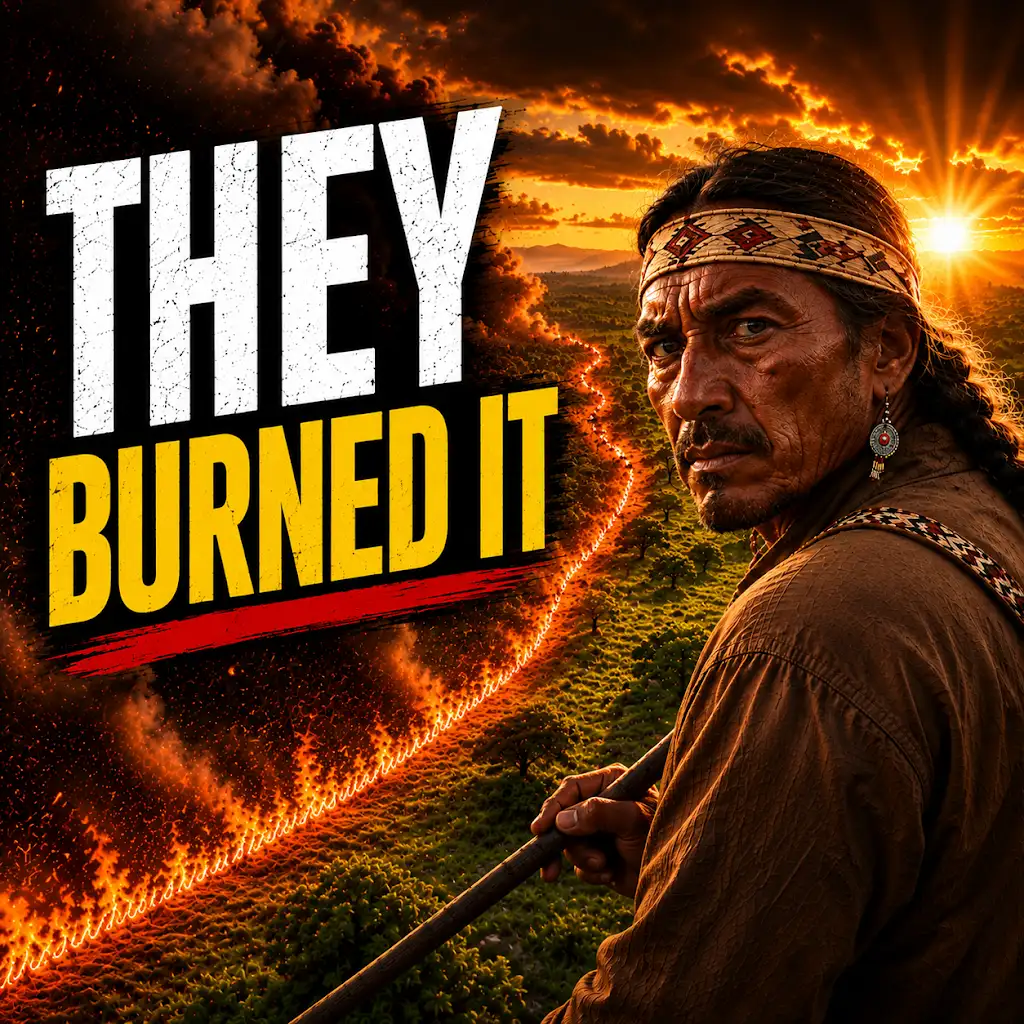
The Wilderness Was Engineered
FAQs
What is precolonial fire management?
Precolonial fire management refers to the traditional practices of using controlled fires by indigenous peoples to manage and maintain ecosystems for various purposes such as hunting, agriculture, and reducing the risk of large, destructive wildfires.
How did precolonial societies use fire management?
Precolonial societies used fire management to clear land for agriculture, promote the growth of certain plant species, maintain grasslands for grazing animals, and to create open areas for hunting. They also used fire to reduce the accumulation of flammable vegetation and to prevent large, destructive wildfires.
What are the benefits of precolonial fire management?
Precolonial fire management has several benefits, including promoting biodiversity, maintaining healthy ecosystems, reducing the risk of large, destructive wildfires, and providing a sustainable way to manage landscapes for human use.
How did precolonial fire management impact the environment?
Precolonial fire management practices had a significant impact on the environment by shaping the composition and structure of ecosystems, promoting the growth of certain plant species, and influencing the distribution of wildlife. These practices also contributed to the maintenance of healthy, resilient landscapes.
What is the significance of precolonial fire management today?
Understanding precolonial fire management practices can provide valuable insights for modern land management and conservation efforts. Incorporating traditional fire management techniques into current practices can help restore and maintain healthy ecosystems, reduce the risk of catastrophic wildfires, and support the cultural heritage of indigenous communities.