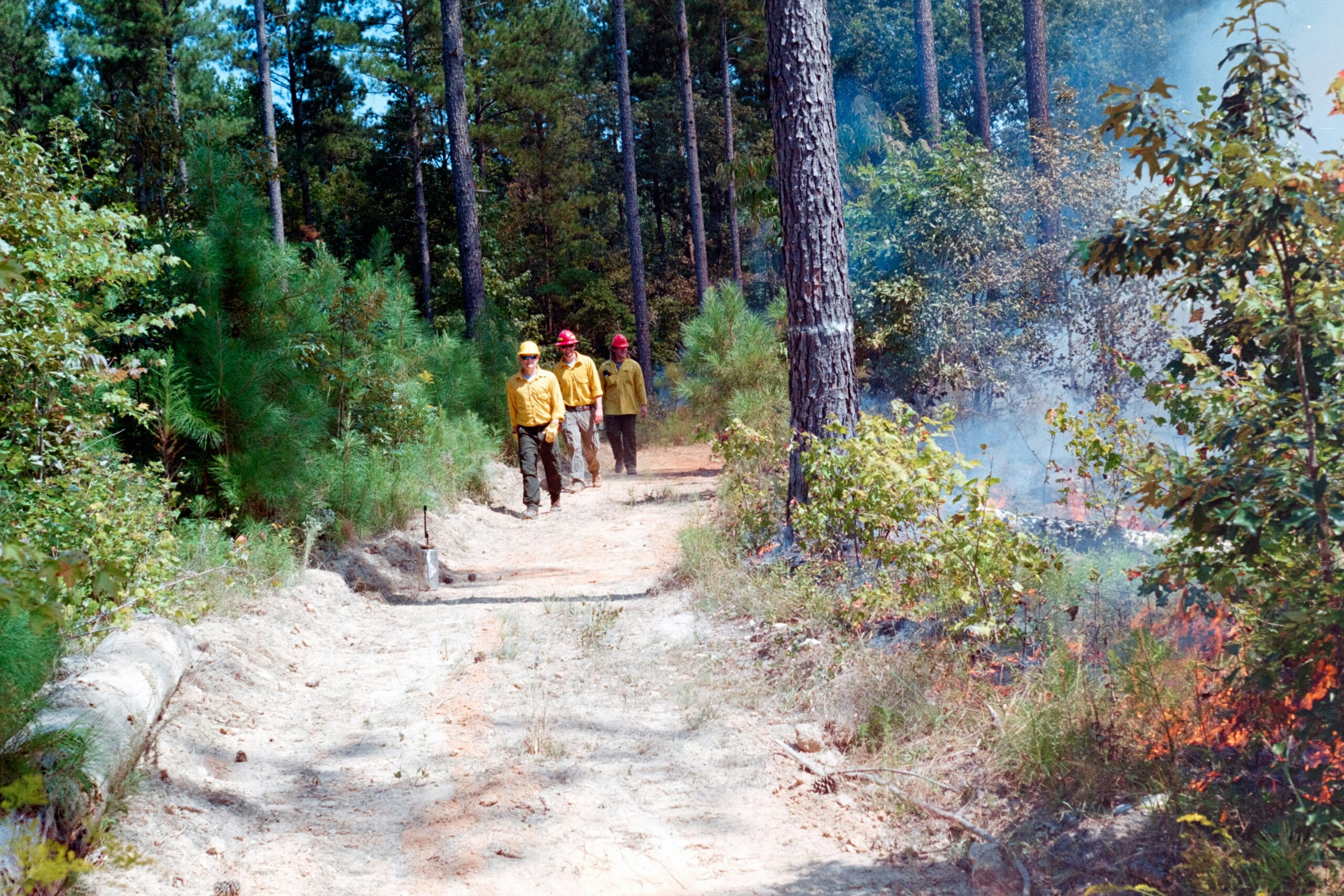
The wisdom of Indigenous peoples regarding fire management has long been a cornerstone of sustainable land stewardship, a practice honed over millennia and now increasingly recognized by modern science for its profound benefits. For generations, Indigenous communities across the globe have understood fire not as an enemy to be eradicated, but as a vital ecological tool. Their intimate knowledge of ecosystems, coupled with sophisticated techniques for controlled burning, has not only shaped landscapes but also fostered biodiversity and prevented devastating wildfires. Contemporary research by Indigenous fire ecologists, such as Dr. Frank Lake and Dr. Margo Robbins, provides compelling evidence of the efficacy of these traditional burning methods, underscoring their crucial role in ecological restoration and climate resilience.
The relationship between Indigenous peoples and fire is deeply embedded in their cultural heritage and spiritual beliefs. This is not a relationship born of convenience, but one of profound understanding and respect, developed through generations of observation, experimentation, and adaptation. Fire was, and in many cases still is, viewed as a living entity, a force of nature that, when properly understood and guided, could be a powerful ally in maintaining healthy ecosystems. This understanding informed a worldview where humans were not separate from, but integral to, the natural world, and their actions, including the use of fire, were intended to harmonize with ecological processes.
The Spiritual and Cultural Significance of Fire
Across diverse Indigenous cultures, fire holds immense spiritual and cultural importance. It is often seen as a purifier, a source of life, and a means of connecting with the spirit world. Ceremonial fires have been integral to rituals, healing practices, and storytelling for millennia. This deep-seated reverence for fire contributed to a cautious and respectful approach to its use, ensuring that it was employed with purpose and intention, never with recklessness. The knowledge of when, where, and how to apply fire was often passed down through oral traditions, encoded in stories, songs, and ceremonies, preserving this vital information across generations. The act of burning was thus imbued with spiritual significance, reinforcing the interconnectedness of human communities and the natural world they inhabited.
The Role of Fire in Indigenous Lifestyles
Beyond its spiritual dimensions, fire was a practical necessity for survival and prosperity. It was used for clearing land for agriculture and habitation, making hunting more efficient by driving game, and promoting the growth of desired plants. The creation of fire itself was a skill, often a communal effort, and its maintenance a continuous responsibility. The annual or seasonal use of fire was not about destruction but about renewal. Indigenous peoples recognized that fire played a critical role in the natural cycles of many ecosystems, promoting nutrient cycling, stimulating seed germination, and creating a mosaic of habitats that supported a wide array of plant and animal life. This understanding led to the development of sophisticated fire management practices that were integrated into the fabric of daily life.
Recent studies have highlighted the importance of Indigenous fire management practices in maintaining ecological balance and promoting biodiversity. These traditional techniques, which have been used for thousands of years, demonstrate a deep understanding of local ecosystems and their dynamics. For further insights into how Indigenous knowledge intersects with contemporary issues, including governance and resource management, you can explore the article on space governance at this link.
Prescribed Burning: A Science of Intent
Indigenous fire management is not merely a collection of historical anecdotes; it is a sophisticated and evidence-based system of land management. At its heart lies the practice of prescribed burning, often referred to as cultural burning or traditional ecological knowledge-based burning. This involves the intentional application of fire to specific areas of land under carefully controlled conditions. The objectives of these burns are multifaceted, aiming to achieve a range of ecological and cultural outcomes. The meticulous planning, execution, and follow-up associated with these burns demonstrate a deep understanding of fire behavior, fuel loads, weather patterns, and ecological responses.
Understanding Fuel Loads and Fire Behavior
Indigenous fire managers possessed an acute awareness of fuel types, their moisture content, and how they would interact with fire. They understood that different vegetation types would burn differently and at different intensities. This knowledge allowed them to predict how a fire would spread and to choose the appropriate conditions – wind speed, humidity, time of day, and season – to achieve their desired outcome. They would strategically burn to reduce the accumulation of dead, dry vegetation, which acts as fuel for more destructive wildfires. By preventing the buildup of excessive fuel, they effectively mitigated the risk of large, uncontrollable blazes that could decimate entire landscapes. This proactive approach is a stark contrast to modern reactive fire suppression strategies, which often treat all fires as inherently bad.
Promoting Biodiversity and Habitat Regeneration
Prescribed burning, when implemented with traditional knowledge, has been demonstrably effective in promoting biodiversity. Gentle, low-intensity fires clear out undergrowth, allowing sunlight to reach the forest floor and stimulating the germination of seeds that require fire to sprout. This creates new opportunities for a variety of plant species to thrive, including those that are crucial food sources for wildlife. The mosaic of habitats created by patchy burning patterns also provides diverse environments for different animal species. For instance, some animals thrive in recently burned areas with fresh growth, while others prefer the protection of unburned or lightly burned patches. This intentional creation of habitat diversity is a hallmark of Indigenous fire stewardship.
Evidence from Indigenous Fire Ecologists
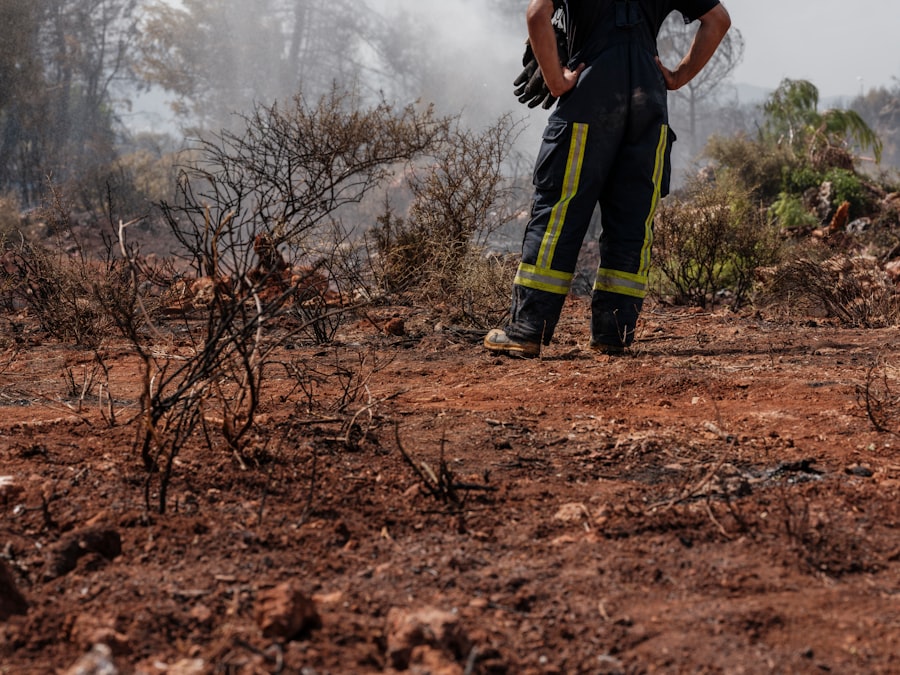
The effectiveness of traditional Indigenous fire management practices is increasingly being validated by contemporary scientific research. Indigenous fire ecologists, like Dr. Frank Lake and Dr. Margo Robbins, are at the forefront of this movement, bridging the gap between ancient wisdom and modern scientific methodology. Their work highlights the practical applications and ecological benefits of these long-held practices, providing crucial data and insights that are informing land management strategies today. Their research is not only about documenting what Indigenous peoples have done but also about demonstrating why it works and how it can be integrated into contemporary conservation efforts.
Dr. Frank Lake’s Contributions
Dr. Frank Lake, an ethnobotanist and fire ecologist, has conducted extensive research on Indigenous fire management in California and beyond. His work has documented how traditional burning practices have historically shaped forest ecosystems, promoting specific plant communities and preventing the dominance of less desirable species. He has shown how the intentional use of fire by Indigenous peoples created a more resilient landscape, one that was better able to withstand natural disturbances and climate fluctuations. Dr. Lake’s research often involves collaborating directly with Indigenous communities, integrating their traditional knowledge with scientific data to understand the complex interactions between fire, plants, and animals. He emphasizes that Indigenous fire management is not a monolithic practice but a diverse set of techniques adapted to specific ecological contexts and cultural needs.
Dr. Margo Robbins’ Advocacy and Research
Dr. Margo Robbins, a member of the Karuk Tribe and a leading advocate for Indigenous fire stewardship, has been instrumental in bringing traditional burning practices to the forefront of ecological discussions. Her work focuses on the resurgence of cultural burning, advocating for its reintroduction as a vital tool for ecological restoration and cultural revitalization. Dr. Robbins highlights how cultural burning is not just about managing landscapes but also about maintaining cultural traditions and empowering Indigenous communities. She has worked with numerous tribes to facilitate the return of controlled burning, emphasizing the importance of Indigenous leadership and knowledge in these efforts. Her advocacy emphasizes that these are not just environmental practices, but also acts of cultural survival and self-determination.
The Impact on Preventing Catastrophic Wildfires
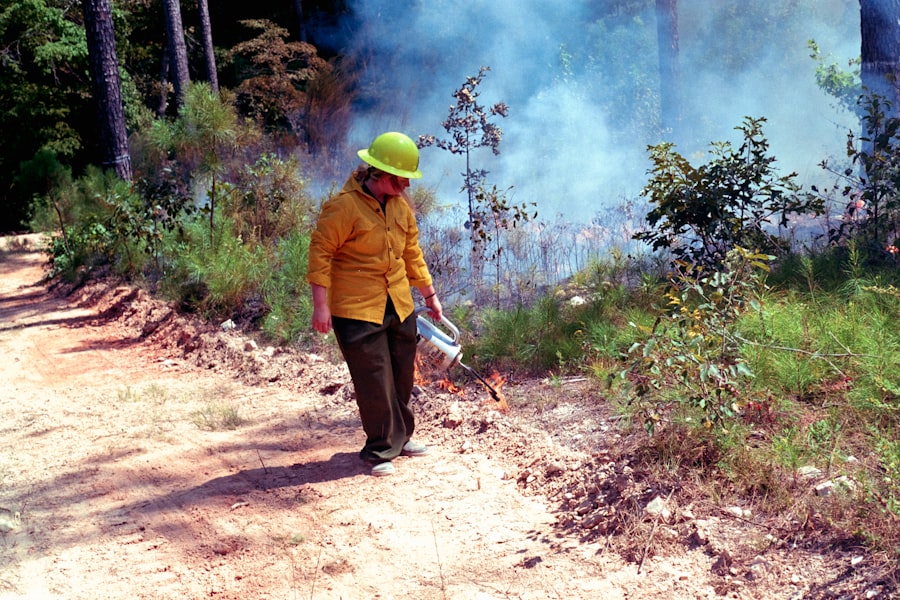
One of the most compelling arguments for the resurgence of Indigenous fire management is its proven effectiveness in preventing catastrophic wildfires. Modern fire suppression efforts, which often involve completely extinguishing fires, have inadvertently led to the accumulation of excessive fuel in many ecosystems. This can result in larger, hotter, and more destructive fires when ignition does occur. Traditional burning practices, by contrast, aim to keep fuel loads low and reduce the intensity of fires.
Reducing Fuel Loads Strategically
By regularly applying low-intensity fires, Indigenous peoples effectively thinned out undergrowth and removed dead and decaying organic matter. This process significantly reduces the amount of flammable material available to a wildfire. Instead of a continuous carpet of fuel, a landscape managed with traditional burning practices would have a more varied fuel structure, with patches of burned and unburned vegetation. This mosaic effect acts as a natural firebreak, slowing the spread of flames and reducing their intensity, thereby making them more manageable and less destructive. The strategic removal of fuel is a key component of preventing fires from reaching catastrophic proportions.
Creating Fire-Resistant Landscapes
The long-term application of traditional burning practices also fosters landscapes that are inherently more resilient to fire. Certain plant species, when regularly exposed to low-intensity fires, develop adaptations that allow them to survive and even thrive. For example, some trees have thick bark that protects them from heat, and many plant seeds require the heat of a fire to germinate. By encouraging these fire-adapted species and managing the overall fuel structure, Indigenous fire management creates a landscape that is less susceptible to severe wildfire. This is a proactive approach to fire management, focusing on long-term ecological health rather than short-term suppression.
Recent studies have shed light on the sophisticated fire management practices employed by Indigenous peoples, which played a crucial role in maintaining ecological balance and promoting biodiversity. For a deeper understanding of these ancient techniques and their significance, you can explore a related article that discusses the broader implications of Indigenous knowledge systems. This insightful piece can be found at Unlocking the Mysteries of Lost Tech, where the intersection of traditional practices and modern environmental challenges is examined.
Reintegrating Traditional Knowledge into Modern Practices
| Region | Indigenous Fire Management Practices | Impact |
|---|---|---|
| Australia | Traditional burning techniques | Reduced wildfire risk and biodiversity conservation |
| North America | Cultural burning practices | Enhanced ecosystem health and reduced fuel load |
| South America | Indigenous controlled burns | Preservation of traditional knowledge and habitat management |
The growing recognition of Indigenous fire management practices marks a significant shift in how we approach land management. There is an increasing understanding that traditional knowledge holds valuable insights that can complement and enhance modern scientific approaches. The reintegration of these ancient practices is not a matter of simply adopting old methods but of fostering collaboration and mutual respect between Indigenous communities and land management agencies.
The Importance of Indigenous Leadership and Self-Determination
For the successful and ethical reintegration of traditional fire management, Indigenous leadership and self-determination are paramount. Indigenous peoples are the original stewards of these lands and possess an unparalleled understanding of their local ecosystems. Empowering them to lead these efforts ensures that practices are culturally appropriate, ecologically sound, and meet the specific needs of their communities. This means supporting Indigenous-led initiatives, providing resources, and respecting their decision-making authority in land management. Self-determination is not just about control; it’s about ensuring that the deep, generational knowledge is respected and utilized to its full potential.
Collaborative Approaches and Knowledge Exchange
Moving forward, collaborative approaches that foster genuine knowledge exchange are essential. This involves creating spaces where Indigenous knowledge holders can share their expertise with scientists, land managers, and policymakers. It also means that scientists and land managers must be open to learning from Indigenous perspectives, recognizing that their knowledge systems are equally valid and often more effective for certain ecological challenges. The goal is to create a synergy where the strengths of both traditional and Western science are combined to achieve more effective and sustainable land management outcomes. This can involve co-designing research projects, joint training initiatives, and shared decision-making processes. The future of fire management lies in this respectful and productive partnership.
The Wilderness Was Engineered
FAQs
What is Indigenous fire management?
Indigenous fire management refers to the traditional practices and techniques used by Indigenous peoples to intentionally and strategically use fire to manage landscapes for various purposes, such as promoting biodiversity, reducing fuel loads, and maintaining cultural and spiritual connections to the land.
What evidence supports the effectiveness of Indigenous fire management?
There is growing scientific evidence that Indigenous fire management practices have positive ecological outcomes, including increased biodiversity, healthier ecosystems, and reduced severity of wildfires. This evidence is based on ecological research, historical records, and Indigenous knowledge and practices.
How does Indigenous fire management differ from contemporary fire management practices?
Indigenous fire management differs from contemporary fire management practices in its focus on using fire as a tool for ecological and cultural purposes, rather than solely for suppression. Indigenous fire management also emphasizes the importance of traditional knowledge, community involvement, and a holistic approach to land management.
What are some examples of Indigenous fire management practices around the world?
Examples of Indigenous fire management practices can be found in various regions, including Australia, North America, South America, and Africa. These practices may involve the use of controlled burns, cultural burning ceremonies, and the incorporation of traditional ecological knowledge into land management strategies.
What are the potential benefits of integrating Indigenous fire management into contemporary land management practices?
Integrating Indigenous fire management into contemporary land management practices has the potential to improve ecosystem health, reduce the risk of catastrophic wildfires, support Indigenous cultural revitalization, and promote collaboration between Indigenous communities and government agencies.