Unearthing Ancient Fires: Charcoal Evidence
The silent narratives etched into the landscape, whispers of human presence across millennia, are often unlocked by the most unassuming of materials: charcoal. This dark, porous residue, born from the fiery embrace of wood, serves as a potent artifact, a tangible link to the past. Archaeologists and paleoenvironmentalists have long recognized the profound significance of charcoal, meticulously extracting and analyzing it from the earth’s stratified layers. This humble substance, when properly understood, offers a window into ancient human activities, prehistoric landscapes, and the complex interplay between humanity and the environment. The study of charcoal evidence is not merely about identifying burnt wood; it is a sophisticated scientific endeavor that reveals the frequency, intensity, and spatial distribution of fires, both natural and human-induced, thereby illuminating a spectrum of ecological and cultural histories.
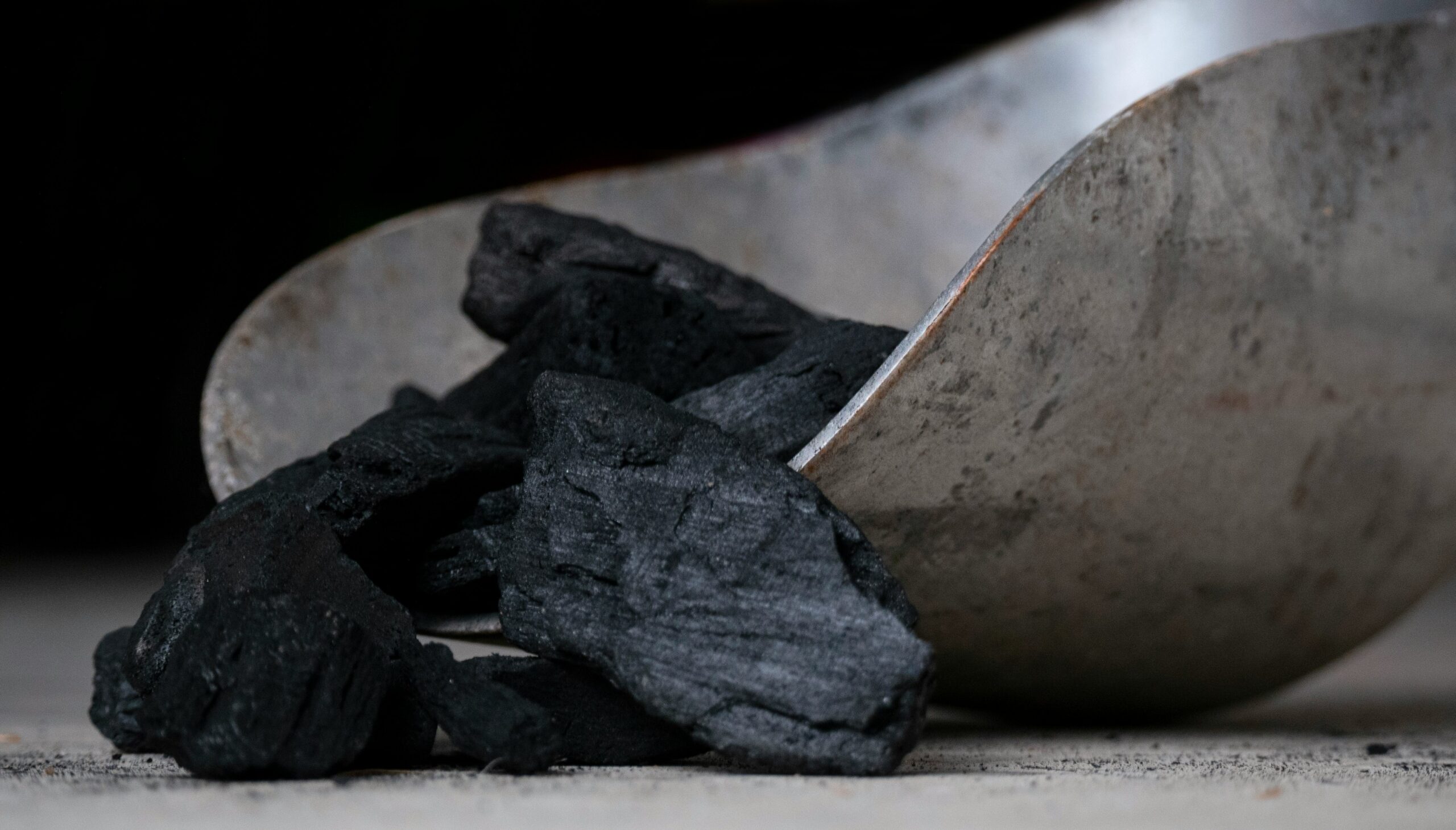
Charcoal, at its core, is the carbon-rich residue of incompletely burned organic material, predominantly wood. Its formation is a testament to the process of pyrolysis, a thermal decomposition that occurs in the absence of sufficient oxygen. When wood burns in an oxygen-rich environment, it oxidizes completely, leaving behind ash and carbon dioxide. However, under conditions where oxygen is limited, such as in a smoldering fire or within the insulating layers of soil, the volatile components of the wood are driven off, leaving behind a stable, carbonized structure.
The Chemistry of Pyrolysis
The chemical transformation during pyrolysis is complex, involving the breaking of covalent bonds within the wood’s cellulose, hemicellulose, and lignin. These complex carbohydrates and polymers are heated, leading to dehydration and the release of volatile organic compounds, including water, carbon monoxide, carbon dioxide, and various hydrocarbons. The remaining solid material is enriched in carbon, forming the characteristic black, brittle structure of charcoal. The specific chemical composition and physical properties of charcoal are influenced by several factors, including the type of wood burned, the temperature of the fire, the duration of burning, and the surrounding environmental conditions during and after the fire event. For instance, hardwoods generally produce denser charcoal than softwoods, and higher temperatures can lead to more complete carbonization, resulting in a more stable and less porous material.
Physical Characteristics and Preservation
The distinctive physical characteristics of charcoal are crucial for its identification in archaeological and paleoenvironmental contexts. Its black color is due to the high carbon content, and its porous structure is a remnant of the original wood’s cellular arrangement. This porosity, while making it susceptible to rapid degradation under certain conditions, also contributes to its remarkable longevity when buried in anaerobic or semi-anaerobic environments, such as waterlogged soils or clay-rich sediments. The absence of oxygen significantly retards the biological and chemical processes that would otherwise break down organic matter. Furthermore, charcoal is relatively resistant to erosion and weathering compared to other organic remains, allowing it to persist in the geological record for thousands, even tens of thousands, of years.
Factors Affecting Charcoal Preservation
The preservation of charcoal is not uniform across all environments. Factors such as soil pH, moisture content, and microbial activity play significant roles. Highly acidic soils can accelerate charcoal degradation, while consistently waterlogged conditions, particularly those with low oxygen levels, are ideal for long-term preservation. Conversely, soils with high oxygenation and abundant microbial communities tend to break down charcoal more rapidly. Understanding these preservation biases is essential for interpreting charcoal assemblages and for reconstructing past fire regimes. For example, a lack of charcoal in a specific stratum might not necessarily indicate an absence of fire but could instead reflect unfavorable preservation conditions.
Recent studies have uncovered significant charcoal evidence that sheds light on ancient fires and their impact on early human societies. For a deeper understanding of how these findings relate to the development of fire use and its implications for prehistoric life, you can explore the article available at this link. This resource provides valuable insights into the role of fire in shaping human evolution and the environment.
Charcoal as an Archaeological Indicator
For archaeologists, charcoal is an invaluable tool for reconstructing human behavior and societal development. Its presence and characteristics can reveal a wealth of information about the technologies, subsistence strategies, and even the social organization of ancient populations. Charcoal found in association with artifacts, structures, or hearths provides direct evidence of human fire use.
Hearth and Fire Pit Analysis
The most straightforward interpretation of charcoal lies in its association with hearths and fire pits. These intentional fire locations, often found within human settlements, are rich repositories of discarded charcoal. By excavating and analyzing the charcoal from these features, archaeologists can infer the types of fuel used, the intensity and duration of fires, and even the activities that took place around them. The identification of specific wood species can reveal information about the local flora available to the inhabitants and their preferences for fuel. For instance, finding charcoal from a particular species known to burn intensely might suggest its use for cooking or metalworking, while softer woods might have been favored for heating.
Evidence of Tool Manufacturing and Craft Production
Charcoal played a crucial role in various ancient crafts and technologies. Its presence in archaeological contexts can point to specific manufacturing processes. For example, kilns used for pottery production, smelting furnaces for metal extraction, and early workshops for wood or bone working would all have generated significant amounts of charcoal. The analysis of charcoal fragments from such sites can help identify the raw materials used and the techniques employed. The discovery of charcoal associated with projectile points or other lithic artifacts might indicate their heat treatment to improve their flaking properties, a common practice in many prehistoric cultures. Similarly, charcoal found alongside fragments of slag or tuyeres can confirm the presence of metallurgy.
Settlement Patterns and Site Occupation
The distribution and abundance of charcoal across a landscape can also provide insights into settlement patterns and site occupation. Larger and more numerous charcoal deposits might indicate longer or more intensive periods of occupation at a particular site. Conversely, sparse charcoal might suggest ephemeral use or temporary encampments. By mapping charcoal concentrations, archaeologists can delineate activity areas within a settlement, identify ceremonial or ritualistic fire sites, and even reconstruct the spatial organization of ancient communities. The presence of charcoal at a distance from known settlements could also indicate activities such as land clearing for agriculture or hunting camps.
Paleoenvironmental Reconstruction: Fire Regimes and Vegetation History

Beyond direct human activity, charcoal serves as a critical proxy for understanding past environmental conditions, particularly fire regimes and vegetation history. Natural fires, ignited by lightning or other natural phenomena, have always been a part of many ecosystems, shaping landscapes and influencing ecological processes. Charcoal preserved in the soil layers acts as a record of these events.
Natural Fire History and Frequency
By analyzing charcoal from sediment cores or stratified archaeological deposits, paleoecologists can reconstruct the history and frequency of natural fires over long periods. The size and type of charcoal fragments, along with the density of charcoal particles in different layers, can indicate the intensity and extent of past fire events. For example, large, chunky charcoal fragments often suggest more intense fires that consumed larger woody material, while fine charcoal dust can be associated with more frequent, less intense ground fires. Radiocarbon dating of charcoal samples allows for the precise chronological ordering of these fire events, enabling scientists to identify periods of increased or decreased fire activity. This information is invaluable for understanding natural ecosystem dynamics and for predicting future fire behavior.
Vegetation and Landscape Changes
The composition of charcoal can also provide clues about the types of vegetation present in the past. As mentioned earlier, different wood species produce distinct types of charcoal. By identifying the wood species present in charcoal assemblages, researchers can infer the dominant tree species and plant communities that existed in an area at different times. Changes in charcoal composition over time can therefore indicate significant shifts in vegetation, such as deforestation, forest regeneration, or the encroachment of grasslands. This, in turn, can be linked to climatic changes, human land use, or other environmental factors. For instance, an increase in charcoal from fast-growing pioneer species might suggest a period of disturbance, such as logging or intense fires, followed by forest recovery.
The Human-Nature Interface
The interplay between natural fires and human activities is a complex and crucial aspect of paleoenvironmental studies. Charcoal evidence can help distinguish between naturally occurring fires and those intentionally set by humans for purposes such as land clearing, hunting, or influencing vegetation composition. By examining the spatial distribution of charcoal relative to human settlements and activity areas, researchers can infer the role of humans in shaping fire regimes. For example, a high concentration of charcoal in areas cleared for agriculture, coupled with evidence of controlled burning, would strongly suggest human-induced fire. Conversely, charcoal layers found in pristine wilderness areas might be more indicative of natural fire events. Understanding this dynamic is crucial for ecological restoration and for managing landscapes in the face of climate change.
Dating and Scientific Analysis of Charcoal

The scientific analysis of charcoal involves a range of sophisticated techniques that allow for precise dating and detailed characterization, providing robust evidence for chronological sequencing and interpretation.
Radiocarbon Dating
One of the most powerful analytical tools used with charcoal is radiocarbon dating (¹⁴C dating). Charcoal, being organic material, contains carbon that has undergone radioactive decay since the organism’s death. By measuring the ratio of ¹⁴C to stable carbon isotopes (¹²C and ¹³C), scientists can determine the time elapsed since the charcoal was formed. This technique is fundamental for establishing chronologies in archaeology and paleoenvironmental research. Multiple charcoal samples from different stratigraphic layers can be dated to create a temporal framework for events and processes, allowing researchers to track changes over centuries and millennia. The accuracy of radiocarbon dating can be refined through calibration curves that account for variations in atmospheric ¹⁴C levels over time.
Macroscopic and Microscopic Identification
Beyond dating, the visual and microscopic examination of charcoal is essential for its identification and interpretation. Macroscopic analysis involves observing the size, shape, and color of charcoal fragments, as well as their texture and porosity. This can sometimes reveal enough information to identify the broad category of wood (e.g., hardwood vs. softwood). Microscopic analysis, using light microscopes or scanning electron microscopes (SEMs), allows for the detailed examination of the cellular structure of the charcoal. This high-resolution imaging can often identify the specific plant family, genus, or even species of the original wood. The distinctive arrangement of cells in the xylem and phloem tissues is preserved in the charcoal structure, making it a unique fingerprint of the original plant.
Chemical and Isotopic Analysis
Further chemical and isotopic analyses can provide additional layers of information. Stable isotope analysis, particularly of carbon isotopes (δ¹³C), can offer insights into the photosynthetic pathway of the original plant (C3 vs. C4 plants), which can in turn be related to ancient environmental conditions such as aridity or atmospheric CO₂ levels. Fourier-transform infrared (FTIR) spectroscopy can identify functional groups within the charcoal, providing information about the degree of carbonization and the presence of certain organic residues. Elemental analysis can determine the concentration of various elements, which might reveal associations with specific geological substrates or anthropogenic inputs.
Recent studies have uncovered intriguing evidence of ancient fires through the analysis of charcoal deposits, shedding light on past environmental conditions and human activity. For a deeper understanding of how these findings relate to broader geological phenomena, you can explore an insightful article that discusses the implications of such evidence in the context of a potential pole shift. This article can be found here.
Challenges and Future Directions in Charcoal Research
| Location | Charcoal Evidence | Ancient Fires |
|---|---|---|
| Cave Site A | Abundant | Yes |
| Archaeological Site B | Minimal | No |
| Settlement C | Moderate | Yes |
Despite its immense value, the study of charcoal evidence is not without its challenges. Ongoing research and technological advancements are continually expanding the scope and precision of charcoal analysis, promising even deeper insights into the past.
Taphonomic Processes and Site Formation
One of the primary challenges in charcoal research is understanding taphonomic processes – the ways in which organic materials are altered after deposition. Charcoal can be fragmented, moved from its original context by natural processes (e.g., bioturbation, erosion) or human activities, and can also be subject to burning and re-burning. Accurately interpreting the original context and depositional history of charcoal is crucial for reliable reconstructions. Differentiating between primary fire events and secondary redeposition requires careful stratigraphic analysis and the application of geomorphological principles. Understanding how fires themselves create and redistribute charcoal is a key area of study.
Distinguishing Human vs. Natural Fires
A persistent challenge is definitively distinguishing between fires ignited by humans and those of natural origin, especially in contexts where human presence is not immediately obvious. While hearth features offer clear evidence of human activity, scattered charcoal in the landscape can be ambiguous. Advanced statistical analysis of charcoal distribution patterns, coupled with the integration of other paleoenvironmental proxies (e.g., pollen, phytoliths, soil chemistry), is increasingly used to address this. The development of new analytical techniques that can identify specific markers of human ignition, such as the presence of certain accelerants or the characteristic burning patterns associated with specific tools, is an active area of research.
The Role of New Technologies and Interdisciplinary Approaches
The future of charcoal research lies in the integration of new technologies and interdisciplinary collaborations. Advancements in remote sensing, such as drone-based lidar and hyperspectral imaging, can help identify charcoal-rich areas on the landscape from above. High-throughput sequencing technologies are beginning to be applied to ancient DNA extracted from charcoal, potentially revealing the species of plants burned even when traditional morphological identification is difficult. Furthermore, closer collaboration between archaeologists, paleoecologists, geochemists, and computer scientists will foster more sophisticated modeling and data analysis, enabling researchers to tackle more complex questions about past fire dynamics, human-environment interactions, and long-term ecological sustainability. The development of standardized protocols for charcoal sampling and analysis across different research groups will also enhance the comparability and robustness of findings, leading to a more comprehensive understanding of ancient fires.

The Wilderness Was Engineered
FAQs
What is charcoal evidence of ancient fires?
Charcoal evidence of ancient fires refers to the discovery of charred wood or other plant material at archaeological sites, indicating the presence of past fires. This evidence can provide valuable insights into the activities and behaviors of ancient human populations.
How is charcoal evidence used by archaeologists?
Archaeologists use charcoal evidence to understand the use of fire by ancient humans, including for cooking, heating, and tool production. Charcoal can also be used for radiocarbon dating, providing a timeline for when the fires occurred.
What can charcoal evidence tell us about ancient societies?
Charcoal evidence can reveal information about the types of wood or plant material used for fuel, the intensity and duration of fires, and the environmental conditions at the time. This can help researchers understand the daily lives and resource management strategies of ancient societies.
Where has charcoal evidence of ancient fires been found?
Charcoal evidence of ancient fires has been found at archaeological sites around the world, including in caves, open-air settlements, and prehistoric hearths. These sites can range from the Paleolithic era to more recent historical periods.
Why is charcoal evidence important for understanding human history?
Charcoal evidence provides a direct link to the use of fire by ancient humans, shedding light on their technological advancements, social behaviors, and environmental interactions. Understanding the role of fire in human history is crucial for comprehending the development of societies and cultures over time.