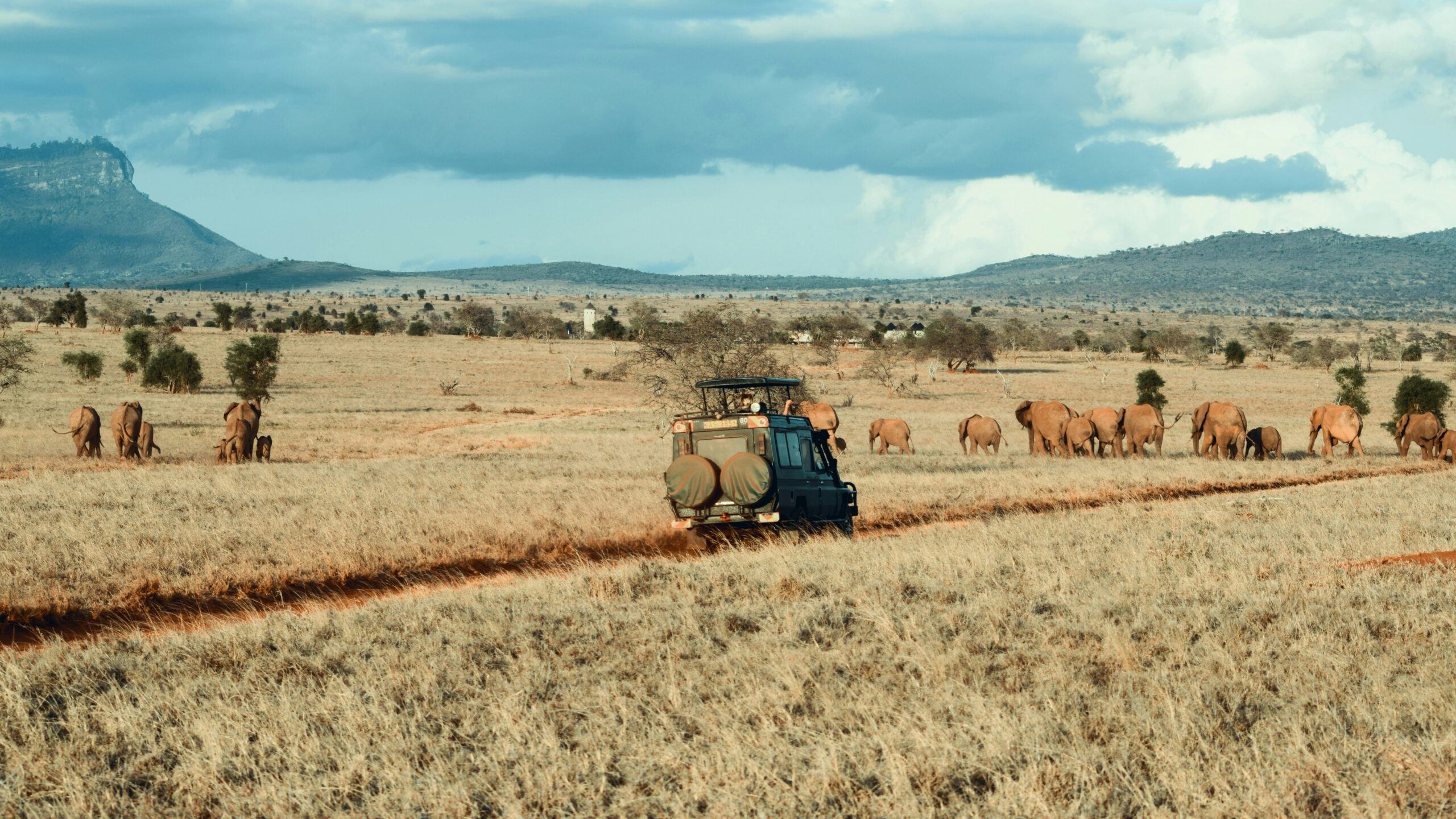
The echoes of ancient wisdom resonate in the sustainable practices of precolonial indigenous land management. Long before the advent of modern environmentalism, indigenous peoples across the globe cultivated a profound understanding of their natural surroundings, developing intricate systems of stewardship that ensured the long-term health and productivity of their lands. This was not a haphazard relationship but a deliberate, deeply ingrained cultural imperative, woven into the fabric of their societies and passed down through generations. Their approach was characterized by an intimate knowledge of ecosystems, a commitment to reciprocity with the natural world, and an inherent understanding that their well-being was inextricably linked to the well-being of the land.
Precolonial indigenous land management was founded on an unparalleled depth of ecological knowledge, accumulated over millennia of direct observation and lived experience. This knowledge was not confined to abstract theories but was practical, granular, and constantly refined. It informed every aspect of their interaction with the environment, from planting cycles to resource harvesting.
Understanding Local Flora and Fauna
Indigenous communities possessed an encyclopedic understanding of the plant and animal life within their territories. They knew which plants were edible, medicinal, or possessed other useful properties, and crucially, how to harvest them without depleting their populations. This extended to understanding the life cycles, reproductive habits, and ecological roles of various species.
Ethnobotanical Expertise
The catalog of plant knowledge was extensive. Indigenous peoples could identify hundreds, if not thousands, of plant species, their specific uses, and the optimal conditions for their growth and propagation. This ethnobotanical expertise allowed them to cultivate diverse crops, manage forests for specific resources, and utilize plants for a wide array of purposes, from medicine to construction materials. They understood the subtle cues of plant health, recognizing signs of stress or disease and knowing how to intervene, often through natural methods.
Wildlife Management and Hunting Practices
Similarly, knowledge of fauna was sophisticated. Hunters understood animal migration patterns, breeding seasons, and population dynamics. Hunting was often conducted with ritualistic reverence, adhering to strict protocols to ensure the sustainability of game populations. This might have included specific seasons for hunting, limitations on the number of animals taken, and the utilization of every part of the animal to minimize waste. The concept of “taking only what is needed” was a fundamental principle.
Weather Patterns and Climate Adaptation
Predicting and adapting to weather patterns and climatic fluctuations was paramount for survival and successful resource management. Indigenous communities developed sophisticated systems for understanding local weather phenomena, often based on celestial observations, the behavior of animals, and the subtle changes in the environment.
Seasonal Calendars and Astronomical Cycles
Many indigenous cultures developed intricate seasonal calendars, meticulously tracking celestial events like solstices, equinoxes, and lunar cycles. These observations were not merely for timekeeping but were deeply integrated into agricultural and migratory planning. They understood how these cycles influenced plant growth, animal behavior, and the availability of resources.
Local Microclimates and Hydrological Systems
Beyond broad climatic patterns, indigenous peoples possessed a deep understanding of local microclimates and the intricate workings of their hydrological systems. They knew how water flowed through the landscape, where springs emerged, and how to manage water resources for irrigation and domestic use. They understood the relationship between rainfall, soil moisture, and plant survival, often developing techniques to conserve water during dry periods.
Precolonial Indigenous land management practices have long been recognized for their sustainability and effectiveness in maintaining ecological balance. For a deeper understanding of how these practices can inform modern approaches to land stewardship, you may find the article on secret stash spots and prepping for SHTF particularly interesting. It explores the importance of strategic resource management, which resonates with the principles of Indigenous land use. To read more, visit this article.
Principles of Reciprocity and Respect
At the heart of precolonial indigenous land management lay a profound philosophy of reciprocity and respect for the natural world. This was not a passive observation but an active, reciprocal relationship where humans were not seen as separate from or superior to nature, but as integral components of a larger, interconnected web of life.
The Concept of “All My Relations”
Many indigenous cultures shared a worldview that recognized all beings, living and non-living, as kin. This concept, often expressed as “all my relations,” fostered a deep sense of responsibility and interconnectedness. It meant that harm to one part of the ecosystem was, in essence, harm to themselves and their community.
Spiritual and Cultural Significance of the Land
The land was not merely a resource to be exploited but was imbued with spiritual and cultural significance. Sacred sites, ancestral lands, and natural features often held deep meaning and were treated with reverence. This spiritual connection fostered a sense of stewardship and a desire to protect these places for future generations.
Rituals and Ceremonies for Maintaining Balance
Rituals and ceremonies played a crucial role in maintaining balance and harmony with the natural world. These practices often involved offerings, prayers, and songs of gratitude to the spirits of the land, water, and animals, reinforcing the reciprocal relationship and acknowledging the gifts received from nature.
Sustainable Harvesting and Resource Use
The principles of reciprocity and respect directly translated into sustainable harvesting and resource use practices. Waste was minimized, and the long-term health of the resource was always prioritized over short-term gain.
Rotational Harvesting and Fallowing
To prevent soil exhaustion and ensure the regeneration of plant populations, indigenous communities often employed rotational harvesting techniques and fallowing periods. This allowed areas to recover their fertility and biodiversity before being harvested again.
Selective Harvesting and Seed Saving
When harvesting, indigenous peoples practiced selective methods, taking only what was needed and leaving sufficient resources for reproduction and regrowth. Seed saving was also a vital practice, ensuring the preservation of valuable crop varieties and wild plant species. This also allowed for adaptation to changing environmental conditions over time.
Integrated Farming and Agroforestry Systems

Precolonial indigenous peoples often developed sophisticated integrated farming and agroforestry systems that mimicked natural ecosystems, promoting biodiversity and soil health. These systems were far more complex and resilient than monocultural approaches.
Polyculture and Companion Planting
Instead of planting single crops in large fields, indigenous farmers frequently practiced polyculture, growing a variety of crops together. This often included companion planting, where specific plant combinations were known to benefit each other, deter pests, or improve soil fertility. The classic example is the “Three Sisters” system of corn, beans, and squash, where each crop provides essential support for the others.
Nutrient Cycling and Soil Fertility
These integrated systems fostered natural nutrient cycling. Leguminous plants, like beans, fixed nitrogen in the soil, benefiting other crops. The diverse root systems of multiple plants helped to improve soil structure and prevent erosion. Decomposition of crop residues and fallen leaves returned vital organic matter to the soil, maintaining its fertility without the need for external inputs.
Pest and Disease Management Through Biodiversity
The inherent biodiversity of polycultural systems acted as a natural defense against pests and diseases. A wider range of plant species meant that if one crop was susceptible to a particular pest, others would not be, and predators of those pests would likely be present. This reduced the need for chemical interventions, which were not available in precolonial times.
Agroforestry and Forest Gardening
Many indigenous societies integrated trees and shrubs into their agricultural landscapes, creating agroforestry systems and forest gardens. These practices brought the benefits of forest ecosystems into cultivated areas, enhancing biodiversity and resource availability.
Multi-Layered Food Production
Forest gardens often featured multiple layers of food production, mimicking the structure of a forest. This included canopy trees providing fruit and nuts, understory shrubs offering berries, and ground cover plants providing herbs and vegetables. This maximized food production from a given area while promoting ecological diversity.
Wood, Fiber, and Medicinal Resources
Beyond food, these integrated systems provided a continuous supply of wood for fuel and construction, fibers for textiles, and a diverse range of medicinal plants. The symbiotic relationship between trees, shrubs, and herbaceous plants created a resilient and productive landscape that sustained communities over the long term.
Water Management and Conservation

Water was, and remains, a precious resource, and indigenous peoples developed ingenious methods for its management and conservation, recognizing its vital role in sustaining both human life and the health of the ecosystem.
Understanding Hydrological Cycles and Water Sources
A deep understanding of local hydrological cycles was fundamental. Indigenous communities identified natural springs, rivers, and groundwater sources and developed strategies to access and utilize them sustainably. They understood how rainfall patterns influenced water availability and how to protect water sources from contamination.
Rainwater Harvesting and Storage
Rainwater harvesting was a common practice, particularly in arid or semi-arid regions. This involved constructing earthworks, terraces, and reservoirs to capture and store rainfall, ensuring a supply of water during dry periods. These systems were often integrated into agricultural landscapes, providing irrigation for crops.
Protection of Riparian Zones and Wetlands
Indigenous communities recognized the critical importance of riparian zones (areas along rivers and streams) and wetlands for water quality and ecosystem health. They often implemented practices to protect these areas from degradation, understanding that they acted as natural filters and provided essential habitats for numerous species.
Irrigation Systems and Water Distribution
Sophisticated irrigation systems were developed in many regions to distribute water efficiently for agricultural purposes. These systems were often adapted to the specific topography and water availability of the area.
Terracing and Contour Farming
Terracing and contour farming techniques were widely employed to slow down water runoff, prevent soil erosion, and maximize water infiltration into the soil. These methods were particularly effective in hilly or mountainous terrain, transforming otherwise unproductive slopes into fertile agricultural land.
Gravity-Fed Irrigation and Diversion Channels
Gravity-fed irrigation systems, utilizing natural gradients to channel water from higher elevations to fields, were common. Indigenous engineers constructed diversion channels, canals, and even aqueducts to distribute water precisely where it was needed, ensuring that crops received adequate moisture without excessive waste.
Precolonial Indigenous land management practices have garnered increasing attention for their sustainable approaches to environmental stewardship. These practices often involved intricate knowledge of local ecosystems and a deep understanding of seasonal cycles, which allowed Indigenous communities to thrive in harmony with their surroundings. For a broader perspective on how traditional knowledge can inform contemporary strategies, you might find it interesting to explore this article on international relations, which discusses key strategies for success in navigating complex systems. You can read more about it here.
Community Governance and Knowledge Transmission
| Indigenous Land Management Practice | Description |
|---|---|
| Fire Management | Controlled burning to maintain healthy ecosystems and reduce the risk of large wildfires. |
| Agroforestry | Integrating trees and shrubs with crops and livestock to enhance sustainability and productivity. |
| Polyculture | Growing multiple crops in the same area to improve soil fertility and biodiversity. |
| Terrace Farming | Building stepped platforms on hilly terrain to prevent soil erosion and maximize arable land. |
The sustainability of precolonial indigenous land management was underpinned by robust community governance structures and effective mechanisms for knowledge transmission. These systems ensured that practices were adhered to, adapted, and passed down to future generations.
Collective Stewardship and Resource Management
Resource management was often a collective endeavor, with communities working together to oversee and maintain their lands and resources. Decisions regarding resource use, harvesting quotas, and conservation efforts were typically made through communal consensus.
Traditional Laws and Customary Regulations
Traditional laws and customary regulations provided a framework for resource use and conflict resolution. These unwritten laws, deeply embedded in cultural norms, guided behavior and ensured that practices remained sustainable. Violations were often met with social sanctions rather than punitive measures.
Elders and Knowledge Keepers
Elders and designated knowledge keepers played a vital role in safeguarding and transmitting ecological knowledge. They were respected repositories of wisdom, responsible for educating younger generations about sustainable practices, cultural traditions, and the interconnectedness of all life.
Intergenerational Learning and Oral Traditions
The primary mode of knowledge transmission was through oral traditions and direct, hands-on intergenerational learning. Children learned by observing, assisting, and participating in the activities of their elders, internalizing the knowledge and skills necessary for effective land stewardship.
Storytelling and Cultural Narratives
Stories, songs, and cultural narratives served as powerful tools for transmitting ecological knowledge. These narratives often encoded practical information about plant identification, animal behavior, seasonal changes, and the proper way to interact with the environment, making complex concepts memorable and engaging.
Apprenticeship and Mentorship
Formal or informal apprenticeship systems allowed younger individuals to learn specific skills from experienced practitioners. This could range from learning hunting techniques and fishing methods to mastering agricultural practices and medicinal plant preparation. This direct mentorship ensured the continuity of specialized knowledge.
In conclusion, precolonial indigenous land management stands as a testament to humanity’s capacity for sustainable living. Their practices, rooted in deep ecological knowledge, a philosophy of reciprocity, integrated land use, careful water management, and strong community governance, offer invaluable lessons for contemporary environmental challenges. The wisdom embedded in these ancient systems highlights the profound connection between human well-being and the health of the natural world, urging a return to principles of respect, balance, and long-term stewardship for the benefit of all.

The Wilderness Was Engineered
FAQs
What is precolonial Indigenous land management?
Precolonial Indigenous land management refers to the traditional practices and systems used by Indigenous peoples to sustainably manage and care for their lands prior to the arrival of European colonizers.
What were some common practices of precolonial Indigenous land management?
Common practices of precolonial Indigenous land management included controlled burning, crop rotation, agroforestry, and the use of traditional ecological knowledge to maintain the health and productivity of the land.
How did precolonial Indigenous land management contribute to environmental sustainability?
Precolonial Indigenous land management contributed to environmental sustainability by promoting biodiversity, soil fertility, and water conservation. These practices also helped to prevent wildfires and maintain the overall health of the ecosystems.
What impact did colonization have on precolonial Indigenous land management?
Colonization had a devastating impact on precolonial Indigenous land management, as European settlers imposed their own land management practices and disrupted traditional Indigenous systems. This led to the degradation of Indigenous lands and loss of traditional ecological knowledge.
What is the significance of understanding precolonial Indigenous land management today?
Understanding precolonial Indigenous land management is significant today because it offers valuable insights into sustainable land stewardship practices that can inform modern conservation and land management efforts. It also highlights the importance of respecting Indigenous knowledge and sovereignty in environmental decision-making.