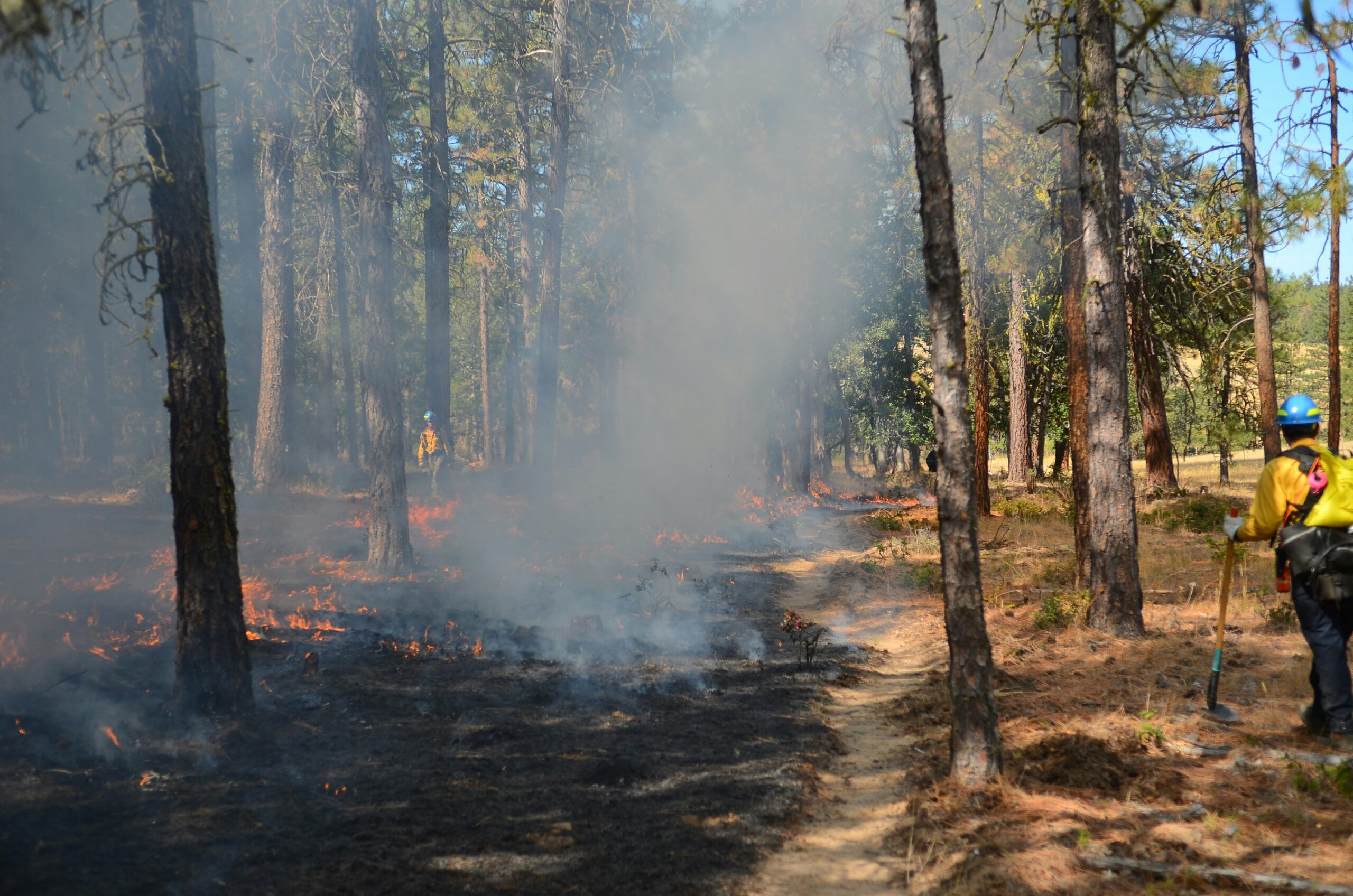
Native American Controlled Burns: Preserving the Land
The crackle of flames, the scent of woodsmoke, the vibrant flush of new growth after the embers cool – these are the sensory hallmarks of a practice deeply ingrained in the history and ecological understanding of Native American cultures: controlled burning. Far from being a destructive force, these intentional fires, meticulously managed for millennia, have played a crucial role in shaping and sustaining diverse ecosystems across North America. This ancient art, born from generations of observation and adaptation, stands as a profound testament to indigenous stewardship and offers invaluable lessons for modern land management and conservation efforts.
The relationship between Native Americans and fire is not one of fear or avoidance, but rather one of deep respect and intentional application. For countless generations, indigenous peoples recognized fire as a potent tool, capable of fostering biodiversity, promoting the growth of culturally significant plants, and managing landscapes for the benefit of both humans and the natural world. This knowledge was not theoretical; it was lived, observed, and passed down through oral traditions, ceremonies, and practical experience. Controlled burns were not haphazard events but carefully planned and executed operations, guided by an intimate understanding of weather patterns, fuel loads, and ecological responses.
The impact of these practices extends far beyond the immediate visual transformation of the landscape. They have shaped the very genetic makeup of many plant species, promoting traits that allow them to thrive in fire-adapted environments. Furthermore, the cultural significance of these burns is interwoven with the spiritual beliefs and traditional lifeways of indigenous communities, underscoring the holistic approach to land management that characterizes their stewardship. As modern society grapples with the challenges of climate change, invasive species, and the need for resilient ecosystems, the wisdom embedded in Native American controlled burning practices is gaining renewed recognition and respect.
Fire, when managed intentionally, is not an enemy of nature but a vital ecological force. For millennia, natural fire regimes, ignited by lightning strikes, have shaped the North American continent. Native American communities, through their sophisticated understanding of these natural processes, learned to harness and mimic these forces for their own benefit and the health of their territories. Their controlled burns were not about eradicating all vegetation but about selectively clearing undergrowth, creating mosaics of different habitat types, and promoting the growth of species that were essential for their survival and cultural continuity.
Fire as a Catalyst for Biodiversity
The introduction of controlled burns by indigenous peoples served as a powerful catalyst for biodiversity. By clearing out dense underbrush and dead organic matter, these fires opened up the forest floor, allowing sunlight to reach new seedlings and herbaceous plants. This increased light availability fostered the growth of a wider variety of plant species, creating a richer and more diverse understory. Different plant communities, in turn, supported a greater diversity of animal life, providing a wider range of food sources and habitats.
Promoting Understory Health and Variety
The dense accumulation of leaf litter, fallen branches, and dead vegetation on the forest floor can smother smaller plants and inhibit the germination of seeds. Controlled burns effectively cleared this detritus, creating a more open and hospitable environment for a variety of grasses, forbs, and shrubs. This was particularly important for species that relied on periodic disturbance to thrive. For example, many prairie ecosystems are fire-dependent, with certain grasses and wildflowers requiring the clearing of thatch to promote new growth and seed germination.
Creating Habitat Niches for Wildlife
The mosaic patterns created by controlled burns were crucial for supporting a diverse array of wildlife. By burning specific areas at different times and intensities, indigenous communities created a patchwork of habitats, ranging from recently burned areas with abundant new growth to mature forests with established canopy cover. This variety of conditions provided different food sources, shelter, and breeding grounds for a wide range of animals, from ground-nesting birds to large mammals. For instance, the open, grassy areas created by burns were ideal for grazing animals, while the edge habitats between burned and unburned areas provided cover for smaller mammals and insects.
Managing Fuel Loads and Preventing Catastrophic Wildfires
One of the most significant ecological benefits of controlled burning was its role in preventing larger, more destructive wildfires. By regularly clearing out accumulated dead vegetation, indigenous peoples reduced the amount of fuel available for uncontrolled fires. This strategy was particularly effective in fuel-rich environments like ponderosa pine forests, where the buildup of dead needles and branches could lead to intense and fast-spreading blazes.
The Concept of Fuel Reduction
Controlled burns are essentially a form of fuel management. The intentional application of fire consumes dead organic matter, thereby lowering the overall fuel load in an area. This reduction in fuel makes it far less likely that a lightning strike or other ignition source will lead to a catastrophic wildfire. It also reduces the intensity and spread rate of any fires that do occur, making them easier to manage and less damaging to the ecosystem.
Creating Firebreaks and Reducing Fire Intensity
In addition to reducing overall fuel loads, controlled burns could also be used to create natural firebreaks. By burning along strategic lines, indigenous peoples could create areas with little to no combustible material, effectively halting or slowing the progression of a wildfire. Furthermore, by removing the fine, easily ignitable fuels, controlled burns could significantly reduce the intensity of any subsequent fires, preventing them from reaching the crowns of trees and causing widespread destruction. This was a proactive approach to wildfire management, focusing on prevention and mitigation rather than solely on suppression.
Native American controlled burning practices have gained recognition for their role in land management and ecological restoration. These traditional techniques not only help reduce the risk of wildfires but also promote biodiversity and enhance the health of ecosystems. For further insights into the broader implications of indigenous practices, you can explore the article on the impact of artificial intelligence on military decision-making, which highlights the importance of integrating diverse perspectives in strategic planning. To read more, visit this article.
Culturally Significant Plant Management
Beyond their ecological benefits, controlled burns were intrinsically linked to the cultural lifeways of Native American communities. Many of the plants that were vital for food, medicine, and materials relied on fire for their propagation and health. Indigenous peoples possessed an intimate knowledge of these plant-fire relationships, using controlled burns to cultivate and sustain these essential resources.
Promoting the Growth of Edible and Medicinal Plants
Numerous plant species that were staples in Native American diets and pharmacopoeias thrived in fire-adapted ecosystems. Controlled burns played a critical role in their cultivation. For example, certain berry-producing shrubs, like huckleberries and blueberries, often produced more abundant and sweeter fruit after a burn cleared competing vegetation and stimulated new growth. Similarly, many medicinal plants, such as those used for wound healing or to treat digestive ailments, were found to be more potent and readily available in areas that had been periodically subjected to controlled fires.
The Case of Berries and Other Food Sources
The cultivation of wild berries was a significant aspect of many Native American diets. Species like salmonberries, thimbleberries, and various types of currants benefited from the clearing of understory competition and the nutrient release that followed controlled burns. These fires would stimulate new shoot growth, leading to increased fruit production in the following seasons. Similarly, the management of root crops and tubers, which often required cleared ground for optimal growth, was aided by periodic burning.
Enhancing Medicinal Properties
The relationship between fire and medicinal plants was also profound. Some plants, like certain species of sagebrush and indigenous grasses, were believed to have enhanced medicinal properties when harvested from burned areas. The heat and ash from the fire were thought to activate certain chemical compounds within the plants, increasing their efficacy. Furthermore, by clearing away denser vegetation, burns made these plants more accessible for collection, ensuring a consistent supply for traditional healing practices.
Sustaining Traditional Agriculture and Gathering
Controlled burning was not solely about managing wild plants; it also played a role in supporting rudimentary forms of agriculture and facilitating gathering practices. By clearing land, creating open areas, and promoting the growth of specific food plants, indigenous peoples could more effectively cultivate and harvest the resources they depended on.
Preparing Land for Cultivation
While not agricultural in the modern sense of widespread monoculture, some Native American groups practiced forms of horticulture. Controlled burns were used to clear small plots of land for planting crops like corn, beans, and squash, as well as to manage areas for the cultivation of useful grasses and fiber plants. The ash left behind also provided valuable nutrients for the soil.
Facilitating Gathering and Hunting
The open landscapes created by controlled burns made it easier for indigenous peoples to travel and gather resources. It also improved visibility for hunting, allowing hunters to spot game more easily and pursue them across the open terrain. The presence of new, nutritious growth also attracted game animals, making hunting more successful. The controlled burn strategy was, therefore, a holistic approach that supported multiple aspects of traditional subsistence.
The Knowledge Transfer: From Generation to Generation

The mastery of controlled burning was not an innate skill but a deeply learned one, passed down through generations of observation, experimentation, and careful instruction. This knowledge transfer was a cornerstone of Native American cultural continuity, ensuring that these vital practices remained effective and sustainable.
Native American controlled burning practices have been recognized for their ecological benefits, including the promotion of biodiversity and the prevention of larger wildfires. These traditional methods, rooted in a deep understanding of the land, are increasingly being studied and implemented in modern fire management strategies. For those interested in exploring the broader implications of indigenous knowledge in contemporary contexts, a related article discusses the intersection of military strategy and environmental stewardship, which can be found in the documentary titled “Guardians of the Moon.” You can read more about it here.
Oral Traditions and Storytelling
The intricacies of controlled burning were often embedded within rich oral traditions and storytelling. Elders would recount historical accounts of fires, explain the ecological reasons behind their use, and share practical advice on timing, technique, and safety. These narratives served as living textbooks, preserving and transmitting the collective wisdom of the community.
Learning Through Anecdotes and Legends
Stories about the landscape, the animals, and the plants often contained embedded lessons about fire. These narratives could describe the consequences of unchecked wildfires, the benefits of well-executed burns, or the specific responses of certain species to fire. For example, a story might tell of a season of abundant berries following a particular type of burn, illustrating the cause-and-effect relationship for younger generations.
Ceremonial Significance and Rituals
In many Native American cultures, fire held deep spiritual and ceremonial significance. Controlled burns were sometimes integrated into these ceremonies, further reinforcing their importance and the respectful relationship with the natural world. These rituals provided a framework for understanding and respecting the power of fire.
Practical Apprenticeship and Hands-on Learning
While oral traditions provided the theoretical foundation, the true mastery of controlled burning came through practical apprenticeship. Young people would spend years observing and working alongside experienced burners, learning by doing. This hands-on approach allowed them to develop a keen sense of timing, an understanding of subtle environmental cues, and the ability to respond effectively to changing conditions.
Learning from Elders and Experienced Burners
The most effective way to learn controlled burning was through direct mentorship. Elders and experienced burners would guide apprentices through every step of the process, from selecting the burn unit and assessing fuel loads to igniting the fire and managing its spread. This personal guidance was invaluable in developing the nuanced judgment required for successful burns.
Developing an Intuitive Understanding of Fire Behavior
Through repeated exposure and practice, apprentices developed an intuitive understanding of fire behavior. They learned to read the wind, the humidity, the type of vegetation, and the slope of the land to predict how a fire would behave. This intuitive knowledge, combined with the learned techniques, allowed them to execute burns with a high degree of precision and safety.
Modern Relevance and Indigenous Knowledge Reclamation
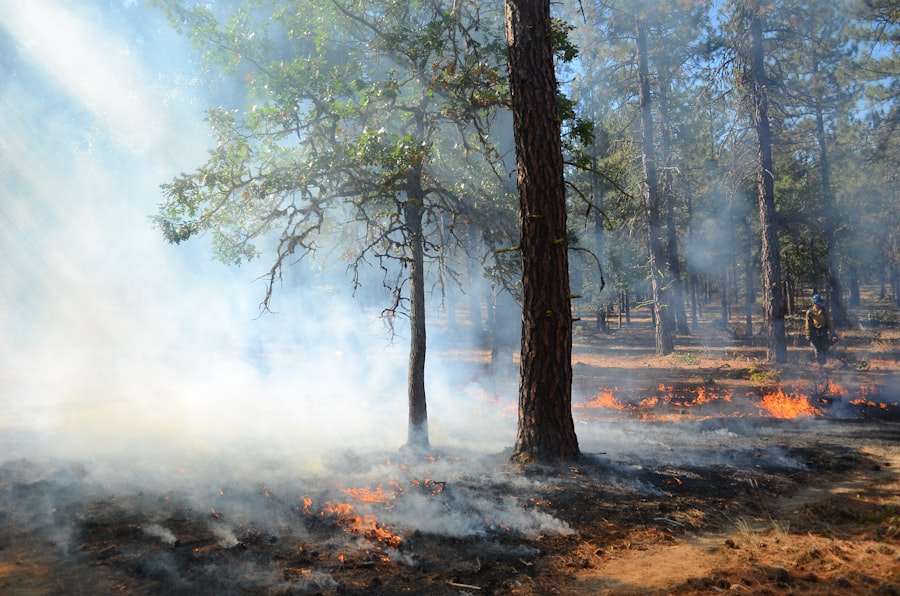
In the 21st century, as the consequences of climate change and decades of fire suppression become increasingly apparent, the ancient practices of Native American controlled burning are experiencing a significant resurgence in interest. This resurgence is driven by a growing recognition of the ecological wisdom inherent in these traditions and a desire to reclaim and revitalize indigenous land management knowledge.
Addressing the Challenges of Modern Fire Regimes
Modern fire management has often been characterized by a policy of aggressive suppression, which has led to an unnatural buildup of fuel in many ecosystems. This has resulted in larger, more intense, and more destructive wildfires that pose significant threats to human communities and natural resources. Controlled burning, as practiced by Native Americans, offers a potent tool for reintroducing beneficial fire into these landscapes.
The Dangers of Fire Suppression
Decades of aggressive fire suppression have created a paradox: by preventing natural fires, we have inadvertently made landscapes more susceptible to catastrophic wildfires. The accumulation of dead vegetation, coupled with climate change-induced drier conditions, has created tinderbox conditions. Reintroducing low-intensity, prescribed fires can help to break this dangerous cycle.
Reintroducing Beneficial Fire Through Prescribed Burns
Modern prescribed burning, heavily influenced by indigenous knowledge, aims to mimic the historical fire regimes that shaped North American ecosystems. By carefully planning and executing burns under specific weather conditions, land managers can reduce fuel loads, promote biodiversity, and restore the health of fire-dependent ecosystems. This approach recognizes that fire, when managed appropriately, is an essential component of ecological resilience.
Collaboration and Knowledge Exchange
There is a growing movement towards collaboration between indigenous communities and government agencies, researchers, and conservation organizations. This collaboration is crucial for sharing traditional ecological knowledge (TEK) and integrating it into modern land management practices. Indigenous knowledge holders are increasingly being recognized as vital partners in fire management and conservation efforts.
Indigenous-Led Fire Management Initiatives
Across the country, indigenous communities are leading initiatives to reintroduce controlled burning on their ancestral lands. These initiatives not only restore ecological health but also revive cultural traditions and empower tribal members. Organizations like the Intertribal Timber Council and various tribal natural resource departments are at the forefront of this movement.
Partnering with Researchers and Land Managers
The expertise of indigenous burners is invaluable to scientists and land managers seeking to understand and implement effective fire management strategies. Partnerships are being formed to combine traditional knowledge with scientific research, leading to more holistic and effective approaches to conservation. This collaborative spirit fosters mutual respect and a shared commitment to land stewardship.
The Future of Land Stewardship: Learning from the Past
The legacy of Native American controlled burning offers profound lessons for the future of land stewardship. It demonstrates that humans can live in harmony with natural processes, using their knowledge and skills to enhance rather than degrade the environment. As the world faces increasing ecological challenges, the wisdom of indigenous fire management practices holds immense potential for creating more resilient, biodiverse, and healthy landscapes for generations to come.
A Holistic Approach to Ecosystem Health
The indigenous approach to fire management is inherently holistic, recognizing the interconnectedness of all living things and the environment. This perspective is essential for addressing complex ecological challenges like climate change and biodiversity loss. By embracing this integrated approach, we can move towards a more sustainable and harmonious relationship with the natural world.
Empowering Indigenous Voices in Conservation
Reclaiming and valuing indigenous knowledge is not just about ecological restoration; it is also about empowering indigenous voices and recognizing their inherent rights and responsibilities as stewards of the land. Their long-standing connection to these landscapes and their accumulated wisdom are indispensable assets in the ongoing effort to protect and preserve our planet. The controlled burns of Native American ancestors continue to illuminate the path towards a healthier future for all.
The Wilderness Was Engineered
FAQs
What is Native American controlled burning?
Native American controlled burning is a traditional land management practice where Indigenous communities intentionally set fires to clear and maintain the health of ecosystems. This practice has been used for centuries to prevent larger, more destructive wildfires and promote the growth of certain plant species.
How does Native American controlled burning benefit the environment?
Native American controlled burning helps to reduce the buildup of flammable vegetation, which in turn lowers the risk of catastrophic wildfires. It also promotes the growth of fire-adapted plant species, improves soil fertility, and enhances biodiversity in the ecosystem.
What are the cultural and historical significance of Native American controlled burning?
Controlled burning is deeply rooted in the cultural and historical traditions of many Native American tribes. It is considered a sacred practice that reflects the deep connection between Indigenous communities and the land. The knowledge and techniques associated with controlled burning have been passed down through generations and are an integral part of tribal identity.
What are the challenges facing the use of Native American controlled burning today?
Despite its proven benefits, the use of controlled burning by Native American communities faces challenges such as restrictive government policies, limited resources, and lack of recognition and support from non-Indigenous authorities. Additionally, climate change and urban development have altered the natural fire regimes, making it more difficult to implement controlled burning practices.
How can non-Indigenous communities support and learn from Native American controlled burning practices?
Non-Indigenous communities can support Native American controlled burning practices by advocating for policies that recognize and respect Indigenous land management traditions, providing resources and funding for controlled burning initiatives, and engaging in collaborative partnerships with Indigenous communities to learn from their traditional ecological knowledge. This can help promote sustainable land management practices and reduce the risk of catastrophic wildfires for all communities.