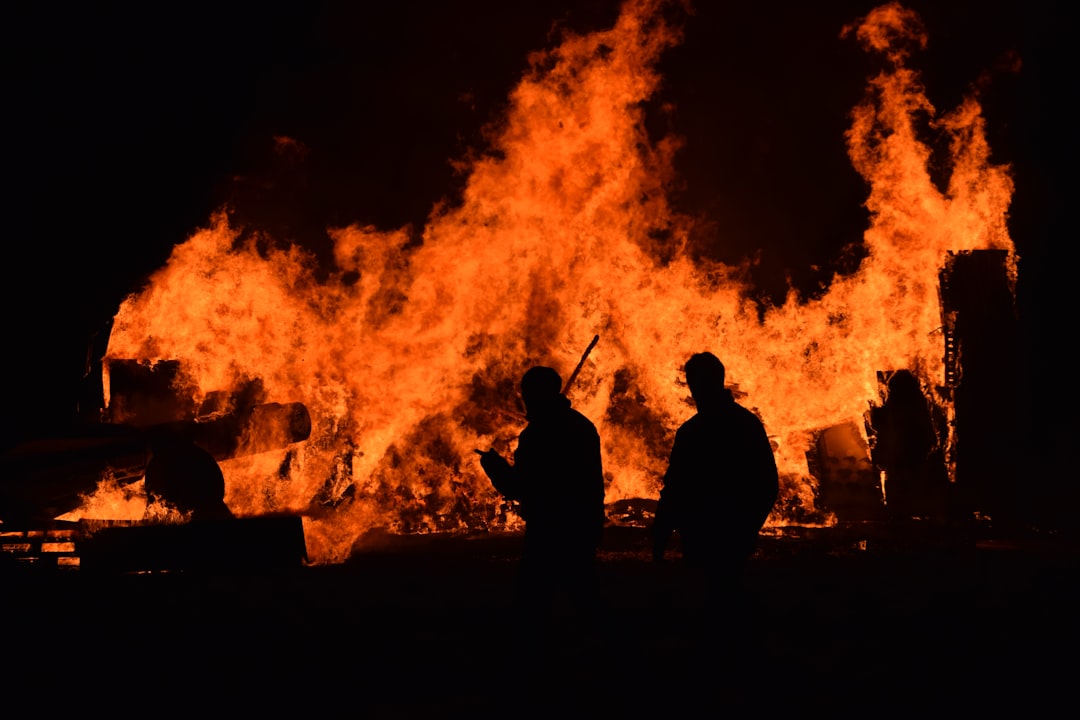
For millennia, the land of California has been shaped by the delicate dance between human hands and the elemental force of fire. Long before the advent of modern fire suppression, the Indigenous peoples of this region possessed a profound understanding of fire’s ecological role and wielded it with wisdom and intention. Their traditional fire management practices, born from generations of observation, experimentation, and a deep spiritual connection to the land, were not about conquering nature but about coexisting with it. These practices were integral to maintaining vibrant ecosystems, promoting biodiversity, and ensuring the sustainability of their communities, painting a complex tapestry of knowledge that continues to hold relevance today.
California Native American fire management practices have been pivotal in maintaining the health of ecosystems and reducing wildfire risks. These traditional methods, which include controlled burns, have been recognized for their effectiveness in promoting biodiversity and managing landscapes. For further insights into how ancient civilizations adapted to environmental challenges, you can explore the article on surviving drought in ancient cities, which discusses the resilience of communities in the face of climate adversity. You can read more about it here: Surviving Drought: Life in Ancient Cities.
The Sacred Role of Fire in Native Californian Worldviews
The relationship between California Native Americans and fire was far from a utilitarian one; it was deeply embedded in their spiritual and cosmological beliefs. Fire was not merely a tool but a living entity, a spirit with its own voice and purpose. This reverence shaped how it was used, respected, and integrated into every facet of life.
Fire as a Creator and Sustainer
Many Native Californian creation stories feature fire as a primordial force, instrumental in shaping the world. The Sun, often perceived as a great fire in the sky, was the ultimate life-giver. The controlled use of terrestrial fire was seen as an extension of this divine creative power, a means to nurture and regenerate the land. By clearing away dead organic matter, fire allowed new life to sprout, creating fertile grounds for the plants and animals that sustained them. This act of renewal was understood as a reciprocal relationship, where human intervention mirrored the natural cycles of decay and rebirth.
The Spirits of the Flames and the Land
It was believed that the spirits of the land and the spirits of fire were interconnected. Igniting a controlled burn was not just an act of igniting wood; it was a communion with these spirits, a dialogue with the natural world. Shamans and elders, as keepers of this sacred knowledge, would often perform ceremonies before and during prescribed burns, seeking guidance and ensuring the fire would serve its intended purpose without causing harm. This spiritual dimension infused the practice with a profound sense of responsibility and respect.
Fire as a Source of Purification and Cleansing
Beyond its role in ecological renewal, fire was also seen as a powerful agent of purification. Controlled burns could clear away disease-carrying organisms, pests, and invasive species, thus promoting the health of both the land and its inhabitants. This cleansing aspect extended to cultural practices as well, with smoke from sacred fires used in rituals for spiritual cleansing and healing. The act of burning was therefore a holistic endeavor, addressing physical, spiritual, and ecological well-being simultaneously.
The Intentionality of Traditional Burning: More Than Just Clearing Land

The misconception that traditional burning was simply about clearing land for agriculture or ease of travel is a gross oversimplification. The fire practices of California Native Americans were nuanced, targeted, and driven by a sophisticated understanding of ecological processes. Each burn was a deliberate intervention, designed to achieve specific outcomes for the benefit of the entire ecosystem.
Fuel Reduction for Natural Fire Regimes
One of the primary, though not solely utilitarian, goals of traditional burning was to manage fuel loads. By regularly burning undergrowth and dead vegetation, Indigenous peoples created mosaics of different vegetation ages and densities. This not only reduced the intensity of naturally occurring wildfires, making them less destructive and more manageable, but also promoted a fire regime that was natural to the California landscape. Many California ecosystems are fire-adapted, meaning they require periodic low-intensity fires to thrive. Traditional burning maintained this ecological balance.
Promoting Plant Diversity and Resilience
Controlled fires were instrumental in fostering a rich diversity of plant life. Certain seeds, like those of many grasses and wildflowers, require the heat and smoke of fire to germinate. By selectively burning specific areas, Indigenous communities could encourage the growth of these fire-dependent species, ensuring a continuous supply of food and resources. Different burn frequencies and intensities could also favor different plant communities, creating a patchwork of habitats that supported a wider array of fauna. This active management actively cultivated biodiversity, preventing monocultures and promoting ecosystem resilience.
Enhancing Food and Resource Availability
The deliberate use of fire directly impacted the availability of crucial resources. The clearing of dense undergrowth allowed sunlight to reach the forest floor, promoting the growth of edible grasses, berries, and roots. For example, the burning of chaparral habitats encouraged the proliferation of plants like toyon, which produced abundant berries for consumption and for the birds that were also a food source. Harvesting of seeds and acorns was often facilitated by controlled burns that cleared away competing vegetation and made gathering more efficient. This was not resource extraction; it was co-creation, ensuring a steady and sustainable supply of sustenance.
Shaping Wildlife Habitat
Fire management practices were also intricately linked to the management of wildlife. By creating varied landscapes with different vegetation types and successional stages, Indigenous peoples provided diverse habitats for a wide range of animals. Open, grassy areas created by fire were ideal for grazing animals like deer, while denser patches provided cover and nesting sites for birds and smaller mammals. The timing of burns was also crucial, with careful consideration given to breeding seasons and migration patterns to minimize disruption to animal populations.
The Art of the Controlled Burn: Techniques and Knowledge Transmission

The execution of these sophisticated fire practices was an art form, honed through generations of observation and passed down through oral traditions and direct mentorship. The knowledge of when, where, and how to burn was intricate and deeply embedded in cultural practices.
Understanding Fire Behavior and Seasonal Timing
California Native Americans possessed an intimate knowledge of fire behavior, understanding how factors like wind, humidity, fuel type, and topography influenced its spread. They knew which seasons were most suitable for burning, typically during drier periods when the ground was still somewhat moist to ensure low-intensity burns. They also understood the importance of backing fires, which moved against the wind and were slower and cooler, allowing for more control and selective burning. The timing was also crucial to avoid impacting sensitive plant or animal life.
Landscape-Level Planning and Mosaic Burning
Effective fire management was not about individual fires but about a landscape-level strategy. Communities would plan and execute a series of burns over time, creating a mosaic of land cover types. This patchwork approach ensured that at any given time, there were areas of young growth, mature vegetation, and recently burned areas. This not only promoted biodiversity but also served as a natural firebreak, limiting the spread of any unintentionally ignited wildfires. They understood that the landscape was a dynamic system and their burning practices were designed to maintain its inherent variability.
The Role of the Community and Knowledge Keepers
The practice of controlled burning was a collective endeavor, involving the entire community. Elders, shamans, and experienced individuals would guide the process, sharing their accumulated knowledge. Children learned by observing and participating, absorbing the lessons of fire management from a young age. This intergenerational transfer of knowledge ensured the continuity of these vital practices. The responsibility for the land and its fire regimes was a shared one, fostering a deep sense of stewardship within the community.
Specific Tools and Techniques
While the overarching principles were consistent, specific tools and techniques varied across different tribal groups and ecological zones. Some groups might have used simple tools like branches or bundles of dry grass to spread embers and initiate fires. Others developed more elaborate methods, using natural materials to contain or direct flames. The emphasis was always on precision and control, ensuring that the fire served its intended purpose without escaping its boundaries.
California Native American fire management practices have long been recognized for their effectiveness in maintaining healthy ecosystems and preventing large-scale wildfires. A related article explores innovative approaches to managing complex environments, which can provide valuable insights into how traditional ecological knowledge can be integrated with modern strategies. For more information on navigating the future of environmental management, you can read the article here: navigating the future of environmental management.
Beyond the Flames: The Ecological and Cultural Legacy of Traditional Fire Management
| Tribe | Fire Management Technique | Effectiveness |
|---|---|---|
| Karuk Tribe | Prescribed burning | Reduces fuel load and promotes forest health |
| Yurok Tribe | Cultural burning | Restores traditional ecological knowledge and reduces wildfire risk |
| Hoopa Valley Tribe | Forest thinning | Reduces wildfire intensity and protects cultural resources |
The traditional fire management practices of California Native Americans left an indelible mark on the landscape and continue to offer profound lessons for contemporary environmental stewardship. Their legacy is not just historical; it is a living testament to a more sustainable and harmonious relationship with the natural world.
The Myth of the Pristine Wilderness and the Fire-Scarred Landscape
For a long time, Western conservationist ideals often favored a vision of “pristine wilderness,” untouched by human hands. This often led to the suppression of natural fire regimes. However, ecological research has increasingly revealed that many California ecosystems are fire-dependent and that prolonged fire suppression has, in many cases, led to unnaturally dense fuel loads and more catastrophic wildfires. The landscape shaped by Indigenous fire practices was a managed one, a vibrant tapestry woven with the threads of fire and human intention, far from the notion of an untouched wilderness.
The Resurgence of Cultural Burning and Indigenous Knowledge
In recent decades, there has been a significant resurgence of interest in and practice of cultural burning by California Native American tribes. Recognizing the ecological benefits and the deep cultural significance of these practices, tribes are actively working to reclaim and re-implement traditional fire management. This movement is not just about ecological restoration; it is also about cultural revitalization and asserting Indigenous sovereignty over their ancestral lands. Organizations and initiatives are emerging to support these efforts, bridging the gap between traditional knowledge and modern ecological science.
Informing Modern Fire Management Strategies
The wisdom embedded in traditional California Native American fire management offers invaluable insights for contemporary wildfire mitigation and ecological restoration. By understanding the principles of controlled burning, fuel reduction, and habitat enhancement, land managers can develop more effective and sustainable approaches to managing fire-prone landscapes. This includes incorporating Indigenous knowledge into planning, fostering partnerships with tribes, and recognizing the ecological benefits of low-intensity fires. The historical success of these practices underscores the importance of working with fire, rather than solely against it.
A Model for Coexistence and Sustainability
Ultimately, the traditional fire management practices of California Native Americans serve as a powerful model for a more sustainable and harmonious relationship between humans and the natural world. Their approach, rooted in deep ecological understanding, spiritual reverence, and long-term planning, demonstrates that human intervention can be a force for good when guided by wisdom, respect, and a commitment to the health of the entire ecosystem. Their legacy continues to whisper through the landscape, reminding us of the profound lessons held within the heart of the flames.

The Wilderness Was Engineered
FAQs
What is California Native American fire management?
California Native American fire management refers to the traditional practices of using controlled burns to manage vegetation and reduce the risk of wildfires. This practice has been used by Native American tribes in California for thousands of years.
How do California Native American tribes use fire management?
California Native American tribes use fire management to clear underbrush, promote new growth of plants, and maintain open spaces for hunting and gathering. They also use controlled burns to reduce the buildup of flammable vegetation and prevent larger, more destructive wildfires.
What are the benefits of California Native American fire management?
The benefits of California Native American fire management include reducing the risk of catastrophic wildfires, promoting biodiversity, and maintaining healthy ecosystems. Controlled burns also help to improve soil fertility and reduce the spread of invasive species.
Is California Native American fire management still practiced today?
Yes, California Native American fire management is still practiced today by some tribes. Efforts are being made to revive and promote these traditional practices as a way to mitigate the increasing threat of wildfires in the state.
How does California Native American fire management differ from modern wildfire management?
California Native American fire management differs from modern wildfire management in that it focuses on using controlled burns to prevent wildfires, rather than solely relying on suppression tactics. It also emphasizes the importance of maintaining a balanced and healthy ecosystem through traditional practices.