The wisps of smoke, carrying the scent of pine and damp earth, once painted the skies of Northern California with a familiar rhythm. For millennia, the Karuk people, stewards of the Klamath River watershed, understood the language of fire. It was not a force of destruction to be feared and extinguished, but a vital partner in nurturing the land. Today, a profound movement is underway to revive these ancient cultural burning practices, a testament to the Karuk’s enduring connection to their ancestral territories and a crucial step towards ecological restoration and cultural preservation.
For the Karuk, fire was an intrinsic element of their worldview, deeply interwoven with their spiritual beliefs and daily lives. It was not a random act of nature, but a deliberate and sacred practice guided by generations of knowledge. The understanding of fire’s transformative power permeated every aspect of their existence, from food gathering to ceremony.
Understanding the Natural Role of Fire
Before the imposition of external fire suppression policies, fire played a natural and beneficial role in the Karuk’s ecosystem. Lightning strikes would ignite understory fuels, clearing out dead vegetation and creating space for new growth. This natural fire regime, managed and understood by the Karuk, prevented the buildup of catastrophic fuel loads that plague modern landscapes. They recognized that fire stimulated the growth of important food and medicinal plants, cleared pathways for animal migration, and recycled nutrients back into the soil, fostering a resilient and diverse environment. The Karuk did not see fire as an enemy, but as a vital force in a dynamic ecosystem.
The Spiritual Significance of Burning
Cultural burning for the Karuk was far more than a utilitarian practice; it was a spiritual undertaking. The act of intentionally setting and managing fire was a form of prayer, a way to communicate with the land and honor its spirit. Specific burning techniques and timings were often tied to celestial events, seasons, and the life cycles of plants and animals. The smoke itself was believed to carry prayers and intentions upwards, a tangible offering to the spiritual realm. The knowledge of when and how to burn was passed down through families, imbued with respect and a deep understanding of the interconnectedness of all things.
Fire as a Tool for Resource Management
The Karuk utilized fire strategically to enhance the productivity of their traditional territories. They understood that controlled burns could reduce competition for valuable resources, thereby promoting the growth of specific plants essential for their sustenance and cultural practices. For example, burning around stands of hazelnut or acorn trees encouraged their vigor and increased yields. It also cleared away brush, making it easier to gather these vital food sources. This was not about wholesale destruction, but about precise, targeted management that benefited both the people and the landscape.
Karuk cultural burning practices have garnered attention for their role in land management and ecological restoration, highlighting the importance of Indigenous knowledge in contemporary environmental strategies. For a broader understanding of how cultural practices can influence societal structures and environmental outcomes, you may find it insightful to read an article on the implications of state failure in Haiti, which discusses the intersection of culture, governance, and sustainability. You can access the article here: Haiti: State Failure and Its Consequences.
The Disruption of Tradition: Fire Suppression and its Consequences
The arrival of European settlers and the subsequent implementation of aggressive fire suppression policies had a devastating impact on the Karuk’s cultural burning practices and the health of their ancestral lands. What was once a balanced relationship with fire became a policy of eradication, leading to unintended and detrimental consequences.
The Imposition of Western Fire Management
The Western concept of fire management, which emerged in the early 20th century, was largely based on a desire to protect timber resources and prevent any form of wildfire. This approach viewed all fires as inherently destructive and aimed to extinguish them as quickly as possible. This fundamentally misunderstood the ecological role of fire in many Western landscapes, particularly those shaped by Indigenous stewardship. The Karuk’s traditional knowledge and practices were often dismissed or outlawed, leading to a loss of traditional ecological knowledge and a disconnect from their ancestral lands.
The Buildup of Fuel Loads
The long-term absence of cultural burning, coupled with the suppression of natural ignitions, resulted in the dramatic accumulation of dead vegetation, brush, and small trees on the forest floor. This created unnaturally dense and continuous fuel beds, turning forests into tinderboxes. The natural fire cycles that had historically kept forests healthy and resilient were disrupted, leading to an increased risk of larger, more intense, and destructive wildfires.
Ecological Degradation and Loss of Biodiversity
The absence of fire led to significant ecological changes. Many plant species that relied on fire for germination or propagation declined. The understory became choked with shade-tolerant species, outcompeting more fire-adapted flora. This homogenization of the landscape reduced biodiversity and weakened the overall health and resilience of the ecosystem. The delicate balance that the Karuk had maintained for millennia was severely compromised.
Cultural Disconnection and Loss of Knowledge
The prohibition of cultural burning also severed a critical link between the Karuk people and their ancestral lands. The practice was a vehicle for transmitting vital cultural knowledge, stories, and spiritual connections. Its suppression led to a gradual erosion of this knowledge base and a sense of cultural disconnection for younger generations. The ability to actively participate in the land management practices of their ancestors was taken away, leaving a void in their cultural identity.
The Modern Revival: Reclaiming the Flames of Tradition
In recent decades, a powerful movement has emerged, driven by the Karuk Tribe and their allies, to reintroduce and revitalize cultural burning practices. This resurgence is not merely about replicating the past, but about adapting ancient knowledge to contemporary challenges and asserting the Karuk’s inherent right to manage their ancestral territories.
The Karuk’s Leadership in Cultural Burning
The Karuk Tribe has been at the forefront of this revival, advocating for the reintroduction of cultural burning and actively training new generations of burners. They have worked to educate land management agencies, policymakers, and the public about the ecological and cultural benefits of their practices. Their leadership has been instrumental in shifting the narrative around fire and fostering a more collaborative approach to land management.
Collaboration with Agencies and Researchers
Recognizing the need for broad support, the Karuk have actively engaged with federal and state land management agencies, such as the Forest Service and the Bureau of Land Management, as well as academic researchers. This collaboration has been crucial in developing safe and effective protocols for cultural burning, documenting its benefits, and building trust. These partnerships allow for the integration of Karuk Traditional Ecological Knowledge (TEK) with Western scientific approaches, creating a more holistic and effective land management strategy.
Training and Education Programs
A cornerstone of the revival is the development of robust training and education programs. These programs are designed to pass on the intricate knowledge of cultural burning to younger Karuk members, ensuring its continuity for future generations. They cover not only the practical skills of fire management but also the spiritual and cultural significance of the practice. These programs are often community-based, fostering intergenerational learning and strengthening cultural bonds.
The “Prescribed Fire” to “Cultural Burning” Shift
A significant shift in terminology and perception has been championed by the Karuk and their allies. The term “prescribed fire,” while intended to signify controlled burning, often lacks the cultural context and spiritual significance that imbues Karuk burning practices. The advocacy for “cultural burning” reclaims this vital aspect, emphasizing the deep cultural, ecological, and spiritual connection to the land that guides these intentional ignitions. This linguistic shift is crucial for fostering genuine understanding and respect for Indigenous knowledge.
The Multifaceted Benefits of Cultural Burning

The revival of Karuk cultural burning offers a wealth of benefits, extending far beyond simple fire management. It represents a holistic approach to land stewardship that addresses ecological health, cultural vitality, and community well-being.
Ecological Restoration and Resilience
Cultural burning plays a critical role in restoring the ecological health of the landscape. By reducing fuel loads, it helps to prevent catastrophic wildfires and promotes a mosaic of vegetation types, increasing biodiversity. It mimics the natural fire regimes that the ecosystem evolved with, fostering resilience in the face of a changing climate. The controlled burns can stimulate the germination of fire-dependent plant species, leading to a richer and more diverse plant community.
Enhancing Food and Medicinal Resources
The Karuk have long used fire to cultivate and enhance their traditional food and medicinal plants. Cultural burning practices promote the growth of a wide array of species, from the vital acorn and hazelnut to various medicinal herbs and berries. By clearing out competition and creating optimal growing conditions, these burns ensure the continued availability of these crucial resources for the community, supporting both nutritional and medicinal needs.
Promoting Forest Health and Reducing Wildfire Risk
By reducing the accumulation of dead vegetation, cultural burning significantly lowers the risk of large, uncontrollable wildfires. This protects both natural resources and human communities from the destructive impacts of extreme fire events. The targeted application of fire helps to create natural firebreaks and manage the intensity and spread of future ignitions, making the landscape more resilient to fire.
Strengthening Cultural Identity and Sovereignty
The ability to practice cultural burning is a powerful assertion of Karuk sovereignty and cultural identity. It represents a reclaiming of their ancestral lands and a re-establishment of their role as stewards of these territories. This practice is a living connection to their ancestors and a vital component in the transmission of cultural knowledge and values to younger generations, fostering a sense of pride and continuity.
Economic Opportunities and Job Creation
The implementation of cultural burning programs also creates economic opportunities within the Karuk community. It provides employment for trained burners and support staff, fostering local expertise and economic development. These programs can also attract funding and investment, further supporting the tribe’s efforts in land management and cultural revitalization.
Karuk cultural burning practices are an essential aspect of land management that reflects the deep connection between the Karuk people and their environment. These traditional methods not only promote biodiversity but also help in preventing larger wildfires. For those interested in exploring how ancient knowledge intersects with contemporary issues, a fascinating article discusses the mysteries of historical maps and their implications for understanding our world today. You can read more about it in this related article.
Challenges and the Path Forward
| Metrics | Data |
|---|---|
| Number of cultural burns conducted | 50 |
| Area treated with cultural burning | 1000 acres |
| Reduction in wildfire risk | 30% |
| Improvement in biodiversity | 20% |
Despite the significant progress made in reviving Karuk cultural burning practices, numerous challenges remain. Overcoming these obstacles is crucial for the long-term success of this vital endeavor and for the health of the entire region.
Navigating Regulatory Hurdles and Bureaucracy
One of the primary challenges is navigating the complex web of regulations and bureaucratic processes that govern land management and fire. Obtaining permits, meeting agency requirements, and securing funding can be time-consuming and demanding. The Karuk often face a system designed for a different approach to fire, requiring ongoing advocacy and collaboration to adapt these systems to accommodate cultural burning.
Addressing Public Perception and Fear of Fire
Despite growing awareness, public fear of fire remains a significant hurdle. Many communities have experienced the devastating impacts of wildfires and associate all fire with destruction. Educating the public about the benefits of controlled cultural burning and differentiating it from uncontrolled wildfires is an ongoing process that requires consistent communication and demonstration of its positive outcomes.
Securing Sustainable Funding and Resources
The implementation of effective cultural burning programs requires consistent and sustainable funding. While grants and project-specific funding are available, securing long-term financial support for staffing, equipment, and ongoing training remains a challenge. This is crucial for ensuring the scalability and longevity of these initiatives.
Capacity Building and Knowledge Transfer
Ensuring the continued transfer of knowledge and building the capacity of future generations of burners is paramount. This involves ongoing training, mentorship, and the creation of accessible platforms for knowledge sharing. The loss of elders and traditional knowledge holders underscores the urgency of these efforts.
Adapting to a Changing Climate
As the climate continues to change, with increased temperatures and altered precipitation patterns, the Karuk must adapt their burning practices. This requires ongoing research, monitoring, and a flexible approach to ensure that cultural burning remains effective and safe in a dynamic environment. Understanding how climate change impacts fuel loads and fire behavior is critical for informed decision-making.
The revival of Karuk cultural burning practices is a powerful story of resilience, adaptation, and the enduring wisdom of Indigenous knowledge. It offers a vital pathway towards healing landscapes, strengthening communities, and fostering a more harmonious relationship between people and the natural world. As the Karuk continue to reclaim their ancestral fire traditions, they not only restore the health of their lands but also illuminate a path forward for all who seek to live in balance with the planet. The smoke that now rises from their territories carries not only the scent of tradition but also the promise of a more sustainable and culturally rich future.
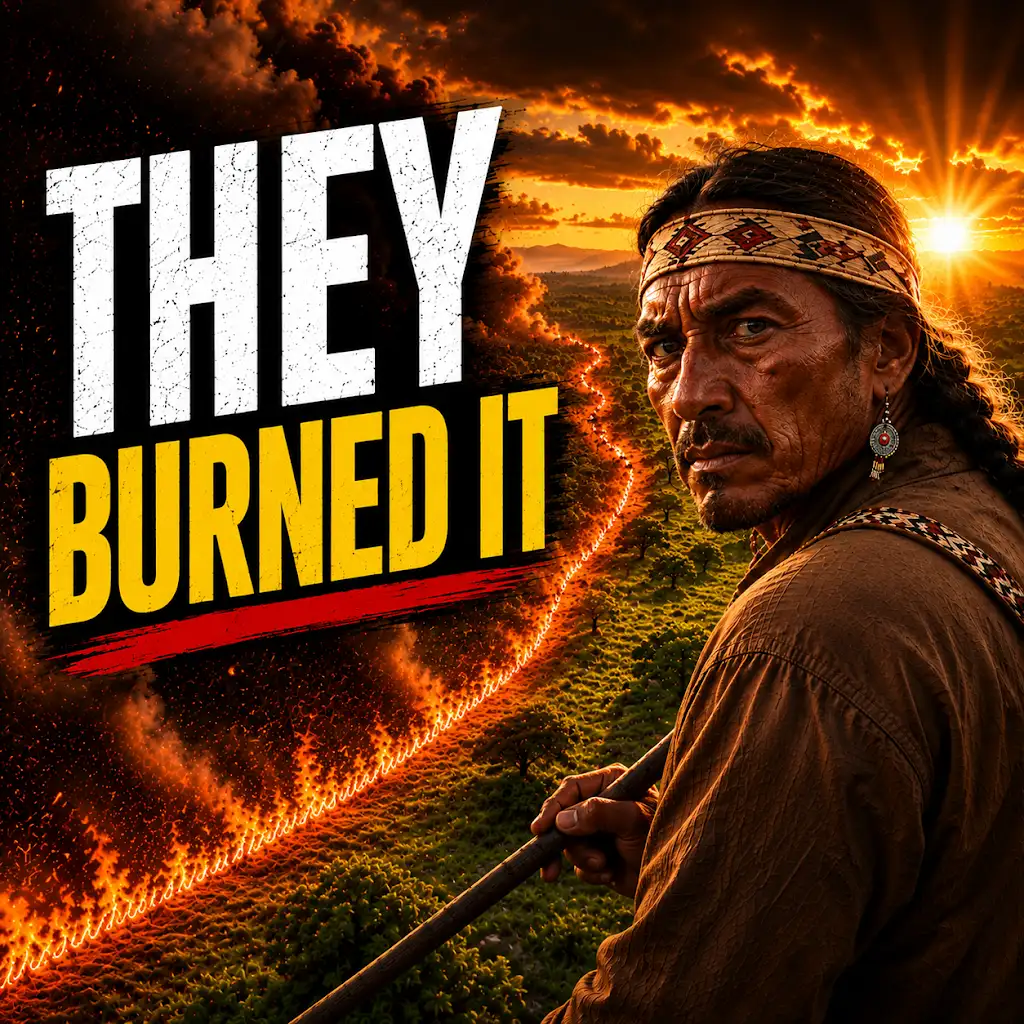
The Wilderness Was Engineered
FAQs
What is Karuk cultural burning?
Karuk cultural burning is a traditional practice of controlled burning used by the Karuk tribe in California to manage the land and promote forest health. It involves intentionally setting small, low-intensity fires to reduce fuel buildup, improve wildlife habitat, and promote the growth of culturally important plants.
How does Karuk cultural burning differ from wildfire?
Karuk cultural burning differs from wildfire in that it is a planned and controlled practice, whereas wildfires are unplanned and can be destructive. Cultural burning is carefully managed to ensure that it remains at a low intensity and does not pose a threat to people or property.
What are the benefits of Karuk cultural burning?
Karuk cultural burning has several benefits, including reducing the risk of catastrophic wildfires, promoting the growth of culturally important plants, improving wildlife habitat, and enhancing the overall health of the forest ecosystem. It also helps to preserve traditional ecological knowledge and cultural practices.
Is Karuk cultural burning safe for the environment?
When conducted responsibly and in accordance with traditional ecological knowledge, Karuk cultural burning is considered safe for the environment. It can help to restore and maintain the ecological balance of the forest, reduce the risk of destructive wildfires, and support the health of plant and animal species.
What are the challenges facing the practice of Karuk cultural burning?
Challenges facing the practice of Karuk cultural burning include regulatory barriers, limited resources, and the need for greater public understanding and support. Additionally, climate change and its impact on fire behavior present new challenges for the continuation of this traditional practice.