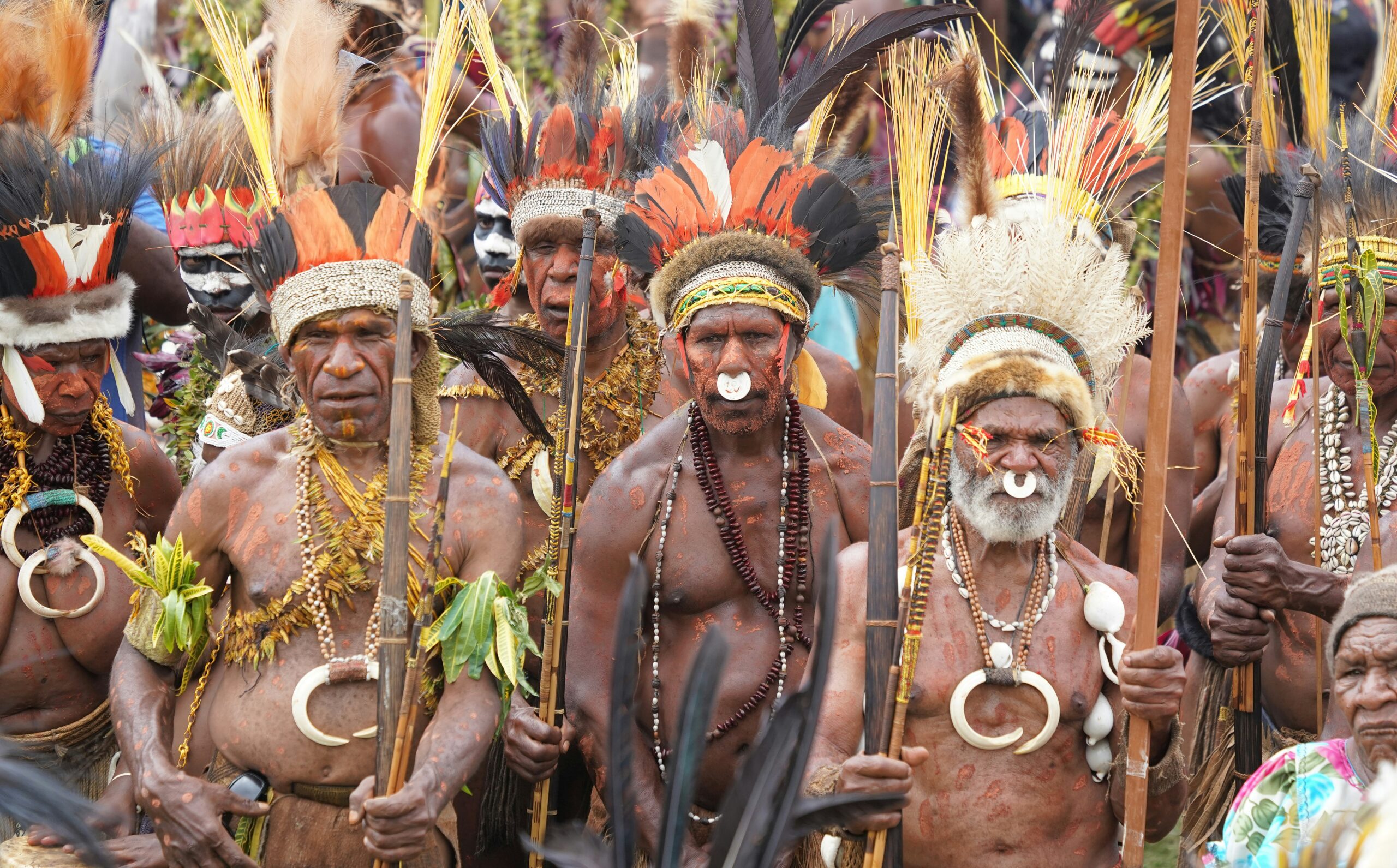
Uncovering Indigenous History: A Documentary Journey
The unveiling of Indigenous history through documentary film offers a profound and often overdue exploration into narratives that have been marginalized, suppressed, or intentionally erased from mainstream historical accounts. This journey into the past is not merely an academic exercise; it is a vital act of reclamation, healing, and understanding. A documentary’s power lies in its ability to bring forgotten voices to the forefront, to visualize ancient traditions, and to bear witness to the resilience and enduring spirit of Indigenous peoples. Such films serve as crucial educational tools, challenging colonial perspectives and fostering a more nuanced and equitable understanding of human history.
Documentary filmmaking has emerged as an indispensable tool for preserving and disseminating Indigenous histories. Far beyond the written word, which was often imposed by colonizing forces, the visual and auditory elements of documentaries allow for a more holistic and deeply personal connection to the past. These films act as living archives, capturing oral traditions, ceremonial practices, languages, and the lived experiences of individuals and communities.
Oral Traditions Brought to Life
For centuries, Indigenous knowledge has been passed down through rich oral traditions. Documentaries can preserve these invaluable narratives, ensuring their survival for future generations. By interviewing elders, storytellers, and community leaders, filmmakers can translate these spoken histories into a visual medium, allowing audiences to witness the cadence of a storyteller’s voice, the gestures that accompany ancient tales, and the emotional weight of collective memory. This goes beyond simply recording words; it’s about capturing the spirit of the transmission, the cultural context in which these stories have always lived. The intimate nature of documentary filmmaking allows for a depth of engagement that written accounts, especially those filtered through colonial interpretation, often lack. When an elder recounts a creation myth, the viewer sees their face, their environment, and perhaps even the land that is central to that story. This multi-sensory experience fosters a much deeper understanding and empathy than reading a transcript alone.
Visualizing Cultural Practices and Ceremonies
Indigenous cultures are imbued with deeply meaningful practices and ceremonies that are often complex and visually rich. Documentaries provide a unique opportunity to observe these traditions in their natural setting, offering an unparalleled glimpse into the spiritual, social, and political fabric of Indigenous societies. From the intricate beadwork of regalia to the rhythmic drumming of a powwow, these visual elements are not just aesthetic; they are carriers of cultural meaning and historical continuity.
The Sacredness of Sacred Spaces
Many Indigenous ceremonies are performed in specific, often sacred, locations that hold deep spiritual significance. Documentaries can respectfully portray these spaces, providing context for the rituals and demonstrating the profound connection between Indigenous peoples and their ancestral lands. The visual presence of mountains, rivers, forests, or deserts in a documentary about Indigenous practices immediately grounds the viewer in a specific worldview, one where the natural world is not separate from the human but intrinsically woven into it. This visual storytelling can convey the sacredness of these places in a way that words alone cannot fully articulate, highlighting the interconnectedness of culture, spirituality, and environment.
The Transmission of Knowledge Through Performance
Performance, whether in the form of dance, song, or ritual, is a powerful method of knowledge transmission in many Indigenous cultures. Documentaries can capture these dynamic performances, illustrating not only the artistic skill involved but also the historical knowledge and cultural values being conveyed. The movements of a traditional dance, for instance, can tell stories of ancestors, battles, or ecological understanding. The specific melodies of a song might carry encoded histories or prayers. By filming these performances, documentaries preserve not only the outward expression but also the underlying layers of meaning and purpose that have been passed down through generations.
Challenging Colonial Narratives
One of the most critical roles of documentaries in uncovering Indigenous history is their ability to actively challenge and dismantle the often-biased and incomplete narratives that have dominated historical discourse. Colonial perspectives have frequently portrayed Indigenous peoples as primitive, uncivilized, or passive victims of conquest. Documentaries, by centering Indigenous voices and experiences, offer a powerful counter-narrative.
Reclaiming Agency and Voice
By allowing Indigenous individuals to speak for themselves, documentaries empower them to reclaim their agency and tell their own stories. This direct testimony is invaluable in correcting historical inaccuracies and presenting a more authentic and multidimensional portrayal of Indigenous peoples. When an Indigenous person recounts their family’s experience of forced assimilation or land dispossession, their words carry the weight of lived truth, offering a stark contrast to the sanitized or romanticized accounts often found in colonial histories. This reclaiming of voice is an act of defiance against historical silencing and a vital step towards reconciliation.
Exposing the Impact of Colonization
Documentaries can also serve as a stark and unflinching examination of the devastating impacts of colonization, including genocide, land theft, forced assimilation, and cultural suppression. By providing visual evidence and personal testimonies, these films can educate a wider audience about the historical injustices perpetrated against Indigenous peoples and the ongoing consequences of these actions. The visual of a former residential school, coupled with the raw accounts of survivors, can be far more impactful than a factual statement about the institution. This exposure is not intended to simply create guilt, but to foster a deep and comprehensive understanding of the historical roots of present-day inequalities and to motivate genuine efforts towards restorative justice.
In exploring the rich tapestry of Indigenous history, one can gain valuable insights from various documentaries that highlight the struggles and triumphs of Indigenous communities. A related article that provides essential tips for preparing your home for national emergencies can be found at this link: Preparing Your Home for National Emergencies: Essential Tips. This resource emphasizes the importance of resilience, a theme that resonates deeply within Indigenous narratives, as many communities have historically faced and overcome significant challenges.
The Voices of the Elders: Custodians of Memory
Elders hold a unique and revered position within Indigenous communities. They are the living repositories of knowledge, tradition, and history. Documentary films that prioritize the voices and perspectives of elders are not just informative; they are sacred, offering a direct link to the wisdom and experiences of those who have come before.
The Intergenerational Transfer of Knowledge
The intergenerational transfer of knowledge is a cornerstone of Indigenous cultures. Documentaries that capture elders sharing their stories, teachings, and life lessons with younger generations highlight the importance of this continuous flow of wisdom. The visual of an elder patiently guiding a young person through a traditional craft or explaining a historical event creates a powerful image of continuity and cultural resilience. These films demonstrate that history is not a static collection of facts but a living, breathing entity that is constantly being passed on and reinterpreted.
The exploration of Indigenous history is a vast and intricate subject, often revealing the deep connections between ancient cultures and their understanding of the world. A fascinating article that delves into this theme is available at this link, which discusses the Piri Reis map and its significance in the context of ancient cartography and modern science. This resource highlights how Indigenous knowledge systems contributed to early navigation and geography, providing valuable insights into the rich tapestry of human history.
Witnessing a Changing World
Elders have often witnessed profound societal changes, from the erosion of traditional ways of life to the impacts of modern development. Their testimonies in documentaries provide invaluable insights into these transformations, offering historical context and personal reflections on the challenges and adaptations faced by their communities. Hearing an elder describe the landscape as it was in their youth, compared to its present state, can be a poignant and powerful way to illustrate the impact of environmental change and resource extraction. Their perspectives offer a unique lens through which to understand the ongoing struggles for Indigenous rights and self-determination.
Reflections on Cultural Resilience
Despite the immense pressures of colonization and assimilation, Indigenous cultures have demonstrated extraordinary resilience. Elders’ narratives in documentaries often speak to this enduring strength, recounting stories of survival, adaptation, and the unwavering commitment to preserving cultural identity. They can speak of the times when their languages were forbidden in schools, yet how those languages were kept alive in homes and sacred spaces. They can recount moments of cultural revival and the renewed pride in traditions that were once actively discouraged. These stories are not just historical accounts; they are testaments to the indomitable spirit of Indigenous peoples.
The Importance of Indigenous Languages
Indigenous languages are intrinsically linked to cultural identity and historical knowledge. Many elders are the last fluent speakers of their ancestral languages. Documentaries that feature these elders speaking their languages, even if subtitled for a wider audience, play a crucial role in preserving these linguistic treasures and raising awareness about the ongoing efforts to revitalize them. The sound of an ancestral language spoken by an elder can evoke a profound sense of heritage and belonging. When a documentary features an elder recounting a story or imparting wisdom in their native tongue, it is an act of cultural preservation in itself, demonstrating the beauty and richness of a language that carries within it centuries of knowledge and worldview.
The Legacy of Resistance: Stories of Resilience and Survival

Indigenous history is inextricably linked to a legacy of resistance against oppression and a remarkable capacity for survival. Documentaries that explore these themes offer powerful narratives of courage, determination, and the unwavering pursuit of self-determination.
Journeys of Activism and Advocacy
Many documentaries focus on the pivotal moments and individuals in Indigenous activism and advocacy. These films highlight the struggles for land rights, treaty enforcement, environmental protection, and self-governance, showcasing the strategic brilliance and unwavering dedication of Indigenous leaders and communities. The footage of protests, occupations, and political negotiations can be incredibly compelling, illustrating the tangible efforts made to reclaim rights and protect cultural heritage.
Landmark Legal Battles
Indigenous peoples have engaged in numerous legal battles to assert their rights and protect their lands. Documentaries that delve into these landmark cases, such as the landmark Supreme Court decisions or international tribunal proceedings, provide crucial context for understanding the legal frameworks surrounding Indigenous sovereignty. These films can illuminate the complex legal arguments, the sacrifices made by those involved, and the long-term impact of these victories or setbacks on Indigenous communities. Understanding these legal battles is essential for comprehending the ongoing evolution of Indigenous rights.
Environmental Stewardship and Protection
Indigenous communities have long been stewards of their ancestral lands, possessing deep ecological knowledge and a profound respect for the natural world. Documentaries that highlight Indigenous-led environmental initiatives, such as campaigns against resource extraction or efforts to restore damaged ecosystems, demonstrate the vital role Indigenous peoples play in conservation and sustainability. The visual evidence of traditional land management practices, alongside contemporary activism to protect sacred sites from industrial encroachment, showcases a historical and ongoing commitment to environmental harmony.
The Enduring Spirit of Cultural Continuity
Despite the immense challenges, Indigenous cultures have persisted and evolved. Documentaries that focus on the ways in which Indigenous peoples have maintained their cultural practices, languages, and traditions offer inspiring stories of resilience and adaptation. This can include showcasing the revitalization of traditional ceremonies, the resurgence of Indigenous art forms, and the successful integration of traditional knowledge with contemporary life.
The Revival of Traditional Arts and Crafts
The artistic expressions of Indigenous peoples are deeply interwoven with their history, spirituality, and worldview. Documentaries that explore the revival of traditional arts and crafts, such as weaving, pottery, carving, or beadwork, reveal not only artistic mastery but also the continuity of cultural knowledge and identity. These films can show the meticulous processes involved, the symbolism embedded in the designs, and the ways in which these crafts are being passed down to new generations, ensuring their survival and relevance.
The Importance of Indigenous Education Initiatives
Recognizing the need to reclaim and control their own educational narratives, Indigenous communities have developed innovative educational initiatives. Documentaries that highlight these efforts, such as Indigenous-led schools, language immersion programs, and cultural centers, demonstrate the commitment to educating future generations in ways that honor their heritage and foster self-determination. These initiatives are crucial for counteracting the legacy of assimilationist education systems and for ensuring that Indigenous histories and knowledge are accurately and respectfully taught.
Bridging Divides: Documentaries as Tools for Reconciliation
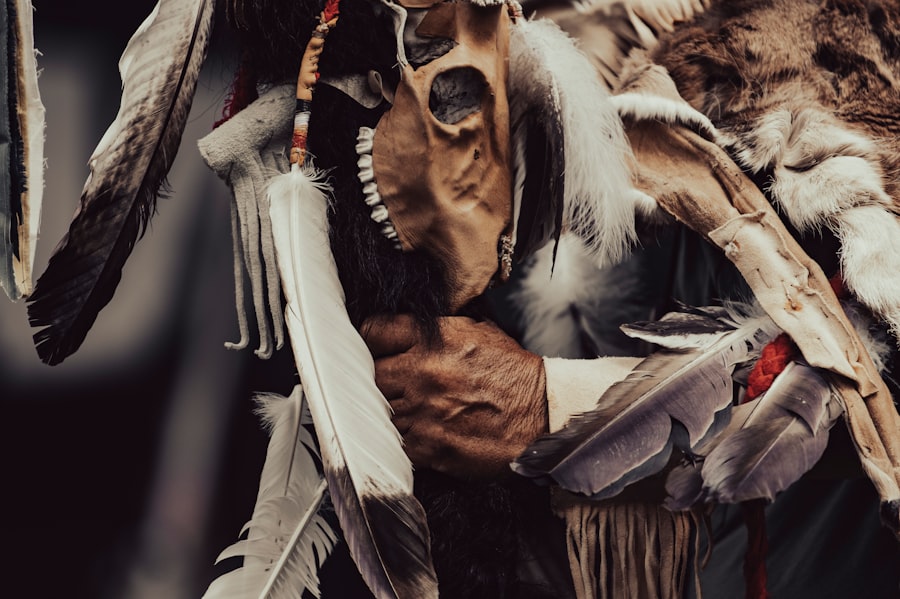
In the pursuit of reconciliation between Indigenous and non-Indigenous peoples, documentary films play a pivotal role. By fostering understanding, empathy, and a shared appreciation for diverse histories, these films can help to bridge divides and build a more inclusive future.
Educating Non-Indigenous Audiences
Documentaries serve as powerful educational tools for non-Indigenous audiences, offering a window into Indigenous cultures, histories, and contemporary realities that may be unfamiliar or misunderstood. This exposure can challenge stereotypes, dismantle prejudices, and foster a more informed and compassionate citizenry. The impact of seeing the world through an Indigenous lens, even for a short period, can fundamentally shift one’s perspective.
Understanding Historical Injustices
A crucial aspect of reconciliation is the acknowledgment and understanding of historical injustices. Documentaries that candidly address the impacts of colonization, residential schools, and systemic discrimination are vital for fostering this understanding among non-Indigenous populations. Without this understanding, true reconciliation remains an elusive goal. These films provide the historical context and human impact necessary to move beyond superficial apologies and towards meaningful action.
Fostering Empathy and Connection
By sharing personal stories and lived experiences, documentaries can evoke empathy and create a sense of connection between Indigenous and non-Indigenous viewers. This emotional engagement is essential for breaking down barriers and building relationships based on mutual respect and understanding. When a viewer is moved by the story of an Indigenous family’s struggle for survival or the triumph of cultural revival, they are more likely to engage in dialogue and support Indigenous causes.
Empowering Indigenous Communities
Documentaries can also serve as empowering tools for Indigenous communities themselves. By celebrating their histories, cultures, and resilience, these films can foster pride, strengthen identity, and encourage continued cultural revitalization. The act of seeing their own stories reflected and validated on screen can be profoundly affirming.
Promoting Self-Determination and Sovereignty
Documentaries that highlight Indigenous-led initiatives and movements for self-determination and sovereignty can inspire and empower communities to continue their pursuit of agency and control over their own futures. These films can showcase successful models of Indigenous governance, economic development, and cultural preservation, providing tangible examples of what is possible.
Creating Platforms for Dialogue and Action
Ultimately, documentaries can serve as catalysts for dialogue and action. By bringing important issues to the forefront and prompting critical reflection, these films can encourage viewers to engage in conversations, support Indigenous initiatives, and advocate for meaningful change. The viewing of a powerful documentary can be the spark that ignites a lifelong commitment to justice and reconciliation. The journey of uncovering Indigenous history through documentary film is an ongoing and essential endeavor, vital for a more complete and honest understanding of our shared past and a more equitable future.
The Wilderness Was Engineered
FAQs
What is the Indigenous history documentary about?
The Indigenous history documentary explores the rich and diverse history of Indigenous peoples, their cultures, traditions, and contributions to society. It delves into the impact of colonization, the resilience of Indigenous communities, and their ongoing struggles for recognition and justice.
Who is the target audience for the Indigenous history documentary?
The target audience for the Indigenous history documentary includes individuals interested in learning about Indigenous history, students studying history and social studies, educators, and anyone seeking to gain a deeper understanding of Indigenous cultures and experiences.
What are some key themes covered in the Indigenous history documentary?
Some key themes covered in the Indigenous history documentary include the impact of colonization, Indigenous resistance and resilience, cultural revitalization, land rights and sovereignty, and the ongoing effects of historical trauma on Indigenous communities.
How does the Indigenous history documentary contribute to education and awareness?
The Indigenous history documentary contributes to education and awareness by providing a comprehensive and authentic portrayal of Indigenous history, shedding light on often overlooked or misrepresented aspects of Indigenous cultures, and fostering a greater understanding and appreciation for Indigenous perspectives.
Where can one watch the Indigenous history documentary?
The Indigenous history documentary may be available for viewing on streaming platforms, through educational institutions, at film festivals, and through community screenings. It is important to check with local libraries, educational institutions, and Indigenous organizations for information on accessing the documentary.