The embers of ancient wisdom are being fanned to life across Australia, as a growing movement seeks to revive traditional Aboriginal fire management practices. For millennia, Indigenous Australians expertly wielded fire as a tool to shape their landscapes, fostering biodiversity, enhancing food sources, and preventing catastrophic bushfires. However, colonial policies and the suppression of cultural practices led to a disconnect from this vital knowledge. Today, a resurgence of interest, driven by both Indigenous communities and fire management professionals, is demonstrating the profound benefits of returning to these age-old techniques.
For tens of thousands of years, Aboriginal peoples were the custodians of the Australian continent, their presence inextricably linked with the land through the strategic use of fire. This was not a destructive force, but a nuanced and deliberate practice, deeply woven into their cultural, spiritual, and ecological understanding. The very definition of the Australian landscape, from its ancient eucalyptus forests to its vast savanna plains, bears the indelible mark of Indigenous fire management.
The Philosophical Underpinnings: More Than Just Burning
At its core, traditional Aboriginal fire management was guided by a profound philosophical framework. Fire was understood not merely as an instrument for clearing land, but as a sacred element, a living entity with its own spirit and purpose. This worldview fostered a deep respect for the land and a commitment to its long-term health and sustainability. Indigenous people saw themselves not as masters of the environment, but as partners, working in harmony with its natural cycles.
Kinship with Country: A Sacred Bond
The concept of “Country” for Aboriginal peoples extends far beyond a geographical territory. It encompasses a complex web of relationships between people, plants, animals, spirits, and the land itself. Fire was an integral part of this interconnectedness, managed to nurture and maintain the health of all elements of Country. The burning practices were often dictated by the seasons, the types of vegetation present, and the needs of specific animal species. It was a holistic approach that recognized the delicate balance of the ecosystem.
The Role of Elders and Knowledge Keepers
The transmission of fire management knowledge was a highly sacred and revered process, passed down through generations from Elders to younger members of the community. This knowledge was not static; it was constantly refined and adapted based on direct observation and deep understanding of local conditions. Elders held the keys to knowing when to burn, where to burn, and how to burn, ensuring that the practice served the broader ecological and cultural needs of their people. This oral tradition was the living library of fire management expertise.
The Practical Applications: Shaping Ecosystems for Resilience
The practical outcomes of traditional Aboriginal fire management were far-reaching and undeniably beneficial. These burns were carefully planned and executed, leading to a mosaic of landscapes that were more resilient to natural disturbances, richer in biodiversity, and more productive for human and animal sustenance.
Fuel Reduction and Bushfire Prevention: A Proactive Approach
One of the most critical outcomes of traditional burning was the proactive management of fuel loads. By conducting frequent, low-intensity fires, often during cooler, wetter periods, Indigenous Australians prevented the accumulation of large amounts of dry vegetation that could fuel devastating bushfires. These “cool burns” targeted grasses and low-lying scrub, clearing the ground without damaging mature trees or causing widespread ecological disruption. This strategy created natural firebreaks and ensured that any naturally occurring fires were less likely to spread uncontrollably.
Enhancing Biodiversity and Ecosystem Health: A Living Tapestry
Traditional burning practices played a crucial role in promoting biodiversity. The mosaic of landscapes created by these fires supported a wider range of habitats and niches for plants and animals. For example, burning could stimulate the germination of certain seeds, promote the growth of nutritious grasses favored by grazing animals, and create open areas beneficial for ground-dwelling birds. The varied fire regimes prevented any single plant species from dominating, fostering a more complex and robust ecosystem.
Food and Resource Management: Nourishing People and Planet
Fire was an essential tool for managing food resources. Burning specific areas could encourage the growth of edible plants, such as yams and bush fruits, making them more accessible and abundant. It also influenced the behavior of animals, driving them towards areas where they could be more easily hunted. Furthermore, fire was used to manage the landscape for hunting, creating clearings that facilitated tracking and ambushing game. This was a sustainable form of resource management that ensured the long-term availability of food for communities.
Aboriginal fire management practices in Australia have garnered significant attention for their role in promoting biodiversity and reducing the risk of catastrophic wildfires. These traditional techniques, which have been used for thousands of years, emphasize the importance of controlled burns to manage landscapes sustainably. For further insights into the economic implications of traditional practices, you can refer to a related article that discusses the broader impacts of cultural practices on economies, such as the one found at this link.
The Disruption of Knowledge: Colonial Impact and the Loss of Fire Culture
The arrival of European settlers in Australia marked a catastrophic turning point for Aboriginal peoples and their intimate relationship with fire. Colonial policies, driven by a misunderstanding of Indigenous land management and a desire to impose Western agricultural practices, actively suppressed traditional burning. This disruption had profound and lasting consequences for the Australian landscape.
Imposing Alien Land Use Practices: A Clash of Worldviews
The colonial administration viewed the land through a lens of ownership and exploitation, rather than stewardship and reciprocity. They often saw Indigenous burning as “savagery” or “neglect,” failing to recognize its ecological purpose. Attempts were made to eradicate traditional fire practices, replacing them with fenced pastures and agricultural landscapes that were ill-suited to the Australian environment and highly susceptible to drought and bushfire.
The Erasure of Cultural Practices: A Severed Connection
Beyond the land itself, colonial policies sought to dismantle Aboriginal societies, including the suppression of their languages, spiritual beliefs, and cultural practices. The intricate knowledge systems that underpinned fire management, passed down through generations, were fractured. The removal of Indigenous peoples from their Country, often through forced displacement, severed their direct connection to the land and their ability to practice their traditional ways of living, including fire stewardship.
The Unintended Consequences: Escalating Bushfire Catastrophes
The absence of traditional burning practices led to a significant increase in the accumulation of flammable fuel across the landscape. Without the regular, low-intensity fires managed by Indigenous peoples, vegetation became denser and drier, creating the perfect conditions for intense and uncontrollable bushfires. The devastating bushfire seasons that have become a recurring tragedy in Australia are a direct consequence of this historical suppression of Indigenous fire knowledge.
The Modern Renaissance: Reclaiming and Reviving Fire Management
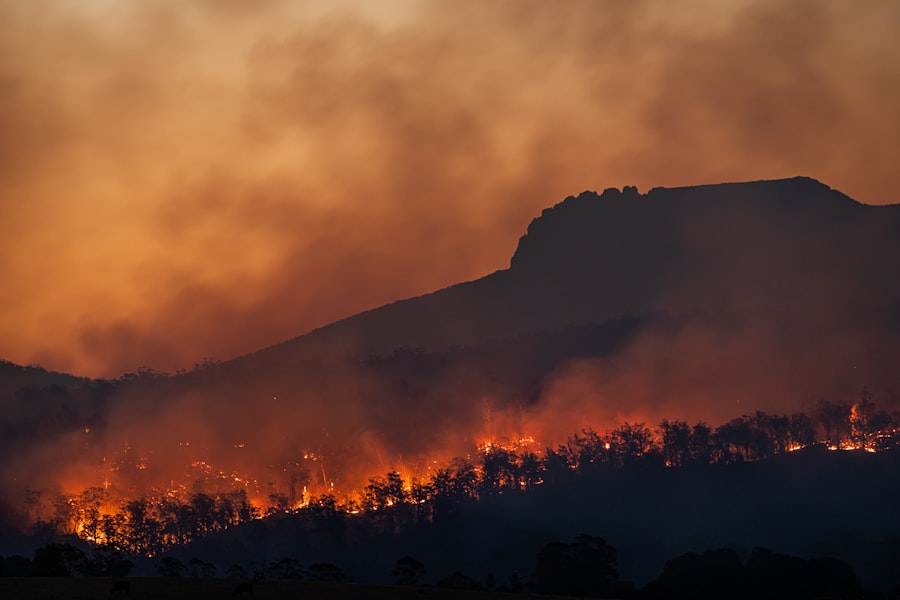
In recent decades, a powerful and inspiring movement has emerged, driven by Indigenous communities, scientists, and land managers, to reclaim and revive traditional Aboriginal fire management practices. This renaissance is not simply about returning to the past; it is about integrating ancient wisdom with contemporary scientific understanding to create more effective and sustainable land management solutions for the future.
Indigenous Leadership and Community Empowerment: The Heart of the Revival
The resurgence of traditional fire management is unequivocally led by Indigenous peoples themselves. They are at the forefront of identifying, advocating for, and implementing these practices on their ancestral lands. This revival is intrinsically linked to broader efforts of cultural reclamation and self-determination, empowering communities to regain control over their Country and their cultural heritage.
The Role of Ranger Programs: Guardians of the Land
A significant driver of this revival has been the establishment and growth of Indigenous ranger programs. These programs employ and train Aboriginal people to manage their Country, often incorporating traditional knowledge alongside contemporary land management techniques. Rangers are actively involved in planning and conducting cultural burns, monitoring ecological health, and educating others about the benefits of these practices. These programs are vital in bridging the gap between traditional knowledge and modern land management.
Cultural Burning: A Holistic Approach to Land and Spirit
Cultural burning is more than just a land management technique; it is a spiritual and cultural practice deeply embedded in Indigenous identity. These burns are often undertaken for specific cultural reasons, such as preparing sites for ceremonies, fostering the growth of sacred plants, or honoring ancestral spirits. The act of burning is a way of connecting with Country, reinforcing cultural obligations, and ensuring the continuity of knowledge.
Collaboration and Knowledge Sharing: Bridging Worlds
A crucial element of the modern revival is the growing collaboration between Indigenous communities and non-Indigenous scientists, researchers, and land management agencies. This partnership is fostering a mutual respect and understanding, enabling the integration of traditional ecological knowledge (TEK) with Western scientific methods.
Integrating Traditional Ecological Knowledge with Science: A Powerful Synergy
Scientists are increasingly recognizing the immense value of TEK, which has been honed over millennia of direct observation and experience. By working together, Indigenous knowledge holders and scientists can develop more nuanced and effective fire management strategies. This collaboration allows for the identification of specific ecological indicators, the mapping of traditional burn sites, and the scientific validation of the benefits of cultural burning for biodiversity and ecosystem resilience.
Joint Management and Co-Governance: Shared Responsibility
Many land management agencies are now engaging in joint management agreements and co-governance initiatives with Indigenous communities. This shift recognizes Indigenous peoples’ inherent rights and responsibilities as Traditional Owners and allows for their knowledge and decision-making power to be central to land management strategies. These partnerships are fostering a more equitable and effective approach to managing Australia’s natural resources.
The Benefits of a Resilient Landscape: A Greener, Safer Future

The widespread adoption of revitalized traditional fire management practices promises a wealth of benefits for Australia’s environment, its people, and its future. These benefits extend beyond simply reducing bushfire risk; they encompass ecological restoration, cultural strengthening, and the creation of more resilient landscapes.
Enhanced Ecosystem Resilience: A Landscape That Thrives
By returning to mosaic burning and frequent, low-intensity fires, Australia’s ecosystems are becoming more resilient to extreme weather events and climate change. These practices promote a diversity of habitats, support a wider range of species, and prevent the catastrophic fuel build-ups that lead to devastating fires. A landscape managed with traditional fire wisdom is a landscape better equipped to adapt and thrive.
Biodiversity Gains: A Flourishing Web of Life
The careful application of traditional burning techniques demonstrably leads to significant biodiversity gains. By creating diverse habitats and stimulating the growth of native flora, these practices support a richer and more varied array of fauna. This ecological restoration is crucial for the long-term health of Australia’s unique natural heritage.
Carbon Sequestration and Climate Change Mitigation: A Natural Solution
While large, intense bushfires release significant amounts of carbon into the atmosphere, cooler, controlled burns can contribute to carbon sequestration. The healthier, more diverse vegetation that results from traditional fire management can absorb more carbon dioxide from the atmosphere. Furthermore, by preventing catastrophic fires, traditional methods reduce the amount of carbon released from burning vegetation.
Cultural Revitalization and Indigenous Well-being: Healing and Connection
The revival of traditional fire management is intrinsically linked to the cultural revitalization and well-being of Indigenous communities. The ability to practice traditional burning practices on their Country reconnects people with their heritage, strengthens their cultural identity, and provides opportunities for intergenerational knowledge transfer. This process of cultural healing and empowerment is as vital as the ecological benefits.
Strengthening Cultural Identity and Knowledge Transmission: A Living Legacy
The act of conducting cultural burns serves as a powerful vehicle for transmitting ancestral knowledge and strengthening cultural identity. Younger generations learn directly from Elders, observing and participating in practices that have sustained their communities for millennia. This ensures the survival and evolution of this vital cultural heritage, fostering a sense of pride and belonging.
Improved Social Cohesion and Economic Opportunities: Building Stronger Communities
Indigenous ranger programs and cultural burning initiatives provide employment and economic opportunities for Indigenous people. These programs also foster a sense of community cohesion, bringing people together to work towards a common goal of caring for Country. This social and economic empowerment contributes to the overall well-being and resilience of Indigenous communities.
Aboriginal fire management in Australia has been a topic of significant interest, highlighting the traditional practices that have shaped the landscape for thousands of years. These techniques not only promote biodiversity but also help in reducing the risk of catastrophic wildfires. For a deeper understanding of ancient innovations and their impact on various cultures, you might find the article on the ingenious inventions of Hero of Alexandria insightful. It explores how historical advancements have influenced modern practices, much like the way Aboriginal fire management continues to inform contemporary land stewardship. You can read more about it in this article.
The Path Forward: Scaling Up and Sustaining the Momentum
| Region | Fire Management Technique | Effectiveness |
|---|---|---|
| Arnhem Land | Cool burning | Reduces fuel load and prevents intense wildfires |
| Western Australia | Firestick farming | Creates mosaic pattern of burnt and unburnt areas, promoting biodiversity |
| Cape York Peninsula | Early dry season burning | Protects cultural sites and promotes healthy ecosystems |
While the revival of traditional Aboriginal fire management is a deeply encouraging trend, significant work remains to scale up these practices and ensure their long-term sustainability. Continued investment, ongoing collaboration, and a sustained commitment to Indigenous leadership are crucial for realizing the full potential of this ancient wisdom.
Policy Support and Funding: Ensuring Long-Term Viability
To effectively scale up traditional fire management, sustained policy support and adequate funding are essential. Governments and land management agencies must recognize the value of Indigenous fire knowledge and invest in Indigenous-led initiatives. This includes funding for ranger programs, training, equipment, and research that supports the integration of TEK.
Recognizing Indigenous Land Rights and Governance: A Foundation for Success
The ongoing recognition and strengthening of Indigenous land rights and governance structures are fundamental to the success of traditional fire management. Empowering Indigenous communities with the authority to make decisions about their Country, and providing them with the resources to implement those decisions, is paramount.
Investing in Capacity Building and Training: Equipping Future Generations
Continued investment in capacity building and training for Indigenous fire practitioners is vital. This includes supporting the development of new ranger cohorts, providing access to relevant technology and resources, and fostering opportunities for ongoing learning and professional development.
Education and Public Awareness: Fostering Understanding and Support
Educating the wider Australian public about the importance and benefits of traditional Aboriginal fire management is crucial for building broad-based support. Increased public awareness can lead to greater acceptance of cultural burns, encourage respectful engagement with Indigenous communities, and foster a shared sense of responsibility for the Australian landscape.
Dispelling Myths and Misconceptions: Challenging Outdated Narratives
It is important to actively challenge outdated myths and misconceptions surrounding Indigenous fire practices. Educational initiatives should highlight the sophisticated ecological understanding and the vital role these practices have played in shaping the Australian landscape.
Promoting Cross-Cultural Understanding and Respect: Building Bridges
Promoting cross-cultural understanding and respect between Indigenous and non-Indigenous Australians is fundamental. Educational programs that celebrate Indigenous culture and knowledge, including their stewardship of fire, can foster a deeper appreciation and a more collaborative approach to land management.
Continued Research and Innovation: Adapting to a Changing World
While rooted in ancient wisdom, traditional fire management is not static. Continued research and innovation are necessary to adapt these practices to the challenges of a changing climate and evolving ecological conditions. This involves ongoing collaboration between Indigenous knowledge holders and scientists to refine techniques and explore new approaches.
Monitoring and Evaluation: Demonstrating Effectiveness
Robust monitoring and evaluation frameworks are essential for demonstrating the effectiveness of traditional fire management practices. This data can inform future decision-making, attract further investment, and provide evidence-based support for the continued adoption of these approaches.
Adapting to Climate Change: Future-Proofing Fire Management
As climate change intensifies, traditional fire management practices will need to be adapted to new realities. This may involve exploring new burning windows, understanding the impact of changing weather patterns on fuel loads, and developing innovative strategies for managing fire in a more unpredictable environment.
The revival of traditional Aboriginal fire management in Australia represents a profound and hopeful turning point. It is a testament to the resilience of Indigenous cultures, the enduring wisdom of their ancestral practices, and the growing recognition of the vital role they play in ensuring the health and sustainability of the Australian continent. By embracing this ancient knowledge, Australia has the opportunity to forge a greener, safer, and more culturally rich future, where the embers of tradition burn brightly, illuminating a path towards a harmonious relationship with Country.
The Wilderness Was Engineered
FAQs
What is Aboriginal fire management in Australia?
Aboriginal fire management in Australia refers to the traditional practice of using controlled burning techniques to manage the landscape and reduce the risk of large, destructive wildfires. This practice has been developed and refined over thousands of years by Indigenous Australian communities.
How does Aboriginal fire management work?
Aboriginal fire management involves the deliberate use of fire to create a mosaic of burnt and unburnt areas across the landscape. This helps to reduce fuel loads, promote the growth of certain plant species, and maintain biodiversity. It also helps to protect important cultural sites and resources.
What are the benefits of Aboriginal fire management?
The benefits of Aboriginal fire management include reducing the risk of large, destructive wildfires, promoting the growth of important plant species, maintaining biodiversity, and protecting cultural sites and resources. Additionally, it can help to improve soil health and water quality.
How does Aboriginal fire management differ from contemporary fire management practices?
Aboriginal fire management differs from contemporary fire management practices in that it is based on traditional ecological knowledge and a deep understanding of the local landscape. It also focuses on using fire as a tool for land management rather than simply suppressing all fires.
What is the current status of Aboriginal fire management in Australia?
Aboriginal fire management is increasingly being recognized and integrated into contemporary land management practices in Australia. There are efforts to work with Indigenous communities to incorporate traditional fire management techniques into wildfire prevention and land conservation strategies.