Reviving Indigenous Fire Management in California
For millennia, Indigenous peoples across California have understood fire not as an enemy to be eradicated, but as a vital tool for ecological health and cultural perpetuation. Their ancestral knowledge, passed down through generations, shaped vibrant landscapes through deliberate, low-intensity burning. This practice, often referred to as Indigenous burning, cultural burning, or traditional ecological knowledge (TEK) in action, fostered biodiversity, reduced the risk of catastrophic wildfires, and maintained the resilience of both natural ecosystems and human communities. However, the arrival of European settlers, coupled with a colonial mindset that demonized fire, led to its suppression. This suppression, while seemingly intended to protect, has ultimately contributed to the very megafires that now plague the state. Recognizing this historical disconnect, a burgeoning movement is working to revive and integrate Indigenous fire management practices into contemporary California.
Indigenous fire management practices in California have gained recognition for their effectiveness in promoting ecological health and reducing wildfire risks. These traditional methods, rooted in a deep understanding of the land, have been increasingly integrated into contemporary forest management strategies. For further insights into the broader implications of land management and environmental stewardship, you can explore a related article that discusses the evolving landscape of exploration and conservation at this link: The End of Peaceful Space Exploration: A New Era Begins.
A Legacy of Suppression and Its Unforeseen Impacts
The history of fire in California is inextricably linked to its Indigenous inhabitants. For thousands of years, tribes like the Yurok, Karuk, Pomo, and many others, utilized fire as a cornerstone of their land stewardship. This was not random, uncontrolled burning, but a sophisticated system of prescribed fire management. These intentional burns served multiple ecological purposes.
Fuel Load Reduction and Landscape Heterogeneity
Indigenous burning practices were instrumental in reducing the accumulation of flammable materials, commonly known as fuel loads. Dry grasses, leaf litter, downed branches, and dead vegetation, if left unchecked, create an environment ripe for high-intensity wildfires. By introducing low-intensity fires at specific times of the year and in carefully chosen locations, Indigenous peoples effectively cleared this excess fuel. This created a mosaic of landscapes with varying fuel densities and vegetation types. Areas that were frequently burned might have been characterized by open grasslands and young shrublands, while less frequently burned areas could support older forests. This heterogeneity is crucial for ecological health, providing diverse habitats for wildlife and promoting a range of plant communities.
Promoting Biodiversity and Ecosystem Health
The periodic introduction of fire also played a critical role in maintaining and enhancing biodiversity. Many native plant species in California are fire-adapted, meaning they depend on fire for germination, seed dispersal, or rejuvenation. For example, the seeds of certain chaparral shrubs, like chamise, require heat to break dormancy. Prescribed burns would stimulate the growth of these species, leading to a vibrant and diverse plant understory. This, in turn, supported a wider array of animal life, from insects and birds to mammals, who relied on these specific plants for food and shelter. Indigenous burning also helped to prevent the dominance of invasive species, which often struggle to compete in frequently burned environments. The interruption of their life cycles through controlled fire allowed native flora to thrive.
Cultural and Societal Benefits
Beyond ecological imperatives, Indigenous fire management was deeply interwoven with the cultural and societal fabric of these communities. Fire was not just a tool for land management; it was a source of spiritual connection and cultural expression. The act of burning was often accompanied by ceremonies, songs, and storytelling, reinforcing cultural identity and passing down vital knowledge. The cleared lands created by burning also facilitated travel, hunting, and gathering, ensuring the continued sustenance of the communities. The predictability and control inherent in their practices meant that fire was a source of life and prosperity, not destruction.
The Arrival of Suppression Policies
The arrival of European colonists in the 18th and 19th centuries brought with it a fundamentally different worldview regarding fire. Influenced by European land management practices and a fear of the destructive potential of uncontrolled infernos, colonial authorities and later the U.S. Forest Service implemented aggressive fire suppression policies. The mantra became “100% containment” and “smokey the bear,” fostering a societal narrative that cast all fire as an enemy. This led to the systematic extinguishing of all fires, regardless of their origin or ecological role.
The Unintended Consequences of Erasing Fire
The consequences of this widespread fire suppression have been profound and devastating. By preventing natural fire cycles, vast amounts of fuel accumulated in California’s forests and wildlands. This created a tinderbox effect, where subsequent fires, often ignited by lightning or human activity, were far more intense, faster-moving, and harder to control. These megafires, burning at extremely high temperatures, could scorch the soil, kill mature trees, and fundamentally alter ecosystems in ways that natural, low-intensity fires would not. The very landscapes that Indigenous peoples had managed for millennia became increasingly vulnerable to catastrophic destruction. The suppression policies effectively erased the historical ecological role of fire, leading to the current crisis.
The Renaissance of Indigenous Burning: A Movement Reborn

Reclaiming Ancestral Knowledge and Practices
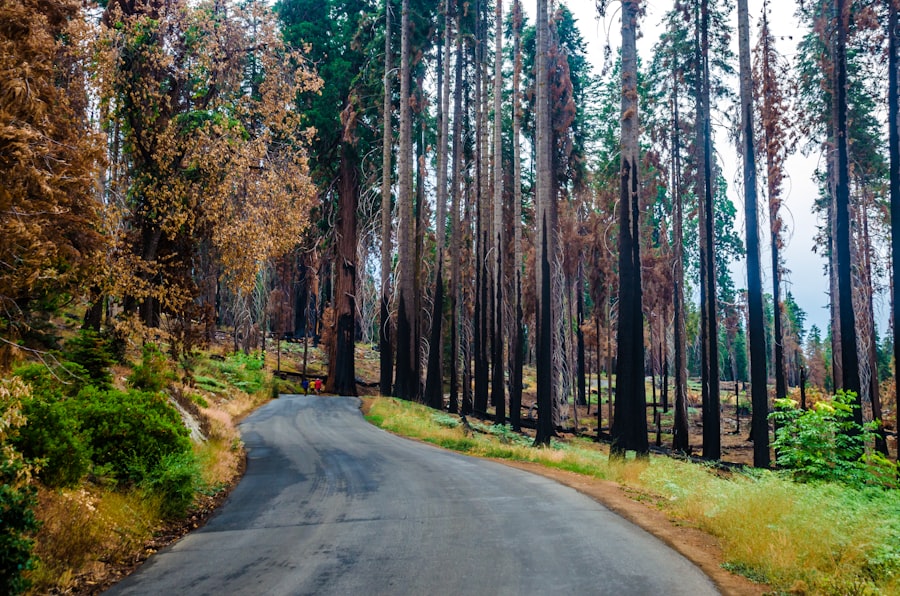
In recent decades, a powerful movement has emerged to reclaim and reintroduce Indigenous fire management practices in California. This renaissance is driven by a deep understanding of the ecological necessity of fire and a recognition of the invaluable wisdom held by Indigenous communities. It represents a paradigm shift, moving away from solely relying on mechanical thinning and aggressive suppression towards a more holistic and culturally informed approach to landscape stewardship.
Indigenous-Led Initiatives and Partnerships
Central to this revival are the Indigenous communities themselves. Tribes across California are taking the lead in re-establishing their traditional burning practices. This involves intergenerational knowledge transfer, where elders are teaching younger generations the intricacies of timing, fuel preparation, and cultural protocols associated with burning. These efforts are increasingly being supported by partnerships with state and federal agencies, as well as environmental organizations. These collaborations aim to overcome bureaucratic hurdles, provide resources, and create opportunities for Indigenous practitioners to manage lands within their ancestral territories. Examples include partnerships with the US Forest Service, the National Park Service, and CalFire.
Cultural Burning as a Living Practice
Cultural burning is not merely an academic exercise or a historical artifact; it is a living, breathing practice that continues to evolve. Indigenous practitioners understand that the landscape has changed since pre-colonial times, and they adapt their techniques accordingly. However, the core principles remain the same: to use fire intentionally to promote ecosystem health, reduce hazardous fuels, and maintain cultural connections to the land. These burns are often characterized by their meticulous planning, their focus on specific ecological objectives, and their deep respect for the natural world. The cultural significance of these burns is paramount, often involving ceremony and prayer, acknowledging the spiritual connection to the land and the reciprocal relationship between humans and fire.
Bridging the Gap Between Indigenous Knowledge and Modern Science
A key aspect of the revival is the growing recognition of the synergy between Indigenous knowledge and Western scientific approaches to fire management. While Indigenous knowledge offers a wealth of observational data and time-tested techniques, modern science provides tools for precise data collection, modeling, and analysis. Researchers and Indigenous practitioners are increasingly working together, cross-walking their respective understandings to develop more effective and integrated fire management strategies. This collaboration can lead to a deeper understanding of fire’s complex ecological roles and inform decisions about where, when, and how to implement prescribed burns.
Indigenous fire management practices in California have gained recognition for their role in promoting ecological health and reducing wildfire risks. These traditional methods, rooted in centuries of knowledge, emphasize the importance of controlled burns to maintain the landscape. For a deeper understanding of how historical practices can inform contemporary approaches, you might find it interesting to explore a related article that discusses the implications of past events on current environmental strategies. You can read more about it in this insightful piece on the challenges of preserving history and its lessons by following this link: the curse of the mummy’s tomb.
The Multifaceted Benefits of Cultural Fire
| Tribe | Land Managed (acres) | Number of Controlled Burns | Effectiveness in Reducing Wildfires (%) |
|---|---|---|---|
| Karuk Tribe | 1,000,000 | 20 | 75% |
| Yurok Tribe | 500,000 | 15 | 80% |
| Hoopa Valley Tribe | 750,000 | 18 | 70% |
Restoring Ecological Balance and Resilience
The reintroduction of Indigenous fire management practices offers a multitude of benefits, extending far beyond simple fuel reduction. These benefits are deeply rooted in the ecological principles that Indigenous peoples have understood for millennia.
Enhancing Habitat for Native Species
Cultural burning plays a crucial role in creating and maintaining diverse habitats that support native flora and fauna. By clearing out undergrowth and promoting the growth of fire-adapted plants, these burns create openings and mosaics of vegetation that are essential for the survival of many species. For instance, specific types of seeds, such as those found in some native grasses and wildflowers, require the heat of a fire to germinate. Without this natural process, these plant populations can decline. Furthermore, the diverse structure of habitats created by cultural burning provides crucial foraging grounds, nesting sites, and protective cover for a wide range of wildlife, from small invertebrates to larger mammals.
Creating a More Resilient Landscape
A landscape that has been historically managed by Indigenous burning practices is inherently more resilient to the impacts of climate change and extreme weather events. The mosaic of vegetation types and fuel loads created by these fires prevents the widespread ignition and rapid spread of catastrophic wildfires. This resilience is vital in a state like California, which is experiencing increasingly longer and more intense fire seasons due to rising temperatures and prolonged droughts. By reintroducing fire in a controlled manner, we can help to build a more robust and adaptable ecosystem that is better equipped to withstand future environmental challenges.
Improving Water Quality and Availability
The impact of wildfires on water resources is significant. Intense fires can lead to soil erosion, sediment runoff into waterways, and contamination of water sources. Indigenous burning practices, which focus on low-intensity fires, generally have a less detrimental impact on soil structure and vegetation cover. This helps to protect watersheds, maintain water quality, and ensure the continued availability of clean water resources for both human consumption and ecological needs. The intact soil structure and vegetation cover resulting from cultural burns contribute to better water infiltration and retention.
Overcoming Obstacles and Charting a Path Forward
Navigating Bureaucratic Hurdles and Policy Challenges
Despite the growing recognition of the importance of Indigenous fire management, several significant obstacles remain. These challenges often stem from ingrained bureaucratic systems, historical policies, and a lack of widespread understanding.
Reforming Regulations and Permitting Processes
One of the most significant barriers is the complex and often restrictive regulatory environment surrounding fire management. Traditional Indigenous burning practices may not fit neatly into the existing frameworks for prescribed burning, which are often designed for more conventional, science-based approaches. Simplifying permitting processes, creating exemptions for culturally significant burns, and ensuring that regulations are flexible enough to accommodate traditional methods are crucial steps. This requires collaboration between Indigenous communities, regulatory agencies, and policymakers to create a more streamlined and supportive system.
Securing Adequate Funding and Resources
Implementing cultural burning programs requires substantial investment in training, equipment, and personnel. Indigenous communities often lack the financial resources to undertake these efforts on the scale needed. Securing consistent and adequate funding is essential to support the training of new fire practitioners, purchase necessary tools, and cover the operational costs of conducting burns. This funding needs to come from a variety of sources, including government grants, private foundations, and potentially innovative funding mechanisms that recognize the long-term ecological and societal benefits of cultural burning.
Fostering Public Understanding and Acceptance
There remains a lingering public perception that all fire is inherently destructive. Overcoming this deeply ingrained fear requires sustained public education and outreach efforts. Demonstrating the tangible benefits of cultural burning through successful projects, sharing success stories, and highlighting the ecological and cultural importance of these practices can help to shift public opinion. Building trust and understanding between Indigenous communities and the broader public is essential for widespread acceptance and support of these vital land management techniques.
The Future of Fire in California: A Collaborative Vision
Integrating Traditional Ecological Knowledge with Modern Approaches
The future of fire management in California hinges on a collaborative vision that embraces both Indigenous wisdom and contemporary scientific advancements. This integrated approach offers the most promising path towards creating healthier, more resilient landscapes that can withstand the challenges of a changing climate.
Empowering Indigenous Nations as Land Stewards
Empowering Indigenous nations to lead in fire management is not just about acknowledging past injustices; it is about recognizing their unparalleled expertise and their inherent right to steward their ancestral lands. This involves providing them with the autonomy, resources, and legal standing to implement their traditional practices. It also means fostering a true partnership where their knowledge is valued, respected, and integrated into all levels of land management decision-making. This empowerment is crucial for ensuring the long-term sustainability and success of cultural burning initiatives.
Scaling Up Prescribed Fire and Community-Based Initiatives
The success of individual cultural burning projects needs to be scaled up to have a meaningful impact on the broader landscape. This requires investing in programs that train more Indigenous fire practitioners, support community-led initiatives, and facilitate the sharing of best practices. It also means advocating for policies that prioritize prescribed fire as a primary tool for fuel management and ecosystem restoration. By creating a supportive ecosystem for prescribed burning, California can move away from its reliance on reactive, destructive wildfires towards a proactive, restorative approach to fire management.
Cultivating a Culture of Co-Stewardship
Ultimately, reviving Indigenous fire management is about cultivating a culture of co-stewardship – a shared responsibility for the health and well-being of California’s natural resources. This involves fostering a deeper understanding and respect for the interconnectedness of humans and the environment, recognizing that Indigenous knowledge holds vital keys to our collective future. By working together, Indigenous communities, scientists, policymakers, and the public can create a landscape that is not only safer from catastrophic wildfires but also richer in biodiversity, cultural heritage, and ecological resilience for generations to come. The revival of Indigenous fire management is not just about managing fire; it is about regenerating a fundamental relationship with the land.
The Wilderness Was Engineered
FAQs
What is Indigenous fire management in California?
Indigenous fire management in California refers to the traditional practices and knowledge of Native American tribes in using controlled burns to manage vegetation and reduce the risk of catastrophic wildfires.
How do Indigenous communities in California use fire management?
Indigenous communities in California use fire management techniques such as prescribed burning, cultural burning, and controlled fires to maintain healthy ecosystems, promote biodiversity, and reduce the buildup of flammable vegetation.
What are the benefits of Indigenous fire management in California?
The benefits of Indigenous fire management in California include reducing the risk of large, destructive wildfires, promoting the growth of culturally significant plants, improving wildlife habitat, and preserving traditional ecological knowledge.
How does Indigenous fire management differ from modern wildfire management practices?
Indigenous fire management differs from modern wildfire management practices in its focus on using fire as a tool for ecological stewardship, rather than solely as a means of suppression. It also emphasizes the integration of traditional ecological knowledge and cultural practices.
What are the challenges facing the integration of Indigenous fire management in California?
Challenges facing the integration of Indigenous fire management in California include regulatory barriers, limited resources and funding, and the need for collaboration and coordination between Indigenous communities, government agencies, and other stakeholders.