Reviving Indigenous Fire Stewardship in Australia
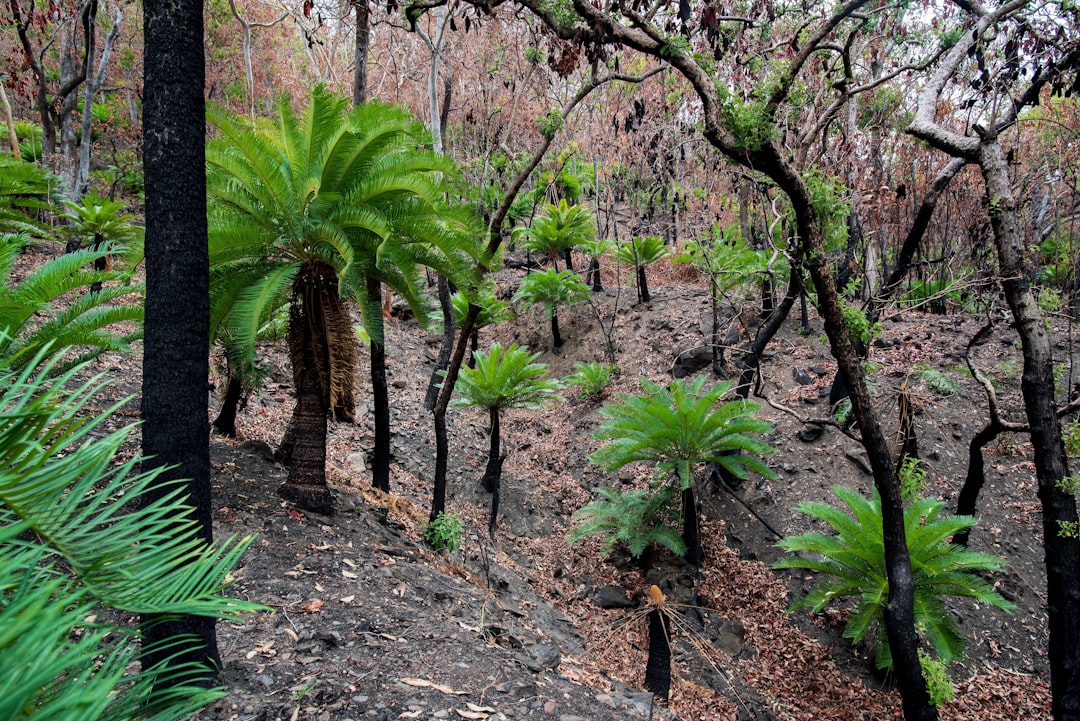
The Australian landscape, a tapestry of ancient ecosystems forged over millennia, has always been shaped by fire. For tens of thousands of years, Indigenous Australians have been the custodians of this fiery heritage, wielding fire not as a destructive force, but as a sophisticated tool for land management. This practice, known as Indigenous fire stewardship or cultural burning, involves the deliberate and controlled use of fire to maintain ecological health, enhance biodiversity, and sustain cultural practices. However, the colonial legacy and the subsequent imposition of Western fire management paradigms have largely suppressed these traditional methods, leading to a concerning accumulation of fuel loads and an increase in the frequency and intensity of devastating bushfires. Now, a growing movement is working to revive and integrate Indigenous fire stewardship, recognizing its profound ecological and cultural value, and its critical role in building a more resilient future for Australia’s natural and human communities.
The relationship between Indigenous Australians and fire is not merely practical; it is deeply intertwined with their worldview, spirituality, and cultural identity. Fire was, and continues to be, understood as a living entity, a source of life and renewal, and a vital element in the intricate web of the ecosystem. This understanding is embedded in songlines, stories, and ceremonial practices that have been passed down through countless generations.
Ancient Practices for a Living Landscape
For millennia, Indigenous peoples across the continent practiced sophisticated fire management techniques. These were not indiscriminate blazes, but carefully considered burns conducted at specific times of the year, under particular weather conditions, and with precise objectives. The primary goal was often to promote the growth of particular plants, clear undergrowth to facilitate travel and hunting, or to create mosaics of different vegetation types, which in turn supported a diverse range of fauna.
Cultural Narratives and Ecological Knowledge
The knowledge of when and how to burn was, and remains, a sacred inheritance. Elders transmitted complex ecological understanding, which included detailed knowledge of plant phenology, soil types, weather patterns, and animal behavior, all informing the timing and application of fire. This knowledge was not codified in scientific journals but woven into rich oral traditions, songs, and dreamings that provided a holistic understanding of the land’s needs. The narrative of the Ancestral beings, who shaped the land through their actions, often includes the introduction and use of fire, reinforcing its inherent role in creation and maintenance.
The Art of the Controlled Burn
Indigenous fire stewardship was characterized by its subtlety and precision. Small, cool burns were often used to clear leaf litter and undergrowth without damaging mature trees or the soil seed bank. These low-intensity fires created a mosaic of landscapes, with some areas recently burned and others left to regenerate, providing diverse habitats for a wide array of species. This approach prevented the accumulation of massive fuel loads that now contribute to catastrophic wildfires. The practice was adaptive, responding to the specific ecological conditions of each region and the immediate needs of the community.
The Disruption of Colonial Fire Regimes
The arrival of European settlers in Australia brought about a drastic disruption to Indigenous land management practices. The colonial administration, driven by a misunderstanding of Indigenous ecological knowledge and a desire to impose its own agricultural and land use models, actively suppressed traditional burning. Indigenous people were dispossessed of their lands, their cultural practices were outlawed, and their connection to country was severed, leading to a loss of the knowledge and the ability to practice their ancestral fire stewardship.
Imposition of Western Firefighting Paradigms
In place of cultural burning, a reactive, “firefighting” approach was adopted. This involved suppressing all fires, regardless of their ecological context, with the aim of preventing any fire from occurring. This strategy, while seemingly logical from a Western perspective, failed to account for the ecological role of fire in many Australian ecosystems. The suppression of frequent, low-intensity fires led to the buildup of vast amounts of flammable vegetation, creating the conditions for increasingly destructive and uncontrollable wildfires.
The Loss of Traditional Knowledge and Connection
The forced displacement of Indigenous communities and the suppression of their cultural practices resulted in a devastating loss of traditional fire knowledge. The elders who held this knowledge passed away without being able to fully transmit it to younger generations, particularly in the face of ongoing cultural assimilation pressures. This rupture in the intergenerational transfer of knowledge has had profound ecological consequences, leaving the landscape vulnerable to the very fires that Indigenous stewardship had historically managed. The disconnection from country also eroded the deep cultural and spiritual connection that underpinned responsible fire management.
Indigenous fire stewardship in Australia has gained significant attention for its role in land management and ecological preservation. A related article that explores future challenges in environmental stewardship can be found at this link: Building and Defending the Lunar Base: Future Challenges. This piece discusses innovative approaches to managing ecosystems, which can draw parallels to the traditional practices of Indigenous peoples in Australia, emphasizing the importance of sustainable practices in both terrestrial and extraterrestrial environments.
The Ecological Case for Revival
The ecological arguments for reviving Indigenous fire stewardship are compelling and increasingly supported by scientific research. The suppression of traditional burning has led to significant ecological imbalances, including altered biodiversity, increased weed infestations, and a greater susceptibility to catastrophic wildfires. Reintroducing cultural burning offers a path towards restoring ecological health and resilience.
Restoring Biodiversity and Habitat
Indigenous fire practices are inherently biodiversity-enhancing. By creating a mosaic of habitats with varying ages of vegetation regrowth, cultural burning supports a wider range of plant and animal species. These controlled burns can stimulate the germination of certain native seeds, promote the growth of specific fodder plants for native animals, and clear out invasive species.
Promoting Native Plant Regeneration
Many Australian native plants have evolved to rely on fire for germination and reproduction. The heat and smoke from a fire can break seed dormancy, while the cleared ground provides a favorable environment for seedlings to establish. Indigenous fire stewardship, by introducing fire in a controlled and regular manner, ensures the continued regeneration of these fire-dependent species, maintaining the health and diversity of plant communities.
Creating Habitat Niches for Fauna
The mosaic of burned and unburned patches created by cultural burning provides a variety of habitat niches for native fauna. Recently burned areas offer fresh growth for herbivores, while unburned areas provide shelter and refuge. The clearing of dense undergrowth can also improve visibility for predators and prey, and create foraging opportunities for insectivorous birds. This patchy landscape management directly supports a richer and more balanced fauna population.
Mitigating Catastrophic Wildfires
The accumulation of fuel from decades of fire suppression has created a tinderbox effect across much of the Australian continent. When fires do ignite, they are often far more intense, spread more rapidly, and are much harder to control. Indigenous fire stewardship, by promoting frequent, low-intensity burns, acts as a crucial preventative measure against these megafires.
Fuel Load Management and Fire Intensity
Cultural burning aims to reduce the amount of flammable material on the landscape. By regularly burning leaf litter, grasses, and small shrubs, Indigenous land managers prevent the buildup of fuel that can contribute to extreme fire behavior. The cool, slow-moving fires used in cultural burning consume this fuel gradually, without causing significant damage to mature trees or the soil, thereby reducing the likelihood of uncontrollable wildfires.
Creating Firebreaks and Reducing Fire Spread
The strategic application of controlled burns can also create natural firebreaks. By burning specific areas, Indigenous land managers could effectively limit the spread of fires, protecting sensitive ecosystems and human settlements. This proactive approach is far more effective and less destructive than the reactive suppression of large, fast-moving fires.
The Cultural Imperative: Reconnecting with Country
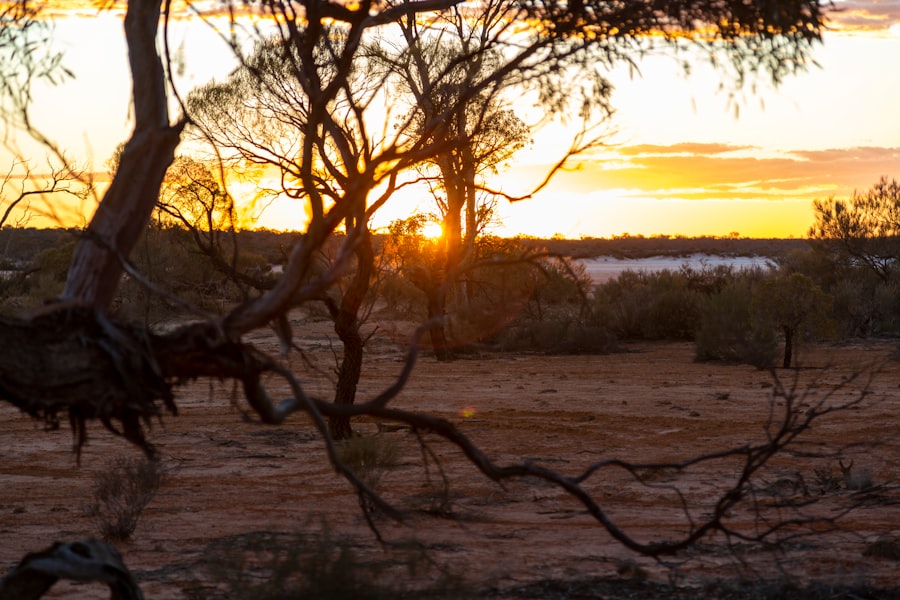
The revival of Indigenous fire stewardship is not solely an ecological endeavor; it is a profound cultural imperative. For Indigenous Australians, fire is inextricably linked to their identity, their connection to country, and their spiritual well-being. Reclaiming the practice of cultural burning is a vital step in the process of cultural healing and self-determination.
Sovereignty and Self-Determination
The ability to practice cultural burning is an assertion of Indigenous sovereignty and self-determination over their traditional lands. It represents a reclamation of ancestral knowledge and a rejection of colonial paradigms that have sought to control and marginalize Indigenous people and their practices. By reviving these traditions, Indigenous communities are asserting their right to manage their country according to their own knowledge systems and cultural protocols.
Cultural Transmission and Intergenerational Knowledge
The practice of cultural burning is a powerful mechanism for the transmission of knowledge between generations. Elders can teach younger community members about the nuances of fire management, the ecological significance of different burns, and the cultural protocols associated with their practice. This intergenerational transfer of knowledge is crucial for the survival of Indigenous culture and the perpetuation of sustainable land management practices.
Spiritual Connection and Well-being
For Indigenous Australians, country is not merely a physical place; it is a living entity imbued with spiritual significance. The practice of fire stewardship is deeply connected to this spiritual relationship, involving respect for the land, its inhabitants, and the ancestral spirits. Re-engaging in cultural burning can foster a sense of connection, belonging, and well-being for Indigenous individuals and communities, helping to heal the intergenerational trauma caused by dispossession and cultural suppression.
The Collaborative Future: Indigenous Knowledge and Western Science

The most effective path forward involves a genuine collaboration between Indigenous knowledge holders and Western scientific researchers. This partnership recognizes that both knowledge systems have valuable contributions to make in understanding and managing Australia’s complex ecosystems.
Bridging Knowledge Systems
The integration of Indigenous fire knowledge with Western scientific research offers a powerful approach to land management. Scientists can provide tools for monitoring and measuring the ecological impacts of cultural burning, while Indigenous elders offer the deep, nuanced understanding of the landscape that has been accumulated over millennia. This synergy allows for a more holistic and effective approach to land stewardship.
Respectful Partnerships and Co-Management
True collaboration requires genuine respect for Indigenous knowledge and authority. This means moving beyond tokenistic consultations and towards genuine co-management arrangements, where Indigenous communities have a leading role in decision-making and the implementation of fire management strategies on their country. This requires a fundamental shift in how land management agencies operate and interact with Indigenous peoples.
Documenting and Validating Traditional Practices
Scientific research plays a vital role in documenting and validating traditional Indigenous fire practices. Studies that measure the ecological outcomes of cultural burning, such as changes in biodiversity, fuel loads, and soil health, can provide evidence-based support for the effectiveness of these ancient methods. This scientific validation can help to build trust and garner broader acceptance for the revival of Indigenous fire stewardship.
Indigenous fire stewardship in Australia has gained recognition for its role in managing landscapes and promoting biodiversity. This ancient practice, rooted in the knowledge of Indigenous communities, has been shown to reduce the risk of catastrophic wildfires while enhancing the health of ecosystems. For a deeper understanding of how ancient practices intersect with modern environmental challenges, you might find this article on the Giza Pyramid alignment mystery intriguing, as it explores the significance of ancient knowledge systems in different contexts. To read more about it, visit this article.
Challenges and Opportunities for Revival
| Region | Number of Indigenous fire stewardship practices | Area covered (hectares) |
|---|---|---|
| Northern Territory | 25 | 150,000 |
| Western Australia | 18 | 100,000 |
| Queensland | 12 | 80,000 |
Despite the growing recognition of its importance, the revival of Indigenous fire stewardship faces significant challenges. Navigating complex regulatory frameworks, securing adequate funding, and addressing ongoing societal biases are all crucial hurdles. However, the increasing momentum behind this movement also presents immense opportunities for positive change.
Overcoming Regulatory and Bureaucratic Barriers
Current land management regulations and fire management policies in Australia were largely developed without considering Indigenous fire stewardship. These frameworks often create significant bureaucratic hurdles for Indigenous communities seeking to implement cultural burns. Streamlining these processes and developing policies that are inclusive of traditional knowledge is essential.
Securing Sustainable Funding and Resources
The effective implementation of Indigenous fire stewardship programs requires consistent and adequate funding. This funding needs to support not only the practical aspects of burning but also the costs associated with knowledge transmission, training, cultural protocols, and the development of necessary infrastructure. Long-term, sustainable funding models are critical for the success of these initiatives.
Addressing Societal Misconceptions and Biases
There is still a prevailing societal misconception that all fires are destructive. Educating the broader public about the role and benefits of Indigenous fire stewardship is crucial to overcoming these biases. This includes challenging the historical narrative of fire suppression and highlighting the positive outcomes of cultural burning.
Emerging Opportunities for a Resilient Future
The revival of Indigenous fire stewardship offers a compelling vision for a more resilient Australia, one that is better equipped to face the challenges of climate change and environmental degradation.
Indigenous Ranger Programs and Capacity Building
The expansion of Indigenous ranger programs across Australia is a key opportunity for reviving cultural burning. These programs provide employment for Indigenous people, empower them to manage their country, and facilitate the intergenerational transfer of traditional knowledge, including fire stewardship. Investing in these programs is an investment in both cultural and ecological resilience.
Integrating Cultural Burning into Broader Land Management Strategies
The ultimate goal is to see Indigenous fire stewardship fully integrated into broader land management strategies at local, regional, and national levels. This means recognizing cultural burning not as a niche practice but as a fundamental component of effective, holistic land management that contributes to biodiversity conservation, climate change adaptation, and cultural revitalization.
The journey to revive Indigenous fire stewardship in Australia is a complex but essential one. It is a journey that acknowledges the deep wisdom of the continent’s First Peoples, embraces the science of ecological restoration, and fosters collaborative relationships for a more sustainable and culturally rich future. By returning the knowledge and practice of fire to its rightful custodians, Australia can begin to heal its landscapes and its relationship with its ancient heritage.

The Wilderness Was Engineered
FAQs
What is Indigenous fire stewardship in Australia?
Indigenous fire stewardship in Australia refers to the traditional practice of using controlled burning techniques to manage the landscape and reduce the risk of large, destructive wildfires. This practice has been passed down through generations and is deeply rooted in Indigenous culture and knowledge.
How does Indigenous fire stewardship benefit the environment?
Indigenous fire stewardship benefits the environment in several ways. It promotes biodiversity by creating a mosaic of different habitats, reduces the risk of catastrophic wildfires, and helps to regenerate native plant species. Additionally, it can improve soil health and water quality.
What role does Indigenous fire stewardship play in cultural preservation?
Indigenous fire stewardship plays a crucial role in cultural preservation by maintaining traditional knowledge and practices related to land management. It also strengthens the connection between Indigenous communities and their ancestral lands, fostering a sense of identity and belonging.
How does Indigenous fire stewardship differ from modern fire management practices?
Indigenous fire stewardship differs from modern fire management practices in its emphasis on using smaller, controlled burns to achieve specific ecological and cultural objectives. In contrast, modern fire management often focuses on suppressing all fires, which can lead to an accumulation of fuel and more intense wildfires.
What are the challenges facing Indigenous fire stewardship in Australia?
Challenges facing Indigenous fire stewardship in Australia include limited resources and support for traditional land management practices, as well as the impact of colonization and displacement on Indigenous communities and their ability to access and care for their traditional lands. Additionally, there are regulatory and legal barriers that can hinder the implementation of Indigenous fire stewardship practices.