Indigenous Fire Management in Australia
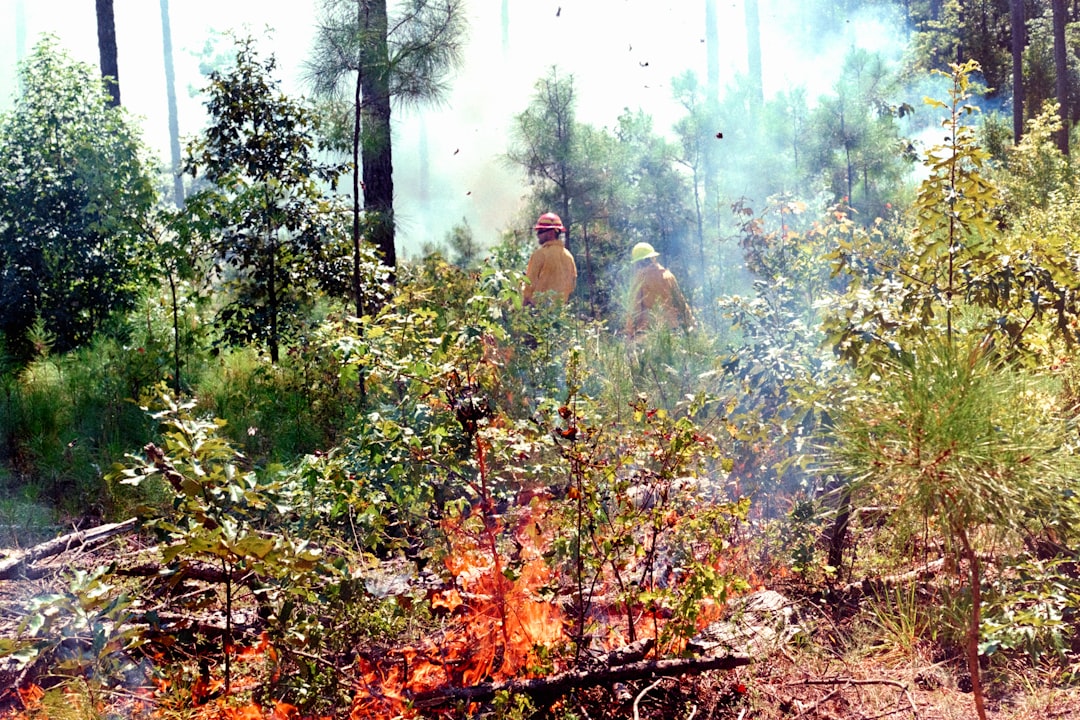
For tens of thousands of years, Indigenous Australians have been custodians of the land, their deep connection to country woven into every aspect of their lives. This custodianship extends to the very landscape itself, and central to this profound relationship is the practice of Indigenous fire management, often referred to as cultural burning or controlled burning. Far from the destructive infernos that often dominate headlines, Indigenous fire management is a sophisticated, nuanced art form, a vital tool for ecological health, cultural continuity, and community well-being. It is a practice deeply rooted in ancestral knowledge, passed down through generations, and integral to the intricate tapestry of Australian ecosystems.
The practice of using fire by Indigenous Australians is not a recent phenomenon; it is an ancient and enduring tradition. Archaeological evidence suggests that Indigenous peoples have been actively managing landscapes with fire for over 60,000 years, making them the earliest known practitioners of fire-based land management on Earth. This long history has allowed for the development of highly refined techniques and a profound understanding of fire’s role in shaping the Australian environment.
A Symbiotic Relationship with Country
For Indigenous Australians, fire is not merely a tool; it is an extension of their custodianship, a living relationship with the land. Country, in the Indigenous context, is not simply the physical landmass but encompasses all living things, spiritual beliefs, ancestral beings, and cultural practices. Fire management, therefore, is not about controlling nature but about working in harmony with it, fostering a symbiotic relationship that benefits both people and planet. This understanding is often expressed through oral traditions, songlines, and dreamings, which convey invaluable knowledge about fire’s ecological impacts and the appropriate times and ways to apply it.
The Evolution of Indigenous Fire Practices
Over millennia, Indigenous fire management practices have evolved in response to changing environmental conditions, available resources, and cultural needs. Different language groups, or nations, developed distinct approaches tailored to their specific country, its flora and fauna, and their cultural obligations. This adaptability demonstrates the dynamic and living nature of Indigenous knowledge systems, which are not static but constantly informed by observation and experience.
Australian Indigenous fire management practices have long been recognized for their ecological benefits and cultural significance. A related article that explores the historical context and innovative uses of natural materials in art is available at Unveiling the Properties of Egyptian Blue Pigment. This piece delves into the ancient techniques of pigment creation, drawing parallels to the traditional knowledge systems of Indigenous Australians that emphasize sustainable resource management and environmental stewardship.
Ecological Benefits of Indigenous Fire Management
Indigenous fire management is not simply about clearing land or preventing bushfires; it is a deliberate and strategic intervention that yields a multitude of ecological benefits. These practices are designed to promote biodiversity, enhance nutrient cycling, and maintain the health and resilience of ecosystems.
Promoting Biodiversity and Habitat Health
One of the primary ecological outcomes of cultural burning is the promotion of biodiversity. By applying fire at specific intensities and frequencies, Indigenous land managers create mosaics of different habitat types. These mosaics include areas of recently burnt country, which encourage the growth of fresh grasses and forbs that attract native herbivores, and older, unburnt areas that provide shelter and refuge for a wider range of species. This patchiness, or heterogeneity, is crucial for supporting diverse plant and animal communities. For instance, a mosaic of burnt and unburnt vegetation can provide foraging grounds for kangaroos and wallabies in the newly regrowing areas, while offering protection from predators and harsh weather in the older stands.
Encouraging New Growth and Seed Dispersal
Many Australian native plants have evolved to depend on fire for their survival and regeneration. Certain species, like the Banksia and Wattles, have seeds that are stimulated to germinate by the heat and smoke of a fire. Cultural burning intentionally triggers this process, ensuring the continued propagation of these vital plant species. Furthermore, fire can break down tough seed coats and stimulate the release of nutrients, making them more accessible for new growth. This process is essential for maintaining the ecological integrity of many Australian landscapes, which are characterized by fire-adapted vegetation.
Maintaining Fuel Loads and Reducing Bushfire Risk
While Indigenous fire management is about using fire constructively, it also plays a critical role in mitigating the risk of large, uncontrollable bushfires. By regularly conducting cooler, controlled burns, Indigenous land managers reduce the accumulation of dry grass, leaf litter, and other flammable materials on the landscape. This strategic fuel reduction prevents the build-up of fuel that can lead to devastating wildfires. It is a proactive approach to fire management, contrasting with the often reactive strategies employed in Western fire management, which tend to focus on suppression after a fire has started.
Nutrient Cycling and Soil Health
Fire plays a significant role in nutrient cycling within Australian ecosystems. When vegetation burns, essential nutrients are released back into the soil in an ash form, making them readily available for new plant growth. Cultural burning practices are carefully managed to avoid intense, high-severity fires that can strip away valuable topsoil and organic matter. Instead, the aim is to achieve a more gentle burn that facilitates the efficient return of nutrients to the ecosystem, supporting long-term soil health and fertility. This understanding of fire’s role in nutrient cycling is a testament to the deep ecological knowledge possessed by Indigenous Australians.
Cultural Significance and Knowledge Transmission

Indigenous fire management is far more than an ecological practice; it is a deeply ingrained cultural tradition that binds communities to their ancestors, their land, and each other. The knowledge and skills associated with fire management are passed down through generations, ensuring the continuity of cultural practices and the well-being of communities.
Storytelling, Songlines, and Dreamings
The transmission of Indigenous fire management knowledge is intricately linked to oral traditions, including storytelling, songlines, and dreamings. These ancestral narratives often contain detailed instructions about the timing of burns, the types of fuel to use, the appropriate weather conditions, and the ecological indicators to observe. Songlines, for instance, can map out fire-prone areas and the traditional burning regimes for specific regions, acting as living guides for land managers. Dreamings, which represent the creation stories and ancestral journeys, often explain the origin and purpose of fire and its relationship to specific species and landscapes.
Intergenerational Knowledge Transfer
The passing down of fire management knowledge from elders to younger generations is a cornerstone of Indigenous cultural continuity. This transfer occurs through active participation, observation, and mentorship. Younger community members learn by observing elders conducting burns, assisting with preparations, and understanding the cultural protocols and responsibilities associated with the practice. This hands-on approach ensures that the knowledge is not only theoretical but also deeply practical and embodied.
Community Health and Well-being
Cultural burning is also a communal activity that strengthens social bonds and fosters a sense of collective responsibility. Working together to manage the land through fire brings communities together, reinforcing social cohesion and shared purpose. The successful implementation of cultural burns can also lead to improved community health and well-being by ensuring access to traditional foods and medicines that thrive in a managed landscape, and by reducing the threat of destructive bushfires to homes and livelihoods.
Modern Applications and Challenges

In contemporary Australia, there is a growing recognition of the invaluable role Indigenous fire management can play in modern land management strategies. However, the integration of these ancient practices into the current landscape presents both opportunities and challenges.
The Re-emergence of Cultural Burning
Following periods of suppression and dispossession, there has been a significant re-emergence of Indigenous fire management practices across Australia. Many Indigenous communities are actively working to revive and adapt their traditional burning techniques, often in partnership with government agencies and research institutions. This resurgence is driven by a desire to restore ecological health, protect cultural heritage, and empower Indigenous communities to exercise their traditional custodianship.
Collaboration and Knowledge Sharing
Successful integration of Indigenous fire management requires genuine collaboration and equitable knowledge sharing between Indigenous custodians and non-Indigenous land managers. This involves moving beyond tokenistic gestures and fostering relationships built on mutual respect and trust. Challenges can arise from differing cultural perspectives on land management, bureaucratic hurdles, and the need for adequate resources and training for both Indigenous and non-Indigenous participants.
Addressing Bureaucratic and Policy Barriers
Existing fire management policies and regulations, often developed within a Western framework, can sometimes present barriers to the implementation of Indigenous fire management. These can include restrictions on burning times, types of fire, and the need for extensive permitting processes. Efforts are underway to reform these policies and create more enabling environments for cultural burning, recognizing its proven efficacy and cultural significance.
Capacity Building and Training
Effective implementation of cultural burning requires capacity building and training for both Indigenous communities and relevant agencies. This includes providing resources for training programs, equipment, and ongoing support. Empowering Indigenous communities with the resources and recognition they need to lead their own fire management initiatives is crucial for the long-term success of this practice.
Australian Indigenous fire management is a practice deeply rooted in the cultural heritage and ecological knowledge of Indigenous communities. This traditional approach not only helps in managing landscapes but also plays a crucial role in biodiversity conservation. For those interested in exploring the historical significance and contemporary applications of these methods, a related article can be found that uncovers ancient secrets and reveals wisdom from the past. You can read more about it here.
The Future of Indigenous Fire Management
| Region | Number of Indigenous fire management projects | Area covered (hectares) | Reduction in wildfire risk (%) |
|---|---|---|---|
| Northern Territory | 25 | 150,000 | 40% |
| Western Australia | 15 | 100,000 | 35% |
| Queensland | 20 | 120,000 | 45% |
The future of Indigenous fire management in Australia holds immense promise, offering a pathway towards more sustainable, ecologically sound, and culturally vibrant land management. It represents a paradigm shift in how we understand and interact with the Australian landscape.
Indigenous Leadership in Land Management
The increasing recognition of Indigenous knowledge and leadership in fire management signifies a move towards Indigenous self-determination and custodianship. By empowering Indigenous communities to lead fire management initiatives, Australia can benefit from their unparalleled understanding of country and their long-term commitment to its health and resilience.
Climate Change Adaptation and Resilience
As Australia grapples with the intensifying impacts of climate change, Indigenous fire management offers a vital strategy for building climate resilience. The ability of cultural burning to reduce fuel loads, promote biodiversity, and create mosaic landscapes makes ecosystems better equipped to withstand extreme weather events and adapt to changing environmental conditions.
A Model for Global Land Management
The sophisticated and long-standing practices of Indigenous Australian fire management offer a valuable model for land management globally. As other nations face similar challenges related to biodiversity loss, ecological degradation, and climate change, the principles and techniques of cultural burning can provide innovative and effective solutions. The recognition and widespread adoption of Indigenous fire management practices can lead to healthier ecosystems, stronger communities, and a more sustainable future for all.
The Wilderness Was Engineered
FAQs
What is Australian Indigenous fire management?
Australian Indigenous fire management refers to the traditional practices and techniques used by Indigenous Australians to manage and control wildfires. This includes the use of controlled burning to reduce fuel loads and prevent large, destructive fires.
How does Australian Indigenous fire management differ from Western fire management practices?
Australian Indigenous fire management differs from Western fire management practices in that it focuses on using small, controlled burns to reduce fuel loads and promote biodiversity, rather than suppressing all fires. Indigenous fire management also takes into account traditional ecological knowledge and cultural practices.
What are the benefits of Australian Indigenous fire management?
The benefits of Australian Indigenous fire management include reduced fuel loads, decreased risk of large, destructive wildfires, promotion of biodiversity, and maintenance of cultural and traditional practices. Indigenous fire management also helps to protect important cultural sites and resources.
How does Australian Indigenous fire management contribute to environmental conservation?
Australian Indigenous fire management contributes to environmental conservation by promoting biodiversity, maintaining healthy ecosystems, and reducing the impact of large, destructive wildfires. It also helps to protect and preserve important cultural and natural resources.
What is the current status of Australian Indigenous fire management in Australia?
Australian Indigenous fire management is gaining recognition and support in Australia, with many land management agencies and organizations incorporating Indigenous fire practices into their fire management strategies. However, there is still work to be done to ensure that Indigenous fire management is fully integrated and supported across the country.