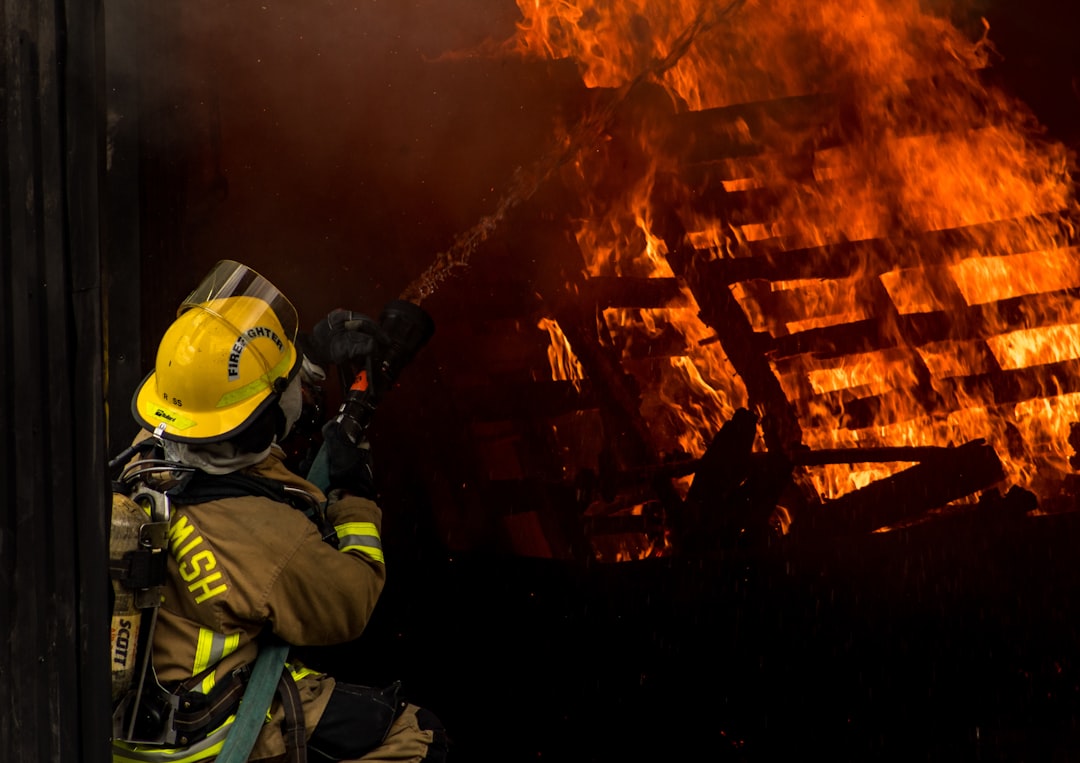
Northern Australia’s fire history is a narrative etched into the very landscape, a story told through ancient ash beds, resilient plant species, and the ancestral knowledge of its Indigenous custodians. This vast and diverse region, characterized by its monsoonal climate, sprawling savannas, and rich biodiversity, has been shaped by fire for millennia. Understanding this deep and intricate relationship is not merely an academic pursuit; it is crucial for contemporary land management, ecological conservation, and the preservation of cultural heritage. From the subtle scorch marks on ancient rock art to the dramatic infernos that periodically sweep across the continent, fire has been both a destructive force and a powerful agent of renewal.
Pre-Human Fire Regimes
Evidence suggests that fire has been a part of the Australian continent for tens of millions of years, long before the arrival of humans. The natural ignition sources, such as lightning strikes, coupled with the presence of flammable vegetation, created conditions ripe for combustion. These early fires likely played a significant role in shaping the composition and structure of Australia’s flora, favoring species that could either tolerate or benefit from periodic burning. The vast, open landscapes of the north, with their combustible grasses and scattered trees, would have been particularly susceptible to these natural ignition events. The geological record, through the analysis of charcoal deposits and the study of plant fossils, provides clues to the frequency and intensity of these pre-human fires, offering a baseline against which to understand subsequent human influence. The presence of fire-adapted species, such as certain eucalyptus varieties that require heat to release their seeds, points to the deep evolutionary history of fire on the continent.
The Arrival of Indigenous Fire Management
The arrival of Aboriginal Australians approximately 65,000 years ago marked a profound shift in the fire landscape of Northern Australia. Indigenous peoples brought with them not only new technologies but also a sophisticated understanding of the environment and a profound spiritual connection to the land. Fire became an integral tool in their cultural and ecological practices, used for a multitude of purposes that went far beyond simple land clearing. This was not the uncontrolled, widespread burning of natural ignitions, but rather a deliberate and nuanced application of fire, often at specific times of the year and in particular patterns.
Hunting and Foraging Strategies
One of the primary uses of fire for Indigenous Australians was to manage landscapes for hunting and foraging. Controlled burns were used to clear undergrowth, making it easier to track game such as kangaroos and wallabies. The resultant fresh green shoots that emerged after a fire were highly attractive to herbivores, concentrating them in accessible areas for hunting. This practice also created mosaics of different vegetation stages, providing diverse food sources for both humans and animals. The burning of particular types of vegetation could also be used to flush out smaller animals from their burrows or to collect edible seeds and roots that were more easily harvested from scorched ground. This dynamic interaction between fire and food availability highlights the ecological intelligence inherent in traditional fire management.
Promoting Biodiversity and Health of the Land
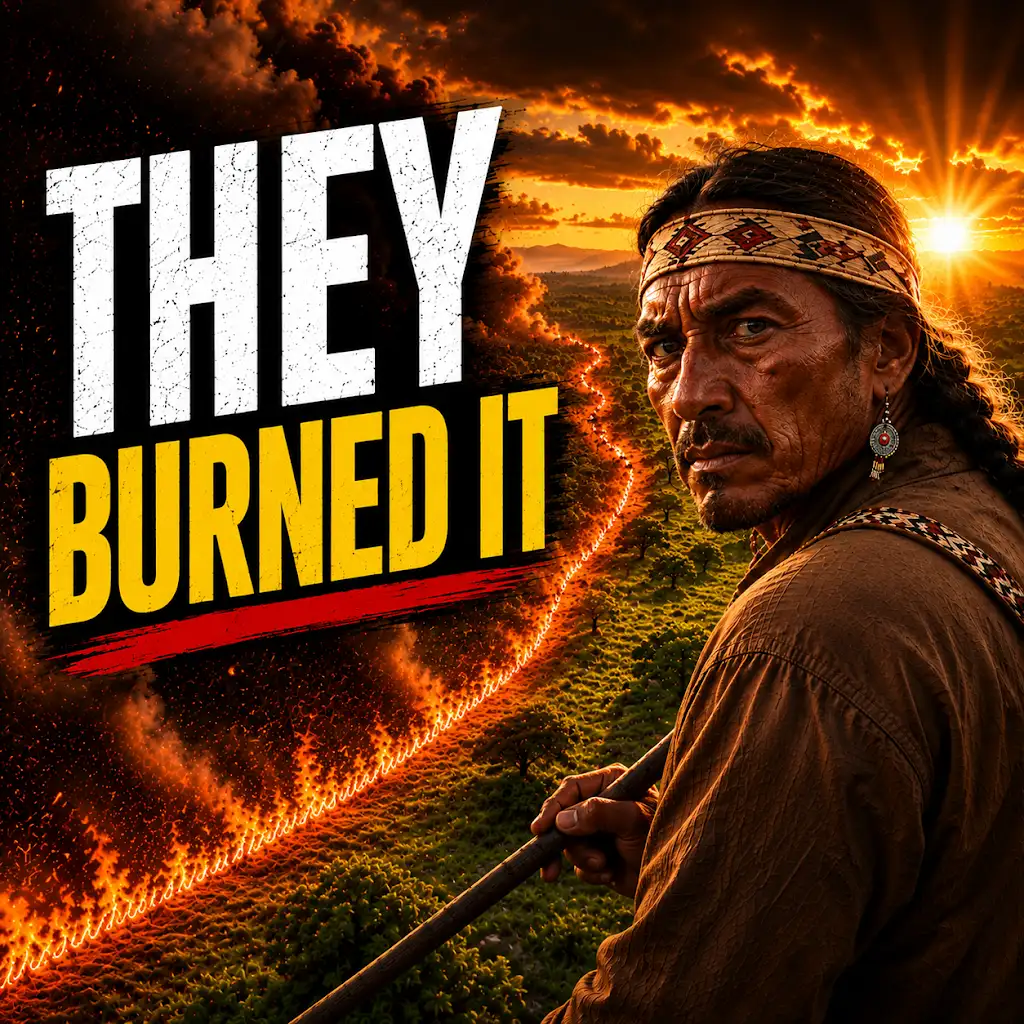
Beyond immediate resource acquisition, Indigenous fire management was deeply concerned with the long-term health and biodiversity of the land. The careful application of fire at specific intervals prevented the buildup of excessive fuel loads, reducing the risk of catastrophic wildfires. These smaller, more frequent burns also encouraged the growth of a wider variety of plant species, preventing any single species from dominating the ecosystem. By clearing away old, dead vegetation, fire allowed sunlight to reach the forest floor, stimulating new growth and supporting a diverse array of insects, birds, and mammals. This concept of “fire-stick farming,” as it has been described, was a form of ecological gardening, actively shaping the landscape to enhance its productivity and resilience.
The fire history of Northern Australia is a critical topic that highlights the region’s unique ecological challenges and the impact of climate change on its landscapes. For further insights into the broader implications of environmental management and security, you may find the article “Securing the Final Frontier: Militarization of Deep Space Logistics” interesting, as it explores how strategic resource management in one domain can inform practices in others. You can read the article here: Securing the Final Frontier.
The Science of Fire in Northern Australia
Fuel Loads and Fire Behavior
The savanna ecosystems of Northern Australia are characterized by a distinct wet-dry cycle. During the wet season, lush vegetation flourishes. As the dry season progresses, this vegetation dries out, creating abundant fuel for fires. The type of fuel, its moisture content, and its distribution all play a critical role in determining fire behavior. Tall, dry grasses, leaf litter, and woody debris are all significant fuel sources. The wind, particularly the strong easterly winds that often prevail during the dry season, can carry flames rapidly, turning a small ignition into a major conflagration. Understanding these fuel dynamics is crucial for predicting fire behavior and for developing effective fire management strategies.
Grassland Dynamics and Fire Cycles
The dominant vegetation type in much of Northern Australia is grassland, interspersed with scattered trees. These grasslands are highly responsive to rainfall and exhibit rapid growth during the wet season. Consequently, they become extremely flammable as they dry out. The natural fire cycle of these grasslands, influenced by both lightning and traditional Indigenous burning, is a complex interplay of growth, drying, and combustion. Without regular burning, fuel loads can accumulate to dangerous levels, increasing the likelihood of intense and destructive fires. Conversely, too frequent burning can lead to a shift in vegetation composition, potentially favoring less desirable species and impacting biodiversity.
Woody Encroachment and Fire Regimes
In some areas of Northern Australia, particularly in transitional zones between grasslands and woodlands, woody encroachment can occur. This is the expansion of trees and shrubs into grassland areas, often exacerbated by altered fire regimes, such as the suppression of frequent, low-intensity fires. Woody species can alter the fire behavior, making fires more intense and potentially leading to the loss of native grasses. Managing this encroachment often involves a combination of fire and mechanical clearing, aiming to restore the balance of grassland and woodland ecosystems. The historical context of fire is vital here, as understanding past fire frequencies can inform current management approaches.
The Impact of Climate Change on Fire
Climate change is having a profound and multifaceted impact on fire regimes in Northern Australia. Rising temperatures, altered rainfall patterns, and increased frequency of extreme weather events are all contributing to a more volatile fire environment. Longer and more intense dry seasons lead to drier fuels and longer periods of elevated fire risk. Changes in rainfall patterns can also influence vegetation growth and the types of fuels available.
Increased Frequency and Intensity of Bushfires
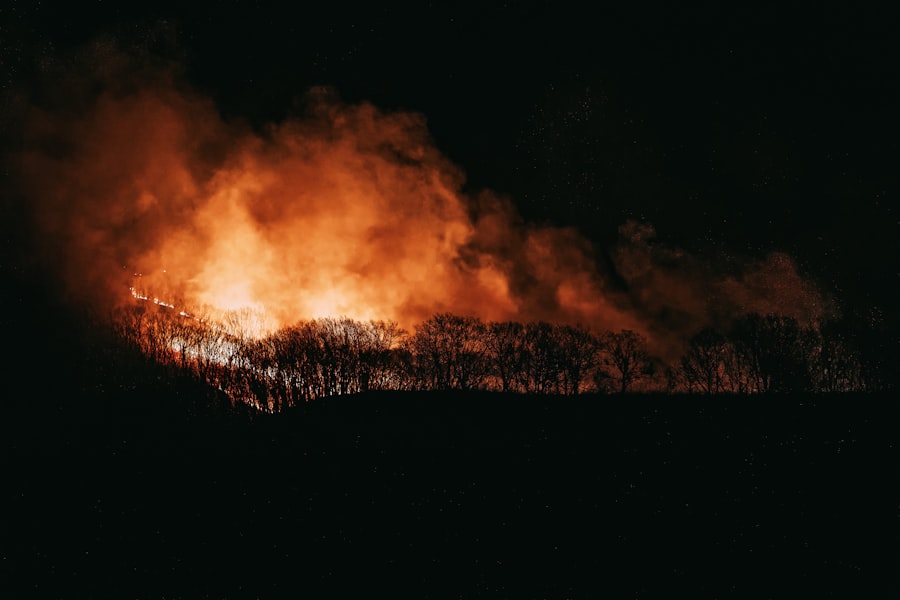
The evidence of a changing fire landscape is becoming increasingly clear. Northern Australia has experienced a rise in the frequency and intensity of bushfires in recent decades. These larger, more severe fires can have devastating consequences for ecosystems, wildlife, and human communities. They can cause widespread habitat destruction, lead to significant biodiversity loss, and pose a direct threat to lives and property. The cumulative impact of such intense fires can also alter the long-term ecological trajectory of the landscape, making recovery more challenging.
Shifting Weather Patterns and Ignition Risks
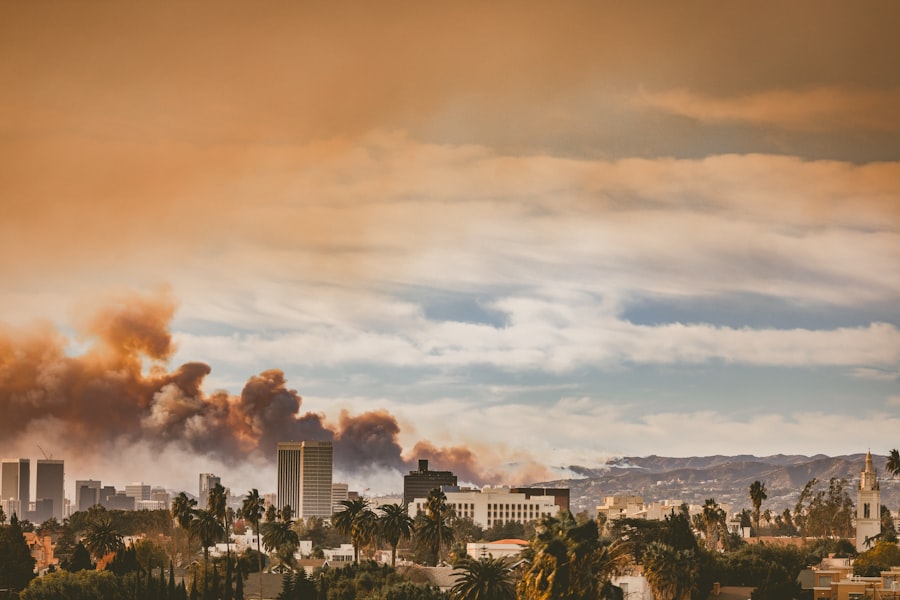
Climate change is also influencing ignition risks. While lightning remains a natural ignition source, increased frequency of lightning storms in some regions, coupled with the drier conditions, can increase the chances of ignitions occurring and spreading. Furthermore, human-caused ignitions, whether accidental or deliberate, become more dangerous in a landscape with amplified fuel loads and more extreme weather conditions. Understanding these shifting weather patterns is paramount for anticipating and mitigating future fire threats.
Traditional Knowledge and Contemporary Fire Management
The Enduring Legacy of Indigenous Fire Practices
The traditional fire management practices of Aboriginal Australians represent a sophisticated and invaluable body of knowledge. For millennia, Indigenous peoples have used fire as a tool to shape and maintain the health of their country. This knowledge is deeply interwoven with their cultural practices, spiritual beliefs, and their understanding of the intricate ecological relationships within their territories. The concept of “caring for country” is a holistic approach that encompasses fire management as a fundamental element.
Cultural Burning and its Modern Application
The practice of “cultural burning” is gaining increasing recognition as a vital component of contemporary fire management. This involves reintroducing traditional burning techniques, often led by Indigenous rangers and knowledge holders. Cultural burning is characterized by its focus on ecological outcomes, biodiversity enhancement, and the maintenance of cultural landscapes. It is often undertaken at specific times of the year, using different ignition techniques to achieve particular results. This approach offers a powerful alternative and complement to conventional fire suppression strategies, which can sometimes lead to the buildup of fuel and less ecologically sound outcomes.
Intergenerational Knowledge Transfer and Capacity Building
The transmission of traditional fire knowledge from elders to younger generations is crucial for its continuation. This intergenerational knowledge transfer ensures that this ancient wisdom remains relevant and is applied effectively in the modern context. Indigenous ranger programs play a vital role in this process, providing training and employment opportunities for young Indigenous people to learn and practice cultural burning techniques. This not only preserves cultural heritage but also builds capacity within communities for effective land management.
The Challenges of Integrating Traditional and Western Fire Science
While the value of traditional Indigenous fire knowledge is increasingly acknowledged, integrating it with Western scientific approaches to fire management presents both opportunities and challenges. Bridging the conceptual and methodological differences between these two knowledge systems is essential for developing truly integrated and effective fire management strategies.
Bridging the Divide: Collaboration and Respect
Effective integration requires genuine collaboration and mutual respect between Indigenous knowledge holders and Western scientists. This involves recognizing the validity and efficacy of traditional knowledge, not as an adjunct to Western science, but as a complementary and often superior framework for understanding and managing fire in its ecological and cultural context. Open dialogue, shared decision-making, and a willingness to learn from each other are critical.
Policy and Governance Frameworks for Integration
Developing policy and governance frameworks that genuinely support the integration of traditional and Western fire science is a key challenge. This includes ensuring that Indigenous voices are central to decision-making processes, providing resources for cultural burning initiatives, and recognizing the legal and customary rights of Indigenous peoples in relation to their country. Creating structures that allow for flexibility and adaptation, recognizing that fire management is a dynamic and evolving process, is also important.
Case Studies and Examples of Fire’s Influence
The Savanna Burning and Carbon Abatement Program
The Savanna Burning and Carbon Abatement Program is a significant initiative in Northern Australia that aims to reduce greenhouse gas emissions by implementing traditional Indigenous burning practices. By conducting early dry season burns, the program prevents the accumulation of fuel that would otherwise lead to more intense wildfires in the late dry season. These intense wildfires release large amounts of carbon dioxide into the atmosphere. The program demonstrates how traditional knowledge can be harnessed for contemporary environmental goals, particularly in the realm of climate change mitigation.
Reducing Greenhouse Gas Emissions Through Fire Management
This program directly links ecological management with climate change action. By preventing larger, uncontrolled fires that release significant carbon emissions, the early dry season burning under the program effectively sequesters carbon. This approach highlights the potential for well-managed fire to be a tool for both land health and climate resilience. The economic incentives provided through carbon credits further support the sustainability of these initiatives.
Economic Opportunities for Indigenous Communities
The Savanna Burning and Carbon Abatement Program also creates economic opportunities for Indigenous communities. By employing Indigenous rangers to undertake the burns, it provides employment, training, and a pathway to economic self-sufficiency. This integration of traditional practices with economic development is a powerful model for sustainable land management.
The Impact of Unmanaged Fires on Biodiversity
Conversely, areas where traditional burning practices have been disrupted or suppressed often experience negative impacts on biodiversity. The accumulation of fuel leads to more frequent and intense wildfires, which can devastate ecosystems and threaten native species. These unmanaged fires can lead to habitat loss, fragmentation, and a decline in the populations of many endemic animals and plants.
Loss of Habitat and Species Decline
When large, intense fires sweep through an area, they can destroy the habitat that many species rely on for survival. This can include the destruction of nesting sites, food sources, and shelter. Species that are not adapted to high-intensity fires, or that have slow recovery rates, are particularly vulnerable. The loss of these species can have cascading effects throughout the ecosystem, disrupting ecological balance.
The Need for Ecological Restoration Post-Fire
Following severe wildfires, significant ecological restoration efforts are often required. This can involve revegetation programs, habitat rehabilitation, and the careful management of reintroduced species. The scale of these restoration efforts underscores the destructive potential of unmanaged fires and the importance of proactive fire management.
The fire history of Northern Australia is a complex and critical topic that highlights the region’s unique ecological challenges and the impact of climate change. For those interested in exploring how environmental factors influence economic conditions in different regions, a related article discusses the surge in foreign direct investment in Mexico, which can be viewed as a parallel to how natural resources and environmental management can affect economic growth. You can read more about this intriguing connection in the article on Mexico’s foreign direct investment here.
The Future of Fire in Northern Australia
| Year | Number of Fires | Area Burned (hectares) |
|---|---|---|
| 2015 | 120 | 250,000 |
| 2016 | 90 | 200,000 |
| 2017 | 150 | 300,000 |
| 2018 | 100 | 180,000 |
Balancing Conservation and Cultural Values
The future of fire management in Northern Australia hinges on finding a delicate balance between conserving its unique biodiversity and respecting the cultural values of its Indigenous custodians. This requires ongoing dialogue, adaptive management strategies, and a commitment to shared stewardship of the land. The lessons learned from millennia of Indigenous fire management, combined with advancements in Western fire science, offer a powerful roadmap for the future.
Adaptive Management and Monitoring
Effective fire management in Northern Australia demands an adaptive approach. This means continuously monitoring fire behavior, ecological responses, and the effectiveness of management strategies. As climate change continues to alter the landscape, managers must be prepared to adapt their approaches in response to new challenges and evolving conditions. This iterative process of planning, implementing, monitoring, and adjusting is crucial for long-term success.
Indigenous-Led Management and Empowerment
Empowering Indigenous communities to lead fire management on their traditional lands is essential. This recognizes their intrinsic connection to country, their deep ecological knowledge, and their inherent right to manage their territories. Supporting Indigenous-led initiatives, providing adequate resources, and ensuring their voices are central to policy development will be critical for the future success of fire management in the region.
The Role of Research and Innovation
Continued research and innovation are vital for understanding and managing the complex dynamics of fire in Northern Australia. This includes advancing our knowledge of fire behavior, ecological impacts, and the development of new management techniques. Embracing technological advancements while remaining grounded in traditional knowledge will be key to ensuring the resilience of this extraordinary region.
New Technologies in Fire Monitoring and Management
The development and application of new technologies, such as remote sensing, drone technology, and sophisticated modeling tools, offer significant potential for improving fire monitoring and management. These tools can provide real-time data on fire spread, fuel loads, and ecological impacts, enabling more informed and timely decision-making. However, it is crucial that these technologies are used in conjunction with, and not in place of, traditional knowledge and on-ground expertise.
Understanding Long-Term Ecological Trajectories
Research into the long-term ecological trajectories of Northern Australian landscapes in response to changing fire regimes is of paramount importance. This involves studying how ecosystems recover from different types of fires, how biodiversity is affected over time, and how landscapes might be altered under future climate scenarios. This understanding will inform proactive management strategies aimed at maintaining ecological health and resilience for generations to come.
Northern Australia’s fire history is not a static account but a dynamic and evolving narrative. It is a story that speaks of resilience, adaptation, and the profound interconnectedness of fire, land, and people. By understanding and respecting this history, and by fostering collaboration between Indigenous knowledge and scientific innovation, the region can navigate the challenges ahead and ensure that its extraordinary landscapes and cultural heritage are preserved for the future.
The Wilderness Was Engineered
FAQs
What is the fire history of Northern Australia?
Northern Australia has a long history of fire, with evidence of frequent burning by Indigenous peoples for thousands of years. This traditional burning has shaped the landscape and ecosystems of the region.
How have fires impacted the environment in Northern Australia?
Fires have played a crucial role in shaping the biodiversity and structure of Northern Australia’s ecosystems. They have influenced the distribution of plant species, the abundance of wildlife, and the overall health of the landscape.
What are the main causes of fires in Northern Australia?
Fires in Northern Australia can be caused by both natural and human factors. Lightning strikes, dry conditions, and human activities such as land clearing and agricultural burning are common causes of wildfires in the region.
How do Indigenous peoples in Northern Australia use fire?
Indigenous peoples in Northern Australia have a deep understanding of fire and its role in the landscape. They use controlled burning to manage the land, promote new growth, and maintain biodiversity. This traditional burning practice is known as “firestick farming.”
What are the current challenges and management strategies for fire in Northern Australia?
Managing fire in Northern Australia is a complex issue, with challenges including balancing traditional burning practices with modern land management, addressing the impacts of climate change, and mitigating the risk of destructive wildfires. Current management strategies involve collaboration between Indigenous communities, government agencies, and conservation organizations to promote sustainable fire management practices.