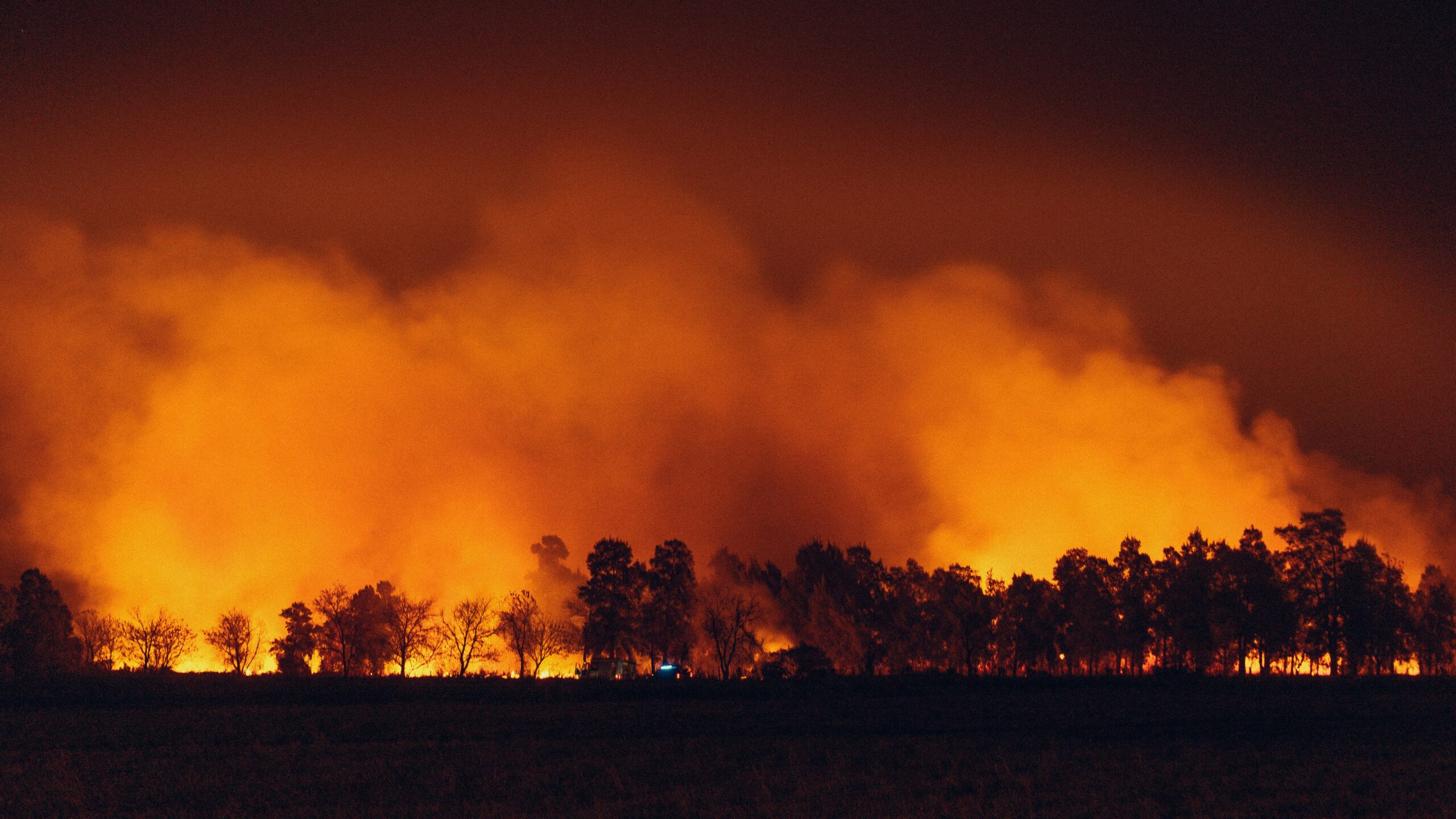
Reviving Aboriginal Cultural Burning in Australia
The Australian landscape, a tapestry woven with ancient traditions and dynamic ecosystems, is undergoing a profound resurgence. For millennia, Aboriginal peoples have practiced cultural burning, a sophisticated land management technique deeply ingrained in their connection to country. This practice, however, was systematically suppressed during the colonial era, leading to a significant decline in its widespread application. Now, a powerful movement is underway to revive and re-establish cultural burning, not only as a means of ecological restoration but also as a vital act of cultural preservation and self-determination. This revival is a testament to the enduring wisdom of Indigenous Australians and their critical role in safeguarding the continent’s unique biodiversity and cultural heritage.
Cultural burning, often referred to as traditional burning or Indigenous fire management, is far more than simply setting a landscape alight. It is a holistic system of knowledge and practice that has evolved over tens of thousands of years, encompassing intricate ecological understanding, spiritual beliefs, and social protocols. Aboriginal peoples understood fire as an integral part of the ecosystem, a tool that could be wielded to maintain biodiversity, promote the growth of culturally significant plants, and reduce the risk of destructive wildfires. Their approach was characterized by precision, intention, and a profound respect for the land.
Understanding the Ecological Principles of Cultural Burning
The effectiveness of cultural burning lies in its deep understanding of ecological processes. Aboriginal peoples meticulously observed seasonal changes, plant life cycles, soil types, and weather patterns to determine the optimal time, place, and intensity of burns. They recognized that different ecosystems required different fire regimes. For instance, grassy woodlands might be burned periodically to encourage the growth of native grasses, which in turn supported grazing animals. Heathlands, with their dense vegetation, might require different fire frequencies and intensities to prevent the accumulation of fuel that could lead to catastrophic bushfires. These burns were typically conducted in the cooler months, under specific wind conditions, and with a focus on low-intensity, mosaic burning. This approach created a patchwork of burnt and unburnt areas, providing habitat corridors for wildlife and ensuring the survival of fire-sensitive species.
The Spiritual and Cultural Significance of Fire
Fire, for Aboriginal peoples, is not merely an environmental tool; it is imbued with profound spiritual and cultural significance. It is a sacred element, a living entity, and a powerful symbol of creation, destruction, and renewal. Cultural burning practices are intrinsically linked to Indigenous Dreaming stories, ancestral laws, and ceremonies. The act of burning is often accompanied by song, dance, and storytelling, reinforcing cultural knowledge and strengthening the spiritual connection between people and country. The smoke from a cultural burn is seen as a messenger, carrying prayers and intentions to the ancestors. These practices ensure the transmission of vital cultural knowledge from one generation to the next, maintaining a vibrant and living connection to the past.
The Role of Elders and Knowledge Keepers
The custodians of this ancient knowledge are the Elders and knowledge keepers within Aboriginal communities. They hold the collective memory and understanding of generations, guiding the practice of cultural burning. Their wisdom dictates the when, where, and why of burning, ensuring that it aligns with ecological imperatives and cultural protocols. The transmission of this knowledge is a sacred responsibility, passed down through oral traditions, practical demonstration, and immersive learning experiences. Reviving cultural burning means empowering these Elders and knowledge keepers, ensuring their voices are heard and their expertise is respected and integrated into contemporary land management.
Aboriginal cultural burning in Australia is a traditional practice that has been used for thousands of years to manage the land and promote biodiversity. This method of controlled burning not only helps to reduce the risk of larger wildfires but also supports the regeneration of native plants and animals. For a broader understanding of how different cultures interact with their environments, you might find it interesting to read about the diverse terrains of other regions, such as Afghanistan. You can explore this topic further in the article available at The Diverse Terrain of Afghanistan: A Geography Overview.
The Devastating Impact of Colonial Policies on Indigenous Fire Management
The arrival of European settlers in Australia brought about a dramatic and often devastating disruption to Aboriginal ways of life, including their traditional fire management practices. The imposition of colonial laws, the dispossession of land, and the suppression of Indigenous cultures led to the erosion and near-eradication of cultural burning. This loss had profound and far-reaching consequences for both the environment and Aboriginal communities.
Dispossession and the Loss of Country
Colonial land policies systematically dispossessed Aboriginal peoples from their ancestral lands. This severing of connection to country meant that traditional burning practices, which were intrinsically tied to specific landscapes, could no longer be carried out. The ability to move freely across the land, to observe its subtle changes, and to apply fire according to ancestral knowledge was lost. This alienation from their traditional territories had a devastating impact on Indigenous cultures, impacting their spiritual, social, and economic well-being. Without access to their country, the knowledge and practice of cultural burning began to fade.
The Criminalization and Suppression of Indigenous Practices
In many instances, Aboriginal fire management practices were actively suppressed and even criminalized by colonial authorities. European settlers, often driven by a misunderstanding of Indigenous land management, viewed Aboriginal fires as destructive and uncontrolled. They perceived the landscape through a European lens, failing to recognize the intentionality and ecological benefits of Indigenous burning. This led to policies that prohibited or severely restricted Aboriginal people from practicing their traditional fire use, further marginalizing their knowledge and authority over their own lands.
The Rise of Catastrophic Bushfires
The cessation of regular, low-intensity cultural burning created a fuel-loading crisis across much of the Australian landscape. Without the meticulous management of flammable vegetation, fuel accumulated to unprecedented levels. This, combined with changing climatic conditions, has led to an increase in the frequency and intensity of destructive bushfires. These megafires not only cause immense ecological damage, leading to species extinction and habitat loss, but also pose significant threats to human life and property. The current bushfire crisis can, in part, be attributed to the historical suppression of effective Indigenous fire management.
The Modern Revival: A Movement for Ecological and Cultural Restoration
In recent decades, a powerful and inspiring movement has emerged to revive and re-establish cultural burning across Australia. This resurgence is driven by a growing recognition of the immense value of Indigenous fire knowledge and the urgent need for sustainable land management solutions. It is a movement that seeks not only to heal the land but also to empower Aboriginal communities and restore their cultural sovereignty.
Indigenous-Led Initiatives and Growing Recognition
The revival of cultural burning is overwhelmingly led by Aboriginal communities themselves. Indigenous organizations, ranger groups, and individuals are at the forefront of reintroducing these practices, often in collaboration with government agencies and research institutions. These initiatives are gaining increasing recognition and support, with many acknowledging the critical role Indigenous knowledge plays in effective fire management. The success of these projects, demonstrating tangible ecological benefits and cultural revitalization, is a powerful testament to the efficacy of ancient practices in a modern context.
Partnerships and Collaboration: Bridging Traditional and Western Science
A key aspect of the revival movement is the development of partnerships and collaborative efforts. Aboriginal knowledge holders are increasingly working alongside scientists, land managers, and policymakers to integrate traditional burning practices with contemporary ecological research and fire management strategies. These collaborations foster a mutual understanding and respect between different knowledge systems, leading to more effective and holistic approaches to land management. This bridging of traditional and Western science is crucial for scaling up cultural burning and ensuring its long-term success.
Cultural Burning as a Tool for Reconciliation and Self-Determination
The revival of cultural burning is intrinsically linked to the broader goals of reconciliation and Indigenous self-determination. By reasserting their right to manage their own lands according to their ancestral traditions, Aboriginal peoples are reclaiming their cultural heritage and asserting their authority. This process of cultural revitalization strengthens community bonds, empowers younger generations with traditional knowledge, and fosters a deeper sense of connection to country. It is a powerful act of decolonization and a crucial step towards achieving true reconciliation in Australia.
Challenges and Opportunities in Re-establishing Cultural Burning

Despite the growing momentum, the revival of cultural burning faces several challenges. However, these challenges also present significant opportunities for innovation, education, and broader societal engagement.
Overcoming Bureaucratic Hurdles and Regulatory Frameworks
One of the significant challenges is navigating existing bureaucratic structures and regulatory frameworks, which were often designed with Western land management principles in mind. Obtaining permits, meeting insurance requirements, and aligning with current fire regulations can be complex for Indigenous groups seeking to implement cultural burning. Streamlining these processes and developing flexible, culturally appropriate regulatory approaches is essential. This requires a willingness from government agencies to adapt and to recognize the unique needs and expertise of Indigenous land managers.
Building Capacity and Skill Development
While the knowledge of cultural burning is ancient, the practical skills and capacity to implement it on a larger scale need to be continually developed and maintained. This involves training programs, knowledge-sharing initiatives, and opportunities for younger generations to learn from experienced Elders. Investing in the capacity of Indigenous ranger groups and land management organizations is crucial for ensuring the long-term sustainability of cultural burning. This includes providing access to resources, equipment, and ongoing professional development.
Public Education and Changing Perceptions
A critical challenge lies in changing public perceptions of fire. Centuries of association with destructive bushfires have created a fear and misunderstanding of fire as a management tool. Educating the wider community about the principles and benefits of cultural burning is vital to foster public support and understanding. This involves engaging with media, schools, and community groups to share stories, demonstrate practices, and highlight the positive outcomes of Indigenous fire management. Shifting the narrative from fire as an enemy to fire as a partner in ecological health is paramount.
Securing Sustainable Funding and Resources
The long-term success of cultural burning initiatives hinges on securing consistent and sustainable funding. While there has been an increase in government and philanthropic support, it is often project-based and can be subject to political shifts. Developing long-term funding models that acknowledge the ongoing nature of land management and the vital role of cultural burning is crucial. This could involve integrating cultural burning into broader land management budgets and exploring innovative funding mechanisms.
Aboriginal cultural burning practices in Australia have gained recognition for their role in land management and environmental sustainability. These traditional methods, which involve controlled burns to promote biodiversity and reduce the risk of larger wildfires, are increasingly being integrated into modern fire management strategies. For a deeper understanding of how indigenous practices can influence contemporary approaches to resource management, you might find it interesting to read about the economic implications of lunar resources in this article on the economic value of lunar helium-3. You can access it here.
The Future of Fire: Integrating Indigenous Knowledge for a Resilient Australia
| Location | Benefit | Method |
|---|---|---|
| Australia | Reduced bushfire risk | Controlled burning of vegetation |
| Australia | Regeneration of native plants | Traditional fire management techniques |
| Australia | Preservation of cultural heritage | Integration of indigenous knowledge |
The revival of Aboriginal cultural burning represents a profound paradigm shift in how Australia understands and manages its landscapes. It is a movement that recognizes the indispensable value of Indigenous knowledge, the deep ecological wisdom embedded within cultural practices, and the essential role of Aboriginal peoples in safeguarding the continent’s future. As Australia grapples with the increasing challenges of climate change and environmental degradation, the integration of cultural burning offers a path towards greater ecological resilience, cultural revitalization, and a more just and equitable future.
A Model for Global Land Management
The Australian experience of reviving cultural burning holds valuable lessons for Indigenous communities and land managers worldwide. Many other countries face similar challenges of land degradation, biodiversity loss, and the need for sustainable fire management. The success of Indigenous-led initiatives in Australia can serve as an inspiring model, demonstrating the power of traditional ecological knowledge in addressing contemporary environmental issues. Sharing this knowledge and fostering global collaborations can lead to more effective and culturally sensitive approaches to land management on a broader scale.
Empowering Future Generations of Land Stewards
By actively reviving and promoting cultural burning, Aboriginal communities are investing in the future. They are ensuring that the intricate knowledge and practices accumulated over millennia are passed down to younger generations, equipping them with the skills and understanding to become the next custodians of country. This intergenerational transfer of knowledge is not just about fire; it is about nurturing a deep and abiding connection to the land, fostering cultural pride, and empowering future generations to lead in the stewardship of their ancestral territories.
Towards a Harmonious Coexistence with Fire
The ultimate goal of this revival is to foster a harmonious coexistence with fire, recognizing its essential role in the Australian ecosystem when managed wisely and intentionally. Cultural burning offers a pathway to mitigate the risks of destructive bushfires, enhance biodiversity, restore ecological health, and strengthen cultural connections. It is a testament to the enduring strength and resilience of Aboriginal cultures and their profound understanding of the Australian continent. The revival of cultural burning is not just about the past; it is a vital and urgent step towards a more sustainable, resilient, and culturally rich future for all of Australia.
The Wilderness Was Engineered
FAQs
What is Aboriginal cultural burning?
Aboriginal cultural burning is a traditional land management practice that has been used by Indigenous Australians for thousands of years. It involves the controlled use of fire to maintain and restore the health of the land, promote biodiversity, and reduce the risk of large, destructive wildfires.
How does Aboriginal cultural burning differ from contemporary fire management practices?
Aboriginal cultural burning differs from contemporary fire management practices in that it is based on traditional ecological knowledge and a deep understanding of the land. It focuses on using fire in a targeted and strategic way to achieve specific ecological and cultural outcomes, rather than simply suppressing all fires.
What are the benefits of Aboriginal cultural burning?
Aboriginal cultural burning has numerous benefits, including promoting the growth of native plants, reducing the risk of large, destructive wildfires, improving habitat for wildlife, and maintaining cultural connections to the land. It also helps to reduce fuel loads and create a mosaic of different vegetation types, which can enhance biodiversity.
How is Aboriginal cultural burning being incorporated into contemporary land management practices?
There is growing recognition of the value of Aboriginal cultural burning among contemporary land managers and fire authorities in Australia. Efforts are being made to incorporate traditional knowledge and practices into fire management planning and to work collaboratively with Indigenous communities to implement cultural burning programs.
What are the challenges facing the revival of Aboriginal cultural burning practices?
Challenges facing the revival of Aboriginal cultural burning practices include the need for greater support and resources for Indigenous communities to carry out cultural burning, as well as the need to navigate complex legal and regulatory frameworks. There is also a need for increased education and awareness about the benefits of cultural burning among the wider community.