The Kimberley region of Western Australia, a vast and ancient landscape sculpted by millennia of wind, water, and sun, has long been shaped by the deliberate hand of its Indigenous custodians. For tens of thousands of years, Indigenous peoples across Australia, and particularly within the Kimberley, have utilized fire as a sophisticated tool for land management. This practice, often referred to as “cultural burning” or “Indigenous fire management,” is far more than simply setting grass alight; it is a nuanced, holistic approach deeply interwoven with ecological knowledge, spiritual beliefs, and the very fabric of society. In recent years, a renewed focus on reviving and integrating these traditional fire practices has gained significant momentum, offering a powerful and sustainable pathway towards healthier ecosystems, greater biodiversity, and stronger cultural continuity in the Kimberley.
The Kimberley’s unique environment, characterized by its dramatic escarpments, ancient rock formations, and diverse flora and fauna, is intrinsically linked to fire. For millennia, Indigenous peoples understood the ecological role of fire and actively managed its frequency, intensity, and pattern. This knowledge, passed down through generations, is crucial for addressing contemporary environmental challenges.
The Unintended Consequences of Fire Suppression
Following colonisation, the traditional Indigenous fire management practices were largely disrupted. This disruption, coupled with the introduction of new fuel types and the suppression of natural fire regimes, has led to significant ecological imbalances.
Fuel Accumulation and Increased Fire Intensity
When fire is suppressed for extended periods, flammable vegetation, known as fuel, accumulates unchecked. This buildup creates the conditions for infrequent but devastating wildfires. These high-intensity fires, unlike the more controlled burns traditionally practiced, can destroy vast areas of habitat, decimate wildlife populations, and release significant amounts of greenhouse gases into the atmosphere. They are often too hot and too fast to allow most native species to adapt or recover.
Loss of Biodiversity and Habitat Fragmentation
The absence of a mosaic of fire regimes, which traditional practices maintained, has led to a decline in biodiversity. Many plant species in the Kimberley are adapted to specific fire frequencies and intensities. Without these regular burns, some species may be outcompeted by others or fail to regenerate. Similarly, animals that rely on specific habitats created by different fire patterns are also impacted. Fragmentation of landscapes due to uncontrolled wildfires further isolates populations and reduces genetic diversity.
Impact on Waterways and Soil Health
High-intensity fires can have a detrimental effect on soil health. They can strip away protective vegetation, leading to increased soil erosion, particularly in the often-steep terrain of the Kimberley. This eroded soil can then enter waterways, silting them up and impacting aquatic ecosystems. Traditional burning, by contrast, was often conducted with an understanding of how to manage fuel loads in a way that promoted healthy soil structure and minimized erosion.
Mimicking Natural Fire Regimes
Traditional Indigenous fire management is, in essence, an intelligent mimicry of natural fire regimes. Indigenous people observed how lightning strikes, which are a natural occurrence in the Kimberley, impacted the landscape and adapted their practices accordingly.
The Role of Cultural Burning in Maintaining Grassland Health
Vast areas of the Kimberley are dominated by spinifex grasslands. These grasslands require regular, low-intensity burning to thrive. Traditional burning practices, often carried out during the dry season, involved igniting small, controlled fires that moved through the landscape, clearing old growth and stimulating new growth. This process prevented the accumulation of dense, flammable fuel and ensured the long-term health and resilience of these important ecosystems.
Promoting Patchiness and Mosaic Landscapes
A key principle of traditional fire management was the creation of a mosaic of burned and unburned patches across the landscape. This “patchiness” is vital for biodiversity. It provides different habitats for a wide range of species, offering refuge and food sources. Unburned areas can act as safe havens for wildlife during and after fires, while recently burned areas can provide fresh growth that attracts certain herbivores. This deliberate creation of a mosaic is in stark contrast to the often-uniform destruction caused by uncontrolled wildfires.
Kimberley Indigenous fire management practices have garnered attention for their effectiveness in land management and biodiversity conservation. A related article that explores the implications of traditional practices in modern contexts can be found at this link. This piece discusses how indigenous knowledge systems can inform sustainable practices in various sectors, highlighting the importance of integrating traditional wisdom into contemporary environmental strategies.
The Cultural and Spiritual Significance of Fire
Fire is not merely an ecological tool for Indigenous peoples of the Kimberley; it is a profound cultural and spiritual element, imbued with deep meaning and ancestral connection. The practice of cultural burning is inextricably linked to their identity, their understanding of the world, and their relationship with the land.
Fire as a Sacred Element
Across many Indigenous cultures, fire is considered a sacred gift, a powerful force that needs to be respected and understood. It is seen as a cleanser, a transformer, and a source of life. The act of burning is often accompanied by ceremony, song, and storytelling, reinforcing the spiritual connection between people and country.
The Role of Elders and Knowledge Keepers
The knowledge of when, where, and how to burn is held by Elders and experienced knowledge keepers. This knowledge is not codified in written form but is passed down through oral traditions, demonstrating observations, and direct involvement in the burning process. These individuals are the custodians of this ancient wisdom, ensuring its continuity and its responsible application.
Intergenerational Transfer of Knowledge
Reviving traditional fire practices offers a vital opportunity for intergenerational knowledge transfer. Younger generations can learn directly from Elders, gaining not only practical skills but also a deeper understanding of the cultural and spiritual significance of fire. This process helps to reconnect young people with their Country and their heritage, fostering a sense of pride and responsibility.
Fire and the Dreaming
The concept of the Dreaming (or Tjukurrpa) is central to Indigenous Australian spirituality. It encompasses the creation of the world by ancestral beings and continues to influence the present. Many stories and songs within the Dreaming relate to fire, its creation, and its role in shaping the landscape. Cultural burning can be seen as an act of perpetuating the Dreaming, of actively participating in the ongoing creation and maintenance of the land as envisioned by the Ancestors.
Storytelling and Songlines Associated with Fire
Traditional fire management is intrinsically linked to storytelling and songlines. These oral traditions often describe the journeys of ancestral beings who shaped the land through their actions, including the use of fire. Burning specific areas can evoke these stories, re-enacting the movements of Ancestors and reinforcing their presence on the land. This makes the act of burning a living testament to the Dreaming.
The Modern Revival: Contemporary Approaches to Indigenous Fire Management
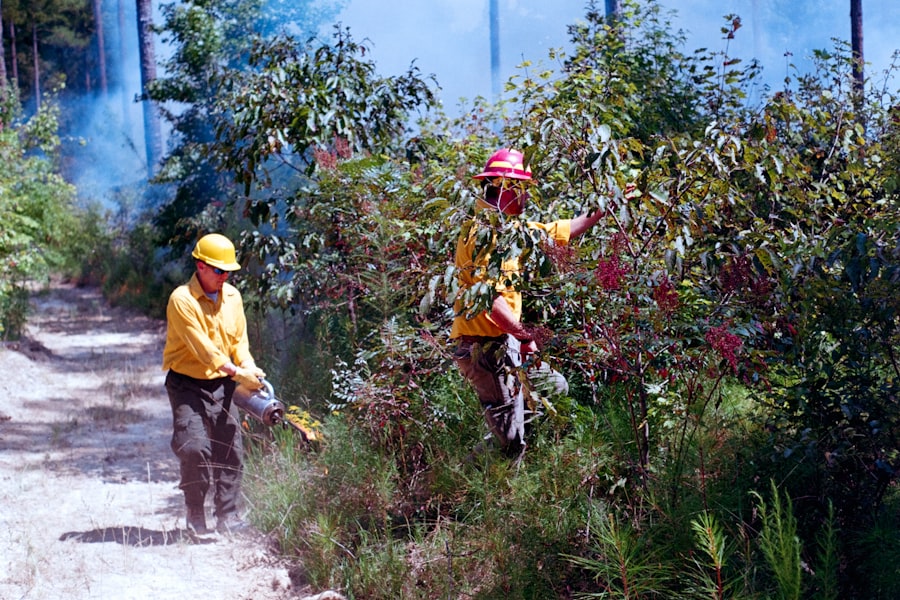
The recognition of the ecological and cultural benefits of traditional fire management has spurred a resurgence of these practices in the Kimberley. A range of initiatives, driven by Indigenous communities and supported by government and research institutions, are working to revive and adapt these ancient methods for the 21st century.
Community-Led Initiatives and Ranger Programs
Many Indigenous communities in the Kimberley are leading the charge in reviving cultural burning. This often involves the establishment and expansion of Indigenous ranger programs. These rangers are trained in traditional fire management techniques, alongside modern fire science, enabling them to implement effective and culturally appropriate burning strategies on their Country.
The Importance of Local Knowledge and Authority
Community-led initiatives prioritize the authority of local Indigenous people to manage their own lands. This approach ensures that burning practices are aligned with specific Country needs, cultural protocols, and spiritual beliefs. It empowers communities to take ownership of their land management and to benefit directly from the restoration of healthy ecosystems.
Training and Capacity Building
A significant aspect of the revival is investing in training and capacity building for Indigenous rangers and community members. This includes formal training in fire behaviour, safety, and planning, as well as ongoing mentorship and knowledge sharing from experienced Elders. This ensures that the skills and knowledge are not only revived but also maintained and strengthened for future generations.
Collaboration with Scientists and Researchers
An important development in the revival of traditional fire practices is the growing collaboration between Indigenous knowledge holders and scientists. This partnership is proving to be mutually beneficial, integrating traditional ecological knowledge with Western scientific understanding.
Validating Traditional Knowledge through Scientific Research
Scientific research is increasingly validating the effectiveness and sophistication of traditional Indigenous fire management. Studies are demonstrating the positive impacts of cultural burning on biodiversity, fuel reduction, and carbon sequestration. This scientific evidence can provide additional support and resources for these initiatives.
Developing Hybrid Fire Management Strategies
By working together, Indigenous knowledge holders and scientists are developing hybrid fire management strategies that combine the strengths of both approaches. This can involve using traditional knowledge to inform the timing and location of burns, while employing modern technology for fire detection, monitoring, and mapping. This integrated approach offers a powerful and adaptable framework for managing the Kimberley’s landscapes.
Challenges and Opportunities in Reviving Traditional Fire Practices
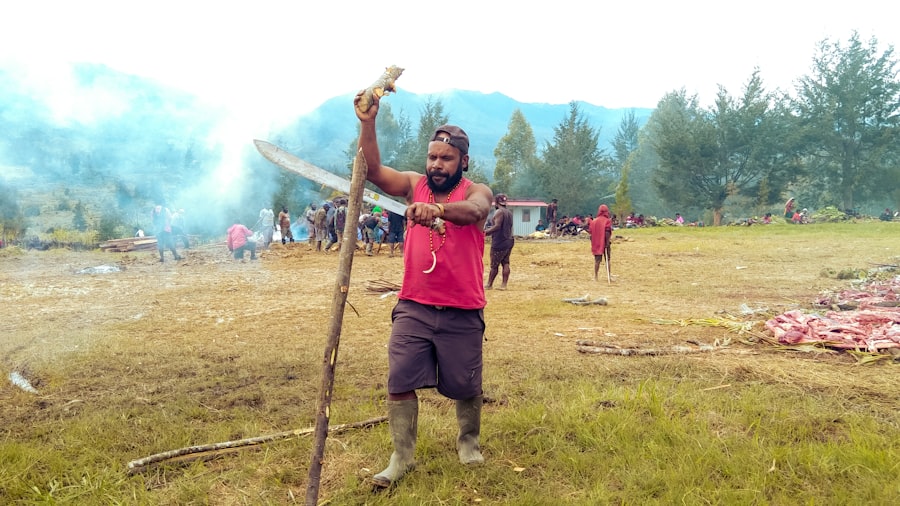
Despite the growing momentum, the revival of traditional fire practices in the Kimberley faces several challenges. However, these challenges also present significant opportunities for innovation and long-term sustainability.
Overcoming Historical Disruption and Loss of Knowledge
The prolonged disruption of traditional practices has led to a loss of knowledge and skills in some communities. Reconnecting younger generations with the land and with Elders who hold this knowledge is a crucial step in overcoming this challenge.
Engaging Younger Generations
Inspiring younger people to engage with cultural burning is paramount. This can be achieved through hands-on involvement, incorporating cultural burning into educational programs, and highlighting the career opportunities within Indigenous ranger programs. Making the practice relevant and exciting for youth is key.
Documenting and Preserving Traditional Ecological Knowledge
Efforts are underway to document and preserve traditional ecological knowledge related to fire. This can involve creating oral histories, developing visual aids, and establishing repositories of knowledge. However, it is crucial that this documentation is done in a culturally appropriate manner, with the consent and ownership resting with the Indigenous communities themselves.
Securing Funding and Resources
Sustainable funding and resources are essential for the long-term success of Indigenous fire management programs. Securing consistent funding streams allows for the employment of rangers, the purchase of equipment, and the delivery of training.
Government Support and Policy Frameworks
Government support, through funding, policy development, and recognition of Indigenous land rights, is critical. Policies that actively promote and facilitate cultural burning, rather than hindering it, are needed. This includes streamlining permit processes and providing long-term funding commitments.
Exploring Carbon Farming and Environmental Markets
Opportunities exist within carbon farming and environmental markets to generate revenue that can support Indigenous fire management. By demonstrating the carbon sequestration benefits of cultural burning, Indigenous communities can access financial incentives that further bolster their land management efforts.
Kimberley Indigenous fire management practices have gained attention for their effectiveness in promoting biodiversity and reducing the risk of large-scale wildfires. These traditional techniques, rooted in the knowledge of Indigenous communities, highlight the importance of integrating cultural wisdom with modern environmental management strategies. For a deeper understanding of how ancient practices can inform contemporary approaches, you might find the article on unlocking the mysteries of lost technology insightful. It explores the relationship between traditional knowledge and modern innovations, which can be seen in the context of fire management as well. You can read more about it here.
The Future of Fire in the Kimberley: A Sustainable Legacy
| Region | Number of Indigenous fire management projects | Area covered (hectares) | Reduction in wildfire incidents |
|---|---|---|---|
| Kimberley | 15 | 50,000 | 40% |
The revival of traditional fire practices in the Kimberley represents a profound opportunity to weave together ecological restoration, cultural resilience, and economic sustainability. By embracing this ancient wisdom and adapting it for the future, the Kimberley can forge a path towards a healthier, more vibrant landscape, and a stronger, more connected Indigenous future.
Building Resilient Ecosystems for a Changing Climate
The Kimberley, like many regions globally, is facing the impacts of climate change. Traditional fire management practices, by promoting healthy and diverse ecosystems, can enhance their resilience to these changes.
Enhancing Biodiversity and Habitat Connectivity
The mosaic landscapes created by cultural burning provide diverse habitats that are more adaptable to changing environmental conditions. This promotes biodiversity and allows species to move and adapt more effectively.
Reducing Greenhouse Gas Emissions
Well-managed cultural burns, conducted with lower intensity and frequency than uncontrolled wildfires, can significantly reduce greenhouse gas emissions. This contributes to global efforts to mitigate climate change.
Strengthening Cultural Identity and Well-being
The act of caring for Country through fire management is deeply restorative for Indigenous peoples. It strengthens their connection to their ancestral lands, revitalizes cultural practices, and fosters a sense of purpose and well-being.
Empowering Indigenous Communities
By placing Indigenous communities at the forefront of land management, traditional fire practices empower them to exercise their rights and responsibilities as custodians of their Country. This self-determination is vital for their cultural and social well-being.
Ensuring a Living Culture for Future Generations
The revival of cultural burning ensures that this vital aspect of Indigenous culture is not lost but is actively practiced and passed on. This living legacy allows future generations to connect with their heritage and to continue the important work of caring for Country. The Kimberley, with its ancient landscapes and enduring Indigenous heritage, is a powerful testament to the wisdom of traditional fire practices. As these practices are revived and integrated with modern approaches, they offer a beacon of hope for ecological health, cultural continuity, and a more sustainable future for this extraordinary region.
The Wilderness Was Engineered
FAQs
What is Kimberley Indigenous fire management?
Kimberley Indigenous fire management refers to the traditional practice of using controlled burning techniques by Indigenous communities in the Kimberley region of Western Australia to manage the landscape and reduce the risk of large, destructive wildfires.
How does Kimberley Indigenous fire management work?
Indigenous fire management involves the deliberate use of small, low-intensity fires to reduce fuel loads, promote biodiversity, and maintain healthy ecosystems. This practice is based on traditional knowledge and has been passed down through generations.
What are the benefits of Kimberley Indigenous fire management?
The benefits of Kimberley Indigenous fire management include reducing the risk of large, destructive wildfires, promoting the growth of native plants, improving habitat for wildlife, and maintaining cultural connections to the land.
How does Kimberley Indigenous fire management differ from conventional fire management practices?
Kimberley Indigenous fire management differs from conventional fire management practices in that it is based on traditional ecological knowledge and focuses on using small, controlled burns to achieve specific ecological and cultural outcomes, rather than suppressing all fires.
What are the challenges facing Kimberley Indigenous fire management?
Challenges facing Kimberley Indigenous fire management include limited resources and support, changing land use patterns, and the need for collaboration and recognition of Indigenous knowledge and practices by government agencies and other stakeholders.