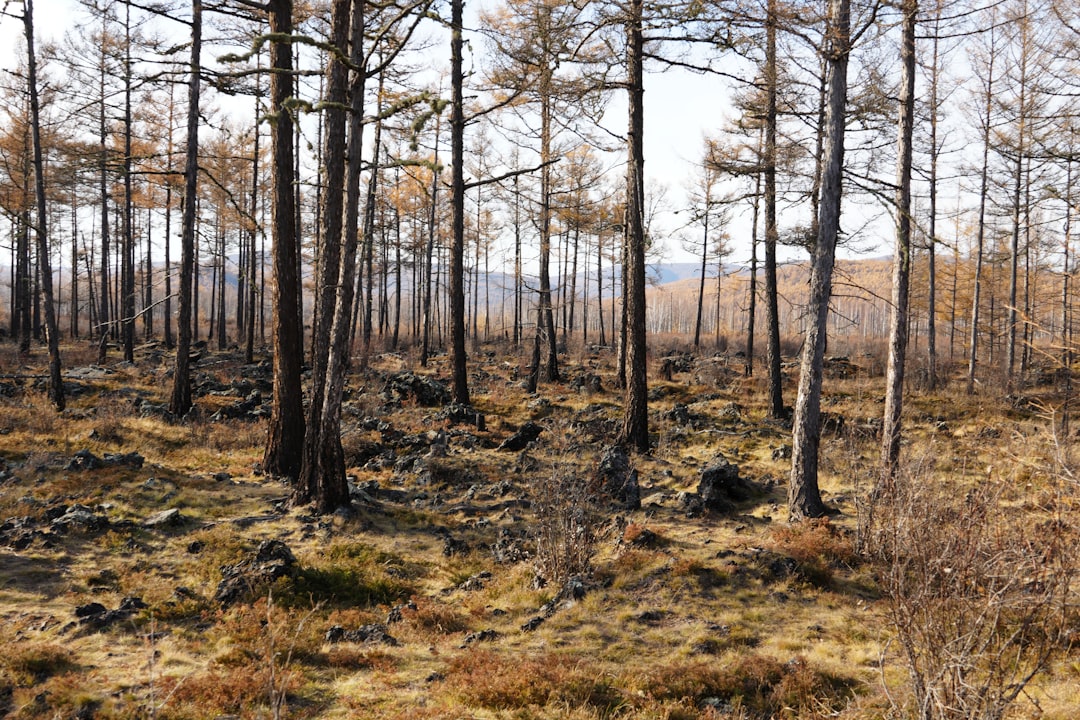
Cultural burning, a practice deeply rooted in Indigenous knowledge and traditions, plays a profound role in shaping forest ecosystems. Far from being a destructive force, it is a nuanced and deliberate application of fire, guided by generations of observation and understanding. This ancient art, often referred to as Indigenous fire management or traditional ecological knowledge, is not simply about clearing land; it is about actively cultivating and regenerating forests for the long-term health and resilience of both the natural environment and the communities that depend on it.
The Ancestral Wisdom of Fire
For Indigenous peoples across the globe, fire has always been an integral part of their relationship with the land. It was not a force to be feared and suppressed, but a tool to be understood and harnessed. This understanding was born from millennia of observing the natural cycles of fire in their landscapes, recognizing its role in breaking down dead organic matter, releasing nutrients back into the soil, and stimulating the growth of specific plant species. This knowledge was passed down through oral traditions, stories, and hands-on practice, ensuring that fire was used in a way that maintained ecological balance and supported biodiversity.
A Living Heritage
The practice of cultural burning is not a static relic of the past; it is a living heritage that continues to be adapted and applied by Indigenous communities today. It represents a deep connection to the land, a spiritual understanding of its needs, and a commitment to its future. This connection manifests in the careful consideration of species, soil types, weather patterns, and seasonal cycles when planning and executing burns. It is a holistic approach that recognizes the interconnectedness of all living things within the forest.
Beyond Suppression: A Paradigm Shift
The dominant approach to forest management in many Western contexts has historically been one of fire suppression. This has led to the accumulation of dense fuel loads, making forests more susceptible to larger, more destructive wildfires. Cultural burning offers a paradigm shift, advocating for the reintroduction of low-intensity, controlled fires to mimic natural fire regimes and reduce the risk of catastrophic events. This shift acknowledges that fire, when managed appropriately, can be a beneficial ecological process.
Cultural burning has long been recognized as a vital practice for shaping and maintaining healthy forest ecosystems, particularly among Indigenous communities. An insightful article that delves into the historical significance of such practices is titled “The Lost Technology: Evidence of Ancient Purge.” This piece explores how ancient methods of land management, including controlled burns, were employed to enhance biodiversity and promote sustainable growth. For more information on this fascinating topic, you can read the article here: The Lost Technology: Evidence of Ancient Purge.
Restoring Ecological Balance Through Fire
Cultural burning is a powerful tool for restoring and maintaining the ecological balance of forests. By introducing low-intensity fires, Indigenous peoples have historically managed fuel loads, promoted the growth of specific plant species, and created diverse habitat mosaics that support a wide array of wildlife.
Fuel Load Management: Preventing Catastrophic Wildfires
One of the most critical functions of cultural burning is its role in managing fuel loads. Over time, dead leaves, branches, and other organic debris accumulate on the forest floor, creating a significant fire hazard. Controlled burns, carefully conducted during specific times of the year and under particular weather conditions, consume this excess fuel. This reduces the intensity and spread of potential wildfires, making them less destructive and more manageable. The accumulated fuel is essentially thinned out, preventing a runaway conflagration. This process is not about eliminating all dead organic matter, but about achieving a healthy balance.
The Importance of Low-Intensity Burns
The key to effective fuel load management through cultural burning lies in the controlled intensity of the flames. Unlike the raging infernos of out-of-control wildfires, cultural burns are designed to be low-intensity, smoldering fires that move slowly through the undergrowth. This allows the heat to primarily affect the surface litter and smaller woody debris, while minimizing damage to mature trees and the deeper soil layers. This selective consumption of fuel is crucial for preserving the overall health and structure of the forest.
Seasonal Considerations
The timing of cultural burns is paramount. Indigenous knowledge dictates specific seasons when the land is receptive to fire, and when the risk of unintended consequences is minimized. These seasons often coincide with periods of lower humidity, specific wind patterns, and the completion of certain plant life cycles. For example, burns might be conducted after the seeds of fire-dependent species have been dispersed, or when the reproductive cycles of certain animals have concluded. This meticulous attention to seasonal timing ensures that the burn serves its intended purpose without disrupting crucial ecological processes.
Promoting Biodiversity and Habitat Diversity
Cultural burning actively promotes biodiversity by creating a mosaic of different habitats within the forest. By selectively burning certain areas and leaving others unburned, Indigenous land managers create a variety of ecological conditions. This can include open, grassy areas, shrublands, and patches of mature forest. This diversity of habitats supports a wider range of plant and animal species, as different species thrive in different conditions.
Fire-Dependent Species Thrive
Many plant species have evolved to rely on fire for their survival and reproduction. Some seeds, for instance, require the heat of a fire to germinate. Others benefit from the removal of competing vegetation by fire, allowing them to access sunlight and nutrients. Cultural burning provides these essential ecological cues, ensuring the continued presence and vitality of these fire-dependent species. This includes a variety of grasses, wildflowers, and even certain tree species.
Creating Patch Dynamics
The practice of cultural burning creates “patch dynamics” within the landscape. This refers to the natural fragmentation of ecosystems into distinct patches of varying age and structure. These patches, created by the mosaic of burned and unburned areas, provide diverse food sources and shelter for wildlife. For example, an open, recently burned area might be ideal for grazing animals, while an unburned area of dense undergrowth might offer protection for smaller mammals.
Nutrient Cycling and Soil Health
Fire plays a vital role in the nutrient cycle of forest ecosystems. When organic matter burns, it releases essential nutrients back into the soil, making them available for plant uptake. Cultural burning, by controlled consumption of surface fuels, facilitates this process in a sustainable manner.
Ash as Fertilizer
The ash left behind by cultural burns acts as a natural fertilizer. It contains minerals like potassium, phosphorus, and calcium, which are crucial for plant growth. This natural fertilization process replenishes the soil, promoting the vigor and health of the forest vegetation. Unlike synthetic fertilizers, this process is integrated into the natural cycle and avoids the potential negative impacts of chemical inputs.
Stimulating Microbial Activity
Fire can also stimulate the activity of beneficial soil microorganisms. These microbes play a critical role in breaking down organic matter, making nutrients accessible to plants, and improving soil structure. Controlled burns can create conditions that favor the growth and activity of these essential soil organisms, further enhancing the fertility and health of the forest floor.
Cultural Significance and Indigenous Stewardship
Cultural burning is far more than just an ecological management technique; it is deeply intertwined with the cultural identity, spiritual beliefs, and societal practices of Indigenous peoples. It represents a profound responsibility for stewardship of the land.
A Sacred Connection to Country
For Indigenous communities, the land is not merely a resource but a sacred entity, intrinsically linked to their identity, history, and spirituality. Cultural burning is an expression of this deep spiritual connection and a tangible demonstration of their role as custodians of their ancestral lands, often referred to as “Country.” The act of burning is often accompanied by ceremonies and protocols, reflecting a holistic approach that integrates ecological management with spiritual and cultural obligations.
Intergenerational Knowledge Transfer
The practice of cultural burning is a vital mechanism for transmitting intergenerational knowledge. Elders pass down their understanding of fire behavior, ecological indicators, and best practices to younger generations through storytelling, mentorship, and hands-on participation. This ensures the continuity of this ancient wisdom and its application for the benefit of future generations. It is a living library of ecological knowledge embedded within cultural practice.
Maintaining Cultural Landscapes
Cultural burning has been instrumental in shaping and maintaining specific cultural landscapes that are important to Indigenous peoples. These landscapes may include areas with culturally significant plants used for food, medicine, or materials, as well as sites of historical or ceremonial importance. By carefully applying fire, Indigenous communities can ensure the continued abundance and accessibility of these resources and the preservation of their cultural heritage.
Collaborative Land Management and Reconciliation
In recent decades, there has been a growing recognition of the value of Indigenous knowledge and practices in modern land management. This has led to increased collaboration between Indigenous communities and government agencies, fostering a more inclusive and effective approach to forest management.
Revitalizing Indigenous Fire Practices
There is a significant movement to revitalize and expand the use of cultural burning across landscapes where Indigenous communities have a historical connection. This involves empowering Indigenous fire practitioners, providing resources, and establishing partnerships that respect Indigenous sovereignty and knowledge systems. The goal is to integrate these time-tested practices into broader land management strategies.
Building Trust and Reconciliation
The reintroduction of cultural burning, when done in partnership with Indigenous communities, can be a powerful act of reconciliation. It acknowledges the historical dispossession and suppression of Indigenous practices and seeks to restore Indigenous authority and responsibility over their lands. This collaborative approach builds trust and fosters a more equitable and sustainable future for both people and the environment.
The Science Behind Traditional Practices
While cultural burning has been practiced for millennia based on empirical observation and Indigenous knowledge, modern science is increasingly validating its effectiveness and providing a deeper understanding of its ecological mechanisms.
Understanding Fire Ecology
Modern fire ecology research has confirmed many of the principles underlying cultural burning. Scientists study fire regimes – the historical patterns of fire in an ecosystem – and their impact on species composition, forest structure, and ecosystem processes. This research often aligns with Indigenous observations of how fire shapes landscapes and supports biodiversity.
Fire as a Natural Disturbance
Fire is now widely recognized as a natural and essential disturbance in many forest ecosystems. Suppressing all fires can disrupt these natural cycles, leading to unnatural fuel accumulations and increased risk of severe wildfires. Cultural burning seeks to reintroduce fire as a natural disturbance in a controlled and beneficial manner.
Adaptive Management Through Fire
The principles of adaptive management, which emphasize learning through doing and adjusting practices based on outcomes, are inherent in cultural burning. Indigenous practitioners constantly observe the effects of their burns and adapt their techniques accordingly, demonstrating a sophisticated understanding of ecosystem responses.
The Role of Fire in Carbon Sequestration
Contrary to the notion that burning releases significant carbon, controlled, low-intensity cultural burns can actually contribute to long-term carbon sequestration. By reducing the risk of large, intense wildfires, which release vast amounts of carbon into the atmosphere, cultural burning helps to protect carbon stored in trees and soils.
Preventing Large Carbon Releases
The most significant carbon emissions from forests often come from large, uncontrolled wildfires. By reducing fuel loads and preventing these megafires, cultural burning acts as a crucial carbon mitigation strategy. It effectively “traps” carbon in the forest for longer periods.
Enhancing Soil Carbon Storage
Healthy forest ecosystems, often maintained through cultural burning, can enhance soil carbon storage. The continuous cycle of organic matter decomposition and nutrient cycling, facilitated by controlled fire, contributes to the accumulation of carbon in the soil.
Cultural burning practices have long been integral to the management of forests, promoting biodiversity and reducing the risk of catastrophic wildfires. These traditional methods, rooted in Indigenous knowledge, have been gaining recognition for their effectiveness in shaping healthier ecosystems. For a deeper understanding of how such practices can influence various sectors, you might find it interesting to explore the article on the shift to southern U.S. manufacturing, which discusses the broader implications of regional practices and sustainability. You can read more about it here.
Challenges and Future Directions
Despite the undeniable benefits of cultural burning, its widespread adoption faces several challenges. Overcoming these hurdles is crucial for realizing the full potential of this ancient practice.
Jurisdictional and Regulatory Barriers
In many regions, land management regulations are geared towards fire suppression and can be slow to adapt to incorporate cultural burning practices. Obtaining permits, navigating bureaucratic processes, and gaining recognition for Indigenous fire knowledge can be significant obstacles.
Policy Reform and Integration
There is a growing need for policy reform that recognizes and integrates cultural burning into land management frameworks. This includes developing clear guidelines, streamlining permitting processes, and providing dedicated funding and resources for Indigenous-led fire programs.
Building Trust Between Agencies and Communities
Establishing and maintaining trust between land management agencies and Indigenous communities is paramount. This involves genuine partnership, mutual respect, and a commitment to shared decision-making processes.
Public Perception and Education
Public perception of fire can be heavily influenced by the devastating impacts of large wildfires. Educating the public about the role of controlled burning and the benefits of Indigenous fire management is essential to building support and acceptance.
Debunking Misconceptions
It is important to address common misconceptions about fire, such as the idea that all fire is inherently destructive. Highlighting the ecological role of fire and the responsible practices of cultural burning can help to shift public opinion.
Showcasing Successful Examples
Sharing successful examples of cultural burning projects and their positive outcomes can be a powerful tool for public education and engagement. Demonstrating the tangible benefits to forest health, biodiversity, and community resilience can build confidence and support.
Training and Capacity Building
Expanding the practice of cultural burning requires investing in training and capacity building for both Indigenous practitioners and land managers. This ensures that these practices are carried out safely and effectively.
Developing Indigenous Fire Crews
Supporting and developing Indigenous-led fire crews is crucial for empowering communities to manage their own lands. This includes providing training, equipment, and opportunities for cultural exchange.
Cross-Cultural Training for Land Managers
Providing cross-cultural training for land managers from non-Indigenous agencies can foster a deeper understanding and appreciation of Indigenous knowledge and practices. This can lead to more effective collaboration and the successful integration of cultural burning.
In conclusion, cultural burning is a sophisticated and vital practice that has shaped forest ecosystems for millennia. It represents a profound connection between Indigenous peoples and the land, a testament to their enduring wisdom in managing natural resources. By embracing and supporting cultural burning, we not only restore ecological balance and enhance forest resilience but also honor the invaluable knowledge and stewardship of Indigenous communities, paving the way for a more sustainable and harmonious relationship with our natural world.
The Wilderness Was Engineered
FAQs
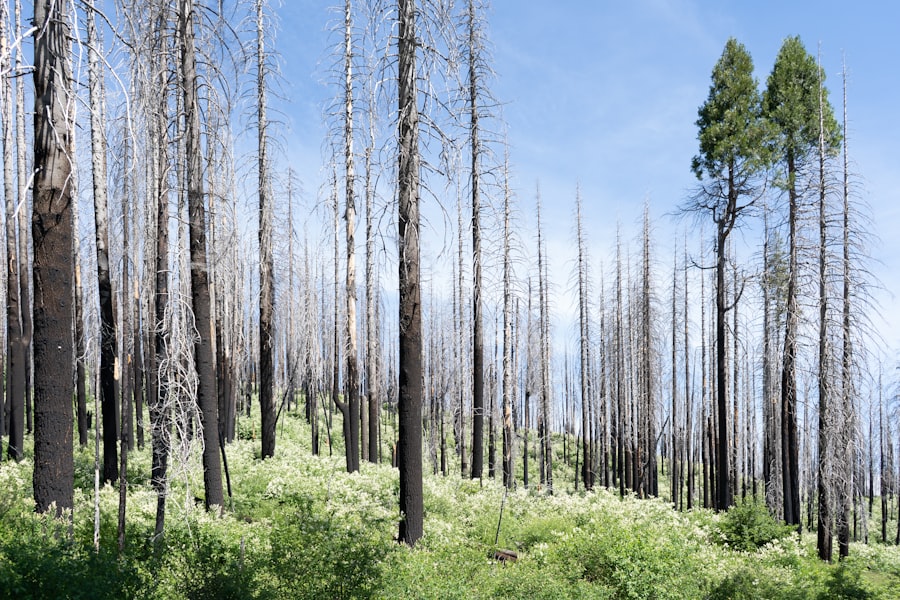
What is cultural burning?
Cultural burning is a traditional practice of land management by Indigenous peoples. It involves the controlled use of fire to maintain and enhance the health of ecosystems.
How does cultural burning shape forests?
Cultural burning helps to reduce fuel loads, promote biodiversity, and regenerate plant species. It also helps to prevent large, destructive wildfires by creating a patchwork of burned and unburned areas.
Where is cultural burning practiced?
Cultural burning is practiced by Indigenous peoples in various parts of the world, including Australia, North America, and Africa. Each culture has its own specific techniques and traditions related to cultural burning.
What are the benefits of cultural burning for forests?
Cultural burning can improve soil fertility, reduce the risk of catastrophic wildfires, and promote the growth of fire-resistant plant species. It also helps to maintain the cultural and spiritual connections of Indigenous peoples to the land.
How can cultural burning be integrated into modern land management practices?
Efforts are being made to incorporate traditional ecological knowledge and cultural burning practices into modern land management strategies. This involves collaboration with Indigenous communities and the recognition of their expertise in managing ecosystems through cultural burning.