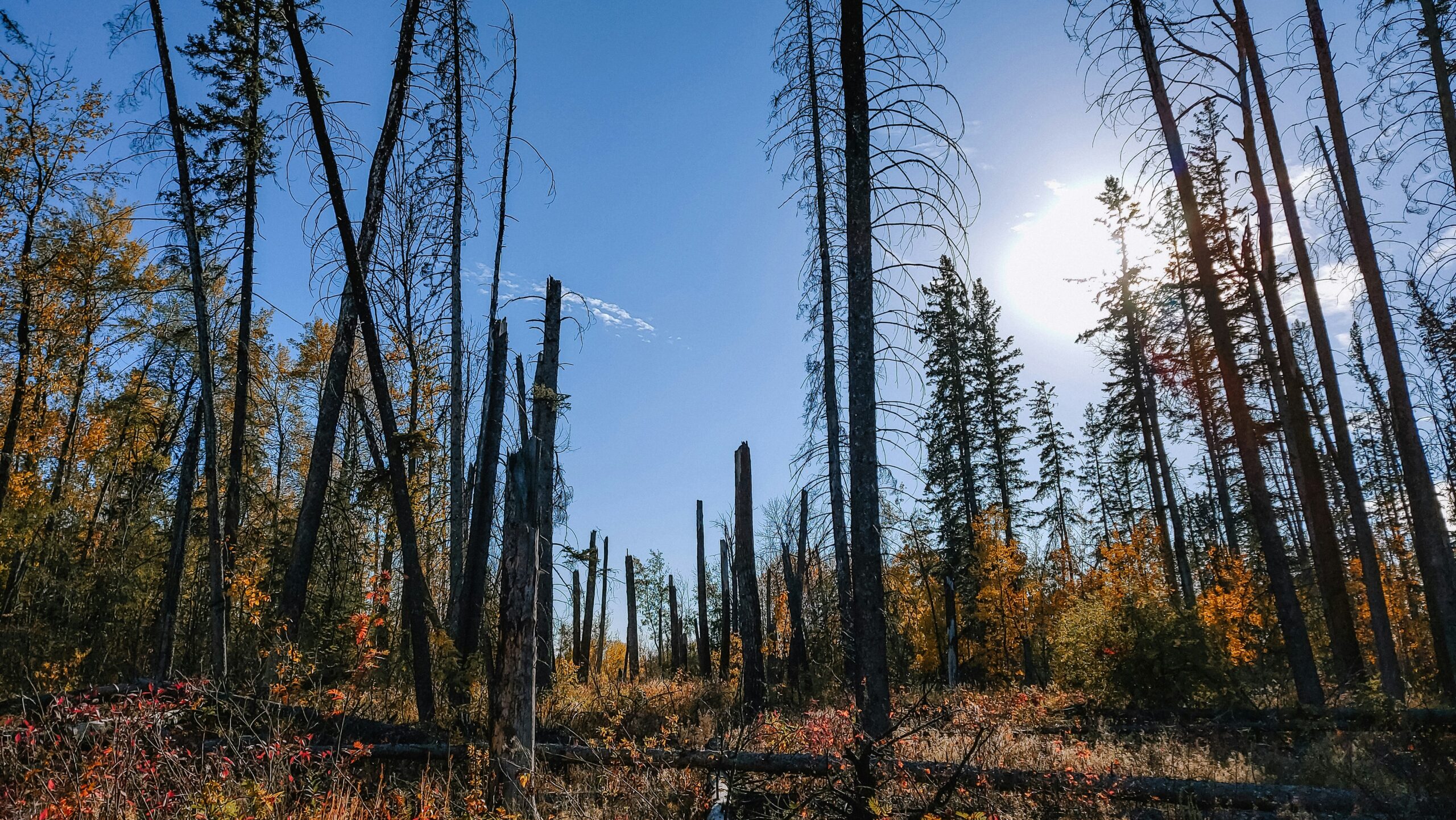
Human Impact on Ancient Landscapes
The Earth’s landscapes are not static canvases, but dynamic entities shaped by a multitude of forces, both natural and anthropomorphic. For millennia, humanity has been an active participant in this ongoing transformation, its presence leaving indelible marks on the very fabric of our planet. The impact of human activity on ancient landscapes, those untouched or minimally altered by modern industrialization, offers a profound perspective on the scale and longevity of our influence. These environments, often perceived as pristine, are in fact often complex tapestries woven with threads of ancient human ingenuity, resourcefulness, and, at times, unintended consequences. Understanding these impacts allows us to appreciate the deep history of human-environment interaction and to better navigate our role in shaping the future.
The transition from nomadic hunter-gatherer societies to settled agricultural communities marked a pivotal moment in human history, fundamentally altering the relationship between people and their environment. This shift initiated a deliberate and sustained manipulation of landscapes, moving beyond temporary campsites to permanent settlements and cultivated fields. The demands of feeding an increasingly sedentary population spurred innovations that reshaped ecosystems, often on a scale that was unprecedented for its time.
Land Clearing and Deforestation for Cultivation
The very act of establishing farms required the removal of existing vegetation. Forests, grasslands, and other natural biomes were cleared to make way for crops and livestock. This was not a localized phenomenon; as populations grew, so did the need for agricultural land, leading to widespread deforestation. The tools and techniques of early agriculture, while rudimentary by modern standards, were effective in transforming vast tracts of land. Axes made of stone, then later metal, were employed to fell trees, opening up the soil for plowing. The burning of cleared vegetation, a practice known as slash-and-burn agriculture, not only removed trees but also released nutrients into the soil, albeit temporarily, creating a cycle of clearing and cultivation that could lead to soil degradation over time.
Long-term consequences of deforestation
The clearing of forests had far-reaching consequences that extended beyond the immediate need for farmland. Deforestation led to increased soil erosion, as tree roots no longer bound the soil in place. Rainwater, unhindered by the forest canopy, could wash away fertile topsoil, diminishing agricultural productivity and silting up rivers and lakes. The loss of forest cover also disrupted local water cycles, potentially leading to drier conditions and increased susceptibility to drought. Furthermore, the removal of habitats resulted in a decline in biodiversity, impacting animal populations and the ecological balance of the region. In some ancient landscapes, the scars of this early deforestation are still visible today, either through the absence of specific tree species or the altered composition of the remaining flora.
Irrigation and Water Management Systems
To overcome the vagaries of rainfall and ensure consistent crop yields, ancient civilizations developed sophisticated irrigation and water management systems. These projects, often requiring immense labor and social organization, fundamentally altered the hydrology of landscapes. Rivers were diverted, canals were dug, and reservoirs were constructed to store and distribute water to agricultural fields.
The impact of canal networks on river systems
The construction of extensive canal networks had a profound impact on the natural flow of rivers. Water was siphoned off, reducing downstream flow and altering the water levels in natural river channels. This could have significant implications for aquatic ecosystems, affecting fish migration and the habitats of riparian species. Furthermore, the extensive excavation of canals could lead to changes in groundwater levels and soil salinization, particularly in arid or semi-arid regions where evaporation rates are high. The accumulation of salts in the soil, a consequence of prolonged irrigation without adequate drainage, could render the land infertile for agriculture.
The rise and fall of civilizations tied to water
The success and sustenance of many ancient civilizations were inextricably linked to their ability to manage water resources. Societies that mastered irrigation often thrived, expanding their territories and supporting larger populations. Conversely, the failure of these systems, whether due to environmental change, internal conflict, or the overexploitation of water sources, could lead to societal collapse. The archaeological record is replete with examples of abandoned cities and agricultural areas that bear witness to the critical role of water management in the rise and fall of ancient civilizations. The enduring remnants of these ancient hydraulic systems, such as the terraces of the Inca or the irrigation networks of Mesopotamia, stand as testaments to their engineering prowess and the profound impact they had on the land.
Humans have played a significant role in shaping ancient landscapes, transforming environments through agriculture, urbanization, and resource extraction. An insightful article that delves into the implications of these changes on global geography is available at this link. It explores how human activities have not only altered the physical terrain but also influenced climate patterns and biodiversity, providing a comprehensive understanding of our impact on the planet throughout history.
Monumental Architecture and Landscape Alteration
Beyond the practical necessities of agriculture, humans have also shaped ancient landscapes through the construction of monumental structures. These endeavors, driven by religious beliefs, political power, and social cohesion, often involved significant earthmoving, quarrying, and the reshaping of natural topography. The sheer scale of these undertakings left a lasting imprint, transforming the visual and physical characteristics of entire regions.
Quarrying and Resource Extraction
The construction of monumental architecture required vast quantities of building materials. Stone quarries, often vast pits in the earth, were excavated to extract the raw materials. These quarries not only altered the local topography but also disrupted the natural drainage patterns and vegetation cover. The extraction of stone could lead to significant erosion and habitat loss.
The visual scars of ancient quarries
The remains of ancient quarries can still be found in many parts of the world, serving as tangible evidence of human endeavor. These sites are often characterized by steep, exposed rock faces, piles of discarded stone, and altered landforms. While nature has begun to reclaim some of these sites, their impact on the original landscape is undeniable. In some cases, the quarrying process was so extensive that it created new geological features, such as artificial hills or depressions, which became integrated into the broader landscape.
Earthworks and Land Sculpting
Many ancient cultures engaged in large-scale earthmoving to create monumental earthworks. These could include burial mounds, defensive fortifications, ceremonial platforms, and even entire sculpted landscapes. The construction of these features involved the excavation and relocation of massive amounts of soil, fundamentally altering the contours of the land.
The enduring legacy of megalithic structures
Megalithic structures, such as Stonehenge in Britain or the pyramids of Egypt, are prime examples of how human activity has shaped ancient landscapes. The sheer scale of these constructions, the transportation of massive stones over long distances, and the reshaping of the surrounding terrain all attest to the profound impact of these projects. The positioning of these structures within their landscapes was often deliberate, aligned with celestial events or significant geographical features, further integrating human intent with the natural world. The construction of the Great Wall of China, a monumental defensive structure, exemplifies the extensive modification of mountainous terrain for human purposes, creating a man-made landscape that dominates its natural surroundings.
The impact of deforestation for construction materials
The construction of large structures often necessitated the felling of significant numbers of trees for timber, used for scaffolding, tools, and even structural components. This further exacerbated the impacts of deforestation, contributing to soil erosion and habitat loss in the vicinity of construction sites. The demand for wood for fuel, both for construction and for domestic use, further amplified these pressures on forest resources.
Pastoralism and its Subtle but Pervasive Influence

While agriculture and monumental construction represent overt landscape alterations, pastoralism, the practice of herding livestock, exerted a more subtle but equally pervasive influence on ancient landscapes. The movement of large herds across grasslands and open woodlands had a transformative effect on vegetation composition, soil structure, and fire regimes.
Grazing and its impact on vegetation
The continuous grazing of domesticated animals, such as sheep, goats, and cattle, significantly altered plant communities. Preferred forage species were heavily grazed, leading to their decline, while less palatable plants, often tougher and more resilient, began to dominate. This process of selective grazing led to a homogenization of vegetation in many areas, reducing plant diversity and favoring species adapted to disturbance.
The role of livestock in promoting grasslands
In many regions, pastoralism played a crucial role in maintaining and even expanding grasslands. The constant grazing prevented the encroachment of trees and shrubs, effectively shaping open landscapes that were conducive to herding. This creation of anthropogenic grasslands, maintained by human activity, became a defining characteristic of many ancient environments.
Trampling and soil compaction
The constant movement of large herds across the land resulted in soil compaction. This can reduce water infiltration, increase surface runoff, and make it more difficult for plant seeds to germinate. In fragile environments, this trampling effect could contribute to desertification and the degradation of soil health.
The alteration of natural erosion patterns
While trampling can increase erosion in some contexts, the removal of dense vegetation by grazing can also expose soils to wind and water erosion, leading to significant landscape changes over time. The intricate patterns of erosion and deposition, which might have been gentler and more natural, could be intensified or redirected by the presence of grazing animals and their impact on vegetation cover.
Fire as a tool of landscape management
Pastoral communities often used fire as a tool to manage their pastures. Controlled burns were used to clear away dead vegetation, stimulate new grass growth, and control insect populations. These fires, repeated over generations, had a profound impact on the fire regimes of ancient landscapes, shaping the distribution and types of vegetation.
The creation of fire-adapted ecosystems
The frequent use of fire by pastoralists led to the evolution of fire-adapted ecosystems. Many plant species in these regions developed mechanisms to survive and even thrive after fires, such as thick bark, underground storage organs, or seeds that require heat to germinate. The landscapes that resulted from this long-term interaction with fire were distinct from those that would have developed without human intervention.
The Spread of Invasive Species and Disease

Human movement, whether through trade, migration, or conquest, has always been a vector for the dispersal of plants, animals, and pathogens. In ancient times, these introductions, though often unintentional, could have significant and long-lasting impacts on the ecological integrity of landscapes.
Accidental introductions through trade and travel
Ancient trade routes, while facilitating the exchange of goods and ideas, also served as pathways for the accidental introduction of non-native species. Seeds, carried on the clothing of travelers or in the ballast of ships, could establish themselves in new environments. Similarly, stowaway insects or small animals could be transported across continents.
The ecological disruption caused by alien species
Once established, invasive species could outcompete native flora and fauna for resources, disrupt food webs, and alter habitat structure. In the absence of natural predators or diseases to control their populations, invasive species could spread rapidly, leading to significant ecological disruption. The introduction of a single aggressive plant species, for instance, could transform a diverse meadow into a monoculture, displacing countless native organisms.
The impact of animal diseases on wild and domestic populations
The movement of domesticated animals also facilitated the spread of diseases. Epidemics could sweep through wild animal populations, decimating numbers and altering the ecological balance. These disease outbreaks could have cascading effects throughout the ecosystem, impacting predator-prey relationships and the overall health of the environment. The introduction of novel pathogens to naive populations, with no prior immunity, could lead to catastrophic declines.
The long-term ecological consequences of disease outbreaks
The long-term consequences of disease outbreaks could be substantial, leading to the extinction of species or the permanent alteration of their range. The ecological niches left vacant by decimated populations could be filled by other species, leading to a reordering of the ecosystem. The historical accounts of livestock plagues and their devastating impact on both domestic and wild animals highlight the profound ecological consequences of disease transmission facilitated by human activity.
The study of how humans shaped ancient landscapes reveals fascinating insights into our ancestors’ interactions with their environment. For instance, the manipulation of natural resources and the construction of irrigation systems played a crucial role in the development of early civilizations. A related article discusses the intriguing mysteries surrounding ancient artifacts, such as the Baghdad Battery, which may shed light on the technological advancements of the time. You can read more about this captivating topic in the article here. Understanding these elements helps us appreciate the ingenuity of past societies and their lasting impact on the world we inhabit today.
Modern Research and the Unveiling of Ancient Human Imprints
| Region | Time Period | Human Activity | Impact on Landscape |
|---|---|---|---|
| Mesopotamia | 3000-2000 BCE | Agriculture, irrigation | Creation of fertile farmland through canal systems |
| Maya Civilization | 2000 BCE-900 CE | Terracing, deforestation | Altered natural drainage patterns, soil erosion |
| Ancient Greece | 800-146 BCE | Terracing, urbanization | Transformation of hillsides for agriculture, expansion of cities |
| Roman Empire | 27 BCE-476 CE | Road construction, mining | Deforestation, soil erosion, altered river courses |
For centuries, the perception of ancient landscapes often leaned towards an idealized vision of pristine wilderness, untouched by human hands. However, advancements in archaeological techniques, paleoenvironmental studies, and the application of scientific methodologies are increasingly revealing the deep and complex history of human interaction with these environments.
Paleoenvironmental reconstruction and its insights
By analyzing sediment cores, ice cores, and fossil records, scientists can reconstruct past environmental conditions. These reconstructions often reveal evidence of human activities, such as deforestation, soil erosion, and changes in vegetation composition that correlate with periods of human settlement and agricultural expansion.
Revealing changes in pollen and charcoal records
The study of pollen grains preserved in ancient soils and lake sediments can reveal shifts in plant communities over time, often indicating land clearing for agriculture or changes in grazing patterns. Similarly, the presence of charcoal in these records provides direct evidence of human-induced fires, used for land management or clearing. These microscopic clues paint a detailed picture of how ancient peoples interacted with and altered their surroundings.
Remote sensing and archaeological landscape analysis
Modern technologies, such as satellite imagery and LiDAR (Light Detection and Ranging), are revolutionizing the study of ancient landscapes. These tools allow researchers to map and analyze vast areas from above, identifying subtle features and patterns that might otherwise be invisible.
Identifying hidden earthworks and land-use patterns
Remote sensing techniques can reveal buried archaeological sites, ancient field systems, and evidence of past land-use practices that have been obscured by vegetation or erosion. This technology allows for the non-destructive mapping of extensive human modifications to the landscape, revealing the scale and sophistication of ancient human endeavors. From aerial surveys of agricultural terracing in the Andes to the detection of ancient Roman roads buried beneath modern farmland, remote sensing offers an unprecedented view into the anthropogenically shaped ancient world.
The ethical considerations of studying and preserving ancient landscapes
The growing understanding of human impact on ancient landscapes brings with it a responsibility for their preservation. These sites are not merely historical curiosities but living testimonies to the long and complex relationship between humanity and the Earth.
Balancing scientific inquiry with conservation efforts
As researchers delve deeper into the past, they must do so with a commitment to minimizing their own impact on these fragile environments. The ethical imperative is to conduct research in a way that preserves the integrity of the landscape for future generations, ensuring that scientific inquiry does not inadvertently lead to further degradation.
The importance of protecting these legacies for future understanding
Protecting ancient landscapes is crucial for understanding the full scope of human history and our ecological legacy. These sites offer invaluable insights into past societies, their technologies, their beliefs, and their relationship with the environment. By safeguarding these irreplaceable resources, we ensure that future generations can learn from the triumphs and the cautionary tales of those who came before us, gaining a deeper appreciation for the enduring influence of human hands on the natural world.

The Wilderness Was Engineered
FAQs
What is the significance of studying how humans shaped ancient landscapes?
Studying how humans shaped ancient landscapes provides insight into the ways in which human societies interacted with and impacted their environments in the past. It can help us understand the long-term effects of human activities on landscapes and ecosystems.
What are some examples of how humans shaped ancient landscapes?
Examples of how humans shaped ancient landscapes include the construction of agricultural terraces, irrigation systems, and urban centers, as well as the clearing of forests for agriculture and the creation of transportation networks such as roads and canals.
How did humans shape ancient landscapes without modern technology?
Humans shaped ancient landscapes using simple tools such as shovels, hoes, and plows, as well as animal power for tasks such as plowing and transporting materials. They also employed techniques such as controlled burning to clear land for agriculture and to manage vegetation.
What are some of the long-term effects of human activities on ancient landscapes?
The long-term effects of human activities on ancient landscapes include changes in soil composition, erosion, alterations to natural water systems, loss of biodiversity, and the creation of cultural landscapes that reflect human values and beliefs.
How does studying how humans shaped ancient landscapes inform modern environmental and land use practices?
Studying how humans shaped ancient landscapes can provide valuable lessons for modern environmental and land use practices by highlighting the consequences of human-environment interactions and offering insights into sustainable land management strategies.