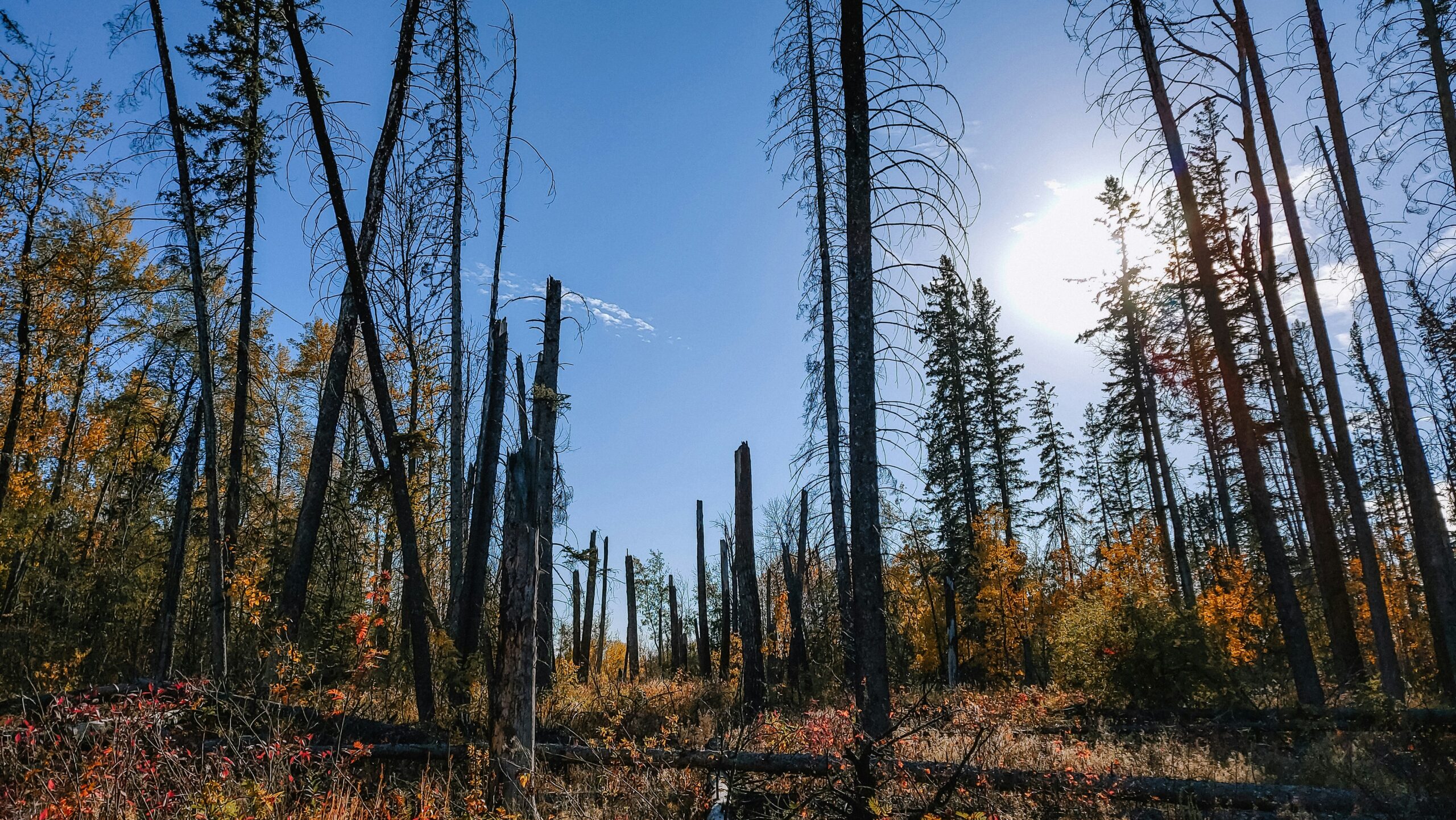
Fire stewardship is a proactive and adaptive approach to managing fire within ecosystems, recognizing its vital ecological role and the need to integrate it with human values and safety. It moves beyond simply suppressing fires to understanding and actively shaping fire regimes to promote long-term ecological health and resilience. This approach acknowledges that fire, when managed appropriately, can be a powerful tool for maintaining biodiversity, regulating nutrient cycles, and preventing catastrophic wildfires. The ultimate goal is to create landscapes that are better equipped to withstand and recover from disturbances, whether natural or human-induced.
Fire has been a fundamental force shaping terrestrial ecosystems for millennia. Its presence, or absence, profoundly influences the structure, composition, and function of these environments. Understanding this intrinsic relationship is the cornerstone of effective fire stewardship.
The Natural Role of Fire
Historically, fire has acted as a natural disturbance agent, influencing plant communities and wildlife habitats. Many ecosystems have evolved with specific fire frequencies, intensities, and severities, leading to unique adaptations in flora and fauna. For instance, certain tree species rely on fire to open their cones and release seeds, while others have thick bark to survive low-intensity fires.
Historical Fire Regimes
Different regions and ecosystems have experienced distinct historical fire regimes, characterized by varying patterns of fire occurrence. These regimes are shaped by factors such as climate, topography, fuel availability, and ignition sources. Examples include frequent, low-intensity surface fires in some grasslands and frequent, high-intensity crown fires in certain coniferous forests.
Adaptations to Fire
Numerous plant and animal species have developed remarkable adaptations to survive and even thrive in fire-prone environments. These adaptations are diverse and include:
- Seed Germination Triggers: Some plant seeds require the heat or smoke from a fire to break dormancy and germinate, ensuring regeneration after a burn.
- Resprouting Ability: Many plant species, particularly shrubs and grasses, possess underground root systems or basal buds that allow them to resprout rapidly after aboveground parts are consumed by fire.
- Fire-Resistant Structures: Trees like giant sequoias and ponderosa pines have thick, insulating bark that protects their living tissues from the heat of moderate fires.
- Habitat Creation: Fire can clear dense undergrowth, allowing sunlight to reach the forest floor and promoting the growth of new vegetation, which in turn creates diverse habitats for wildlife.
- Nutrient Cycling: Ash deposited after a fire releases essential nutrients back into the soil, making them available for plant uptake and supporting renewed growth.
The Impact of Fire Suppression
Decades of aggressive fire suppression policies in many parts of the world have significantly altered natural fire regimes. While intended to protect human life and property, this approach has led to unintended ecological consequences.
Fuel Accumulation
By preventing natural, low-intensity fires, suppression policies have allowed vast amounts of dead organic matter (fuel) to accumulate on the landscape. This accumulation creates a condition where fires, when they do occur, are more likely to become intense, severe, and difficult to control.
Ecosystem Imbalance
The absence of fire can lead to shifts in species composition, favoring shade-tolerant species that outcompete fire-adapted plants. This can result in a loss of biodiversity and a decrease in overall ecosystem resilience. Forests can become denser, with more undergrowth, making them more susceptible to insect outbreaks and disease.
Increased Risk of Catastrophic Wildfires
The buildup of fuels due to fire suppression creates a dangerous situation where even a small ignition can lead to a massive, uncontrollable wildfire. These catastrophic fires are often more destructive, consuming entire landscapes, impacting air and water quality, and posing significant risks to human communities.
Fire stewardship plays a crucial role in shaping ecosystems, as it involves the careful management of fire to promote ecological health and resilience. An interesting article that delves into the broader implications of stewardship and management in various contexts is available at this link: AIS Role in Autonomous Space Defense. While the focus of the article is on autonomous systems in space defense, it highlights the importance of strategic management and stewardship in maintaining balance and sustainability, concepts that resonate with the principles of fire stewardship in terrestrial ecosystems.
Implementing Fire Stewardship Strategies
Fire stewardship involves a range of strategies designed to reintegrate fire into ecosystems in a controlled and beneficial manner. This requires careful planning, scientific understanding, and collaboration among various stakeholders.
Prescribed Burning
Prescribed burning, also known as controlled burning, is a key tool in fire stewardship. It involves intentionally igniting fires under carefully controlled conditions to achieve specific land management objectives.
Objectives of Prescribed Burning
Prescribed burns are conducted for a variety of ecological and land management purposes:
- Fuel Reduction: Reducing the buildup of flammable vegetation to decrease the risk of catastrophic wildfires.
- Habitat Improvement: Restoring and enhancing habitats for specific plant and animal species by mimicking natural fire processes.
- Invasive Species Control: Suppressing or eradicating invasive plant species that may be outcompeted by native vegetation after a fire.
- Promoting Native Plant Regeneration: Stimulating the germination and growth of native plants that depend on fire for their life cycle.
- Pest and Disease Management: Reducing populations of certain insects or diseases that are vulnerable to fire.
Planning and Execution of Prescribed Burns
The successful execution of a prescribed burn requires meticulous planning and adherence to strict protocols:
- Weather Conditions: Burns are only conducted when specific weather conditions (wind speed and direction, temperature, humidity) are met to ensure the fire behaves predictably and stays within defined boundaries.
- Fuel Moisture: The moisture content of the vegetation is a critical factor, influencing how readily the fuel ignites and burns.
- Topography: Slope and aspect of the terrain can significantly affect fire behavior.
- Ignition Patterns: The method of ignition (e.g., backfires, headfires, flanking fires) is chosen to achieve the desired fire intensity and spread.
- Contingency Planning: Detailed plans are developed to address potential deviations from expected fire behavior, including emergency response procedures.
- Monitoring and Evaluation: After the burn, the area is monitored to assess its effectiveness in achieving the management objectives and to document any ecological impacts.
Mechanical Fuel Management
In situations where prescribed burning is not feasible or sufficient, mechanical methods are employed to reduce fuel loads.
Thinning and Mastication
These techniques involve physically removing excess vegetation to reduce fuel continuity and intensity.
- Thinning: The selective removal of trees and other vegetation to reduce forest density and improve the health of remaining trees. This can reduce competition for resources and make forests less susceptible to high-intensity fires.
- Mastication: The process of grinding down small trees, shrubs, and brush into smaller pieces, often leaving them on the ground as a surface fuel. This can help break up fuel continuity and reduce the risk of crown fires.
Understory Removal
This involves removing flammable undergrowth and small trees to reduce the risk of fire spreading from the ground into the tree canopy.
Mechanical vs. Prescribed Burning
The choice between mechanical fuel management and prescribed burning often depends on site-specific conditions, objectives, and available resources.
- Advantages of Prescribed Burning: Generally more cost-effective for large areas, promotes natural ecological processes, can achieve a wider range of ecological benefits.
- Disadvantages of Prescribed Burning: Dependent on favorable weather conditions, smoke production can be a concern for air quality, requires specialized expertise and equipment.
- Advantages of Mechanical Treatment: Can be conducted year-round regardless of weather, precise control over the area treated, can be effective in areas where burning is not possible.
- Disadvantages of Mechanical Treatment: Can be costly and labor-intensive, may disturb soil and wildlife, does not replicate natural fire processes, can create surface fuels that still burn.
Often, a combination of both prescribed burning and mechanical treatments is the most effective approach to comprehensive fire stewardship.
Managing Wildfire Risk in a Changing Climate

Climate change is exacerbating wildfire risk by creating hotter, drier conditions and longer fire seasons. Fire stewardship must adapt to these changing realities.
Understanding Climate Change Impacts on Fire
The effects of a warming climate on wildfire regimes are multifaceted and significant.
Increased Temperatures and Drought
Higher temperatures lead to increased evaporation, drying out vegetation and soils, making them more susceptible to ignition and rapid fire spread. Prolonged droughts create tinderbox conditions across vast landscapes.
Changes in Precipitation Patterns
Shifts in precipitation can lead to both increased drought stress in some areas and more intense rainfall events in others, which can contribute to flash floods and debris flows after fires.
Longer Fire Seasons
Warmer temperatures are extending the period during which fires are likely to occur, leading to longer and more intense fire seasons.
Adapting Fire Stewardship Strategies
To effectively manage wildfire risk in a changing climate, fire stewardship strategies must be dynamic and responsive.
Scenario Planning
Developing scenarios based on projected climate change impacts helps land managers anticipate future fire behavior and plan accordingly. This involves considering different levels of warming and their potential consequences for vegetation and fire regimes.
Adaptive Management
This is a structured, iterative process of resource management that aims to improve management by learning from management outcomes. It involves continuous monitoring, evaluation, and adjustment of strategies based on new information and changing conditions.
Building Resilient Landscapes
Focusing on creating landscapes that are inherently more resistant to and able to recover from disturbance is crucial. This involves promoting diverse vegetation types, maintaining healthy forest structures, and restoring natural ecological processes.
Engaging Communities and Stakeholders

Effective fire stewardship is a collaborative effort that requires the active involvement of communities, landowners, government agencies, and other stakeholders.
The Importance of Collaboration
No single entity can effectively manage fire across the landscape. Collaboration is essential for sharing knowledge, resources, and responsibilities.
Building Partnerships
Establishing strong partnerships between federal, state, local, and tribal governments, as well as private landowners and non-governmental organizations, is vital for developing and implementing comprehensive fire stewardship plans.
Knowledge Sharing
Facilitating the exchange of scientific information, traditional ecological knowledge, and on-the-ground experience among stakeholders ensures that management decisions are informed and effective.
Community Fire Safety and Preparedness
Engaging communities in fire preparedness and mitigation efforts is critical for reducing the impact of wildfires on human lives and property.
Firewise Communities
Programs like Firewise USA® empower communities to take action to reduce wildfire risk by educating residents about their role in protecting their homes and neighborhoods. This involves creating defensible space around structures, using fire-resistant building materials, and developing community-wide evacuation plans.
Public Education and Outreach
Educating the public about the role of fire, the importance of fire stewardship, and how to reduce human-caused ignitions is a continuous process. This can involve workshops, public service announcements, and informational materials.
Evacuation Planning
Developing and practicing robust evacuation plans ensures that residents can safely leave their homes when a wildfire threatens. This includes clear communication channels, designated evacuation routes, and support for vulnerable populations.
Fire stewardship plays a crucial role in shaping ecosystems, as it helps maintain the balance between various species and promotes healthy growth in forested areas. For a deeper understanding of how ancient practices and technologies have influenced modern approaches to land management, you can explore this insightful article on the topic. It highlights the importance of sustainable practices in preserving our natural environments. To learn more, check out the article here.
The Future of Fire Stewardship
| Metrics | Data |
|---|---|
| Number of prescribed burns | 50 |
| Area treated with mechanical thinning | 1000 acres |
| Percentage of invasive species controlled | 80% |
| Number of fire-adapted species reintroduced | 20 |
The field of fire stewardship is continually evolving as our understanding of fire ecology and the impacts of climate change deepens. The focus is shifting towards a more holistic and integrated approach to landscape management.
Integrating Fire into All Levels of Planning
Fire stewardship needs to be embedded in all aspects of land use planning, from local zoning regulations to national forest management plans. This ensures that fire considerations are addressed proactively rather than reactively.
Long-Term Vision for Fire Management
Moving away from short-term suppression goals towards a long-term vision that embraces the ecological role of fire is essential for creating truly resilient landscapes. This involves investing in research, training, and the implementation of adaptive strategies.
Embracing Innovation and Technology
The use of advanced technologies, such as remote sensing, drones, and sophisticated fire modeling software, is enhancing our ability to monitor fire behavior, assess fuel conditions, and plan and execute management actions more effectively.
The Path to Resilience
Ultimately, fire stewardship is about building landscapes that are not only resistant to fire but also capable of recovering and adapting to its presence. By understanding and working with fire, rather than against it, we can foster healthier, more biodiverse, and more resilient ecosystems for generations to come. This approach recognizes that fire is not an enemy to be eliminated, but a natural force to be respected, understood, and managed wisely.
The Wilderness Was Engineered
FAQs
What is fire stewardship?
Fire stewardship refers to the intentional and strategic use of fire to manage and maintain ecosystems. It involves carefully planned and controlled burning to achieve specific ecological goals, such as reducing fuel loads, promoting biodiversity, and restoring natural fire regimes.
How does fire stewardship shape ecosystems?
Fire stewardship plays a crucial role in shaping ecosystems by influencing vegetation composition, nutrient cycling, and wildlife habitat. Controlled burns can help prevent the spread of destructive wildfires, promote the growth of fire-adapted plant species, and create diverse habitat for wildlife.
What are the benefits of fire stewardship?
The benefits of fire stewardship include reducing the risk of catastrophic wildfires, promoting the health and resilience of ecosystems, and supporting the conservation of fire-dependent species. It also helps maintain traditional ecological knowledge and cultural practices related to fire management.
What are some challenges associated with fire stewardship?
Challenges related to fire stewardship include the need for careful planning and coordination to ensure safety and minimize negative impacts on air quality and human health. Additionally, there may be regulatory and logistical barriers to implementing controlled burns in certain areas.
How can individuals support fire stewardship efforts?
Individuals can support fire stewardship efforts by staying informed about the role of fire in ecosystems, participating in community-based fire prevention and education programs, and advocating for policies that prioritize the use of controlled burns as a management tool.