Indigenous Ranger Fire Management: Protecting the Land
The Australian landscape, a tapestry woven with ancient traditions and vibrant ecosystems, has long been shaped by fire. For millennia, Indigenous peoples have been the custodians of this land, their intimate knowledge of its rhythms and cycles passed down through generations. Central to this custodianship is the practice of Indigenous fire management, a sophisticated system of planned burning that plays a crucial role in protecting the land from destructive wildfires, preserving biodiversity, and maintaining cultural heritage. This article explores the multifaceted world of Indigenous Ranger Fire Management, highlighting its historical significance, contemporary practices, and its vital contribution to a resilient and healthy Australian environment.
For Indigenous Australians, fire is not merely a tool; it is a sacred element intertwined with their spiritual beliefs, cultural practices, and ecological understanding. The concept of “Country” extends beyond mere geography; it encompasses the spiritual, social, and ecological interconnectedness of a place. Indigenous Rangers, as modern custodians, carry forward this profound relationship with Country, viewing fire management as a fundamental responsibility to protect and nurture the land for future generations.
A Living Library of Ecological Knowledge
The knowledge embedded within Indigenous fire management practices is not static; it is a dynamic, living library accumulated over tens of thousands of years. This knowledge encompasses an intricate understanding of:
- Fire behavior: Rangers possess an uncanny ability to predict how fire will spread based on factors like fuel type, moisture content, wind speed and direction, and topography. This understanding allows them to plan burns strategically to achieve desired outcomes.
- Fuel loads and types: They know precisely which plants and grasses act as fuel, how they accumulate over time, and how different fuel types respond to various burning techniques. This includes understanding the role of invasive species in altering fuel dynamics.
- Plant and animal responses to fire: Indigenous knowledge recognizes that fire, when used appropriately, is a natural and beneficial force for many native species. They understand which plants regenerate after fire, which seeds are stimulated to germinate by its heat, and how fire can create new habitats and food sources for wildlife.
- Seasonal variations: The timing of burns is critical. Indigenous Rangers understand the optimal seasons for different types of burns, considering rainfall patterns, vegetation growth cycles, and the breeding seasons of native animals.
- Geological and hydrological influences: Their knowledge extends to how fire interacts with the land’s topography and water systems, ensuring that burns do not lead to erosion or impact water quality.
Cultural Significance and Spiritual Connection
Beyond its ecological benefits, fire management is deeply interwoven with Indigenous culture and spirituality. Fire is often seen as a transformative force, a way to cleanse and renew the land, and to connect with ancestral spirits.
- Ceremonial uses of fire: Historically, fire was used in various ceremonies, from preparing land for hunting and gathering to marking significant events. These practices often involved carefully controlled burns that also served ecological purposes.
- Dreaming stories and creation myths: Many Indigenous creation stories and Dreaming narratives feature fire, reflecting its fundamental role in the formation and ongoing maintenance of the landscape.
- Intergenerational knowledge transfer: The practice of fire management itself serves as a powerful mechanism for passing down cultural knowledge, values, and responsibilities from elders to younger generations. This hands-on learning reinforces the connection to Country and the importance of its stewardship.
- Maintaining sacred sites: Indigenous Rangers carefully manage fire around sacred sites, ensuring their protection and preserving their cultural integrity.
Indigenous ranger fire management practices have gained recognition for their effectiveness in promoting biodiversity and reducing the risk of large-scale wildfires. A related article that explores advancements in autonomous systems and their potential applications in various fields, including environmental management, can be found at this link. This article highlights the innovative technologies that could complement traditional practices, such as those employed by Indigenous rangers, in managing fire and preserving ecosystems.
Modern Indigenous Ranger Fire Management: Bridging Tradition and Science
In contemporary Australia, Indigenous Ranger programs have emerged as vital institutions, blending traditional ecological knowledge with modern scientific approaches to fire management. These programs are instrumental in implementing culturally appropriate and effective fire management strategies across vast tracts of land, often in partnership with government agencies and land managers.
The Role of the Indigenous Ranger
Indigenous Rangers are more than just land managers; they are cultural custodians, ecological experts, and community leaders. Their multifaceted roles include:
- Developing and implementing fire management plans: Rangers work collaboratively to create detailed fire management plans that align with both Indigenous cultural protocols and scientific best practices. These plans often include prescribed burning schedules, fuel reduction strategies, and fire response protocols.
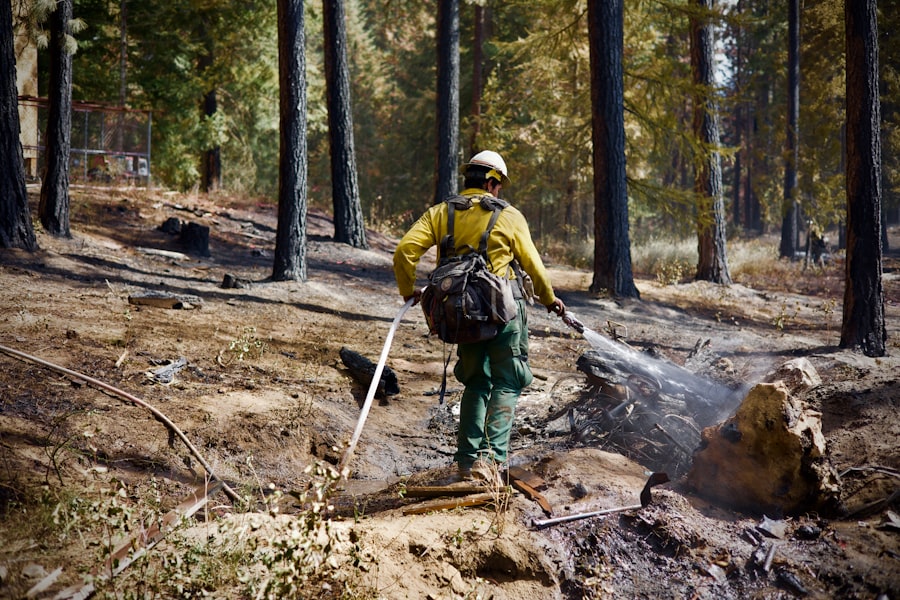
- Conducting prescribed burns: This is a core activity. Rangers meticulously plan and execute prescribed burns, often using traditional techniques alongside modern equipment. These burns are designed to reduce the risk of catastrophic wildfires by removing excess fuel in a controlled manner.
- Monitoring fire impacts and ecological health: Rangers actively monitor the effectiveness of their burns, assessing the regeneration of native vegetation, the presence of wildlife, and the overall health of the ecosystem. This data informs future management decisions.
- Fire suppression and incident response: While preventative burning is the focus, Rangers are also trained and equipped to respond to wildfires, working alongside other emergency services to protect communities and natural landscapes.
- Cultural heritage protection: Rangers are dedicated to protecting Indigenous cultural heritage sites from the impacts of fire, ensuring that important archaeological and ceremonial places remain undisturbed.
- Community engagement and education: They play a crucial role in educating their communities, particularly younger generations, about the importance of fire management and the traditional knowledge associated with it. This includes sharing stories, demonstrating techniques, and fostering a sense of responsibility.
- Partnerships and collaboration: Indigenous Rangers often work in close collaboration with scientists, researchers, and government agencies, sharing their knowledge and contributing to broader land management objectives. This interdisciplinary approach strengthens the effectiveness of fire management across the landscape.
Prescribed Burning: A Cornerstone of Prevention
Prescribed burning, often referred to as “cultural burning” or “controlled burning,” is the most significant proactive tool employed by Indigenous Rangers. This technique involves deliberately igniting fires under specific weather and fuel conditions to achieve defined management objectives.
- Fuel reduction: The primary goal of prescribed burning is to reduce the build-up of flammable vegetation, thereby decreasing the intensity and spread of potential wildfires. This is achieved by burning grasses, shrubs, and leaf litter that have accumulated over time.
- Ecological restoration and enhancement: Many native plant and animal species have evolved in a fire-prone environment and rely on fire for their survival and reproduction. Prescribed burns can:
- Stimulate seed germination: Some native seeds require the heat or smoke from fire to germinate, allowing for the regeneration of important plant species.
- Promote new growth: Fire clears out old, senescent vegetation, allowing sunlight to reach the ground and stimulating the growth of fresh shoots and grasses, which are crucial food sources for herbivores.
- Create habitat diversity: A mosaic of burned and unburned areas creates varied habitats, supporting a wider range of plant and animal life. This can include creating clearings for grazing animals or opening up dense undergrowth for birds.
- Control invasive species: In some instances, controlled burns can be used to suppress or manage the spread of certain invasive plant species that may outcompete native flora.
- Maintaining cultural landscapes: Prescribed burns can be used to maintain landscapes in a condition that reflects their historical Indigenous management, preserving the aesthetic and ecological characteristics that are culturally significant.
- Strategic timing and placement: Rangers carefully select the timing and location of prescribed burns to maximize benefits and minimize risks. This involves considering factors like wind patterns, proximity to human settlements, and the ecological needs of specific areas.
The Ecological Imperative: Biodiversity and Resilience

Indigenous Ranger Fire Management is not just about preventing large fires; it is intrinsically linked to fostering a biodiverse and resilient Australian ecosystem. The long-term, low-intensity burning practices of Indigenous peoples have shaped the land for millennia, creating a mosaic of habitats that support a rich array of native flora and fauna.
Fire as a Catalyst for Biodiversity
Contrary to the perception of fire as purely destructive, Indigenous knowledge recognizes its role as a vital ecological process that drives biodiversity.
- Habitat creation and renewal: Periodic fires, managed by Indigenous Rangers, prevent the overgrowth of dense vegetation that can exclude smaller plants and animals. The cleared areas create new opportunities for a variety of species to thrive.
- Nutrient cycling: The ash left behind after a controlled burn enriches the soil with essential nutrients, promoting the growth of new vegetation and supporting the entire food web.
- Species adaptation: Many Australian native plants and animals have specific adaptations to fire. For example, the seeds of certain Acacia species require fire to crack open their hard coats and germinate. Some eucalyptus species have epicormic buds beneath their bark that allow them to respoot after their above-ground foliage has been burned.
- Predator-prey dynamics: Fire can influence predator-prey relationships by altering visibility, creating or destroying cover, and influencing the availability of prey species. Indigenous Rangers understand these dynamics and use fire to maintain a healthy balance.
- Maintaining cultural landscapes for specific species: Rangers often manage fire with the specific needs of particular native animals in mind, creating or maintaining habitats that are crucial for their survival.
Building Landscape Resilience
A well-managed landscape, regularly subjected to appropriate fire regimes, is inherently more resilient to extreme events, including large, uncontrolled wildfires.
- Reducing fuel loads: By regularly burning accumulated fuel, Indigenous Rangers create a landscape where, if a wildfire does occur, it is less likely to become a high-intensity, fast-moving inferno. This reduces the risk of catastrophic damage to ecosystems and human settlements.
- Creating fire breaks: The mosaic of burned and unburned areas created by planned burns can act as natural firebreaks, slowing or stopping the spread of wildfires.
- Promoting faster recovery: Landscapes that are regularly managed with fire are often better equipped to recover after an extreme fire event. The presence of heat-stimulated seeds and resprouting vegetation allows for quicker regeneration.
- Adapting to climate change: As Australia faces increasing threats from climate change, including more frequent and intense heatwaves and droughts, effective fire management becomes even more critical. Indigenous Ranger programs are at the forefront of developing adaptive strategies to manage landscapes in a changing climate.
Challenges and Opportunities in Indigenous Ranger Fire Management
While Indigenous Ranger Fire Management is a testament to the enduring wisdom of traditional practices, it faces a unique set of challenges in the modern era. However, these challenges also present significant opportunities for growth, innovation, and recognition.
Navigating Modern Complexities
- Land tenure and access: Complex land tenure arrangements, including those involving Indigenous Land Use Agreements, native title, and government-managed parks, can sometimes create administrative hurdles and limit access for fire management activities.
- Funding and resource limitations: Many Indigenous Ranger programs operate with limited budgets and resources, which can impact their capacity to undertake large-scale fire management operations and invest in training and equipment.
- Bureaucratic processes and red tape: Engaging with government agencies and navigating regulatory frameworks can be time-consuming and complex, sometimes hindering the timely implementation of fire management plans.
- Balancing competing land uses: Indigenous Rangers often have to balance fire management objectives with other land uses, such as tourism, conservation, and economic development, requiring careful negotiation and collaboration.
- Impact of climate change: The increasing severity and unpredictability of weather patterns due to climate change present a significant challenge to traditional fire management timing and effectiveness.
- Data collection and reporting requirements: While Indigenous knowledge is paramount, meeting the data collection and reporting demands of government agencies can be a burden and may not always align with traditional knowledge systems.
Embracing Future Potential
- Recognition and integration of traditional knowledge: There is a growing recognition of the immense value of Indigenous ecological knowledge. Increased integration of this knowledge into mainstream fire management policies and practices is a key opportunity.
- Capacity building and training: Investing in ongoing training and professional development for Indigenous Rangers is crucial. This includes providing access to advanced fire management techniques, technology, and leadership skills.
- Securing sustainable funding: Advocating for increased and sustainable funding for Indigenous Ranger programs is essential to ensure their long-term effectiveness and to support the expansion of their vital work.
- Technological advancements: Exploring and adopting appropriate technologies, such as remote sensing, GIS mapping, and drone technology, can enhance the efficiency and effectiveness of fire management operations, while still respecting traditional knowledge.
- Intergenerational knowledge transfer programs: Developing and supporting programs that facilitate the transfer of traditional fire knowledge from elders to younger generations is critical for the continuation of these invaluable practices.
- Partnerships and collaboration: Strengthening partnerships between Indigenous Ranger groups, government agencies, research institutions, and landholders can lead to more holistic and effective land management outcomes.
- Sharing best practices and advocacy: Indigenous Ranger groups can play a vital role in sharing their successful fire management models and advocating for broader policy changes that support their work.
Indigenous ranger fire management plays a crucial role in maintaining the health of ecosystems and preserving cultural practices. A related article discusses the anticipated global map shifts and their potential impact on various regions, highlighting the importance of adaptive strategies in environmental management. For more insights on this topic, you can read the article here. This connection underscores the significance of integrating traditional knowledge with contemporary environmental challenges.
Conclusion: A Vital Partnership for a Resilient Future
| Region | Number of Indigenous Rangers | Area Covered (hectares) | Number of Controlled Burns |
|---|---|---|---|
| Northern Territory | 150 | 500,000 | 200 |
| Western Australia | 100 | 300,000 | 150 |
| Queensland | 80 | 250,000 | 120 |
Indigenous Ranger Fire Management represents a profound and practical application of millennia-old ecological wisdom. It is a testament to the enduring connection between Indigenous peoples and their Country, a connection that prioritizes the health and resilience of the land. In an era of increasing environmental challenges, the knowledge and practices of Indigenous Rangers are not just culturally significant; they are an indispensable asset for protecting Australia’s unique landscapes, its precious biodiversity, and the safety of its communities. By embracing and supporting Indigenous Ranger initiatives, Australia can foster a more sustainable, culturally rich, and ecologically resilient future, where the ancient art of fire management continues to nurture the land for generations to come. The partnership between traditional knowledge and modern science, embodied by the dedication of Indigenous Rangers, offers a powerful pathway to safeguarding the natural heritage of this vast continent.

The Wilderness Was Engineered
FAQs
What is Indigenous ranger fire management?
Indigenous ranger fire management refers to the traditional practice of using controlled burning techniques to manage and maintain the health of the land. Indigenous rangers, who are trained and employed to care for their traditional lands, use their knowledge of the environment to conduct controlled burns in order to reduce the risk of large, destructive wildfires and promote biodiversity.
What are the benefits of Indigenous ranger fire management?
The benefits of Indigenous ranger fire management include reducing the risk of large, destructive wildfires, promoting biodiversity, and maintaining the health of the land. Controlled burning also helps to regenerate native plants, manage invasive species, and protect cultural sites.
How do Indigenous rangers conduct controlled burns?
Indigenous rangers conduct controlled burns by carefully planning and monitoring the fires to ensure they remain within a designated area and do not spread uncontrollably. They use traditional knowledge, modern technology, and collaboration with fire management agencies to safely and effectively carry out the burns.
What role do Indigenous rangers play in fire management?
Indigenous rangers play a crucial role in fire management by using their traditional knowledge and expertise to conduct controlled burns, protect cultural sites, and maintain the health of the land. They also work collaboratively with government agencies and other stakeholders to implement effective fire management strategies.
How does Indigenous ranger fire management contribute to conservation efforts?
Indigenous ranger fire management contributes to conservation efforts by promoting biodiversity, protecting cultural sites, and reducing the risk of large, destructive wildfires. By maintaining the health of the land through controlled burning, Indigenous rangers help to preserve and protect the natural environment for future generations.