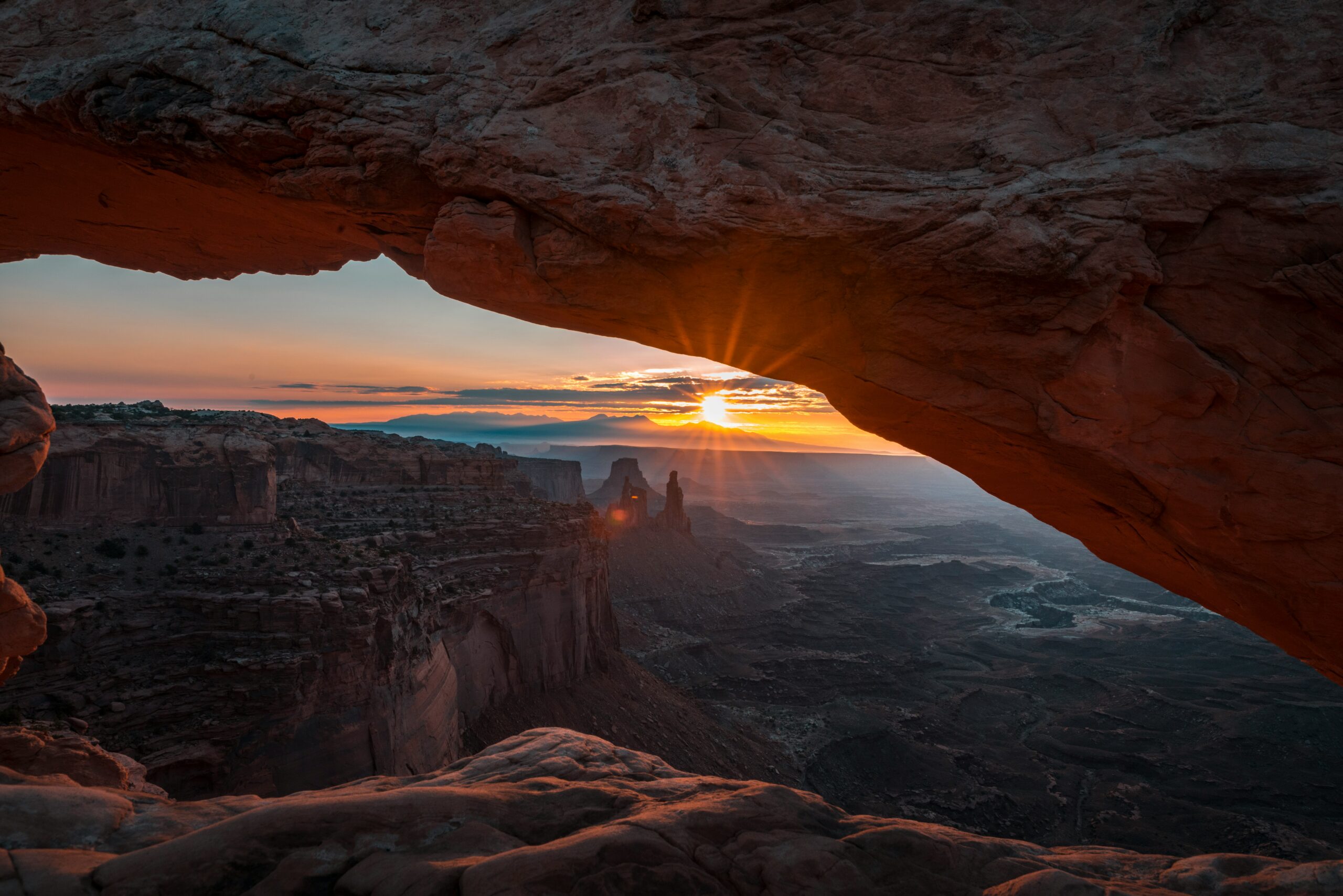
The earth’s surface, a canvas sculpted by time and elemental forces, bears the indelible imprints of past cataclysms. Among the most profound and visually striking are landscapes shaped by ancient fires. These are not mere burn scars, but geological narratives etched in rock and sediment, telling tales of prehistoric infernos that reshaped continents, influenced evolution, and left behind breathtaking formations. The “Flames of the Past: Fire-shaped Ancient Landscapes” explores these dramatic geological legacies, delving into the processes, evidence, and enduring beauty of these scorched and sculpted terrains.
Fire, often perceived as a destructive force, has been a pivotal agent in shaping the Earth’s surface for billions of years. While modern wildfires are a constant concern, it is the ancient, cataclysmic fires, often fueled by entirely different geological processes, that have left the most monumental imprints on the landscape. Understanding how fire sculpts requires looking beyond the immediate aftermath of a blaze and appreciating the long-term geological consequences.
Pyrolysis and Mineral Alteration
The intense heat of an ancient fire initiates profound chemical and physical changes within the rock and soil. Pyrolysis, the thermal decomposition of organic and inorganic materials in the absence of oxygen, plays a crucial role. In certain geological settings, such as ancient peat bogs or coal seams, spontaneous combustion could ignite vast underground fires. The extreme temperatures would not only consume organic matter but also alter the mineral composition of surrounding rocks.
Transformation of Sediments
When fires burn through sedimentary layers, they can cause vitrification, a process where minerals melt and fuse together, forming glassy, obsidian-like textures. Clays and shales can transform into hard, brick-like materials, often exhibiting striking color changes due to the oxidation of iron and other elements. These altered zones become more resistant to erosion, creating elevated features that stand in stark contrast to the surrounding, less altered strata.
The Role of Volcanic Activity
In many instances, ancient fires were intrinsically linked to volcanic activity. Lava flows igniting forests or pyroclastic flows sweeping over flammable material would create colossal infernos. The subsequent cooling of volcanic materials, often in contact with superheated air and burning vegetation, could lead to unique geological formations. These volcanic-associated fires often produced intensely baked and fused rock layers, preserving the story of their fiery origin.
Thermal Stress and Fracturing
The rapid and extreme temperature fluctuations associated with ancient fires induce significant thermal stress within rocks. As rocks heat up, they expand, and as they cool, they contract. This repeated expansion and contraction, especially in porous rocks or those with varied mineral compositions, leads to the formation of cracks and fractures.
Exfoliation and Weathering
This thermal fracturing, combined with subsequent weathering processes, can lead to distinctive landforms. In granite or similar crystalline rocks, rapid cooling after intense heat can cause outer layers to peel away, a process known as thermal exfoliation, creating rounded, dome-like structures. Over geological timescales, these fractured zones are more susceptible to erosion, leading to the carving of valleys and canyons where the fire-altered rock is weaker.
The Paradox of Strength and Weakness
Ironically, while the baked and fused nature of fire-altered rock can make it more resistant to immediate erosion, the thermal fracturing can create planes of weakness. This dichotomy means that fire-shaped landscapes often exhibit a complex interplay of resistant highs and eroded lows, a testament to the multi-faceted impact of ancient heat.
Fire has played a crucial role in shaping ancient landscapes, influencing both the ecology and the geography of various regions. An interesting article that explores the implications of advanced technologies in understanding and managing such landscapes is available at this link: Advancing Lunar Operations with Autonomous Systems. This piece delves into how autonomous systems can enhance our understanding of environmental changes, including those caused by fire, and their impact on ancient terrains.
Echoes in the Rock: Evidence of Prehistoric Inferno
The geological record, when meticulously examined, reveals compelling evidence of these ancient fiery events. These remnants are not always obvious to the casual observer, but for the geologist, they are clear signatures of a past ablaze.
Fossilized Fire Features
One of the most direct forms of evidence comes from fossilized fire features. These are geological formations that preserve the physical manifestations of the fire itself.
Pseudofossils and Burn Marks
In certain sedimentary rocks, one can find structures that mimic or directly record the effects of heat. These might include areas where plant material has been completely carbonized, leaving behind charcoal-like imprints within the rock. In some cases, the intense heat can fuse sand grains together, creating silica structures that resemble fossilized wood or other organic remains – these are known as pseudofossils.
Vitrified Soils and Sediments
Vitrified soils and sediments are particularly telling. These are layers where the original material has been melted and fused into a glassy or ceramic-like substance. Finding these vitrified zones often points to a widespread and intense heat event, such as a massive wildfire or a volcanic eruption. The presence of such material in a sedimentary layer indicates that the fire occurred before subsequent layers of sediment were deposited, thus dating the event within the geological timeline.
Geochemical Signatures
Beyond the physical forms, the chemical composition of rocks can also betray the passage of ancient flames. Specific elemental ratios and isotopic signatures can serve as forensic markers of intense heat.
Changes in Mineralogy
The intense heat of a fire can alter the oxidation states of various elements. For instance, iron can transform from ferrous (Fe²⁺) to ferric (Fe³⁺) forms, leading to characteristic color changes in rocks, often from greens and grays to reds and browns. Minerals that are stable at lower temperatures may break down or transform into new mineral assemblages under the extreme conditions of a fire.
Isotopic Anomalies
Certain isotopic ratios, particularly those of carbon and oxygen, can be altered by high-temperature events. The burning of organic matter releases carbon, and the interaction of water with superheated rocks can lead to changes in oxygen isotope ratios. Geochemists can analyze these subtle shifts to infer the presence and intensity of ancient fires.
Paleobotanical Clues
The study of ancient plant life, paleobotany, also provides crucial indirect evidence. The types of plants that survived and thrived in the aftermath of fires can tell us about the frequency and intensity of these events.
Fire-Adapted Flora
The fossil record reveals the evolution of plants that were specifically adapted to survive and even benefit from fire. Plants with thick bark, seed dormancy triggered by heat, or the ability to resprout from underground structures are all indicators that fire was a significant environmental factor in the past. The presence of large amounts of fossilized charcoal, known as fusain, is a direct indicator of widespread fires.
Vegetation Succession
The sequence of plant communities preserved in the fossil record can also suggest a history of recurring fires. A layer of charcoal followed by pioneer species, then by more complex vegetation, and then another charcoal layer can paint a picture of a dynamic ecosystem shaped by regular conflagrations.
Iconic Landscapes Forged in Flame
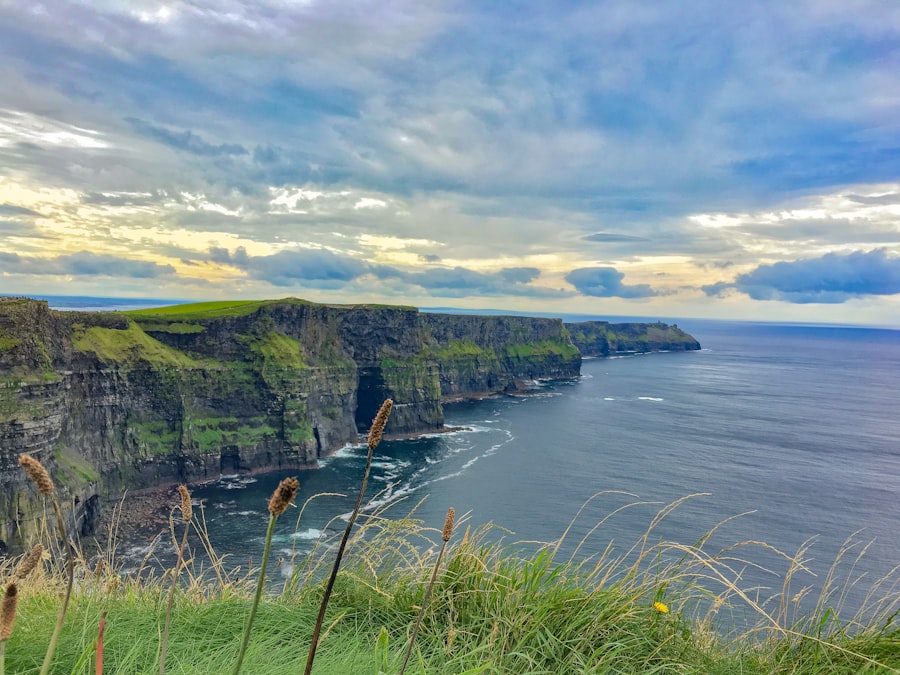
The Earth is adorned with numerous remarkable landscapes whose dramatic forms are a direct consequence of ancient, colossal fires. These natural wonders serve as tangible reminders of the planet’s fiery past.
The Petrified Forests of the World
Perhaps the most visually arresting evidence of ancient fires lies in the petrified forests. These are not simply trees that have been burned, but rather ancient forests that were engulfed by wildfires and subsequently buried under sediment. The intense heat and mineral-rich groundwater, often associated with volcanic ash, led to the permineralization of the wood, replacing organic material with silica.
Arizona’s Painted Desert
The Petrified Forest National Park in Arizona is a prime example. Here, massive logs, turned to agate and jasper, lie scattered across the landscape, many bearing the scars of the ancient fires that consumed them. The vibrant colors are due to the presence of various minerals, often iron oxides, incorporated during the petrification process. These logs represent trees that lived over 200 million years ago, a testament to the deep history of fire on Earth.
The “Burning Cliffs” of Joggins
The Fossil Cliffs of Joggins in Nova Scotia, a UNESCO World Heritage site, preserve a Carboniferous-era coal swamp ecosystem. While the coal itself is a product of ancient plant matter, the associated rocks contain evidence of intense fires that swept through the swamp. These events created distinct layers of baked shale and sandstone, often referred to as “burning cliffs,” where the original vegetation was carbonized and fused.
Volcanic Calderas and Crater Lakes
While volcanic eruptions themselves are not fires in the conventional sense, they are intrinsically linked to immense heat and often trigger massive wildfires. The resulting geological formations, such as calderas and crater lakes, are landscapes profoundly shaped by the fiery forces of the Earth’s interior.
The Scale of Destruction
The sheer scale of volcanic eruptions, from the explosive force of Krakatoa to the sustained outpouring of lava from Mauna Loa, has the potential to ignite vast areas. The subsequent collapse of volcanic structures often creates large depressions, calderas, which can fill with water over time, forming striking crater lakes.
Geothermal Activity and Alteration
The residual heat from volcanic activity can continue to influence the surrounding landscape for millennia. Geothermal vents, hot springs, and fumaroles are direct indicators of this lingering heat, and the minerals deposited by these features can create colorful and unusual geological formations, further evidence of a fiery genesis.
Impact Craters and the Role of Impact Fires
While not solely fire-shaped, impact craters formed by meteorites and asteroids can also be associated with immense fires. The kinetic energy of an impact is converted into heat, vaporizing rock and igniting any flammable material in the vicinity.
The Chicxulub Event
The most famous example is the Chicxulub impactor, which is believed to have played a significant role in the extinction of the dinosaurs. The impact generated a global inferno, altering the Earth’s atmosphere and climate. While the crater itself is largely buried, the geological evidence of the impact, including widespread melt rock and a layer of iridium, points to a catastrophic fiery event.
Localized Impact Fires
Even smaller impacts can generate localized but intense fires. These can bake and fuse surrounding rock, leaving behind distinctive geological signatures that are recognizable to impact specialists. The presence of shocked quartz, a mineral deformed by extreme pressure, often accompanies evidence of impact-induced fires.
The Enduring Legacy: Fire as a Driver of Biodiversity

The story of fire-shaped landscapes is not just one of geological transformation; it is also a narrative of biological adaptation and evolution. Ancient fires, far from being solely destructive, have played a crucial role in shaping ecosystems and driving biodiversity.
The Evolutionary Arms Race
For life on Earth, fire has been a constant environmental pressure. Over millions of years, a dynamic interplay, an evolutionary arms race, has unfolded between plants, animals, and fire.
Plant Adaptations
As mentioned earlier, many plant species have evolved remarkable adaptations to fire. This includes thick, insulating bark that protects the cambium layer, seeds that require heat or smoke to germinate, and the ability to resprout from protected underground root systems or rhizomes. These adaptations allowed plants to not only survive fires but often to thrive in their wake, colonizing nutrient-rich ash beds.
Animal Strategies
Animals have also developed strategies to cope with or even exploit fire. Some species have burrows or dens that provide refuge. Others, like certain birds of prey, are known to follow wildfire fronts, taking advantage of the disoriented or fleeing prey. The post-fire landscape, with its abundance of new growth, can also provide crucial food resources for many herbivores.
Ecosystem Dynamics and Succession
Fire is a fundamental ecological process in many biomes, influencing species composition, nutrient cycling, and landscape structure.
Facilitating Nutrient Release
While fire consumes organic matter, it also releases essential nutrients, such as nitrogen and phosphorus, back into the soil in forms that are readily available to plants. This rapid nutrient replenishment can stimulate rapid regrowth, leading to the characteristic post-fire flush of vegetation.
Maintaining Open Habitats
In many grassland and savanna ecosystems, fire is crucial for preventing the encroachment of trees and shrubs, thus maintaining open habitats that are essential for a wide range of species. Without regular fires, these ecosystems would transition to woodlands, fundamentally altering their biodiversity.
The Role of Fire in Landscape Heterogeneity
The patchy nature of many wildfires creates a mosaic of burned and unburned areas across the landscape. This heterogeneity is vital for supporting diverse populations of plants and animals.
Providing Diverse Niches
The burned areas, with their exposed soil and pioneering species, offer different ecological niches than the unburned areas, which may retain older vegetation. This variety of habitats within a landscape supports a greater overall diversity of species, each adapted to specific conditions.
Island Biogeography and Refugia
Larger, older patches of unburned vegetation can act as refugia for species that are sensitive to fire. These refugia are critical for recolonization after a fire and for maintaining genetic diversity within populations.
Fire has played a crucial role in shaping ancient landscapes, influencing both the ecology and the geography of various regions. For a deeper understanding of how historical events can reshape environments, you might find it interesting to explore the article on the impact of Executive Order 6102, which discusses the broader implications of governmental actions on society and resources. This connection highlights how human decisions can lead to significant changes in landscapes, much like the natural forces of fire. You can read more about it in this insightful piece here.
Preserving the Fiery Heritage: Conservation and Understanding
| Location | Area | Frequency |
|---|---|---|
| Australia | 10,000 sq km | Every 5-7 years |
| California, USA | 15,000 sq km | Every 10-20 years |
| Amazon Rainforest | 5,000 sq km | Every 50-100 years |
The landscapes shaped by ancient fires are not just geological curiosities; they are invaluable natural heritage that deserves careful study and preservation. Understanding these fiery origins is crucial for both scientific insight and for appreciating the deep history of our planet.
The Importance of Geological Heritage Sites
Many of the most striking fire-shaped landscapes are protected as geological heritage sites, national parks, and UNESCO World Heritage sites. These designations aim to protect these unique formations from degradation and to promote their study.
Public Education and Awareness
These sites play a vital role in educating the public about the power of geological processes and the deep history of Earth. Visitors can witness firsthand the tangible evidence of ancient fires, fostering a greater appreciation for the natural world.
Scientific Research and Monitoring
Protected areas provide invaluable opportunities for ongoing scientific research. Geologists, paleontologists, and ecologists can study these sites to better understand the long-term impacts of fire, the evolution of fire-adapted species, and the dynamics of ecosystems. Monitoring these sites helps track changes and inform conservation strategies.
Sustainable Land Management Practices
Understanding the role of fire in shaping landscapes also informs modern land management practices. In ecosystems where fire is a natural and necessary process, controlled burns can mimic historical fire regimes, promoting biodiversity and reducing the risk of catastrophic wildfires.
Replicating Natural Processes
By understanding how ancient fires shaped ecosystems, land managers can implement strategies that help maintain the ecological integrity of these fire-dependent systems. This can involve carefully timed burns that promote native plant growth and prevent the accumulation of fuel that could lead to more destructive fires.
Balancing Human Needs and Ecological Health
The challenge often lies in balancing human needs with the ecological health of fire-prone landscapes. This requires a nuanced approach that considers the historical role of fire and integrates scientific understanding into land use planning.
The Future of Fire-Shaped Landscapes
As our understanding of Earth’s history grows, so too does our appreciation for the profound impact of ancient fires. The landscapes they have sculpted continue to inspire awe and wonder, reminding us of the dynamic and powerful forces that have shaped our planet over millennia.
Continued Exploration and Discovery
The ongoing exploration of Earth’s geological record will undoubtedly reveal more evidence of ancient fire events and the unique landscapes they created. New technologies and analytical techniques will allow scientists to uncover even more subtle signatures of these fiery pasts.
A Legacy of Resilience
Ultimately, the study of fire-shaped ancient landscapes is a testament to the resilience of both the Earth and its inhabitants. It is a story of destruction and renewal, of adaptation and evolution, a fiery saga etched into the very fabric of our planet. These landscapes are not merely relics of the past; they are living legacies that continue to shape our world and inform our understanding of its enduring power.
The Wilderness Was Engineered
FAQs
What is the significance of fire in shaping ancient landscapes?
Fire has played a crucial role in shaping ancient landscapes by influencing the composition of plant communities, nutrient cycling, and the overall structure of ecosystems. It has also been a key factor in the evolution of certain plant species and the maintenance of biodiversity.
How did ancient civilizations use fire to manage landscapes?
Ancient civilizations used fire as a tool for land management, including clearing land for agriculture, promoting the growth of certain plant species, and controlling the spread of wildfires. They also used fire for hunting and as a means of communication.
What evidence supports the idea that fire shaped ancient landscapes?
Evidence of fire shaping ancient landscapes can be found in the fossil record, including charcoal deposits and changes in plant species composition. Additionally, archaeological findings and historical records provide insight into how ancient civilizations used fire to manage landscapes.
What are the potential ecological impacts of fire on ancient landscapes?
Fire can have both positive and negative ecological impacts on ancient landscapes. While it can promote the growth of certain plant species and maintain biodiversity, it can also lead to habitat destruction and the loss of certain plant and animal species.
How does our understanding of fire’s role in shaping ancient landscapes inform modern land management practices?
Understanding the historical use of fire by ancient civilizations can inform modern land management practices, including prescribed burning, wildfire prevention, and the restoration of fire-adapted ecosystems. It also highlights the importance of incorporating traditional ecological knowledge into contemporary conservation efforts.