
The notion of an “untouched wilderness” has long captivated the human imagination. It conjures images of pristine landscapes, teeming with life, existing in a state of perfect, unadulterated nature, entirely separate from human influence. This romantic ideal, often reinforced by literature, film, and popular culture, presents a powerful narrative of escape and purity. However, a growing body of scientific research and historical scholarship challenges this comforting illusion, revealing a far more complex and dynamic reality. The myth of untouched wilderness, while perhaps well-intentioned, obscures the deep and multifaceted entanglement of humanity with the natural world, both in the past and present.
The idea of a wilderness devoid of human presence is largely a product of post-Columbian perspectives, particularly in North America and Australia, where European settlers encountered vast, seemingly wild expanses. This perspective often overlooked or deliberately disregarded the millennia of human history and profound ecological influence that preceded their arrival. Indigenous peoples across the globe have, for countless generations, been active agents in shaping and managing their environments, not as destroyers, but as integral components of ecological systems. Their presence and practices are not antithetical to wilderness; rather, they are often the very foundation of its existence and its enduring biodiversity.
Fire as a Tool of Creation
One of the most pervasive and impactful ways Indigenous peoples shaped landscapes was through the strategic use of fire. Far from being solely a destructive force, fire, when intentionally applied, served as a vital ecological management tool. Indigenous communities understood the regenerative properties of fire for various plant species, promoting the growth of desired food sources, medicines, and materials for shelter and tools.
Preserving Grasslands and Promoting Biodiversity
Controlled burns, often conducted during specific seasons, were instrumental in maintaining vast grassland ecosystems. These grasslands, in turn, supported a rich diversity of herbivores, from bison and deer to smaller mammals, which then sustained predator populations. Without this deliberate human intervention, many of these open landscapes would have transitioned into dense forests, altering the ecological balance and reducing biodiversity. The seemingly wild prairies of North America, often viewed by early European explorers as untouched, were in fact meticulously managed through fire, a testament to the sophisticated ecological knowledge of their Indigenous custodians.
Encouraging Game and Facilitating Hunting
The use of fire also played a crucial role in managing wildlife populations and facilitating hunting. By clearing undergrowth and creating open areas, Indigenous hunters could more easily track and pursue game. Furthermore, the post-fire regrowth attracted herbivores, concentrating them in predictable areas, thereby making hunting more efficient and sustainable. This practice was not about indiscriminate burning but about a nuanced understanding of ecological cycles and a deep connection to the land and its inhabitants.
Cultivation and Landscape Modification
Beyond the use of fire, Indigenous peoples engaged in various forms of agriculture and landscape modification that further demonstrate their active role in shaping their environments. These practices were often subtle and integrated seamlessly into the natural landscape, making them less apparent to observers accustomed to more overt forms of land alteration.
The “Inadvertent Gardens” of Indigenous Agriculture
The concept of “inadvertent gardens” highlights how Indigenous agricultural practices, often focused on cultivating specific plants within existing ecosystems, created localized areas of increased plant diversity and abundance. These were not necessarily large-scale, monocultural fields, but rather integrated systems that enhanced the ecological value of a region. For instance, planting fruit trees or berry bushes along travel routes or near water sources not only provided sustenance for the people but also created valuable habitats and food sources for wildlife.
Water Management and Landscape Engineering
In various parts of the world, Indigenous communities developed sophisticated water management systems. From constructing terraces and irrigation channels to managing wetlands and floodplains, they actively engineered their landscapes to support agriculture, provide water resources, and mitigate the impacts of natural hydrological cycles. These interventions, often undertaken with natural materials and in harmony with the land’s topography, demonstrate a profound understanding of engineering principles applied in an ecological context.
The myth of untouched wilderness often overlooks the rich history and human influence on landscapes that are perceived as pristine. A related article that delves into the complexities of historical maps and the civilizations that shaped our understanding of the world is available at Uncovering Ancient Technology: The Piri Reis Map. This piece explores how ancient cartography reveals the intricate relationship between humanity and the environment, challenging the notion of wilderness as an unaltered domain.
The Anthropocene’s Invisible Hand: Modern Human Impacts on “Wild” Spaces
Even in the most remote and seemingly pristine wilderness areas today, the influence of human activity is undeniable. The Anthropocene, the current geological epoch characterized by significant human impact on Earth’s systems, has extended its reach far beyond densely populated areas. From the air we breathe to the water we drink, and the very composition of the soil beneath our feet, human fingerprints are imprinted on virtually every corner of the planet.
Atmospheric Changes and Global Connectivity
The atmospheric changes wrought by industrialization and the burning of fossil fuels have had a profound and pervasive impact on all ecosystems, regardless of their perceived remoteness. Pollutants travel vast distances, affecting air quality, precipitation patterns, and ultimately, the health of plant and animal life in even the most isolated regions.
Acid Rain and its Ecological Consequences
Acid rain, a direct consequence of atmospheric pollution, has devastated forests and aquatic ecosystems across the globe. While the visual impact of smog may be concentrated in urban areas, the chemical fallout affects landscapes thousands of miles away, altering soil pH, damaging plant tissues, and disrupting the delicate balance of food webs.
Climate Change and its Global Reach
The overarching phenomenon of climate change, driven by increased greenhouse gas emissions, is perhaps the most significant human impact on a global scale. Rising temperatures, altered precipitation patterns, and increased frequency of extreme weather events are transforming ecosystems worldwide. These changes are not confined to specific regions but are a global phenomenon, impacting even the most remote glaciers and polar ice caps, creating “wild” landscapes that are rapidly transforming in response to human-induced warming.
The Silent Invasion: Invasive Species
The globalization of trade and travel has inadvertently led to the introduction of species into new environments where they have no natural predators or competitors. These invasive species can outcompete native flora and fauna, disrupt ecological balances, and lead to significant biodiversity loss.
Biological Conquests in Remote Havens
Even seemingly isolated islands and remote wilderness areas, once thought to be immune to such invasions, have fallen victim. The introduction of rats, cats, goats, or specific plant species can have catastrophic consequences for native species that have evolved in isolation and lack the defenses to cope with novel threats. The conservation efforts in these areas are often a constant battle against these silent invaders, a testament to the interconnectedness of the global biosphere and the far-reaching impact of human movement.
The Economic and Ecological Cost of Biological Invasions
The economic and ecological costs associated with invasive species are staggering. They can decimate agricultural crops, damage infrastructure, and lead to the extinction of native species. The management and eradication of invasive species often require significant financial resources and dedicated scientific effort, highlighting the ongoing ecological consequences of human expansion and interconnectedness.
The Constructed Nature of Wilderness: From Romantic Ideal to Scientific Scrutiny
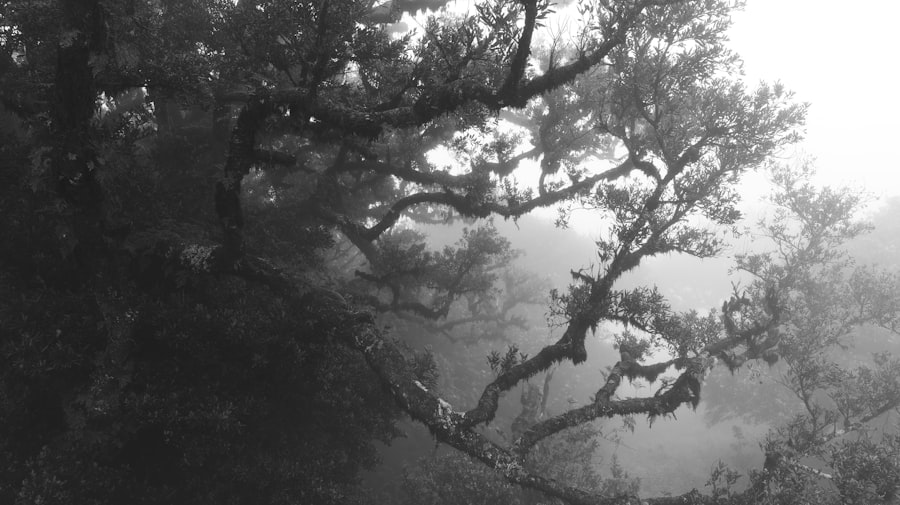
The popular conception of “untouched wilderness” often stems from a romantic ideal that emerged during the Enlightenment and romantic periods. This ideal painted nature as a pristine sanctuary, separate from the corrupting influence of human civilization, a place where one could find solace, inspiration, and a connection to a purer existence. However, scientific inquiry has begun to dismantle this idealized view, revealing the dynamic and interconnected nature of ecosystems.
The myth of untouched wilderness often overlooks the rich history of human interaction with natural landscapes, suggesting that these areas have remained pristine and unaltered. However, a fascinating article explores how ancient civilizations have shaped their environments in ways that are often ignored in contemporary discussions about wilderness. For those interested in this topic, you can read more about the evidence of ancient science and its impact on the environment in this insightful piece found here. This perspective challenges the notion of wilderness as a space devoid of human influence, revealing a complex interplay between nature and culture throughout history.
The Romantic Gaze and the Erasure of Indigenous Presence
The romantic ideal of wilderness often served to erase the presence and contributions of Indigenous peoples. As European colonists settled new lands, they often viewed the landscapes as empty canvases, ripe for transformation, overlooking the long history of human stewardship. This allowed for the construction of a narrative where nature was something to be “discovered” and preserved in its “original” state, a state that conveniently excluded the people who had shaped it for millennia.
Manifest Destiny and the “Empty” Continent
In the context of North America, the ideology of Manifest Destiny played a significant role in this narrative. The belief that the United States was divinely ordained to expand its dominion and spread democracy across the continent fueled a perception of the West as an “empty” and untamed frontier, ready for settlement and “civilization.” This perspective conveniently ignored the Indigenous populations who already inhabited and managed these lands, framing them as impediments to progress rather than as integral parts of the ecosystem.
The Birth of National Parks and the Preservationist Paradox
The establishment of national parks, often lauded as havens of untouched wilderness, paradoxically also reinforces the myth. While these parks are crucial for conservation, their very creation often involved the displacement of Indigenous communities and a deliberate effort to remove human presence, creating artificial boundaries that define what is considered “wild” and what is not. This can lead to a static view of nature, failing to acknowledge the continuous processes of change and adaptation that are inherent to ecological systems.
Ecological Science and the Dynamic Nature of Ecosystems
Modern ecological science has revealed that even seemingly undisturbed ecosystems are in a constant state of flux. Natural disturbances, such as fires, floods, and windstorms, are integral to the health and resilience of many environments. Furthermore, the interconnectedness of species and their habitats means that changes in one part of an ecosystem can have ripple effects throughout the entire system.
Succession and the Ever-Changing Landscape
Ecological succession describes the predictable process of change in the species structure of an ecological community over time. After a disturbance, pioneer species colonize an area, paving the way for a succession of plant and animal communities, eventually leading to a climax community. This inherent dynamism means that no ecosystem remains static for long, and what appears “wild” at one point in time may look very different in the future.
The Interconnected Web of Life
The concept of an interconnected web of life, famously popularized by ecologist F.E. Clements, emphasizes that all living organisms are linked together in a complex network of relationships. The absence or presence of a single species can have profound consequences for the entire ecosystem. This understanding challenges the idea of isolated, self-contained wilderness areas, highlighting the pervasive influence of ecological processes that operate on a much broader scale.
Reimagining Wilderness: Embracing Human Integration and Active Stewardship
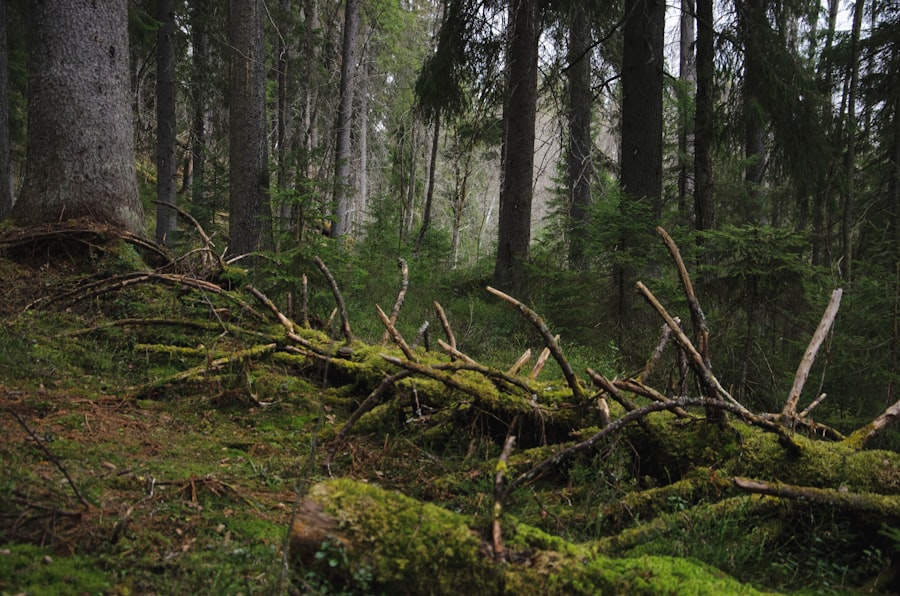
Recognizing the myth of untouched wilderness is not an argument for its abandonment or a surrender to unchecked exploitation. Instead, it calls for a more nuanced and honest understanding of our relationship with the natural world, one that acknowledges human presence and embraces the concept of active, responsible stewardship. This involves shifting our perspective from one of separation to one of integration and recognizing that human activities can be a force for positive ecological change.
Moving Beyond the “Pristine” Ideal to “Managed” or “Working” Landscapes
The goal of conservation can no longer solely focus on the unattainable ideal of pristine, untouched wilderness. Instead, it needs to encompass a broader spectrum of landscapes, including those that are actively managed and even those that are integrated with human economic activities. The focus should be on ecological health, biodiversity, and the long-term resilience of natural systems, regardless of their human footprint.
Conservation in the Anthropocene: Adapting to New Realities
Conservation efforts in the Anthropocene must adapt to the reality of human influence. This includes developing strategies for managing invasive species, mitigating the impacts of climate change, and working with local communities to ensure sustainable land use practices. It requires a shift from simply protecting what is perceived as “natural” to actively restoring and enhancing ecological functions in a human-altered world.
The Role of Indigenous Knowledge in Modern Conservation
The deep ecological knowledge and traditional practices of Indigenous peoples offer invaluable insights for modern conservation. By integrating this knowledge with scientific research, we can develop more effective and culturally sensitive approaches to land management and restoration. This partnership recognizes the long-standing relationship Indigenous communities have with their lands and their capacity for sustainable stewardship.
The Ethics of Stewardship: Responsibility and Reciprocity
The understanding that human beings are inextricably linked to the natural world necessitates a reevaluation of our ethical obligations. Rather than viewing nature as an external resource to be exploited or a pristine entity to be preserved from afar, we must cultivate a sense of responsibility and reciprocity. This means recognizing our role as stewards, actively working to maintain ecological integrity and fostering a relationship of mutual respect with the living world.
Fostering a Sense of Interdependence
Embracing the idea of interdependence means understanding that human well-being is fundamentally tied to the health of the environment. This perspective encourages a more holistic approach to decision-making, considering the ecological consequences of our actions and striving for solutions that benefit both humanity and the natural world. It moves beyond anthropocentrism towards a more ecocentric view.
The Future of “Wild”: Collaboration and Coexistence
The future of what we consider “wild” lies not in its isolation but in our ability to coexist with and actively manage it. This requires collaboration between scientists, policymakers, local communities, and Indigenous peoples. It means embracing the complexities of human-nature interactions and working towards a future where both human societies and natural ecosystems can thrive. The myth of untouched wilderness, while romantic, ultimately hinders this vital work. By shedding this illusion, we can forge a more realistic, ethical, and ultimately more effective path towards genuine conservation and a sustainable future for all life on Earth.

The Wilderness Was Engineered
FAQs
What is the “untouched wilderness myth”?
The “untouched wilderness myth” refers to the misconception that certain wilderness areas are completely untouched by human influence or activity. This myth often leads to the belief that these areas are pristine and unspoiled by human impact.
Why is the “untouched wilderness myth” misleading?
The “untouched wilderness myth” is misleading because it fails to acknowledge the long history of human influence on many wilderness areas. Indigenous peoples have inhabited and shaped these landscapes for thousands of years, and even seemingly remote areas have been impacted by human activities such as hunting, fishing, and resource extraction.
What are some examples of human impact on wilderness areas?
Human impact on wilderness areas can take many forms, including deforestation, pollution, habitat destruction, and the introduction of non-native species. Even activities such as hiking and camping can leave a mark on these landscapes.
How can we dispel the “untouched wilderness myth”?
Dispelling the “untouched wilderness myth” requires a shift in perspective and a recognition of the complex relationship between humans and the natural world. It is important to acknowledge the long history of human influence on wilderness areas and to work towards conservation and sustainable management of these landscapes.
What are the implications of believing in the “untouched wilderness myth”?
Believing in the “untouched wilderness myth” can lead to a false sense of security about the state of wilderness areas, potentially leading to inadequate conservation efforts. It can also perpetuate the erasure of indigenous peoples’ long-standing relationships with these landscapes. Recognizing the human impact on wilderness areas is crucial for effective conservation and stewardship of these valuable ecosystems.