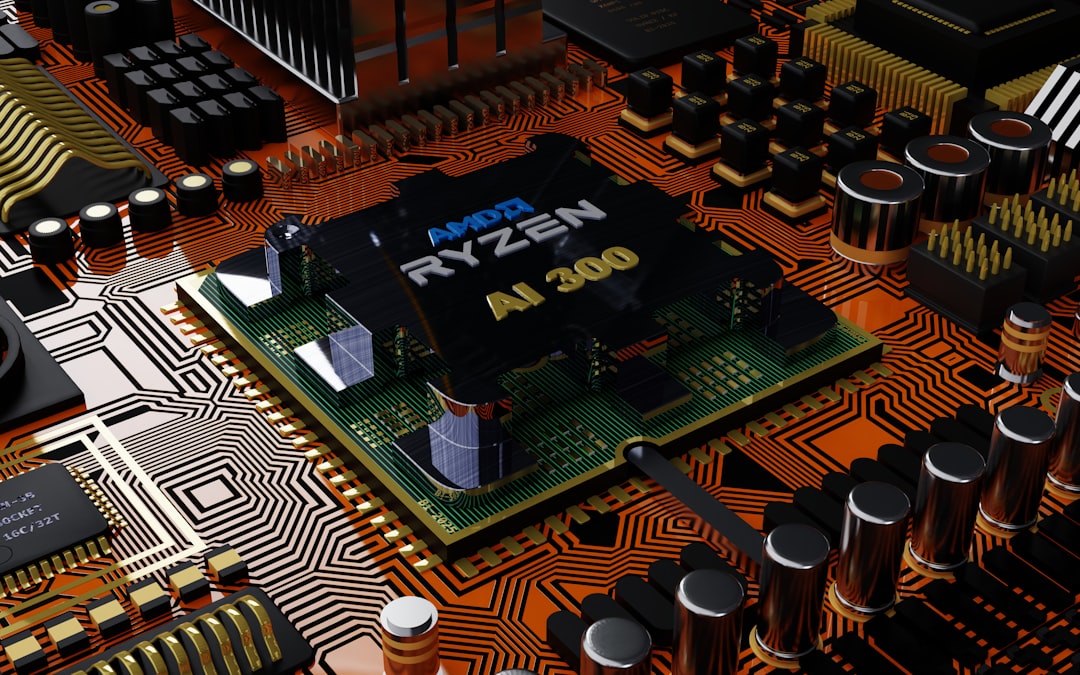
In recent years, India has emerged as a significant player in the global semiconductor landscape, with the establishment of numerous chip design centers across the country. This rise can be attributed to a combination of factors, including the increasing demand for electronic devices, the proliferation of digital technologies, and the need for localized solutions in a rapidly evolving market. Major multinational corporations have recognized India’s potential and have begun to invest heavily in setting up design centers, which has further fueled the growth of this sector.
As a result, India is now home to a vibrant ecosystem of chip design that is contributing to both domestic and international markets. The establishment of these chip design centers has not only created job opportunities but has also fostered innovation and technological advancement. With a focus on research and development, these centers are at the forefront of creating cutting-edge semiconductor solutions that cater to various industries, including telecommunications, automotive, and consumer electronics.
The rise of Indian chip design centers signifies a shift in the global semiconductor supply chain, as companies seek to leverage India’s skilled workforce and cost-effective operational environment.
Key Takeaways
- Indian chip design centers are rapidly emerging as key players in global semiconductor innovation.
- These centers benefit from a large, skilled talent pool and cost advantages in India.
- Collaboration between Indian centers and global tech firms drives advanced technology development.
- Government initiatives are crucial in supporting infrastructure, skill development, and industry growth.
- Despite challenges, Indian chip design centers are enhancing India’s competitiveness in the global semiconductor market.
The Role of Indian Chip Design Centers in Technology Innovation
Indian chip design centers play a pivotal role in driving technology innovation by developing advanced semiconductor solutions that meet the demands of modern applications. These centers are engaged in designing integrated circuits (ICs), system-on-chips (SoCs), and other critical components that form the backbone of electronic devices. By focusing on research and development, they are able to push the boundaries of what is possible in terms of performance, efficiency, and functionality.
This innovation is essential for industries that rely on cutting-edge technology to remain competitive in a fast-paced market. Moreover, Indian chip design centers are increasingly collaborating with academic institutions and research organizations to foster a culture of innovation. This collaboration not only enhances the quality of research but also ensures that the latest technological advancements are integrated into the design process.
By bridging the gap between academia and industry, these centers are able to create a robust pipeline of talent and ideas that drive continuous improvement and innovation in semiconductor technology.
Advantages of Setting up Chip Design Centers in India
Establishing chip design centers in India offers several advantages that make it an attractive destination for multinational corporations.
India boasts a large pool of engineering graduates with expertise in electronics and computer science, making it easier for companies to find qualified professionals who can contribute to their design efforts.
This talent pool is not only abundant but also relatively cost-effective compared to other regions, allowing companies to optimize their operational costs while maintaining high-quality output. In addition to the skilled workforce, India’s growing infrastructure and supportive business environment further enhance its appeal as a hub for chip design. The government has implemented various initiatives aimed at promoting the semiconductor industry, including tax incentives and investment subsidies.
These measures create a conducive environment for companies looking to establish or expand their operations in India. Furthermore, the country’s strategic location allows for easier access to key markets in Asia and beyond, making it an ideal base for companies seeking to tap into the growing demand for semiconductor solutions.
Impact of Indian Chip Design Centers on the Global Semiconductor Industry
| Metric | Value | Details |
|---|---|---|
| Number of Indian Chip Design Centers | 150+ | Includes centers from global semiconductor companies and startups |
| Contribution to Global Chip Design | 10-12% | Percentage of global chip design output attributed to Indian centers |
| Employment in Chip Design Sector (India) | ~50,000 Engineers | Skilled workforce engaged in chip design and development |
| R&D Investment Growth (India) | 15% YoY | Annual increase in research and development spending in chip design |
| Global Semiconductor Companies with Indian Design Centers | 20+ | Includes companies like Intel, Qualcomm, Broadcom, and Texas Instruments |
| Patents Filed by Indian Chip Design Centers | 500+ (Last 5 Years) | Innovations in chip architecture, power efficiency, and AI integration |
| Impact on Global Supply Chain | Significant | Indian centers contribute to design and verification, reducing time-to-market |
| Export of Chip Design Services | High | Major source of revenue and global collaboration for Indian tech firms |
The emergence of Indian chip design centers has had a profound impact on the global semiconductor industry. As these centers continue to innovate and produce high-quality semiconductor solutions, they are helping to reshape the competitive landscape. Indian firms are increasingly becoming key players in the supply chain, providing essential components for various applications worldwide.
This shift not only enhances India’s position in the global market but also contributes to a more diversified semiconductor ecosystem. Moreover, Indian chip design centers are fostering competition among global players, driving down costs and improving product quality across the industry. As companies leverage India’s capabilities, they are able to bring innovative products to market more quickly and efficiently.
This increased competition ultimately benefits consumers by providing them with access to advanced technology at more affordable prices. The ripple effect of India’s growing influence in the semiconductor sector is likely to be felt across various industries, as businesses seek to integrate these innovations into their products and services.
Collaboration and Partnerships in Indian Chip Design Centers
Collaboration is a cornerstone of success for Indian chip design centers, as they often engage in partnerships with both local and international entities. These collaborations can take many forms, including joint ventures with established semiconductor firms, partnerships with academic institutions for research initiatives, and alliances with startups focused on emerging technologies. By pooling resources and expertise, these partnerships enable chip design centers to accelerate innovation and enhance their competitive edge.
Furthermore, collaboration extends beyond traditional boundaries, as Indian chip design centers increasingly engage with global technology leaders. This interaction allows them to gain insights into best practices and emerging trends while also providing opportunities for knowledge transfer. Such partnerships not only strengthen India’s position in the semiconductor industry but also contribute to a more interconnected global technology ecosystem.
Challenges Faced by Indian Chip Design Centers

Despite their rapid growth and potential, Indian chip design centers face several challenges that could hinder their progress. One significant issue is the lack of advanced manufacturing capabilities within the country. While India excels in design, it still relies heavily on imports for semiconductor fabrication.
This dependency can create bottlenecks in production and limit the ability of Indian firms to scale their operations effectively. Additionally, there is a pressing need for continuous investment in research and development to keep pace with global advancements in semiconductor technology. As competition intensifies, Indian chip design centers must prioritize innovation to remain relevant.
However, securing funding for R&D initiatives can be challenging, particularly for smaller firms that may lack access to capital markets or venture funding. Addressing these challenges will be crucial for ensuring the long-term success of India’s chip design ecosystem.
Talent Pool and Skill Development in Indian Chip Design Centers
The success of Indian chip design centers is largely dependent on the availability of a skilled workforce capable of meeting the demands of an evolving industry. Fortunately, India has a robust educational system that produces a large number of engineering graduates each year. However, there is still a need for specialized training programs that focus on semiconductor design and related fields.
To bridge this gap, many chip design centers are investing in skill development initiatives aimed at enhancing the capabilities of their workforce. These initiatives often involve partnerships with educational institutions to create tailored training programs that align with industry needs. By providing hands-on experience and exposure to real-world projects, these programs help equip graduates with the skills necessary to thrive in the semiconductor sector.
Additionally, ongoing professional development opportunities for existing employees ensure that they remain up-to-date with the latest technological advancements and industry trends.
Government Initiatives and Support for Indian Chip Design Centers
The Indian government has recognized the strategic importance of the semiconductor industry and has implemented various initiatives to support its growth. These initiatives include financial incentives for companies establishing chip design centers, as well as policies aimed at fostering research and development within the sector. By creating a favorable regulatory environment, the government aims to attract both domestic and foreign investment in semiconductor technology.
Furthermore, government-backed programs are focused on enhancing infrastructure development and promoting collaboration between industry stakeholders. These efforts are designed to create an ecosystem that supports innovation while also addressing challenges such as skill shortages and manufacturing capabilities. By actively supporting the growth of chip design centers, the government is positioning India as a key player in the global semiconductor landscape.
Future Trends and Opportunities for Indian Chip Design Centers
Looking ahead, Indian chip design centers are poised to capitalize on several emerging trends that could shape the future of the semiconductor industry. One such trend is the increasing demand for artificial intelligence (AI) and machine learning (ML) applications, which require advanced semiconductor solutions capable of processing vast amounts of data efficiently. Indian chip design centers have an opportunity to develop specialized chips tailored for these applications, positioning themselves as leaders in this burgeoning market.
Additionally, as industries continue to embrace digital transformation, there will be a growing need for Internet of Things (IoT) devices that rely on efficient semiconductor solutions. Indian chip design centers can leverage their expertise to create innovative products that cater to this demand while also exploring opportunities in sectors such as automotive electronics and renewable energy technologies.
Case Studies of Successful Indian Chip Design Centers
Several Indian chip design centers have emerged as success stories within the industry, showcasing the potential for innovation and growth in this sector. For instance, companies like Wipro’s Embedded Solutions Division have made significant strides in developing custom silicon solutions for various applications, ranging from consumer electronics to industrial automation. Their focus on research and development has enabled them to stay ahead of technological trends while delivering high-quality products.
Another notable example is Intel’s presence in India, where it has established multiple design centers focused on developing cutting-edge technologies such as processors and AI solutions. By leveraging India’s skilled workforce and fostering collaboration with local universities, Intel has been able to drive innovation while contributing significantly to India’s semiconductor ecosystem.
The Global Competitiveness of Indian Chip Design Centers
As Indian chip design centers continue to evolve and expand their capabilities, they are increasingly becoming competitive on a global scale. The combination of a skilled workforce, supportive government policies, and a growing ecosystem of innovation positions India as an attractive destination for semiconductor companies looking to establish or expand their operations. This competitiveness is further enhanced by India’s ability to offer cost-effective solutions without compromising on quality.
In conclusion, Indian chip design centers are playing a crucial role in shaping the future of the global semiconductor industry. With their focus on innovation, collaboration, and skill development, they are well-positioned to capitalize on emerging trends while addressing challenges within the sector. As they continue to grow and evolve, these centers will undoubtedly contribute significantly to India’s standing as a key player in the global technology landscape.
India’s chip design centers are rapidly evolving, contributing significantly to the global semiconductor landscape. A recent article discusses the growth and challenges faced by these centers, highlighting their role in fostering innovation and attracting investment.
realloreandorder.com/sample-page/).
WATCH THIS! Why The West Is Losing Its Best Minds
FAQs
What are Indian chip design centers?
Indian chip design centers are specialized facilities and offices located in India where semiconductor companies focus on designing integrated circuits (chips) and related technologies. These centers handle tasks such as chip architecture, verification, testing, and software development.
Why are chip design centers important in India?
Chip design centers in India play a crucial role in the global semiconductor supply chain by leveraging the country’s skilled engineering talent. They contribute to innovation, cost-effective design solutions, and support multinational companies in developing advanced semiconductor products.
Which major companies have chip design centers in India?
Several leading semiconductor and technology companies have established chip design centers in India, including Intel, Qualcomm, Broadcom, Texas Instruments, AMD, and NVIDIA, among others.
What kind of work is done at Indian chip design centers?
Work at Indian chip design centers includes chip architecture design, physical design, verification and validation, embedded software development, testing, and research and development related to semiconductor technologies.
How has the Indian government supported chip design centers?
The Indian government has introduced initiatives such as the Semiconductor Mission and various incentives to promote semiconductor manufacturing and design. These efforts aim to boost domestic chip design capabilities and attract global investments.
What is the future outlook for chip design centers in India?
The future outlook is positive, with increasing investments from global semiconductor firms and startups. India is expected to become a significant hub for chip design due to its large pool of engineering talent and growing ecosystem support.
Are Indian chip design centers involved in manufacturing chips?
Typically, Indian chip design centers focus on design and development rather than manufacturing. Chip fabrication is usually done in foundries located in other countries, although India is working towards developing its own semiconductor manufacturing capabilities.
How do Indian chip design centers contribute to the global semiconductor industry?
Indian chip design centers contribute by providing cost-effective design services, innovation in chip architecture, and software development, thereby supporting global semiconductor companies in bringing products to market faster and more efficiently.