Indigenous landscape engineering, a practice honed over millennia, is experiencing a renaissance as the world increasingly recognizes the profound wisdom embedded within these time-tested methods. Far from being mere historical curiosities, these techniques represent a sophisticated understanding of ecological principles and a deep respect for the interconnectedness of natural systems. This revival is not simply about preserving the past; it is about drawing upon ancestral knowledge to forge a more sustainable and resilient future, particularly in the face of contemporary environmental challenges such as climate change, biodiversity loss, and resource scarcity.
The foundation of indigenous landscape engineering lies in an intimate, symbiotic relationship with the land. For countless generations, indigenous peoples have observed, adapted to, and shaped their environments, developing practices that not only sustained their communities but also enhanced the health and vitality of the ecosystems they inhabited. This understanding was not derived from abstract scientific study in laboratories but from direct, lived experience and the careful transmission of knowledge across generations. The results were landscapes that were both productive and ecologically balanced, demonstrating an unparalleled capacity for long-term sustainability.
A Deep Ecological Understanding
At the heart of indigenous landscape engineering is a profound understanding of ecological processes. This encompasses a holistic view of the environment, recognizing that the health of one component is intrinsically linked to the health of the whole. Rather than viewing landscapes as static entities to be dominated or exploited, indigenous peoples perceived them as dynamic, living systems. This perspective fostered an approach to land management that was proactive and regenerative, focusing on building resilience and supporting natural cycles.
The Interconnectedness of Elements
Indigenous knowledge systems emphasize the intricate web of life. Rivers were not simply sources of water but pathways for migration and spiritual connection. Forests were not just timber reserves but complex ecosystems teeming with medicinal plants, wildlife, and spirits. Soils were understood not just as dirt but as living entities teeming with microorganisms essential for plant growth. This deep appreciation for interconnectedness informed every decision, ensuring that interventions were designed to work with natural processes rather than against them.
Observing and Adapting to Local Conditions
A key characteristic of indigenous landscape engineering is its hyper-local focus. Practices were meticulously tailored to the specific climate, geology, hydrology, and biodiversity of a particular region. There was no one-size-fits-all approach. Instead, indigenous engineers became experts in the nuances of their immediate environment, developing ingenious solutions that addressed local challenges and capitalized on local opportunities. This adaptability is a crucial lesson for modern land management, which often struggles with the limitations of generalized solutions.
Principles of Reciprocity and Stewardship
The relationship between indigenous peoples and their landscapes was not one of ownership but of stewardship. They saw themselves as caretakers, entrusted with the responsibility of maintaining the health and balance of the land for future generations. This sense of reciprocity meant that they took only what they needed and actively worked to replenish what they used. This ethical framework is a stark contrast to many modern approaches that prioritize extraction and profit over long-term ecological well-being.
The Concept of “Miigwech” (Gratitude)
In many indigenous cultures, the act of taking from the land is accompanied by expressions of gratitude, or “Miigwech” in Ojibwe. This ritualistic acknowledgment of the gift of sustenance reinforces a conscious awareness of the dependency on the natural world and fosters a sense of responsibility to give back. This cultural practice imbues the act of resource utilization with a spiritual and ethical dimension, guiding actions towards sustainability.
Generational Responsibility
The concept of leaving the land in a better state than it was found is a cornerstone of indigenous stewardship. Decisions were made with a view extending far beyond the immediate needs of the present generation, encompassing the well-being of children, grandchildren, and beyond. This long-term perspective is a vital counterbalance to the short-term thinking that often dominates contemporary development.
Indigenous landscape engineering plays a crucial role in sustainable land management and ecological restoration, drawing on traditional knowledge and practices that have been honed over generations. For further insights into how modern technologies and global market dynamics can impact indigenous practices, you may find the article on the potential threats posed by Chinese electric vehicles to the U.S. market particularly relevant. This piece highlights the intersection of technology, economy, and environmental considerations, which can also reflect on the challenges faced by indigenous communities in preserving their landscapes. You can read more about it here: Chinese EVs Threat to U.S. Market.
Reviving Ancient Techniques for Modern Challenges
The contemporary resurgence of interest in indigenous landscape engineering is driven by the urgent need to address pressing environmental issues. As the limitations of conventional approaches become increasingly apparent, a growing number of researchers, policymakers, and land managers are turning to ancestral wisdom for innovative and sustainable solutions. These ancient techniques offer practical, ecologically sound, and often more cost-effective ways to manage landscapes, restore degraded areas, and build resilience in the face of a changing climate.
Water Management and Conservation
Water is a fundamental resource, and indigenous peoples developed sophisticated methods for managing its flow, conservation, and purification. These techniques were crucial for supporting agriculture, providing potable water, and maintaining healthy aquatic ecosystems in diverse and often challenging environments.
Swales and Contour Farming
The creation of swales, shallow ditches dug on contour lines, is a prime example of indigenous water management. These structures slow down rainwater runoff, allowing it to infiltrate the soil and replenish groundwater reserves. Contour farming, planting crops along the same elevation lines, further enhances this process, preventing soil erosion and maximizing water absorption. This approach is particularly effective in arid and semi-arid regions, where water scarcity is a persistent concern.
Wetland Restoration and Creation
Indigenous communities often recognized the vital role of wetlands in filtering water, regulating water levels, and supporting biodiversity. They developed practices for creating and maintaining these valuable ecosystems, often through the strategic manipulation of water flow and the use of native plant species. These wetlands served as natural purification systems, providing clean water for communities and habitats for a wealth of wildlife.
Rainwater Harvesting Systems
Beyond swales, many indigenous cultures developed intricate systems for capturing and storing rainwater. This could involve a variety of methods, from simple depressions in the ground to more complex structures like cisterns and terraced ponds. These systems ensured a reliable water supply, particularly during dry seasons, and reduced reliance on distant or potentially unreliable water sources.
Soil Health and Fertility Management
Healthy soils are the bedrock of any productive landscape. Indigenous peoples understood the intricate biology of soil and developed methods to maintain and enhance its fertility without the use of synthetic fertilizers. These practices not only supported agricultural productivity but also contributed to the overall health and resilience of the ecosystem.
Composting and Biochar
The practice of composting organic waste was widespread, returning vital nutrients to the soil and improving its structure. In some regions, the use of biochar, charcoal produced through pyrolysis, was also employed to enhance soil fertility, water retention, and carbon sequestration. Biochar acts as a slow-release fertilizer and improves soil aeration, creating a more hospitable environment for plant roots and beneficial microorganisms.
Cover Cropping and Crop Rotation
Indigenous agricultural systems often incorporated cover cropping and diverse crop rotations. Cover crops, planted between main crops, protected the soil from erosion, suppressed weeds, and added organic matter. Crop rotation, the practice of planting different crops in the same field in sequential seasons, prevented the depletion of specific nutrients and helped to break pest and disease cycles.
Terracing and Erosion Control
In hilly or mountainous regions, indigenous peoples constructed elaborate terraces to create flat agricultural surfaces and prevent soil erosion. These stone-lined structures not only stabilized slopes but also facilitated efficient water management, capturing rainfall and directing it to the crops. The meticulous construction of these terraces often involved deep knowledge of local geology and soil mechanics.
Indigenous landscape engineering has long been a subject of interest for researchers exploring the intricate ways in which native cultures shaped their environments. A fascinating article that delves into related themes is available at Uncovering Lost Ancient Metallurgy Techniques, which examines how ancient societies utilized advanced techniques to manipulate their landscapes and resources. This exploration not only highlights the ingenuity of these cultures but also emphasizes the importance of understanding their contributions to sustainable practices in modern times.
Biodiversity Enhancement and Habitat Creation
Indigenous landscape engineering was not solely focused on human needs; it also prioritized the creation and maintenance of habitats that supported a rich diversity of plant and animal life. This approach recognized that biodiversity is essential for ecosystem stability and resilience, providing essential ecosystem services.
Agroforestry and Polycultures
Many indigenous agricultural systems were not monocultures but rather integrated agroforestry systems or polycultures, planting a variety of species together. This mimicry of natural forest ecosystems created a more complex and resilient agricultural landscape, providing diverse food sources, habitats for wildlife, and improved soil health. Fruit trees, nut trees, medicinal plants, and staple crops were often grown in harmonious association.
Seed Saving and Traditional Varieties
The practice of seed saving ensured the preservation of a vast array of traditional crop varieties, each adapted to specific local conditions. These diverse gene pools represent an invaluable resource for modern agriculture, offering potential solutions for climate adaptation and food security. Indigenous communities were custodians of this genetic diversity, understanding its long-term importance.
Wildlife Corridors and Habitat Restoration
Indigenous peoples often managed their landscapes in ways that facilitated wildlife movement and maintained essential habitats. This could involve the creation of wildlife corridors, the protection of key foraging areas, or the deliberate planting of species that supported specific animal populations. Restoration efforts, often guided by deep spiritual beliefs about the land’s sentience, aimed to bring degraded areas back to ecological health.
The Cultural and Spiritual Dimensions of Landscape Engineering

Beyond the practical applications, indigenous landscape engineering is deeply intertwined with cultural beliefs and spiritual practices. The land is not merely a resource to be managed but a living entity, imbued with spirit and deserving of respect. This profound connection informs every aspect of their relationship with the environment, fostering a sense of responsibility and reciprocity that is essential for true sustainability.
Sacredness of the Land
In many indigenous cultures, the land, water, and all living things are considered sacred. This reverence influences how landscapes are treated and managed. Interventions are often guided by spiritual protocols and a deep understanding of the interconnectedness of the physical and spiritual realms. This perspective instills a sense of profound respect and responsibility for the natural world.
Rituals and Ceremonies
Rituals and ceremonies play a significant role in indigenous landscape management. These practices serve to honor the spirits of the land, express gratitude for its bounty, and ensure the continuation of ecological balance. They are not merely symbolic acts but are understood to have tangible effects on the health and vitality of the ecosystem.
Storytelling and Oral Traditions
Oral traditions and storytelling are powerful vehicles for transmitting indigenous knowledge about the landscape. Myths, legends, and historical accounts often contain detailed information about ecological processes, sustainable practices, and the ethical responsibilities associated with land stewardship. These narratives embed cultural values and practical wisdom in a memorable and engaging way.
The Role of Elders and Knowledge Keepers
Elders and knowledge keepers are central to the transmission and perpetuation of indigenous landscape engineering practices. They hold generations of accumulated wisdom and experience, guiding their communities in the responsible stewardship of their ancestral lands. Their guidance is essential for ensuring that traditional knowledge is applied effectively and ethically.
Mentorship and Apprenticeship
The transfer of knowledge often occurs through direct mentorship and apprenticeship, where younger generations learn by observing and working alongside elders. This hands-on approach ensures that practical skills are combined with a deep understanding of the underlying principles and cultural values.
Adapting Knowledge to Contemporary Contexts
While deeply rooted in tradition, indigenous knowledge is not static. Elders and knowledge keepers are adept at adapting ancient wisdom to the challenges and opportunities of the modern world. This includes collaborating with scientists, incorporating new technologies where appropriate, and advocating for the integration of indigenous perspectives into mainstream environmental management.
Contemporary Applications and the Path Forward
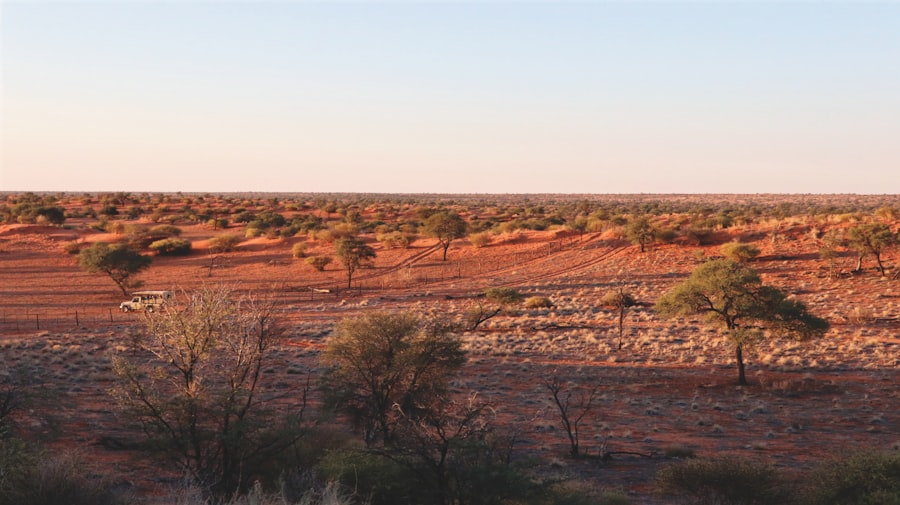
The revival of indigenous landscape engineering is gaining momentum, with increasing recognition of its value in addressing contemporary environmental challenges. This movement is not about romanticizing the past but about harnessing the power of ancestral wisdom to create a more sustainable and equitable future. The lessons learned from these ancient practices offer a vital blueprint for navigating the complex ecological and social issues of the 21st century.
Collaboration and Knowledge Co-creation
A crucial aspect of this revival is the emphasis on collaboration and knowledge co-creation between indigenous communities and Western scientific institutions. By bringing together diverse perspectives and methodologies, it is possible to achieve more holistic and effective solutions. This partnership fosters mutual respect and a deeper understanding of the multifaceted nature of environmental challenges.
Bridging Traditional and Scientific Knowledge
The integration of traditional ecological knowledge (TEK) with Western scientific approaches holds immense potential. TEK offers deep, place-based understanding and long-term perspectives, while science provides quantitative data and analytical tools. When these two forms of knowledge are combined, they can lead to more robust, effective, and culturally appropriate solutions.
Indigenous-Led Conservation Initiatives
Indigenous communities are increasingly leading their own conservation initiatives, drawing upon their ancestral knowledge to manage and restore their lands. These initiatives often demonstrate exceptional success rates due to the deep cultural connection and inherent understanding of local ecosystems. Empowering indigenous leadership is essential for achieving lasting conservation outcomes.
Policy Integration and Recognition
For indigenous landscape engineering to have a broad impact, it must be integrated into policy and planning frameworks. This requires recognizing the validity and value of traditional knowledge systems and supporting indigenous-led approaches to land and resource management. Policies that acknowledge and incorporate indigenous land rights are fundamental to this process.
Empowering Indigenous Governance
Strengthening indigenous governance structures and empowering communities to make decisions about their lands and resources is paramount. This includes respecting traditional forms of decision-making and ensuring that indigenous voices are central to policy development and implementation.
Economic Opportunities and Sustainable Livelihoods
The revival of indigenous landscape engineering can also create economic opportunities and support sustainable livelihoods. This can include the development of eco-tourism, the marketing of traditional products, and the provision of ecological restoration services based on indigenous expertise.
Education and Public Awareness
Raising public awareness about the importance and efficacy of indigenous landscape engineering is vital for its widespread adoption. Educational initiatives can help to dispel misconceptions, foster respect for indigenous cultures, and inspire a broader appreciation for sustainable land management practices.
Curriculum Development
Integrating indigenous knowledge and landscape engineering practices into educational curricula at all levels can help to cultivate a new generation of environmental stewards who are informed by both traditional wisdom and scientific understanding.
Public Outreach and Engagement
Public outreach programs, workshops, and demonstrations can showcase the tangible benefits of indigenous landscape engineering and encourage wider adoption. Sharing success stories and providing opportunities for hands-on learning can foster a deeper connection to the land and inspire action.
The journey of reviving indigenous landscape engineering is a testament to the enduring power of ancestral wisdom. It offers a compelling vision of a future where human societies live in harmony with nature, drawing upon the deepest understanding of ecological principles to build resilient, healthy, and thriving landscapes for generations to come. This is not simply a revival of tradition; it is a necessary evolution of our relationship with the Earth.

The Wilderness Was Engineered
FAQs
What is Indigenous landscape engineering?
Indigenous landscape engineering refers to the traditional land management practices of indigenous communities, which involve the sustainable manipulation and maintenance of the natural environment to meet their needs.
What are some examples of Indigenous landscape engineering techniques?
Examples of Indigenous landscape engineering techniques include controlled burning, terracing, irrigation systems, and the cultivation of native plants for food and medicine.
How does Indigenous landscape engineering contribute to environmental sustainability?
Indigenous landscape engineering promotes environmental sustainability by enhancing biodiversity, conserving water resources, preventing soil erosion, and mitigating the impacts of climate change through the use of traditional ecological knowledge.
What are the benefits of incorporating Indigenous landscape engineering practices into modern land management?
Incorporating Indigenous landscape engineering practices into modern land management can lead to improved ecosystem health, increased resilience to environmental disturbances, and the preservation of cultural heritage and traditional knowledge.
What are some challenges faced in recognizing and supporting Indigenous landscape engineering practices?
Challenges in recognizing and supporting Indigenous landscape engineering practices include the lack of acknowledgment of indigenous land rights, limited access to resources and funding, and the marginalization of indigenous communities in decision-making processes.