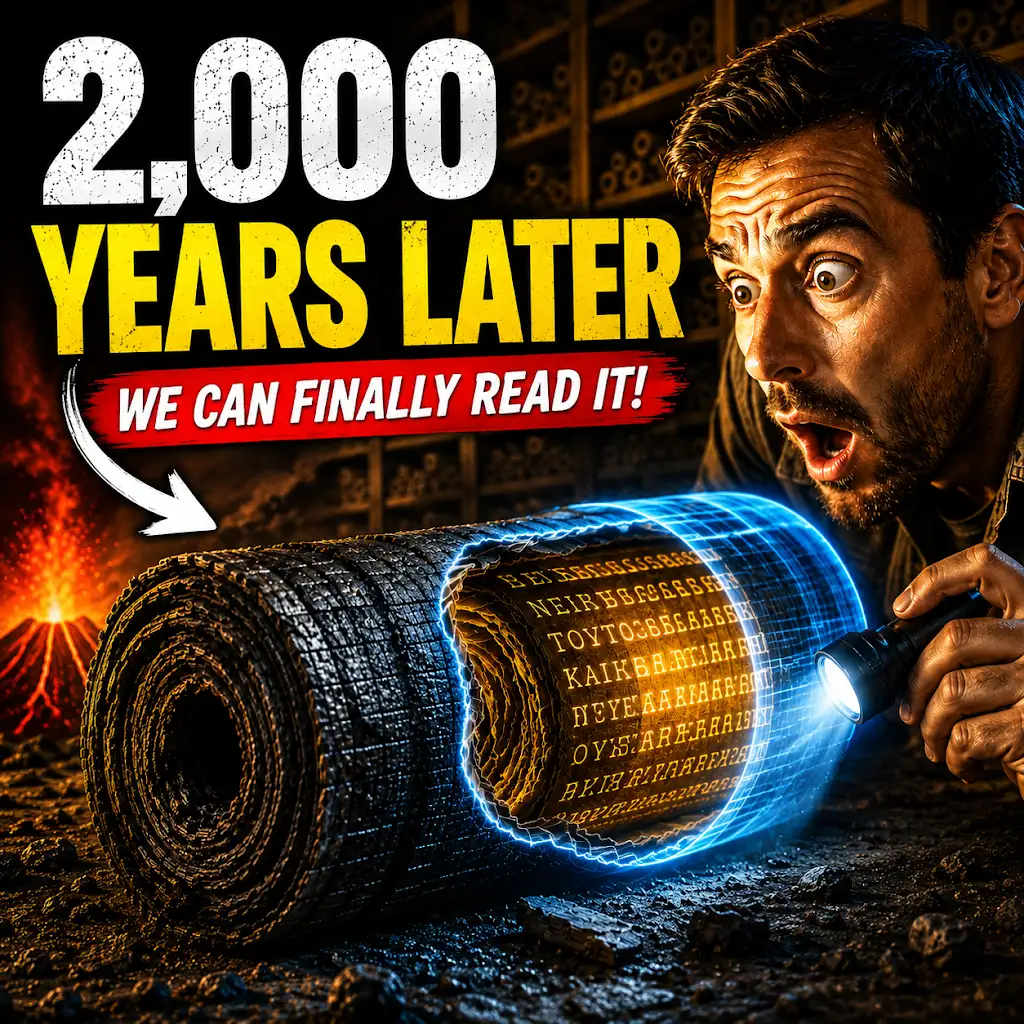
The whispers of Herculaneum have long been intertwined with the tantalizing enigma of its scorched papyri, a literary treasure trove preserved by the very cataclysm that destroyed it. The eruption of Mount Vesuvius in 79 CE, while burying Pompeii in ash, entombed Herculaneum in a dense layer of volcanic mud. This pyroclastic flow, a searing wave of gas and debris, acted as an unlikely preserver, solidifying organic materials into a form both fragile and resilient. Among the most remarkable remnants of this ancient city are the thousands of papyrus scrolls, carbonized by the extreme heat, their contents rendered seemingly inaccessible by their charred state. The mystery of the Herculaneum scrolls, therefore, lies not only in the knowledge they potentially contain but also in the daunting challenge of deciphering them.
The discovery of the Herculaneum scrolls is a tale as dramatic as the volcanic eruption that created them. Unlike Pompeii, which was largely excavated in the 18th century, Herculaneum remained buried and largely undisturbed until the mid-18th century. Accidental discoveries during the construction of an aqueduct in 1709 led to the initial excavations. It was in the Villa of the Papyri, a sprawling luxurious estate believed to have belonged to the family of Lucius Calpurnius Piso Caesoninus, the father-in-law of Julius Caesar, that the majority of these remarkable scrolls were unearthed.
The Villa of the Papyri: A Glimpse into Elite Roman Life
The Villa of the Papyri, a testament to the opulence of Roman aristocracy, presented a unique environment for preservation. Its seaside location and extensive gardens suggest a place of leisure and intellectual pursuit. Within its walls, archaeologists uncovered a library filled with hundreds of scrolls, stacked in wooden cabinets. The sheer quantity of these documents hinted at a significant intellectual collection, a testament to the owner’s or inhabitants’ passion for literature, philosophy, and perhaps even scientific discourse. The realization that these were not mere mundane records but potentially works of literature and philosophy was a monumental discovery.
The Nature of the Preservation: A Double-Edged Sword
The volcanic mud that enveloped Herculaneum acted as a remarkable sealant. It protected the scrolls from decay, water damage, and the ravages of time. However, the intense heat of the eruption also carbonized the papyrus, turning it into a brittle, black substance. This carbonization, while preserving the physical form of the scroll, made it incredibly fragile and susceptible to disintegration upon any attempt at unrolling. The very forces that saved these texts also rendered them almost impossible to read, creating a profound dilemma for scholars and archaeologists.
The Unrolling Dilemma: A Herculean Task
For centuries, the ambition of reading the Herculaneum scrolls has been a driving force for countless scholars. However, the inherent fragility of the carbonized papyrus presented an immediate and significant obstacle. Early attempts to unroll the scrolls were often met with disaster, the papyrus crumbling into dust under the slightest pressure. This led to a prolonged period of frustration and a desperate search for less destructive methods.
Early, Destructive Attempts: A Cautionary Tale
The initial decades of excavation saw a focus on retrieving the scrolls themselves, with less emphasis on their contents. Explorers, driven by curiosity and the desire for tangible discoveries, employed rudimentary methods to try and unroll the papyri. These often involved brute force or attempts at mechanical separation, which invariably resulted in the destruction of much of the precious material. The annals of early Herculaneum exploration are filled with stories of scrolls that were lost forever during these well-intentioned but ultimately damaging endeavors. These failures underscored the need for a more delicate and scientific approach.
The Advent of Mechanical Unrolling: Incremental Progress
As scientific understanding advanced, so too did the tools and techniques employed to tackle the Herculaneum scrolls. The late 19th and early 20th centuries saw the development of more sophisticated mechanical unrolling devices. These machines, often designed with fine-tuned pressure and intricate mechanisms, aimed to gently separate the tightly fused layers of papyrus. While some successes were achieved, allowing for the reading of small sections of text, the process remained slow, laborious, and still carried a significant risk of damage. Each millimeter unrolled represented a victory, but also a testament to the immense patience required.
The Rise of Non-Invasive Technologies: A New Dawn
The advent of modern imaging technologies has revolutionized the study of the Herculaneum scrolls. Recognizing the limitations and risks of physical unrolling, researchers have turned to advanced scanning techniques that can peer through the carbonized layers without physically touching the fragile material. This shift towards non-invasive methods has opened up unprecedented possibilities for deciphering these ancient texts, offering a glimmer of hope for unlocking their secrets without further damaging their delicate structure.
Decoding the Carbonized Word: Innovations in Imaging
The challenge of reading carbonized papyrus is akin to deciphering a photograph that has been severely overexposed and then physically compressed. The ink, often made of carbon-based materials, is almost indistinguishable from the blackened papyrus itself. Traditional methods of illumination and magnification were insufficient. The breakthrough came with the application of technologies designed to detect subtle differences in material density and chemical composition.
X-Ray Imaging: Revealing Hidden Layers
X-ray imaging, a cornerstone of medical diagnosis, found an unlikely application in the study of ancient manuscripts. By bombarding the scrolls with X-rays and analyzing how they are absorbed or transmitted, researchers can create cross-sectional images. The slight variations in density between the ink and the papyrus, even when carbonized, can be detected by these sensitive instruments. This allows for the visualization of faint outlines of letters and words that are invisible to the naked eye.
Synchrotron Radiation and Micro-CT Scanning: Unprecedented Detail
More advanced techniques, such as synchrotron radiation and micro-computed tomography (micro-CT) scanning, have pushed the boundaries even further. Synchrotron radiation, produced by particle accelerators, offers incredibly high-intensity and tunable X-rays, allowing for even finer detail to be resolved. Micro-CT scanning, similar to medical CT scans but on a microscopic scale, can generate highly detailed 3D reconstructions of the papyrus structure. These technologies enable researchers to differentiate between minute variations in material composition and to visualize the ink imprints with remarkable clarity.
Visible-Light Spectral Tomography and Raman Spectroscopy: Chemical Signatures
Beyond structural imaging, researchers are also employing techniques that analyze the chemical composition of the scrolls. Visible-light spectral tomography uses different wavelengths of light to excite and analyze the chemical compounds within the papyrus and ink. Raman spectroscopy, another chemical analysis technique, can identify the molecular vibrations of the ink particles, providing further evidence of their presence and distinctness from the papyrus. These methods aim to distinguish the chemical signature of the ink, even when it has been heavily altered by the eruption.
The Content Unveiled: Philosophical and Literary Gems
The efforts to decipher the Herculaneum scrolls have not been in vain. While the majority of the scrolls remain unread, those that have been successfully opened and deciphered have yielded invaluable insights into the intellectual life of the ancient world. The texts recovered primarily consist of philosophical works, many of which were previously unknown or known only through fragments and secondary sources.
The Epicurean Connection: Philodemus and his Circle
A significant portion of the deciphered scrolls are attributed to the philosopher Philodemus of Gadara, a prominent Epicurean thinker who lived in the 1st century BCE. His works cover a wide range of topics, including ethics, poetry, rhetoric, and the history of philosophy. The abundance of his writings in the Villa of the Papyri suggests that the owner was a devotee of Epicurean philosophy or a patron of Philodemus himself. These newly recovered texts offer a much more complete understanding of Epicureanism, challenging previous assumptions and revealing nuances in its doctrines.
Lost Works of Esteemed Authors: A Glimpse into the Unknown
Beyond Philodemus, the scrolls hold the promise of containing lost works by renowned Greek and Roman authors. The sheer scale of the library suggests that it was a repository of significant intellectual material. Scholars are hopeful that within the unread papyri lie forgotten treatises, plays, poems, and historical accounts that could rewrite our understanding of ancient literature and history. The potential for rediscovering lost masterpieces is a powerful motivator for continued research.
The Philosophical Debates of Antiquity: A Rich Tapestry
The deciphered philosophical texts shed light on the vibrant intellectual debates that characterized the Hellenistic and Roman periods. They provide direct access to the arguments and counter-arguments of different philosophical schools, offering a more nuanced perspective than what is available through later commentaries. The scrolls reveal the sophistication of ancient thought and the intellectual curiosity that permeated the elite circles of Roman society.
The Future of the Scrolls: Unlocking Centuries of Knowledge
The mystery of the Herculaneum scrolls is far from fully resolved. While significant progress has been made in deciphering them, the vast majority of these carbonized texts remain unread. The ongoing development of imaging and analytical technologies, coupled with dedicated scholarly effort, promises a future where more of these ancient voices will be heard.
The Ongoing Digitization Effort: A Global Collaboration
A crucial aspect of future research involves the comprehensive digitization of all recovered scrolls. This involves creating high-resolution digital copies using advanced imaging techniques, making them accessible to a wider range of researchers worldwide. This collaborative effort, involving institutions and scholars from across the globe, accelerates the process of analysis and interpretation. Digitization also ensures that even if further physical deterioration occurs, the information contained within the scrolls will be preserved for posterity.
Artificial Intelligence and Machine Learning: Accelerating Decipherment
The application of artificial intelligence (AI) and machine learning algorithms is proving to be a game-changer in the decipherment process. These AI tools can be trained to recognize patterns in the carbonized ink and papyrus, identifying potential letters and words with greater speed and accuracy than human analysis alone. AI can also assist in reconstructing damaged or incomplete sections of text, effectively filling in the gaps left by time and destruction.
The Quest for New Discoveries: A Continual Journey
The ongoing excavations at Herculaneum, though less frequent than in the past, continue to unearth new papyri. Each new discovery adds another piece to the puzzle, a fresh opportunity to expand our understanding of the ancient world. The mystery of the Herculaneum scrolls is not just about the texts themselves, but also about the enduring human drive to uncover the past, to connect with the minds of those who came before, and to learn from their wisdom and experiences. The journey to unlock the full potential of these carbonized treasures is a testament to human ingenuity and our unyielding fascination with the secrets held within the ashes of time.