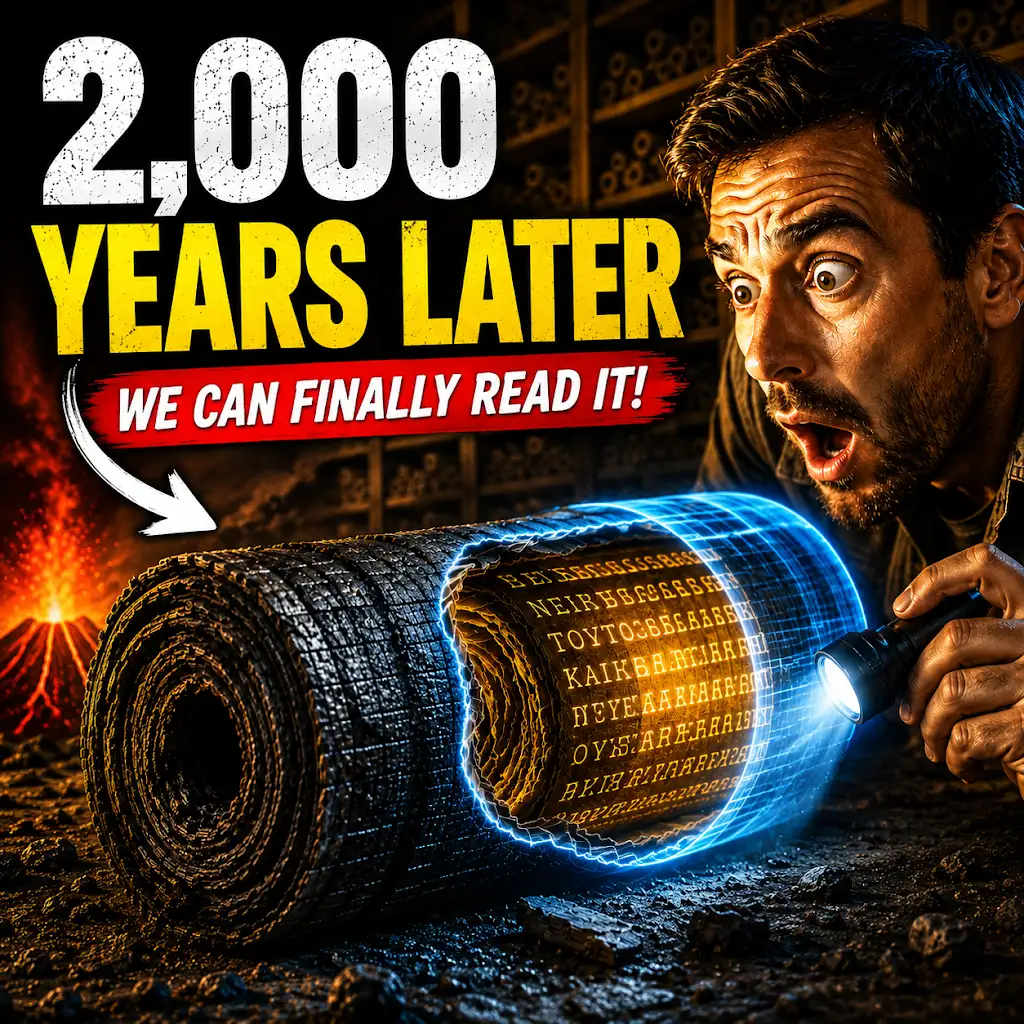
Brent Seales, a figure increasingly recognized for his innovative approaches to historical and textual preservation, has emerged as a pivotal force in the digital humanities with his work on virtual unwrapping of ancient scrolls. This groundbreaking technique, spearheaded by Seales, offers a non-destructive means of accessing and deciphering texts that have been rendered unreadable by millennia of decay, fire, or other catastrophic events. The sheer volume of historical knowledge locked within these fragile artifacts, previously considered lost forever, is now being brought to light through Seales’s sophisticated digital methodologies. This article delves into the core of Brent Seales’s Virtual Unwrapping Scrolls initiative, exploring its scientific underpinnings, its profound implications for scholarship, its challenges, and its hopeful future.
The annals of history are replete with tales of irreplaceable knowledge lost to the ravages of time. Ancient libraries, such as the Library of Alexandria, were tragically consumed by fire, taking with them countless scrolls containing wisdom, literature, and scientific discoveries. Similarly, volcanic eruptions, natural disasters, and the simple passage of centuries have reduced many papyri and parchment to brittle, carbonized fragments, or even fused them into solid masses. For centuries, scholars have grappled with the agonizing reality of these lost texts, recognizing them as silent witnesses to civilizations and ideas that might have otherwise remained in darkness. The only recourse was often destructive: attempting to physically unroll or separate these fragile materials, a process that frequently led to their complete disintegration, thereby destroying the very information they sought to recover. The risk of further damage was so immense that many scrolls, even when discovered, were left untouched, their secrets locked away indefinitely. This presented a fundamental barrier to understanding the past, a constant reminder of the ephemeral nature of knowledge and the vulnerability of the written word.
The Allure of the Unreadable
The allure of the unreadable scroll lies in its potential. Each carbonized fragment, each fused mass, represents a tantalizing glimpse into a lost world. These are not merely historical curiosities; they are potential repositories of forgotten philosophies, unknown histories, lost literary masterpieces, and scientific insights that could reshape our understanding of ancient cultures. The ambition to unlock these secrets has driven scholars and archaeologists for generations. However, the physical limitations of the materials themselves have been the ultimate gatekeepers, their fragility demanding a level of care and precision that has, until recently, been beyond human capability. The frustration of holding a seemingly worthless husk, knowing that within it lies the potential for profound revelation, has been a recurring theme in the study of ancient texts.
Early Attempts at Preservation and Decipherment
Throughout history, various methods have been employed to preserve and decipher ancient texts, each with its limitations. Early preservation efforts focused on physical containment, using specialized boxes or atmospheric controls to slow down decay. Decipherment, on the other hand, often relied on painstaking manual work, carefully teasing apart layers of parchment or paper, a process fraught with peril. In some cases, ingenious but ultimately destructive techniques were developed, such as heating or moistening the materials to make them more pliable. While these might have yielded some results, they invariably caused irreparable damage to the delicate fibers, further compromising the integrity of the text. The desire to read these forbidden texts was so strong that the risk of complete destruction was often deemed acceptable, leading to a tragic loss of information in the pursuit of knowledge.
The Dawn of Virtual Unwrapping: A Technological Revolution
Brent Seales’s work represents a paradigm shift, moving from destructive physical intervention to non-invasive digital exploration. The concept of “virtual unwrapping” harnesses advanced imaging technologies and sophisticated computational algorithms to digitally reconstruct the contents of damaged scrolls. Instead of risking the physical integrity of an artifact, Seales and his team employ imaging techniques that can penetrate the layers of charred or fused material. This allows them to capture subtle variations in density and composition that correspond to the ink used in the original writing. Once this data is acquired, complex algorithms are employed to digitally “unroll” the scroll, separating the layers and revealing the text. This revolutionary approach not only preserves the artifact but also unlocks information that would otherwise remain inaccessible.
The Power of X-ray and Synchrotron Imaging
At the heart of the virtual unwrapping process lies advanced imaging technology. Seales’s team frequently utilizes synchrotron X-ray microtomography, a powerful technique that uses high-energy X-rays to create three-dimensional images of the scroll. Synchrotron sources, such as those at the Lawrence Berkeley National Laboratory, produce incredibly bright and focused X-ray beams, allowing for unprecedented resolution. By scanning the scroll from multiple angles, the synchrotron generates a vast amount of data, which is then processed to create a detailed digital model. This model can then be virtually manipulated, allowing researchers to explore the internal structure of the scroll without ever touching it. The X-rays penetrate the carbonized layers, revealing the distinct density differences between the papyrus or parchment and the carbon-based ink.
Microtomography: Peering into the Layers
Microtomography, a specific application of computed tomography, is crucial to this process. It allows for the imaging of very small structures with high resolution. In the context of scroll unwrapping, this means being able to differentiate between the individual fibers of the papyrus or parchment and the written text. The process involves taking thousands of X-ray images from different angles as the scroll is rotated. These images are then reconstructed using sophisticated software to create a volumetric dataset. This dataset essentially represents a digital representation of the scroll in three dimensions, allowing researchers to virtually slice through it at any point, much like slicing a loaf of bread, to reveal the hidden text.
Computational Reconstruction: Bringing Text to Life
The raw imaging data is only the first step. The true magic of virtual unwrapping lies in the computational reconstruction phase. Specialized software and algorithms are employed to process the volumetric data, identify the ink traces, and then digitally “unroll” the scroll. This often involves complex image processing techniques to enhance contrast, filter out noise, and separate the text layers. The algorithms are designed to account for the curvature and deformation of the scroll, effectively straightening out the damaged material in the digital realm. This is not a simple flattening process; it involves sophisticated modeling that accounts for the physical stresses and distortions the scroll has undergone. The goal is to create a flat, readable representation of the original text as if the scroll had been perfectly preserved and unrolled by hand.
The Case of the Herculaneum Papyri: A Landmark Achievement
One of the most significant achievements of Brent Seales’s virtual unwrapping project has been its application to the Herculaneum Papyri. These ancient scrolls, carbonized by the eruption of Mount Vesuvius in 79 AD, represent a treasure trove of classical literature and philosophy. For centuries, these scrolls have been notoriously difficult, and often impossible, to unroll without complete destruction. Seales’s team, in collaboration with other researchers, has successfully used virtual unwrapping techniques to decipher portions of these incredibly fragile documents, revealing previously unknown philosophical texts and fragments of existing works. This has been a monumental step forward, offering a tangible demonstration of the power of this technology to recover lost knowledge from one of history’s most dramatic catastrophic events. The ability to read even a few lines of these papyri, which were once thought to be lost forever, represents a profound victory for scholarship.
Unlocking Philosophical Wisdom
The Herculaneum Papyri offer a unique window into the philosophical landscape of the ancient Roman world. Many of the scrolls recovered contain works by Epicurus and his followers, offering detailed insights into their ethical and materialist philosophies. Before the advent of virtual unwrapping, much of this material was inaccessible, locked within solid blocks of carbonized papyrus. The successful decipherment of even a small portion has already led to a reassessment of some philosophical arguments and a deeper understanding of the intellectual currents of the time. The potential for further discoveries among the remaining unread scrolls is immense.
Literary Discoveries and Reinterpretations
Beyond philosophy, the Herculaneum Papyri have also yielded literary discoveries. Fragments of known works have been identified, offering new textual variations and insights into ancient literary traditions. Furthermore, the possibility of discovering entirely new literary works, poems, or plays, remains a tantalizing prospect. The virtual unwrapping process opens the door to a complete re-evaluation of the literary output of the ancient world, potentially adding new voices and perspectives to our understanding of classical culture.
The Scientific and Scholarly Impact
The implications of Brent Seales’s Virtual Unwrapping Scrolls extend far beyond the mere recovery of lost texts. This technology represents a significant advancement in the field of digital humanities, offering new tools and methodologies for historical research. It allows scholars to engage with primary source material in ways previously unimaginable, fostering new avenues of inquiry and interpretation. The ability to access these texts non-destructively also ensures their long-term preservation for future generations of scholars.
A New Era for the Digital Humanities
The digital humanities have long sought to leverage computational power and digital technologies to enhance the study of humanities subjects. Brent Seales’s work is a prime example of this synergy, demonstrating how cutting-edge science can revolutionize our understanding of the past. The virtual unwrapping of scrolls provides a powerful case study for developing and refining digital methodologies that can be applied to other forms of historical data. This includes not only texts but also other fragile artifacts that might contain embedded information.
Interdisciplinary Collaboration: Science Meets Humanities
The success of virtual unwrapping hinges on robust interdisciplinary collaboration. Physicists, computer scientists, engineers, and classicists must work together, each bringing their unique expertise to the table. This collaboration is essential for developing the imaging technologies, designing the reconstruction algorithms, and interpreting the deciphered texts. The ongoing success of these projects is a testament to the power of bringing diverse scientific and scholarly disciplines together to address complex challenges.
Data Management and Accessibility
The sheer volume of data generated by virtual unwrapping projects presents new challenges in terms of data management and accessibility. Creating robust digital archives and ensuring that the deciphered texts are made available to the global scholarly community are crucial steps. This involves developing standardized protocols for data storage, metadata creation, and online dissemination, making these invaluable resources accessible to a wider audience.
Redefining Historical Research
The virtual unwrapping of scrolls fundamentally redefines historical research. It moves beyond reliance on already legible texts and opens up a vast new frontier of unread primary sources. This allows historians to explore previously inaccessible aspects of ancient societies, challenging existing narratives and uncovering new perspectives. The ability to directly engage with the unfiltered thoughts and writings of past civilizations offers a more nuanced and comprehensive understanding of human history.
Challenging Existing Historical Narratives
By recovering lost texts, virtual unwrapping has the potential to challenge long-held historical narratives. New information unearthed from these ancient documents could lead to re-evaluations of historical events, the biographies of key figures, and the intellectual development of ancient civilizations. This is not about rewriting history, but about enriching and correcting it with the benefit of previously hidden evidence.
Uncovering Lost Voices and Perspectives
Many historical accounts are written by the victors or the dominant voices of their time. The virtual unwrapping of scrolls offers the possibility of recovering the voices and perspectives of marginalized groups, everyday citizens, or dissenting thinkers whose writings may have been suppressed or lost. This promises to provide a more inclusive and multifaceted understanding of the past.
Challenges and Future Directions
Despite its remarkable successes, the virtual unwrapping of scrolls is not without its challenges. The complexity of the technology, the cost of synchrotron access, and the sheer volume of damaged artifacts still awaiting decipherment are significant hurdles. However, Brent Seales and his team are actively working to address these challenges and explore new avenues for the future of this field.
Technological Advancements and Cost Reduction
One of the primary challenges is the reliance on expensive and specialized equipment, such as synchrotron X-ray facilities. The cost and limited availability of these resources can hinder broader application. Ongoing research is focused on developing more portable and cost-effective imaging technologies that can be deployed more widely. Furthermore, advancements in computational power and artificial intelligence are continuously improving the efficiency and accuracy of the reconstruction algorithms.
Developing Portable Imaging Solutions
The dream of bringing the imaging capabilities closer to the artifacts, rather than transporting fragile scrolls to distant synchrotron facilities, is a major area of focus. Researchers are exploring the potential of advanced portable X-ray and neutron imaging devices that could offer a more accessible solution for many institutions. This would democratize the technology, making it available to a wider range of museums and archaeological sites.
Enhancing Algorithmic Efficiency and Accuracy
The algorithms used for virtual unwrapping are constantly being refined. Researchers are leveraging machine learning and artificial intelligence to improve the speed and accuracy of text extraction and reconstruction. This includes developing algorithms that can better handle complex damage patterns, variations in ink composition, and different writing styles, ultimately leading to faster and more reliable decipherment.
The Sheer Scale of Unread Artifacts
The world is still home to an immense number of damaged scrolls and texts that remain unread. The logistical challenge of identifying, acquiring, and processing these artifacts is enormous. Seales’s work has opened up a Pandora’s Box of possibilities, and the demand for virtual unwrapping services is likely to outstrip current capabilities for some time to come. Prioritization and strategic planning will be crucial in addressing this overwhelming volume of unread material.
Prioritization and Resource Allocation
Determining which scrolls to prioritize for virtual unwrapping is a critical decision. Factors such as historical significance, potential for new knowledge, and the physical condition of the artifact will all play a role. Strategic allocation of resources, including funding and personnel, will be essential to maximize the impact of these projects.
Training and Capacity Building
As the field of virtual unwrapping grows, there will be an increasing need for trained professionals. Developing educational programs and training initiatives to equip future generations of scholars and technicians with the necessary skills in digital imaging, computational analysis, and textual interpretation will be vital for the long-term sustainability of this work.
Ethical Considerations and Digital Preservation
As more ancient texts are brought to light, ethical considerations surrounding their access, interpretation, and ownership become paramount. Ensuring that the deciphered texts are made accessible to the public while respecting the provenance and cultural heritage of the artifacts is a delicate balance. Furthermore, the long-term digital preservation of the vast amounts of data generated by these projects is essential for ensuring their availability for future research.
Ensuring Equitable Access to Discoveries
The discoveries made through virtual unwrapping belong to humanity. Establishing mechanisms for equitable access to these deciphered texts, both for scholars and the general public, is a crucial ethical imperative. This involves creating open-access digital repositories and promoting international collaboration to share knowledge and resources.
The Future of Ancient Texts in the Digital Age
Brent Seales’s Virtual Unwrapping Scrolls initiative is a testament to the transformative power of technology in preserving and illuminating our past. It offers a glimpse into a future where lost knowledge is no longer lost, where the silent voices of antiquity can once again be heard, and where the depth and richness of human history are continuously revealed through innovative digital exploration. The ongoing work promises to unlock untold stories, challenge our understanding of the past, and enrich our appreciation for the enduring legacy of human civilization.