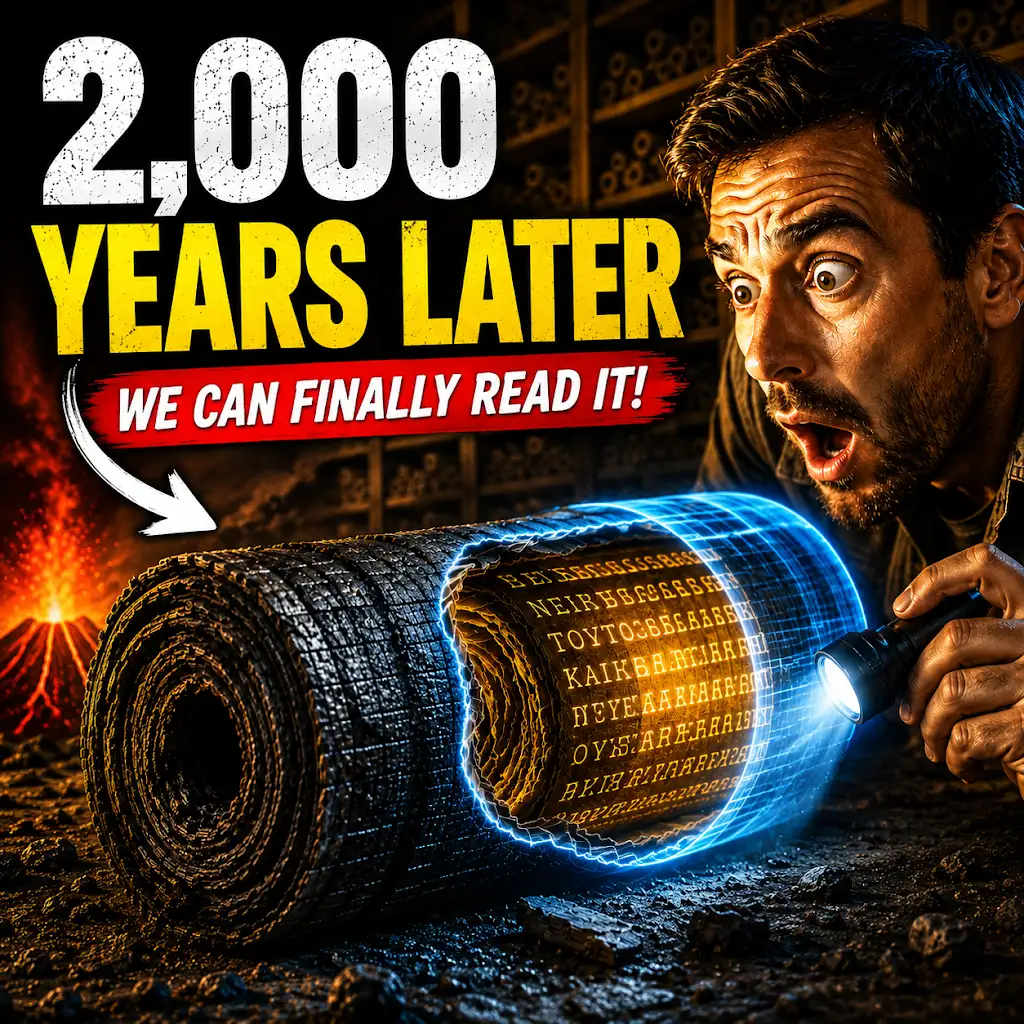
The gentle rustle of parchment, the tantalizing hint of ancient ink – these are the sensory experiences many associate with unrolling a scroll. For millennia, scholars and archivists have carefully, meticulously, and sometimes even painstakingly, unfurled these historical documents, each turn of the cylinder a journey through time. Yet, the advent of digital technology has introduced a new, less tangible method of exploration: virtual unwrapping. This process, though devoid of the tactile sensation, offers unparalleled access, preservation, and analytical capabilities, transforming how we interact with these delicate artifacts.
The very nature of ancient scrolls makes them inherently fragile. Exposure to light, humidity, temperature fluctuations, and even the oils from human hands can accelerate their decay. Traditional methods of handling and studying scrolls, while often done with the utmost care, still carry inherent risks. Virtual unwrapping, therefore, emerges not as a replacement for physical preservation, but as a crucial complement, offering a means to study and appreciate these artifacts without jeopardizing their physical integrity.
The Fragility of Time: Understanding Scroll Degradation
Scrolls, typically made from papyrus, parchment (animal skin), or paper, are susceptible to a myriad of degradation factors. Papyrus, being plant-based, can become brittle and crumble. Parchment, while more durable, can suffer from insect damage, foxing (small brown spots caused by mold), and delamination. Paper, especially older varieties, is prone to acidity, leading to yellowing, brittleness, and eventual disintegration.
Environmental Factors: The Unseen Enemies
- Humidity and Temperature: Fluctuations in humidity and temperature can cause materials to expand and contract, leading to stress and cracking. High humidity can also promote mold growth, a devastating agent of decay.
- Light Exposure: Ultraviolet (UV) radiation from natural and artificial light sources can fade inks, degrade pigments, and weaken the fibers of the material, making it more susceptible to damage.
- Pests and Microorganisms: Insects, rodents, and various fungi and bacteria can all feed on or damage scroll materials, causing irreparable harm.
Handling and Mechanical Stress: The Human Touch
Even the most skilled hands can inadvertently cause damage. The very act of rolling and unrolling a scroll, especially if it is brittle or has existing tears, can exacerbate existing weaknesses and create new ones. Improper storage, such as placing heavy objects on top of scrolls, can also lead to crushing and deformation.
Bridging the Gap: Democratizing Knowledge
Beyond preservation, virtual unwrapping fundamentally alters accessibility. For centuries, studying a rare or fragile scroll was often a privilege reserved for a select few scholars with the means and permission to travel to its location. This limited the dissemination of knowledge and hindered broader academic inquiry.
Remote Scholarship: Unlocking Global Research
Virtual unwrapping allows researchers from anywhere in the world to examine scroll content in high detail. This democratizes scholarship, enabling cross-institutional collaboration and fostering new interpretations and discoveries. A scholar in Tokyo can now pore over the same details of a scroll housed in Cairo as a researcher physically present in the archive.
Educational Outreach: Bringing History to Life
For educational purposes, virtual unwrapping is invaluable. Students can virtually explore ancient texts, gaining a visceral understanding of history that textbooks alone cannot provide. This fosters engagement and makes learning about the past more interactive and exciting. Imagine a classroom of schoolchildren virtually “unrolling” a scroll detailing ancient Roman life, seeing the illustrations and reading the text as if they were there.
The Technology Behind Virtual Unwrapping: From Pixels to Parchment
The process of virtually unwrapping a scroll is far more complex than simply scanning a document. It involves sophisticated imaging techniques, advanced software, and often, a deep understanding of the physical properties of the scroll itself. The goal is to capture not just the surface image, but also the three-dimensional form and underlying structure.
High-Resolution Imaging: Capturing Every Detail
The foundation of virtual unwrapping lies in capturing the highest possible quality images of the scroll. This often involves specialized imaging equipment that can overcome the limitations of traditional photography.
Multi-Spectral Imaging: Beyond the Visible
Multi-spectral imaging captures images across a range of electromagnetic spectrums, from the ultraviolet to the infrared. This can reveal details invisible to the naked eye, such as faded inks, underdrawings, or alterations made to the text over time. Different wavelengths of light can interact with materials in unique ways, highlighting subtle variations and hidden information.
- Infrared Reflectography: Particularly useful for revealing faded or erased ink, as many inks absorb infrared light differently than the surrounding material.
- Ultraviolet Fluorescence: Can highlight the presence of certain organic materials, such as binders or retouching, and reveal hidden damage like wormholes or stains that fluoresce.
Photogrammetry: Reconstructing the Form
Photogrammetry is a technique that uses multiple overlapping photographs to create a three-dimensional model of an object. For scrolls, this is crucial for capturing their curved surface, any deformations, or the thickness of the rolled material. By analyzing the parallax between different viewpoints, software can reconstruct the object’s geometry with remarkable accuracy.
3D Modeling and Reconstruction: The Virtual Unfolding
Once the raw imaging data is acquired, sophisticated software is employed to reconstruct the scroll’s form and “unroll” it virtually. This is where the true magic of virtual unwrapping happens.
From Rolled Cylinder to Flat Surface: The Algorithmic Challenge
The primary challenge is to accurately flatten a curved surface captured by imaging. Algorithms analyze the captured data, identifying the scroll’s curvature and the precise location of its edges. They then computationally “unfold” the scroll, creating a flat, two-dimensional representation of the text and images.
Surface Reconstruction Algorithms: Mapping the Curve
These algorithms work by identifying common points across multiple images and using this information to build a point cloud, which represents the scroll’s surface in three dimensions. This point cloud is then meshed to create a digital surface model.
Texture Mapping: Applying the Image Data
Once the 3D model is created, the high-resolution 2D images are “mapped” onto this surface. This process effectively transfers the visual information from the original photographs onto the digital model, allowing for a realistic representation of the scroll’s appearance.
Handling Imperfections: Dealing with Tears and Folds
Ancient scrolls are rarely perfectly preserved. They often have tears, creases, missing fragments, and uneven surfaces. Virtual unwrapping software must be able to account for these imperfections.
- Inpainting and Virtual Restoration: Advanced algorithms can be used to “inpaint” missing areas, using information from surrounding sections of the scroll or from other similar documents to create a plausible reconstruction of the lost content. This is a delicate process that requires careful consideration of historical context and should be clearly indicated as a reconstruction.
- Deformation Correction: If the scroll has suffered significant warping or creasing, software can attempt to correct these deformations to provide a more legible representation of the text.
The Virtual Unwrapping Workflow: A Step-by-Step Journey
The process of virtually unwrapping a scroll is a meticulous and collaborative effort involving imaging specialists, conservators, historians, and computer scientists. Each step is crucial for ensuring accuracy and usability.
1. Preparation and Assessment: Understanding the Artifact
Before any imaging begins, a thorough assessment of the scroll is essential. This involves understanding its material, its condition, and any known historical context.
Non-Invasive Examination: Documenting the Current State
Conservators will carefully examine the scroll visually, noting any existing damage, inscriptions, or unique features. This assessment guides the imaging strategy and helps identify areas that require special attention.
Material Analysis (if possible): Informed Imaging Choices
In some cases, limited non-invasive material analysis might be performed to understand the composition of the inks and the substrate. This can inform decisions about lighting and imaging techniques that will best reveal the desired information without causing further harm.
2. Imaging Acquisition: Capturing the Data
This is the core technical phase where high-quality images are captured using the specialized equipment discussed earlier.
Setting Up the Imaging Environment: Controlled Conditions
The imaging environment is carefully controlled to minimize light, dust, and other contaminants. Specialized lighting setups are used to illuminate the scroll evenly and to exploit the capabilities of multi-spectral imaging.
Executing the Imaging Protocols: Precision and Repetition
Imaging protocols are followed precisely, ensuring that overlapping coverage is achieved for photogrammetry and that consistent settings are used for different spectral bands. This often involves many hours of careful scanning or photography.
3. Data Processing and 3D Reconstruction: Building the Digital Twin
The raw image data is then processed using specialized software to create the virtual model of the scroll.
Image Stitching and Alignment: Creating a Seamless Whole
Individual images are stitched together to create a complete, seamless representation of the scroll’s surface. This involves complex algorithms that align overlapping sections of the imagery.
3D Model Generation: From Pixels to Geometry
Photogrammetry software is used to generate a three-dimensional mesh of the scroll based on the captured photographs. This model captures the scroll’s curvature and any significant surface irregularities.
4. Virtual Unwrapping and Visualization: Revealing the Content
This is the stage where the scroll is digitally “unrolled” and the content becomes accessible.
Applying the Unrolling Algorithm: The Digital Fold
The 3D model is then processed by algorithms designed to virtually flatten it. This computationally unfolds the scroll, transforming its curved surface into a flat plane.
Enhancing Legibility: Making the Text Readable
Various image enhancement techniques can be applied to improve the legibility of the text and any illustrations. This can include adjusting contrast, brightness, and color balance.
5. Annotation, Analysis, and Archiving: Making the Data Useful
Once the virtual scroll is unwrapped and visualized, it becomes a valuable resource for further study and preservation.
Digital Annotation Tools: Adding Context and Interpretation
Researchers can use digital annotation tools to mark up the text, add comments, highlight specific passages, or identify features. This collaborative annotation can enrich the understanding of the document.
Comparative Analysis: Uncovering Connections
Virtual unwrapping facilitates comparative analysis between different scrolls or between different versions of the same text. This can reveal textual variations, influence, and the evolution of ideas.
Long-Term Digital Archiving: Ensuring Future Access
The final digital datasets are meticulously archived using robust digital preservation strategies to ensure their long-term accessibility and integrity for future generations.
Applications of Virtual Unwrapping: Beyond the Scholar’s Desk
The impact of virtual unwrapping extends far beyond academic research, touching upon areas of cultural heritage, digital humanities, and even artistic expression.
Unlocking Lost Texts: Reconstructing Fragmented Histories
Many ancient scrolls exist only in fragments. Virtual unwrapping, combined with advanced digital reconstruction techniques, can help piece together these fragments, allowing scholars to read texts that were previously lost to time.
Digital Paleography: The Art of Reading Old Scripts
Virtual unwrapping provides an ideal platform for digital paleography, the study of ancient handwriting. Researchers can zoom in on individual characters, compare different scribal hands, and analyze the evolution of scripts over time.
Textual Criticism: Identifying Variations and Influences
The ability to easily compare different digital versions of a scroll allows for detailed textual criticism. Scholars can pinpoint variations in wording, spelling, or grammar, which can reveal the history of the text’s transmission and influence.
Digital Humanities: New Avenues for Research and Interpretation
The field of Digital Humanities has been revolutionized by technologies like virtual unwrapping. It provides novel ways to analyze, interpret, and present historical texts.
Data Mining and Computational Analysis: Discovering Patterns
The digital format of unwrapped scrolls allows for computational analysis and data mining. Researchers can extract information about word frequencies, thematic patterns, or linguistic structures that might be difficult to discern through manual study.
Interactive Digital Editions: Engaging with History
Virtual unwrapping is a key component in creating interactive digital editions of ancient texts. These editions can incorporate annotations, translations, historical context, and even multimedia elements, offering a rich and engaging way to experience historical documents.
Cultural Heritage and Public Engagement: Sharing the Past with the World
Virtual unwrapping plays a vital role in making cultural heritage accessible to a wider audience. It allows museums and archives to share their collections with the public in innovative and engaging ways.
Virtual Museum Exhibitions: Bringing Archives to Life
Museums can create virtual exhibitions featuring digitally unwrapped scrolls, allowing people from around the globe to explore these artifacts without the need for physical travel.
Educational Resources for All Ages: Inspiring Future Generations
This technology can be used to create engaging educational resources for schools and the general public. Students can virtually “handle” and “read” ancient documents, fostering a deeper appreciation for history and culture.
Challenges and Future Directions: The Evolving Landscape of Virtual Unwrapping
While the technology of virtual unwrapping has advanced significantly, there are still challenges to overcome and exciting avenues for future development.
Challenges in Accuracy and Interpretation: The Ghost in the Machine
Ensuring the absolute accuracy of virtual reconstructions remains a key challenge. While algorithms are sophisticated, they are still interpretations of the data.
The Subjectivity of “Unwrapping”: Reconstructing Intent
The process of virtually flattening a curved surface involves making assumptions. Different algorithms or choices in processing can lead to slightly different visual outcomes, and understanding the intent of the original scribe or scribe’s intent can be complex.
Distinguishing Artifact from Original: The Line Between Enhancement and Fabrication
It is crucial to maintain a clear distinction between what is an original feature of the scroll and what is a digital reconstruction or enhancement. Transparency about the process is paramount.
Advancements in AI and Machine Learning: Smarter Unwrapping
The integration of Artificial Intelligence (AI) and Machine Learning (ML) holds immense promise for further refining virtual unwrapping.
Automated Feature Detection: Identifying Text and Images
AI can be trained to automatically identify text, illustrations, and even specific types of damage on scrolls, streamlining the processing workflow.
Predictive Reconstruction: Filling in the Blanks with Intelligence
Machine learning models could potentially learn from vast datasets of historical documents to more intelligently predict and reconstruct missing sections of text or damaged areas.
Interoperability and Standardization: A Universal Language for Scrolls
As the field grows, there is a need for greater interoperability between different software platforms and for standardization in data formats and metadata.
Collaborative Platforms: Sharing and Building Upon Knowledge
Developing standardized platforms for sharing and collaborating on virtual unwrapping projects would accelerate research and prevent duplication of effort.
Open-Source Tools and Datasets: Fostering Innovation
The development of open-source software and publicly available datasets would democratize access to these powerful tools and encourage broader innovation in the field.
In conclusion, virtual unwrapping is not merely a technological gimmick; it is a profound evolution in how we interact with and understand our past. By harnessing the power of advanced imaging and computational analysis, we can now explore the wisdom, stories, and artistry contained within ancient scrolls in ways previously unimaginable. This digital unfolding preserves the fragile remnants of history, democratizes access to knowledge, and opens up new frontiers for research and education, ensuring that these invaluable artifacts can continue to speak to us across the centuries.