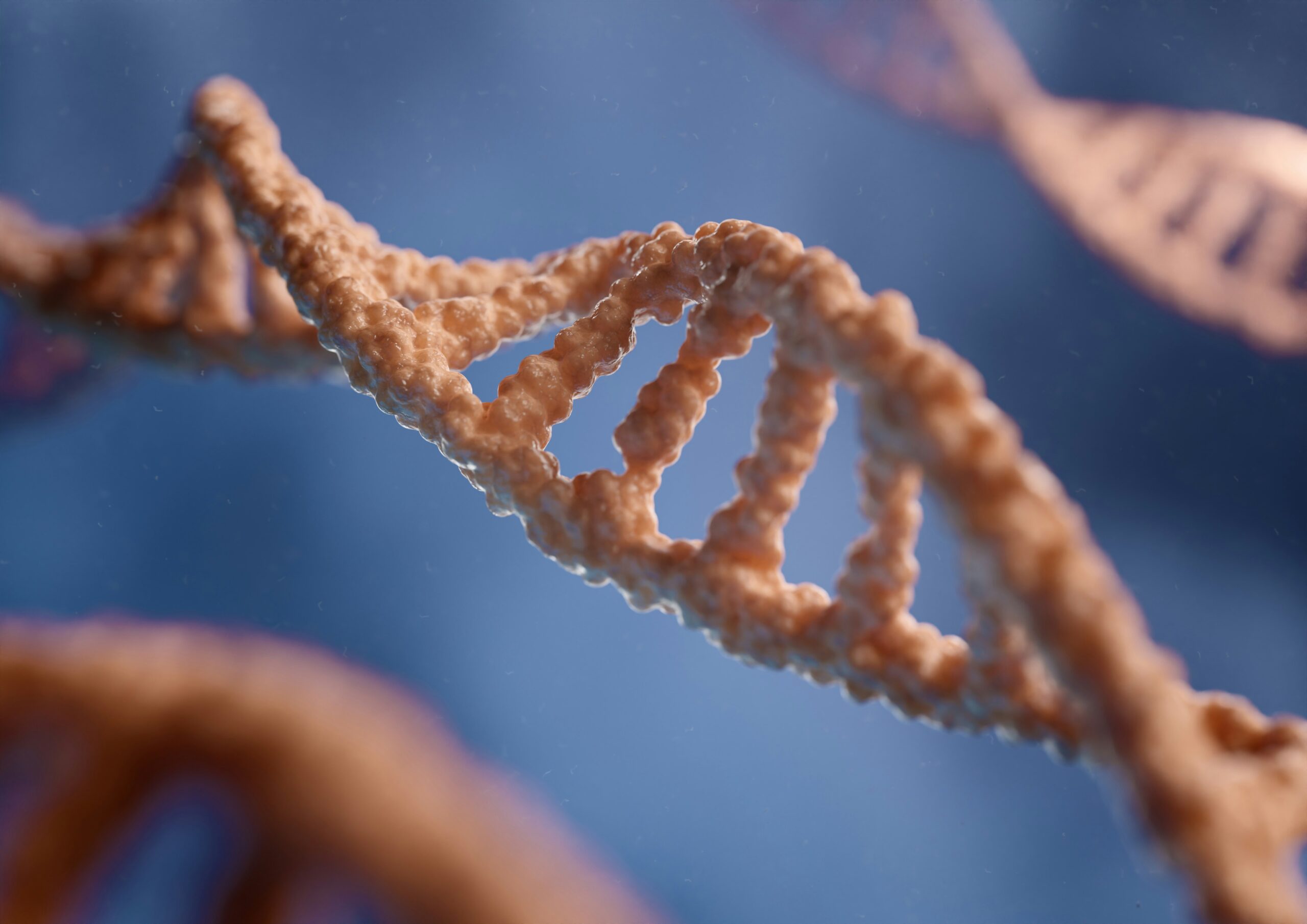
The whispers of our ancient relatives, the Neanderthals and Denisovans, have long echoed in the halls of scientific inquiry. For millennia, they were ghosts of our past, known only through fragmented fossil records and the lingering questions they posed about human evolution. Yet, in recent decades, a remarkable scientific revolution has begun to unlock their secrets, not through further excavation, but through the intricate language of their DNA. This journey into the genetic realm of these extinct hominins promises to reshape our understanding of human origins, migration, and even our own biological makeup.
The ability to extract and analyze ancient DNA (aDNA) has been nothing short of revolutionary. For years, the preservation of genetic material from specimens millions of years old seemed an insurmountable hurdle. DNA, a complex molecule, is notoriously fragile. It degrades over time due to environmental factors like heat, humidity, and microbial activity. Early attempts to sequence ancient genomes were plagued by contamination from modern DNA, rendering the results unreliable. However, a convergence of technological advancements has made the seemingly impossible a reality.
The Power of High-Throughput Sequencing
The development of next-generation sequencing (NGS) technologies, also known as high-throughput sequencing, has been a game-changer. Unlike older sequencing methods that could only read small fragments of DNA at a time, NGS can process millions of DNA fragments simultaneously. This dramatically increases the speed and efficiency of DNA sequencing, making it feasible to reconstruct even highly fragmented ancient genomes. This breakthrough was crucial for working with the degraded DNA typically found in fossilized remains.
Sophisticated Bioinformatics and Data Analysis
Even with vast amounts of genetic data, interpreting it requires sophisticated tools. Paleogenomics has benefited immensely from advancements in bioinformatics. Specialized algorithms and computational approaches are now employed to:
- Identify and filter out modern human contamination: This is a critical step in ensuring the authenticity of ancient DNA sequences.
- Reconstruct fragmented DNA: By piecing together overlapping reads, researchers can create longer stretches of DNA, eventually leading to the reconstruction of entire chromosomes.
- Compare ancient genomes with modern genomes: This allows for the identification of genetic differences and similarities, shedding light on evolutionary relationships and gene flow.
- Annotate genes and identify functional elements: This helps in understanding the biological roles of genes and how they might have influenced the traits of extinct hominins.
The Extraction of Ancient DNA: A Delicate Art
Extracting aDNA from fossilized remains is a meticulous process. Researchers work in highly controlled, sterile environments, often referred to as “clean rooms,” to minimize contamination.
Bone and Tooth Samples: Prime Sources of Ancient Genetic Material
Bones and teeth have proven to be particularly valuable sources of aDNA. The dense mineral matrix of these tissues offers a degree of protection to the DNA, slowing down its degradation.
Specific Sample Preparation Techniques
The process typically involves:
- Surface decontamination: The outer layers of the bone or tooth are carefully removed to eliminate any surface contamination.
- Pulverization: The cleaned sample is ground into a fine powder, increasing the surface area for DNA extraction.
- Chemical extraction: A series of chemical solutions are used to lyse the cells and release the DNA from the bone matrix.
- DNA purification: The extracted DNA is then purified to remove inhibitors and isolate the genetic material.
Recent studies on Neanderthal and Denisovan genetics have revealed fascinating insights into human evolution and migration patterns. These ancient hominins contributed to the genetic makeup of modern humans, particularly among populations outside Africa. For those interested in understanding the broader implications of genetic inheritance and its impact on contemporary society, an article discussing economic factors such as dollar devaluation, gold, real estate, and cryptocurrency can provide a unique perspective. You can read more about these topics in the article found here: Top Assets for Dollar Devaluation: Gold, Real Estate, and Cryptocurrency.
Neanderthal Genomics: Unveiling Our Closest Extinct Relatives
The Neanderthals, our closest known extinct hominin relatives, have long captivated the human imagination. Once viewed as brutish, unintelligent cave dwellers, the advent of paleogenomics has painted a far more nuanced and complex picture. The sequencing of the Neanderthal genome has provided an unprecedented window into their biology, behavior, and their interactions with our own species.
The Landmark Sequencing of the Neanderthal Genome
The groundbreaking achievement of sequencing the Neanderthal genome, spearheaded by Svante Pääbo and his team, marked a pivotal moment in our understanding of human evolution. This monumental effort, published in 2010, was the culmination of decades of research and technological development.
Challenges in Neanderthal DNA Extraction
Despite their relatively recent divergence from our lineage, Neanderthal DNA, like all aDNA, presents challenges.
Preservation Conditions and Fossil Ages
The quality and quantity of Neanderthal DNA recovered are heavily influenced by the preservation conditions of the fossil. Sites with colder, drier climates tend to yield better-preserved DNA. The age of the fossil also plays a role, with older specimens generally containing more degraded DNA.
Contamination Control Strategies
Rigorous contamination control is paramount. This involves:
- Using ancient bone material exclusively: Researchers must ensure they are not working with modern bone fragments or contaminants.
- Strict laboratory protocols: Maintaining sterile conditions and using specialized reagents are crucial.
- Bioinformatic filtering: Advanced computational methods are employed to identify and remove any sequences that match modern human DNA, assuming they are contaminants.
Insights from Neanderthal Genetic Variation
The sequenced Neanderthal genomes have revealed a wealth of information about their genetic makeup and how it compares to modern humans.
Differences in Gene Variants
Researchers have identified specific gene variants that differ between Neanderthals and modern humans. These differences can provide clues about phenotypic traits. For example, variations in genes related to:
- Skin and hair pigmentation: Some Neanderthal variants suggest they may have had lighter skin and hair than previously assumed.
- Immune system: Neanderthals possessed genetic adaptations to resist pathogens in their Eurasian environment, some of which have been passed down to modern humans.
- Metabolism and physiology: Variations in genes influencing metabolism and the regulation of certain physiological processes have been identified.
Population Structure and Diversity
The analysis of multiple Neanderthal genomes from different individuals and geographical locations has shed light on their population structure and diversity.
Interbreeding with Early Modern Humans
One of the most significant discoveries from Neanderthal genomics is the evidence of interbreeding between Neanderthals and early modern humans.
Detection of Neanderthal Ancestry in Modern Human Genomes
This interbreeding is not a historical footnote; its genetic legacy lives on within us. Non-African populations today carry approximately 1-4% Neanderthal DNA. This genetic contribution has been instrumental in shaping our immune systems and adapting to new environments.
Denisovan Genomics: The Enigmatic Sister Species

The Denisovans, another extinct hominin group, emerged into scientific consciousness even more recently and dramatically than the Neanderthals. Their existence was initially revealed not through a complete skeleton, but through a single finger bone found in the Denisova Cave in Siberia. The subsequent genetic analysis of this minuscule fragment opened up a whole new chapter in human evolutionary history, revealing a distinct hominin lineage that also interbred with modern humans.
The Unexpected Discovery of the Denisovans
The story of the Denisovans is a testament to the power of aDNA. The initial discovery was in 2008.
The Denisova Cave: A Treasure Trove of Ancient DNA
The Denisova Cave, located in the Altai Mountains of Siberia, has been a remarkable site for paleogenomic research. The cold and stable conditions of the cave have allowed for the exceptional preservation of ancient DNA.
Fragmentary Fossil Evidence and its Genetic Significance
While skeletal remains of Denisovans are scarce, the genetic information extracted from them has been immense. The initial discovery of a mitochondrial DNA sequence from a finger bone provided the first hint of a distinct hominin group.
Reconstructing the Denisovan Genome
The challenge of reconstructing a genome from fragmented DNA was amplified with the Denisovans, given the limited fossil material available.
Advanced Computational Reconstruction Techniques
Researchers employed sophisticated computational methods to piece together the Denisovan genome, relying on the analysis of overlapping DNA fragments.
Comparison with Neanderthal and Modern Human Genomes
Comparing the Denisovan genome with those of Neanderthals and modern humans has revealed their unique evolutionary trajectory.
Divergence Times and Evolutionary Relationships
Genetic analyses suggest that the Denisovans diverged from the lineage leading to Neanderthals and modern humans earlier than the Neanderthals themselves. This places them as a sister group to Neanderthals.
The Widespread Influence of Denisovan Ancestry
The impact of Denisovan ancestry is not confined to a single region but extends across diverse human populations globally, particularly in Asia and Oceania.
Admixture with Ancient Human Populations
Evidence suggests multiple instances of admixture between Denisovans and various ancient human populations.
Genetic Signatures in Indigenous Asian and Oceanian Populations
Modern indigenous populations in Asia and Oceania carry significant Denisovan DNA.
Adaptations to High Altitudes and Other Environmental Stresses
Remarkably, some of the Denisovan genetic contributions have been linked to adaptations that have been crucial for survival in challenging environments. For instance, a Denisovan gene variant is known to help Tibetans thrive at high altitudes, a feat that would have been impossible for early modern humans without this genetic boost.
Implications for Human Evolution and Diversity

The genetic insights gleaned from Neanderthals and Denisovans have profound implications for our understanding of human evolution. They challenge the long-held notion of a simple, linear progression of hominin species and instead paint a picture of a complex, interconnected evolutionary landscape.
Rethinking the “Out of Africa” Model
The discovery of interbreeding with archaic hominins has added a new layer of complexity to the “Out of Africa” model of human migration. While the majority of our ancestors originated in Africa, the subsequent migrations were not a simple replacement of existing hominins.
The Role of Introgression in Human Adaptation
Genetic introgression – the transfer of genes between species – has played a significant role in human adaptation. The DNA we inherited from Neanderthals and Denisovans provided our ancestors with advantageous traits, such as enhanced immune responses and adaptations to new environments. This suggests that interbreeding was not a failed evolutionary experiment but a successful strategy for survival and diversification.
The Concept of a “Mosaic” Human Genome
Our genomes are not purely African in origin. Instead, they are a mosaic, incorporating genetic material from multiple hominin lineages.
Understanding Human Phenotypic Variation
The genetic legacy of Neanderthals and Denisovans may contribute to the vast diversity of human phenotypes we observe today, from variations in disease susceptibility to physical traits.
Potential Contributions to Disease Susceptibility and Immunity
While some Neanderthal and Denisovan genes have provided benefits, others may also confer susceptibility to certain diseases. Understanding these genetic contributions can offer new insights into the origins and mechanisms of various health conditions.
Recent studies in Neanderthal and Denisovan genetics have shed light on the complex interactions between ancient human species and their environments. These investigations reveal how climate stress may have influenced migration patterns and genetic diversity among early human populations. For a deeper understanding of these dynamics, you can explore the article on ancient migration and climate stress, which discusses how environmental factors played a crucial role in shaping human history. To read more about this fascinating topic, visit this article.
Future Frontiers in Paleogenomics
“`html
| Metrics | Neanderthal Genetics | Denisovan Genetics |
|---|---|---|
| Genetic Similarity to Modern Humans | 1-2% | 0.2% |
| Geographical Distribution | Eurasia | Asia |
| Interbreeding with Modern Humans | Yes | Yes |
| Genetic Contributions to Modern Humans | Immune system, skin, and hair | Tibetan high-altitude adaptation |
“`
The field of paleogenomics is still in its nascent stages, and the potential for future discoveries is immense. As technology continues to advance and new ancient DNA samples are discovered, our understanding of our ancient relatives will only deepen.
Expanding the Search for Ancient Genomes
The current sampling of ancient hominin genomes is still limited. Future research will focus on expanding the geographical and temporal range of ancient DNA studies.
Exploring New Fossil Sites and Environments
The discovery of new fossil sites, particularly those in regions where early human migrations and interactions with archaic hominins are suspected, will be crucial. Exploring diverse environmental conditions, from the icy north to tropical regions, may reveal more about the genetic landscape of our ancestors.
The Potential of Ultra-Degraded DNA
Developing even more sophisticated techniques for extracting and sequencing ultra-degraded DNA from challenging environments will unlock genomes that were previously inaccessible.
Investigating Behavioral and Cognitive Differences
Beyond simply identifying genetic differences, future research will aim to understand the functional implications of these variations.
Linking Genetic Variation to Phenotype and Behavior
Scientists are increasingly focused on linking specific gene variants to observable traits and even inferring aspects of behavior. This will involve detailed functional studies of genes identified in Neanderthal and Denisovan genomes.
The Ethical Considerations of Paleogenomic Research
As our ability to reconstruct and interpret ancient genomes grows, so too do the ethical considerations surrounding this research.
Respecting Ancestral Heritage and Cultural Significance
Ensuring that research is conducted with respect for the ancestral heritage of indigenous populations and with a clear understanding of the cultural significance of these discoveries is paramount. This involves open communication and collaboration with relevant communities.
The journey to unlock the genetic secrets of Neanderthals and Denisovans is an ongoing and exhilarating adventure. Each new discovery pushes the boundaries of our knowledge and rewrites our own evolutionary story. The intricate tapestry of our genetic heritage, woven with threads from our ancient cousins, continues to reveal the complex and dynamic history of humankind. The whispers from our past are growing louder, and with every decoded nucleotide, we come closer to understanding who we are and how we came to be.
Scientists Found Two Unknown Human Ancestors Hiding in Your DNA
FAQs
What are Neanderthals and Denisovans?
Neanderthals and Denisovans are ancient human relatives that lived tens of thousands of years ago. They are known from fossil evidence and genetic studies.
What is the significance of Neanderthal and Denisovan genetics?
Studying Neanderthal and Denisovan genetics can provide insights into human evolution, migration patterns, and genetic diversity. It can also help researchers understand the genetic basis of certain traits and diseases in modern humans.
How are Neanderthal and Denisovan genetics studied?
Neanderthal and Denisovan genetics are studied through the analysis of ancient DNA extracted from fossil remains. Researchers compare this ancient DNA with the DNA of modern humans to identify genetic similarities and differences.
What have studies of Neanderthal and Denisovan genetics revealed?
Studies of Neanderthal and Denisovan genetics have revealed that modern humans outside of Africa have inherited a small percentage of their DNA from these ancient human relatives. This suggests that interbreeding occurred between modern humans and Neanderthals and Denisovans.
What are some ongoing areas of research in Neanderthal and Denisovan genetics?
Ongoing research in Neanderthal and Denisovan genetics includes investigating the specific genetic contributions of these ancient human relatives to modern human populations, as well as exploring the potential impact of Neanderthal and Denisovan DNA on modern human traits and diseases.