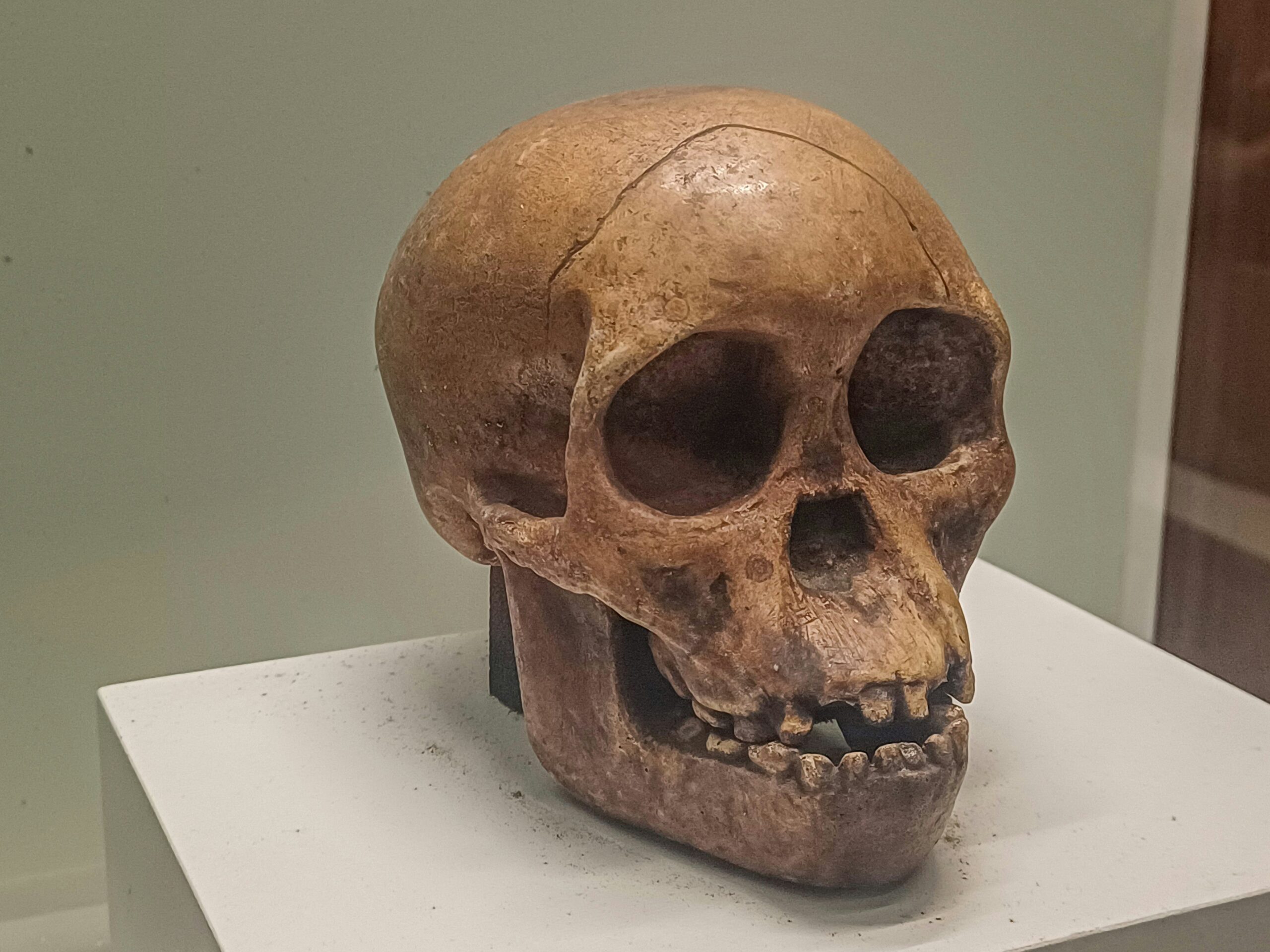
For millennia, the image of the Neanderthal has been one of a brutish, primitive hominin, a dead-end branch of our evolutionary tree. However, the narrative has dramatically shifted in recent decades, thanks to the revolutionary advancements in ancient DNA sequencing. It is now clear that Neanderthals were not simply vanquished cousins but were, in fact, intimately involved in the genetic makeup of modern humans. The faint, yet persistent, whisper of Neanderthal DNA within our own genomes is a profound testament to a shared past, a testament that continues to reveal fascinating insights into human evolution, adaptation, and even our susceptibility to certain diseases. This genetic legacy, far from being a relic of extinction, is a living, breathing component of who we are today.
The story of Neanderthal DNA in modern humans is a captivating tale of ancient encounters, interbreeding, and the subsequent integration of foreign genetic material into our own evolutionary lineage. It challenges long-held assumptions about human uniqueness and underscores the complex, often messy, nature of our journey out of Africa and across the globe. What was once considered a biological barrier has been dissolved by the persistent flow of genes, leaving an indelible mark on our species.
The Unveiling of a Hidden Heritage
The initial discovery and subsequent analysis of Neanderthal DNA have been nothing short of a scientific revolution. The ability to extract and sequence degraded ancient genetic material has opened a window into a past previously obscured by the passage of time.
The Dawn of Ancient DNA
The field of paleogenomics, the study of ancient DNA, truly exploded with the groundbreaking work on Neanderthal genomes. Before this, our understanding of Neanderthals was primarily based on fossil evidence – their distinctive skeletal features, stone tools, and archaeological sites. These provided a morphological and behavioral picture, but the genetic blueprint remained elusive. The development of sophisticated techniques capable of recovering fragmented DNA from bone and teeth, even after tens of thousands of years, was a monumental leap forward.
The Svante Pääbo Breakthrough
A pivotal figure in this scientific saga is Svante Pääbo. His relentless dedication and pioneering methods in extracting and analyzing ancient DNA culminated in the sequencing of the Neanderthal genome. This monumental achievement, published in 2010, provided the first comprehensive genetic portrait of our extinct relatives. It was during this process that the undeniable evidence of interbreeding between Neanderthals and the ancestors of modern humans emerged. The analysis revealed that non-African populations of modern humans carry approximately 1-4% Neanderthal DNA. This percentage, while seemingly small, represents a significant portion of our genetic heritage and has profound implications.
The Ancestral Encounter Zones
The revelation of Neanderthal DNA in modern humans immediately raised questions about when and where these ancestral encounters occurred. Genetic data suggests that interbreeding likely took place shortly after Homo sapiens migrated out of Africa, approximately 50,000 to 60,000 years ago. The primary zone for this genetic exchange is believed to have been in the Middle East or the Levant, where Neanderthal and early Homo sapiens populations likely overlapped. As modern humans continued their dispersal across Eurasia, they carried this inherited Neanderthal DNA with them, leading to its widespread presence in populations outside of Africa today. African populations, having evolved in Africa before the major outward migration and before the widespread interbreeding, generally lack this Neanderthal genetic contribution. However, recent research has hinted at potential, albeit much rarer, later gene flow into some African populations.
Recent studies have revealed fascinating insights into the presence of Neanderthal DNA in modern humans, highlighting the genetic legacy that our ancient relatives have left behind. For a deeper understanding of how this genetic inheritance has influenced various aspects of human biology and health, you can explore the article titled “The Over-Teaching Machine” available at this link. This article delves into the implications of our shared ancestry and the ongoing research that continues to uncover the complexities of human evolution.
The Intricacies of Neanderthal Gene Flow
The presence of Neanderthal DNA in our genome is not a random occurrence. Scientific investigations have revealed specific patterns and regions where these ancient genes have been retained and even selected for, suggesting they conferred some adaptive advantages.
The Non-Random Distribution of Neanderthal DNA
The percentage of Neanderthal DNA varies across different human populations and even across different genomic regions. This variation is not arbitrary. Scientists have observed that certain regions of the human genome are depleted of Neanderthal DNA, while others are enriched. This suggests that some Neanderthal genetic variants may have been detrimental in the environment faced by early modern humans, leading to their gradual removal through natural selection. Conversely, other Neanderthal genes may have provided benefits, leading to their persistence and even increase in frequency within the modern human gene pool.
Positive Selection and Adaptation
The enrichment of Neanderthal DNA in specific genomic regions points towards instances where these ancient genes provided a selective advantage. For example, Neanderthal genes related to skin pigmentation and hair are more common in modern humans. This is hypothesized to have aided in adaptation to new environments with different levels of UV radiation and temperatures as humans migrated out of Africa. Similarly, Neanderthal genes involved in the immune system have been identified, suggesting they may have provided early humans with resistance to novel pathogens encountered in their new territories. These inherited genes essentially represent pre-packaged adaptive solutions that Neanderthals had already developed over their long evolutionary history in Eurasia.
The Genomic Landscape of Inheritance
Researchers have meticulously mapped the Neanderthal genetic contributions across the human genome. They have identified specific “islands” of Neanderthal ancestry that are more prevalent in certain individuals and populations. These islands often correspond to genes involved in immune response, metabolism, and even neurological functions. The study of these enriched regions provides a unique lens through which to understand the selective pressures faced by our ancestors and the adaptive roles that Neanderthal genes may have played. Understanding this genomic landscape is crucial for deciphering the full impact of Neanderthal admixture.
Neanderthal Genetic Contributions to Modern Health and Disease
The inherited Neanderthal DNA is not just an evolutionary curiosity; it has tangible implications for the health and well-being of modern humans. While some genetic contributions may have been beneficial, others are now linked to increased susceptibility to certain diseases.
The Immune System’s Ancient Allies and Adversaries
One of the most extensively studied areas of Neanderthal genetic influence is the immune system. Many of the Neanderthal genes found in modern humans are involved in the recognition and defense against pathogens. These inherited genes may have provided a crucial evolutionary advantage when Homo sapiens encountered new infectious agents after leaving Africa. They represent an early form of immunological preparedness, allowing humans to mount a more robust defense. However, this ancient genetic legacy is not without its drawbacks. Some Neanderthal variants within our immune system genes are now associated with an increased risk of autoimmune diseases, where the immune system mistakenly attacks the body’s own tissues. This highlights the delicate balance and trade-offs inherent in evolutionary processes.
Skin, Hair, and Environmental Adaptation
The genes influencing skin and hair characteristics are another significant area of Neanderthal genetic contribution. The presence of Neanderthal variants in genes associated with keratin production, skin pigmentation, and hair texture is prevalent in populations outside of Africa. This is strongly linked to adaptation to different environments. For instance, lighter skin pigmentation, common in many Eurasian populations, may have evolved to facilitate vitamin D synthesis in regions with less sunlight. Neanderthal genes may have provided a ready-made genetic toolkit for coping with varying levels of UV radiation and temperature fluctuations encountered as humans spread across the globe.
Beyond Immunity and Adaptation: Other Health Influences
The impact of Neanderthal DNA extends beyond the immune system and physical adaptations. Research has revealed Neanderthal genetic influences on a wide range of traits and predispositions. These include:
- Metabolism: Some Neanderthal variants are associated with how our bodies process fats and sugars, potentially influencing susceptibility to metabolic disorders like type 2 diabetes.
- Neurological Functions: Intriguing studies suggest Neanderthal genes may play a role in brain development and function, with some variants linked to conditions like depression and addiction.
- Blood Clotting: Certain Neanderthal DNA segments are associated with altered blood clotting mechanisms, which can have implications for both beneficial and detrimental health outcomes.
- Reproductive Success: While the initial interbreeding was successful, some Neanderthal genetic variants may have had subtle effects on reproductive success in modern humans, with ongoing research exploring these complex interactions.
The ongoing exploration of these connections is continuously refining our understanding of how our ancient inheritance shapes our current health landscape.
The Evolutionary Arms Race and Neanderthal Resilience
The narrative of Neanderthal DNA in modern humans is not just about passive inheritance. It speaks to a dynamic evolutionary past, an “arms race” between pathogens and hosts, and the resilience of Neanderthal genetic material in the face of significant evolutionary pressures.
The Pathogen Pressure Hypothesis
One compelling theory explaining the retention of Neanderthal immune genes is the “pathogen pressure hypothesis.” As Homo sapiens migrated into new regions, they encountered novel pathogens to which they had little or no prior immunity. Neanderthals, having lived in Eurasia for hundreds of thousands of years, had already evolved a degree of resistance to some of these local microbes. By interbreeding with Neanderthals, early modern humans effectively “borrowed” these pre-existing immune defenses, gaining a crucial survival advantage. This rapid acquisition of adaptive immunity would have been far more efficient than waiting for de novo mutations to arise and spread within the Homo sapiens population.
The Trade-offs of Ancient Immunity
However, as noted earlier, this borrowed immunity was not without its costs. The Neanderthal immune genes that provided protection against ancient pathogens can, in the modern environment, contribute to overactive or misdirected immune responses. This is a common evolutionary phenomenon where genetic variants that were once advantageous can become disadvantageous under different environmental conditions or in the context of new pathogens. The susceptibility to certain autoimmune diseases and allergies in modern populations may be a direct consequence of this ancient genetic legacy.
The Persistence of Neanderthal Variants
The fact that Neanderthal genetic variants have persisted and, in some cases, become enriched in the modern human genome is a testament to their evolutionary significance. It suggests that the benefits they conferred, particularly in the realm of immunity and adaptation, outweighed any potential negative consequences for a considerable period of evolutionary history. This persistence highlights the power of natural selection in shaping our genetic makeup and the complex interplay between an organism and its environment. The survival of these Neanderthal alleles is a compelling argument for their functional importance.
Recent studies have revealed fascinating insights into the presence of Neanderthal DNA in modern humans, shedding light on our evolutionary history and the interbreeding that occurred between species. This genetic legacy has implications for understanding various aspects of human health and adaptation. For those interested in exploring how such ancient connections might influence contemporary issues, a related article discusses the broader implications of genetic diversity in the context of global challenges. You can read more about it in this insightful piece on disappearing countries.
The Future of Neanderthal Genomics and Human Evolution
The study of Neanderthal DNA in modern humans is a rapidly evolving field, with new discoveries constantly reshaping our understanding. The ongoing advancements in genomics promise to unlock even deeper insights into our shared past and its impact on our future.
Next-Generation Sequencing and Beyond
The technological advancements in DNA sequencing continue to push the boundaries of what is possible. Next-generation sequencing technologies allow for faster, more accurate, and more cost-effective analysis of ancient DNA. This means researchers can now study more Neanderthal individuals, from a wider range of geographical locations and time periods, providing a more comprehensive picture of their genetic diversity and interactions with Homo sapiens. Furthermore, techniques like whole-genome sequencing of modern humans, combined with sophisticated computational analysis, allow for the precise identification and functional characterization of Neanderthal introgressed segments.
Functional Genomics and Phenotypic Insights
The next frontier in this research lies in understanding the functional consequences of Neanderthal DNA in modern humans. Scientists are moving beyond simply identifying Neanderthal genetic segments to investigating how these genes actually operate within our cells and influence our traits and health. This involves studying gene expression, protein interactions, and the impact of Neanderthal variants on cellular processes. By linking specific Neanderthal alleles to observable phenotypes, researchers can gain a deeper understanding of their evolutionary roles and their impact on our current biology.
The Ongoing Evolutionary Story
The presence of Neanderthal DNA is not a static historical footnote; it is an ongoing evolutionary story. As human populations continue to adapt and face new environmental challenges, the influence of these ancient genes may continue to evolve. Furthermore, the study of Neanderthal genomics provides a crucial comparative framework for understanding the evolutionary trajectory of our own species. By understanding what makes us unique, we can also better understand the genetic adaptations that have shaped our resilience and adaptability. The insights gained from studying our Neanderthal cousins are invaluable in illuminating the complex and dynamic process of human evolution, a process that continues to unfold even today. The echoes of our ancient ancestors continue to resonate within our very being, a testament to the enduring legacy of a shared biological past.
Scientists Found Two Unknown Human Ancestors Hiding in Your DNA
FAQs

What is Neanderthal DNA?
Neanderthal DNA refers to the genetic material inherited by modern humans from Neanderthals, an extinct species of ancient humans who lived in Europe and Asia.
How did modern humans inherit Neanderthal DNA?
Modern humans inherited Neanderthal DNA through interbreeding with Neanderthals tens of thousands of years ago. This genetic mixing occurred when modern humans migrated out of Africa and encountered Neanderthals in Europe and Asia.
What percentage of Neanderthal DNA do modern humans have?
Studies have shown that modern humans outside of Africa have approximately 1-2% Neanderthal DNA in their genomes, while those of African descent have little to no Neanderthal DNA.
What impact does Neanderthal DNA have on modern humans?
Neanderthal DNA has been linked to various traits and characteristics in modern humans, including immune system function, skin and hair traits, and certain diseases. It is also believed to have played a role in adapting to new environments and climates.
Can Neanderthal DNA be found in all modern humans?
No, Neanderthal DNA is primarily found in modern humans of non-African descent. African populations have little to no Neanderthal DNA due to the fact that their ancestors did not interbreed with Neanderthals.