The story of human evolution is not a simple linear progression, but a complex tapestry woven with the interactions of various hominin groups. For millennia, our ancestors shared the planet with other ancient human relatives, and while many of these lineages eventually faded into extinction, their genetic legacy continues to resonate within us. Among the most enigmatic of these ancient populations are the Denisovans, a group known primarily through fragmented fossil remains and, crucially, through the remnants of their DNA found in the genomes of modern humans. The discovery and subsequent analysis of Denisovan DNA have revolutionized our understanding of prehistoric human migrations, adaptations, and interbreeding, revealing that the story of our ancestry is far richer and more intertwined than previously imagined.
The Enigmatic Denisovans: A Whisper from the Past
The existence of the Denisovans was a revelation that emerged not from a complete skeleton, but from a single, tiny finger bone and a few teeth. Found in Denisova Cave in the Altai Mountains of Siberia, these sparse fossils, initially dated to around 40,000 years ago, provided a tantalizing glimpse into an unknown hominin group. What truly set this discovery apart was the extraordinary preservation of DNA within these ancient remains. Advanced genetic sequencing techniques, applied to this minuscule sample, yielded a complete mitochondrial genome and a high-quality nuclear genome, allowing scientists to characterize this ancient population with unprecedented detail.
The Discovery of Denisova Cave and its Significance
Denisova Cave, a site of immense archaeological importance, has yielded a wealth of information about ancient hominin presence in Eurasia. Excavations, ongoing for decades, have uncovered tools, animal remains, and hominin fossils that span hundreds of thousands of years. The initial discovery of a small finger bone in 2008 was groundbreaking, but it was the subsequent genetic analysis that truly unveiled the significance of the hominin remains found within. This cave, therefore, stands as a pivotal location in our quest to understand human diversity and migration.
Genetic Revelation: Beyond Neandertals
Before the discovery of the Denisovans, the primary focus of ancient hominin genetics was on Neanderthals, our closest known extinct relatives. The sequencing of the Neanderthal genome had already revealed evidence of interbreeding with early modern humans. However, the Denisovan genome painted a picture of an even more complex ancestral landscape, suggesting at least two distinct interbreeding events with our ancestors after they migrated out of Africa. This broadened the scope of our genetic origins, indicating that our lineage had encountered and interbred with multiple archaic human groups.
The Denisovan Genome: A Window into Ancient Biology
The success in sequencing the Denisovan genome, despite the limited fossil material, was a testament to the power of paleogenetics. This ancient DNA, extracted from bone fragments, provided a wealth of information about the Denisovans’ genetic makeup, revealing unique genetic markers and allowing for comparisons with other hominin species, including Neanderthals and modern humans. The insights gained from this genome continue to inform our understanding of their biology, adaptations, and relationship to our own species.
Recent studies have revealed fascinating insights into how Denisovan DNA has influenced the genetic makeup of modern humans, particularly in populations from Asia and Oceania. These ancient hominins, closely related to Neanderthals, contributed to the genetic diversity we see today, impacting traits such as immune response and adaptation to high altitudes. For a deeper understanding of how human evolution intertwines with our exploration of the cosmos, you can read more in this article: Exploring the Final Frontier: Space Race vs. Space War.
Tracing the Intertwined Paths: Denisovan DNA in Modern Populations
The most profound implication of Denisovan discovery lies in the detection of their genetic signature within the genomes of present-day humans. This evidence unequivocally demonstrates that Denisovans and early Homo sapiens did not merely coexist but actively interbred, leaving a lasting genetic imprint on populations across the globe. The distribution and frequency of Denisovan DNA in different modern human groups offer crucial insights into the timing and routes of ancient human migrations and the adaptive advantages conferred by these archaic genetic contributions.
Geographic Distribution of Denisovan Ancestry
Surprisingly, Denisovan DNA is not found uniformly across all modern human populations. Instead, it is predominantly present in populations originating from East Asia and Oceania. This geographical correlation strongly suggests that the interbreeding events occurred in Asia, after Homo sapiens migrated out of Africa and encountered Denisovan populations already present in the region. The absence of significant Denisovan DNA in African populations further supports the idea that their genetic legacy was established through later migrations and encounters.
Specific Populations Bearing the Denisovan Mark
Papuan and Melanesian populations, indigenous to islands in the Pacific, exhibit some of the highest levels of Denisovan ancestry. This finding has been particularly impactful, suggesting a significant interaction between Denisovans and the early human settlers of these islands. Similarly, various East Asian populations, including those in mainland China and Southeast Asia, also carry discernible amounts of Denisovan DNA. The presence and varying frequencies of these genetic remnants in different ethnic groups provide a detailed map of ancient population movements and interactions.
The Mystery of the “Ghost Population”
While the fingerprint bone from Denisova Cave is the most direct evidence of Denisovan existence, the widespread presence of their DNA in modern humans suggests that there were likely other Denisovan groups, or a more widespread Denisovan population, that contributed to our gene pool. These other Denisovan groups may have left fewer fossil traces or resided in areas where preservation is less favorable, leading to their characterization as a “ghost population” – identified primarily through their genetic legacy.
Genetic Gifts: Adaptive Traits from Denisovan Ancestors
The integration of Denisovan DNA into the human genome was not merely a random genetic exchange; it appears to have provided tangible adaptive benefits to our ancestors. The identification of specific Denisovan genetic variants associated with traits like high-altitude adaptation and immune system function highlights the selective pressures faced by migrating human populations and the ingenious ways in which they incorporated advantageous genetic material from their archaic relatives.
High-Altitude Adaptation: The Gift of the Tibetan Plateau
One of the most striking examples of Denisovan genetic contribution is the variant of the EPAS1 gene found in Tibetan populations. This gene plays a crucial role in regulating red blood cell production and oxygen transport, making it vital for survival at high altitudes. Research has shown that the specific version of EPAS1 found in Tibetans, which allows them to thrive in oxygen-deprived environments, was inherited from Denisovans. This suggests that as early humans migrated into the Tibetan Plateau, they encountered Denisovans already adapted to this challenging environment and acquired this crucial genetic trait through interbreeding.
Immune System Modulation: A Shield Against Pathogens
Another area where Denisovan DNA appears to have influenced modern human biology is in the immune system. Studies have identified Denisovan genetic variants that are associated with enhanced immune responses and the ability to combat novel pathogens. As early humans ventured into new territories, they were exposed to different diseases and environmental challenges. Acquiring immune-related genes from Denisovans, who had likely evolved resistance to local pathogens over millennia, would have provided a significant survival advantage.
Other Potential Adaptive Contributions
Beyond high-altitude adaptation and immune function, researchers are continuously exploring other potential adaptive benefits conferred by Denisovan DNA. These may include variations in genes related to metabolism, skin pigmentation, or even neurological development. The ongoing analysis of ancient and modern genomes promises to reveal a more comprehensive picture of how Denisovan genetic contributions shaped our evolutionary trajectory and physical characteristics.
The Puzzle of Denisovan Identity: Unraveling their Origins and Diversity
Despite the genetic insights, the physical and behavioral identity of the Denisovans remains largely elusive. The scarcity of fossil evidence makes it challenging to reconstruct their physical appearance, social structures, and technological capabilities. However, ongoing discoveries and advancements in genetic analysis are slowly piecing together a more complete picture of this ancient hominin group, revealing their potential diversity and geographical spread.
Fossil Evidence Beyond Denisova Cave
While Denisova Cave is the most important site for Denisovan remains, there have been other potential discoveries that hint at their wider presence. For instance, a fossil jawbone found in Baishiya Cave on the Tibetan Plateau, dated to at least 160,000 years ago, has shown genetic similarities to the Denisovans from Siberia. This finding suggests that Denisovans occupied high-altitude regions long before modern humans arrived, further solidifying their role in the adaptive story of high-altitude populations.
Reconstructing Denisovan Morphology
Based on the limited fossil evidence, scientists have attempted to reconstruct what Denisovans might have looked like. The finger bone from Denisova Cave suggests they had large hands, and the jawbone from Tibet indicates large molars. Genetic analysis also hints at certain physical traits, such as potential differences in hair and skin color. However, without more complete skeletal remains, their exact morphology remains speculative.
Potential for Regional Variation within Denisovans
The discovery of genetically distinct Denisovan lineages, such as those found in Denisova Cave and the Tibetan Plateau, suggests that there may have been regional variation within the Denisovan population. This implies that Denisovans were not a monolithic group but likely comprised several distinct populations, each with its own unique evolutionary history and adaptations. This further complicates the task of defining a single “Denisovan” identity.
Recent studies have revealed fascinating insights into how Denisovan DNA has influenced modern humans, shedding light on our evolutionary history. A related article discusses the implications of these findings and explores the connections between ancient populations and contemporary genetics. For those interested in delving deeper into this topic, you can read more about it in the article Unearthed: Ancient Secrets Revealed in New Documentary, which provides a comprehensive overview of the latest discoveries in this field.
The Future of Denisovan Research: Unanswered Questions and New Frontiers
The study of Denisovan DNA is a rapidly evolving field, and many questions still remain unanswered. Future research will focus on identifying more Denisovan fossils, refining our understanding of their genetic interactions with modern humans, and exploring the full spectrum of their biological and adaptive contributions. The ongoing quest to uncover the secrets of the Denisovans continues to push the boundaries of our knowledge about our ancient past.
The Search for More Denisovan Fossils
The primary challenge in Denisovan research is the limited fossil record. Future archaeological expeditions and advanced fossil detection techniques will be crucial in uncovering more Denisovan remains. The discovery of more complete skeletons or a greater diversity of fossil sites would provide invaluable insights into their physical characteristics, social behavior, and geographical distribution.
Refining Genetic Interbreeding Models
With each new genomic dataset, researchers are refining their models of when and where Denisovan and modern human interbreeding occurred. Advanced computational tools and larger datasets will allow for more precise estimations of the timing and frequency of these genetic exchanges, providing a more detailed timeline of our ancestral encounters.
Exploring the Functional Significance of Denisovan Genes
A key area of future research will be to fully understand the functional significance of Denisovan genes in modern humans. While some adaptive traits have been identified, many other Denisovan genetic variants likely play subtle but important roles in our physiology and health. Investigating these functions will provide a deeper understanding of our evolutionary heritage and potentially offer insights into human disease.
In conclusion, the uncovering of Denisovan DNA in modern humans has been a transformative event in paleoanthropology. It has shattered the simplistic view of human evolution, revealing a complex narrative of migration, interaction, and genetic exchange. The Denisovans, once a shadowy enigma, are now recognized as significant contributors to our genetic makeup, leaving us with adaptive gifts that continue to shape our biology. As research continues, we can anticipate further revelations that will undoubtedly deepen our appreciation for the intricate and interconnected journey of humanity.
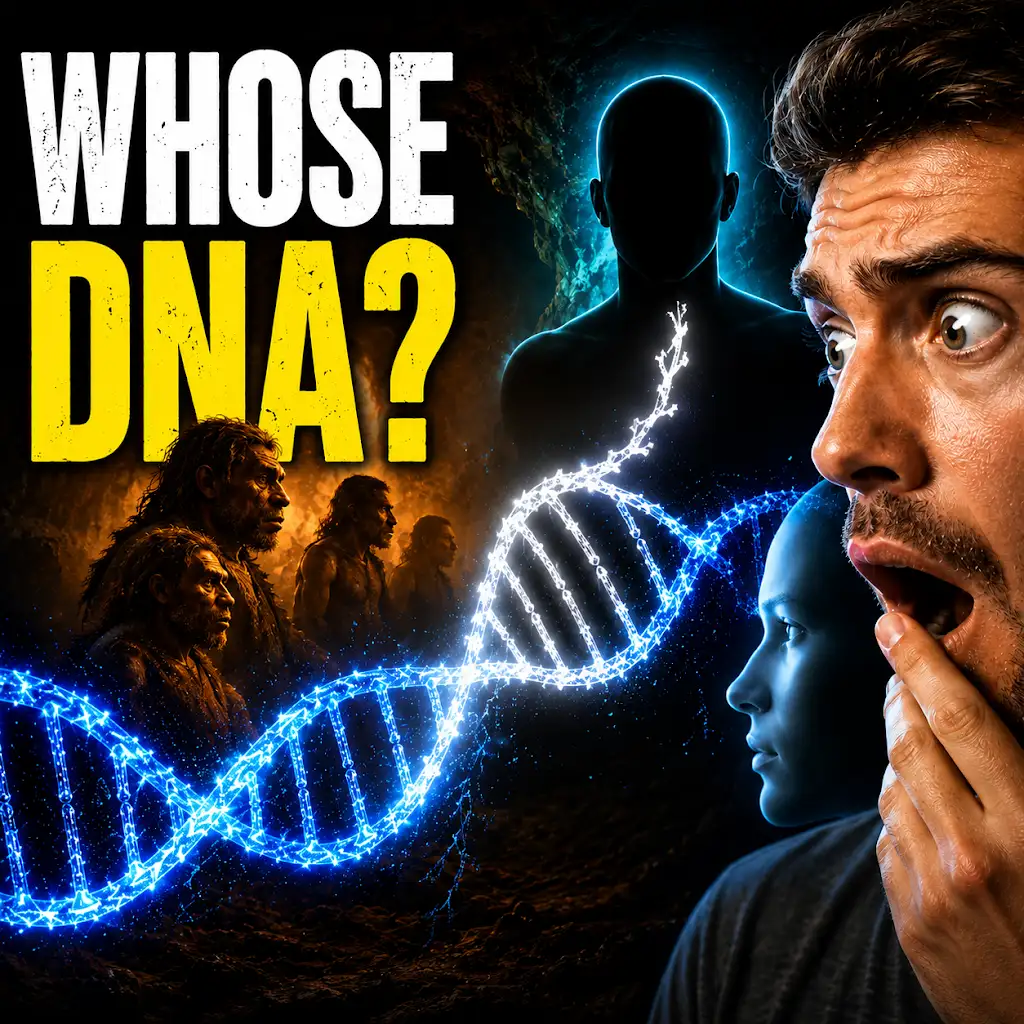
Scientists Found Two Unknown Human Ancestors Hiding in Your DNA
FAQs
What is Denisovan DNA?
Denisovan DNA refers to the genetic material that has been identified as originating from the Denisovans, an extinct group of ancient humans. This DNA has been found in modern human populations, indicating interbreeding between Denisovans and early humans.
How was Denisovan DNA discovered in modern humans?
Denisovan DNA was discovered in modern humans through genetic analysis of human populations around the world. Scientists have been able to identify specific genetic markers that are unique to Denisovans and have found evidence of these markers in the DNA of modern humans.
What are the implications of Denisovan DNA in modern humans?
The presence of Denisovan DNA in modern humans suggests that there was interbreeding between Denisovans and early humans at some point in history. This interbreeding has contributed to the genetic diversity of modern human populations and has had an impact on traits such as immune response and adaptation to different environments.
Where did Denisovans live?
Denisovans are believed to have lived in Asia, specifically in the region of Siberia where their remains were first discovered in the Denisova Cave. However, evidence of Denisovan DNA has been found in modern human populations across Asia and Oceania, indicating that they may have had a wider geographic range.
What can we learn from studying Denisovan DNA?
Studying Denisovan DNA can provide insights into human evolution, migration patterns, and the interactions between different human groups. It can also help researchers understand the genetic basis of certain traits and diseases, as well as the impact of interbreeding on human populations.