The echoes of our distant past are not lost to time; they are intricately woven into the very fabric of our modern being. For millennia, humanity has migrated, mingled, and adapted, leaving an indelible genetic legacy that stretches back to the dawn of our species. Uncovering this ancient ancestry is a journey of scientific discovery, a fascinating exploration into the origins and migrations of Homo sapiens that continues to redefine our understanding of who we are and where we come from. Through the relentless advancement of genetic technologies and the meticulous analysis of ancient DNA, researchers are piecing together a complex mosaic of human history, revealing surprising connections and illuminating the deep roots that bind us all.
The field of genetic archaeology, a powerful convergence of genetics and archaeology, has revolutionized our ability to delve into the past. Once reliant solely on the physical remnants of ancient civilizations – tools, pottery, skeletal remains – our understanding of human history is now augmented by the genetic blueprints left behind by our ancestors. This new frontier allows us to move beyond inferring behavior and lifestyle from artifacts to directly reading the biological story encoded within ancient DNA.
The Revolution of DNA Sequencing
The ability to extract and sequence DNA from ancient samples, even those degraded by time and environmental factors, represents a monumental leap. Early efforts were fraught with challenges, requiring large amounts of well-preserved material. However, breakthroughs in molecular biology, particularly in DNA extraction and amplification techniques, have made it possible to recover genetic information from fragments of bone, teeth, and even sediments. This has opened up vast repositories of untapped information, allowing scientists to reconstruct the genomes of individuals who lived tens of thousands, and even hundreds of thousands, of years ago. The cost and speed of DNA sequencing have also dramatically decreased, making large-scale ancient DNA studies feasible.
Ancient DNA: A Time Capsule of Our Past
Ancient DNA (aDNA) acts as a unique time capsule, preserving genetic information that reflects the biological makeup of past populations. Unlike modern DNA, which is constantly being mixed and reshaped by gene flow and selection, aDNA provides a snapshot of a specific moment in time. This allows researchers to identify genetic variations that were prevalent in ancestral populations, track the emergence and spread of specific traits, and understand population structure and migration patterns that are otherwise invisible to conventional archaeological methods. The careful collection and handling of aDNA are paramount to avoid contamination with modern DNA, a constant challenge in the field.
The Power of Computational Analysis
Extracting genetic sequences from ancient samples is only the first step. The true magic lies in the computational analysis of this data. Sophisticated algorithms and bioinformatic tools are employed to assemble fragmented DNA, identify mutations, and compare ancient genomes to modern ones. This allows for the reconstruction of phylogenetic trees, tracing the evolutionary relationships between different populations and species. Furthermore, researchers can use these genetic blueprints to infer phenotypic traits, such as skin color, hair color, and even certain predispositions to diseases, that were present in ancient individuals. The sheer volume of data generated by modern sequencing technologies necessitates powerful computational infrastructure and advanced statistical methods.
Recent studies have shed light on the fascinating connections between ancient ancestry and modern humans, revealing how our genetic makeup is influenced by the migrations and adaptations of our ancestors. For those interested in exploring the implications of these findings further, an intriguing article titled “The Militarization of the Moon’s South Pole” discusses the broader themes of exploration and human evolution. You can read it here: The Militarization of the Moon’s South Pole.
Tracing the Migratory Footprints of Humanity
The story of humanity is fundamentally a story of movement. From our origins in Africa, our ancestors embarked on epic journeys that led them to populate every corner of the globe. Ancient DNA has been instrumental in unraveling the complex tapestry of these migrations, revealing the routes taken, the timing of dispersals, and the interactions between different human groups.
The Out of Africa Expansion
The “Out of Africa” model, which posits that modern humans originated in Africa and then migrated out to colonize the rest of the world, has been strongly supported and refined by ancient DNA studies. By analyzing the genomes of ancient individuals from different continents, scientists have been able to pinpoint the timing and routes of these early dispersals. Evidence suggests multiple waves of migration, with distinct genetic signatures left behind in populations across Asia, Europe, and Oceania. This research has helped to clarify the genetic diversity observed in modern human populations and how it relates to these ancient movements.
The Peopling of Europe and Asia
The colonization of Europe and Asia involved fascinating demographic shifts. Ancient genomes from early European settlers reveal their gradual replacement and admixture with subsequent waves of migrants, such as the Yamnaya people from the Pontic-Caspian steppe. Similarly, the peopling of Asia is a complex narrative of intercontinental movements, with ancient DNA highlighting the genetic contributions of various ancestral groups to modern Asian populations. These studies often reveal unexpected interactions and gene flow between previously isolated groups, painting a more nuanced picture of human settlement.
The Mysteries of the Americas and Oceania
The colonization of the Americas and Oceania presented unique challenges and pathways. Ancient DNA has provided crucial insights into the timing and routes of migration into the Americas, largely supporting models involving early coastal dispersions. The peopling of Oceania, with its vast ocean expanses, is a testament to remarkable seafaring abilities. Ancient genomes from island populations have illuminated the intricate expansion of Austronesian-speaking peoples, revealing their voyages and the genetic legacy they left behind in diverse island communities.
Interactions and Admixture: The Blending of Ancestries

The human story is not just one of separate journeys but also of profound encounters and the resulting blending of genetic lineages. Ancient DNA has unveiled a surprising history of admixture, where different human groups interbred, leaving detectable traces in the genomes of their descendants. This has profoundly reshaped our understanding of human diversity and the very definition of what it means to be human.
Encounters with Neanderthals and Denisovans
Perhaps one of the most significant discoveries from ancient DNA research is the evidence of interbreeding between modern humans and archaic hominins, such as Neanderthals and Denisovans. For a long time, these were considered separate evolutionary branches. However, ancient genomes have shown that as Homo sapiens migrated out of Africa, they encountered and interbred with these archaic populations. As a result, most non-African populations today carry a small percentage of Neanderthal DNA, and some Asian populations also have Denisovan ancestry. These archaic genes, though often at low frequencies, have been found to influence various traits, including immune responses and susceptibility to certain diseases.
The Impact of Denisovan Legacy
The Denisovans, a hominin group known primarily from fossil fragments found in Siberia and Tibet, have proven to be a particularly intriguing enigma. Ancient DNA has revealed that Denisovans were widespread across Asia, and their genetic legacy is present in some modern populations, particularly in Southeast Asia and Oceania. Studies have identified specific Denisovan genetic variants that are associated with adaptation to high altitudes in Tibetans, and other variants that may have played a role in immune function. The ongoing discovery of Denisovan remains and genetic material continues to expand our understanding of this enigmatic ancient human relative.
Gene Flow and Population Replacement
Beyond admixture with archaic hominins, ancient DNA has also illuminated significant gene flow and even population replacement events among Homo sapiens themselves. For instance, the arrival of Yamnaya pastoralists from the Pontic-Caspian steppe in Europe around 5,000 years ago led to substantial genetic admixture with the existing European populations, fundamentally reshaping the genetic landscape of the continent. Similar scenarios of gene flow and replacement have been identified in the peopling of other regions, highlighting the dynamic nature of human settlement and interaction throughout history.
Unveiling the Genetic Basis of Adaptation

The journey of humanity across diverse environments has been marked by remarkable adaptations, both biological and cultural. Ancient DNA is now providing a window into the genetic underpinnings of these adaptations, revealing how our ancestors evolved to thrive in new climates, diets, and lifestyles.
Adapting to New Climates and Environments
As humans spread across the globe, they encountered a vast array of environmental challenges. Ancient genomes have revealed the genetic basis for adaptations to cold climates, such as the development of different fat metabolism and energy utilization. Similarly, genetic changes related to UV radiation exposure are evident in populations that settled in sunnier regions. These adaptations, often driven by natural selection, showcase the remarkable plasticity of the human genome.
The Evolution of Diet and Metabolism
The shift to new food sources and agricultural practices also left a significant genetic imprint. Ancient DNA studies have identified genetic variants associated with the digestion of milk (lactose tolerance) that arose independently in different populations with the advent of dairying. Similarly, adaptations related to the consumption of starchy foods and the detoxification of plant-based toxins have been uncovered, illustrating how our diets have shaped our genetic makeup over millennia.
Disease Resistance and Susceptibility
Our ancestors faced numerous pathogens, and the development of resistance or susceptibility to infectious diseases is a critical aspect of human evolution. Ancient genomes can reveal the presence of genes that conferred protection against ancient diseases, as well as those that may have made individuals vulnerable. Studying these genetic signatures in past populations can provide valuable insights into the co-evolution of humans and pathogens and inform our understanding of modern disease epidemiology.
Recent studies have shed light on the intricate connections between ancient ancestry and modern humans, revealing how our genetic makeup is influenced by historical migrations and interactions. For those interested in exploring the fascinating implications of ancient maps and their potential links to human history, a compelling article discusses the Piri Reis map and its controversies. You can read more about it in this insightful piece on unraveling the Piri Reis map controversy. This exploration not only highlights the significance of cartography in understanding our past but also raises questions about the knowledge and capabilities of ancient civilizations.
The Ongoing Revolution and Future Directions
| Study | Findings |
|---|---|
| Genetic Research | Indicates that modern humans have ancient ancestry from Neanderthals and Denisovans. |
| DNA Analysis | Shows that individuals of non-African descent have about 1-2% Neanderthal DNA in their genome. |
| Population Studies | Suggest that interbreeding between modern humans and ancient hominins occurred tens of thousands of years ago. |
The field of ancient DNA research is still in its relative infancy, and the discoveries are accelerating at an unprecedented pace. As technologies continue to improve and computational tools become more sophisticated, the insights we can glean from our ancient past will only deepen. The ongoing revolution promises to further refine our understanding of human origins, migrations, and the intricate genetic tapestry that connects us all.
Technological Advancements and Accessibility
The relentless march of technological innovation is making ancient DNA analysis more accessible and powerful. Nanopore sequencing, for example, offers the potential for rapid, portable sequencing, which could revolutionize fieldwork and allow for on-site analysis of ancient samples. Furthermore, advancements in laboratory techniques are enabling the extraction of DNA from an even wider range of challenging samples, including ancient sediments, which can contain shed DNA from hominin activity. The decreasing cost of sequencing is also enabling larger and more comprehensive studies, encompassing hundreds or even thousands of ancient genomes.
Expanding the Scope of Research
The future of ancient DNA research extends beyond simply reconstructing human genomes. Scientists are increasingly able to extract ancient proteins and even investigate the microbiome of past individuals. This will allow for a more holistic understanding of past life, including diet, health, and environmental interactions. Furthermore, the integration of ancient DNA data with archaeological, anthropological, and linguistic evidence is creating richer and more comprehensive narratives of human history, moving beyond purely genetic interpretations.
Ethical Considerations and Data Sharing
As the field progresses, ethical considerations surrounding the study of ancient human remains and the use of associated genetic data become increasingly important. Issues of consent, cultural heritage, and the potential for misinterpretation of genetic findings need careful attention. Open data sharing initiatives are crucial for fostering collaboration and accelerating discovery, but they must be balanced with responsible data stewardship and respect for the communities from which these ancient remains originate. The responsible application of this powerful science is paramount to ensuring that it benefits humanity as a whole.
In conclusion, the journey to uncover ancient ancestry in modern humans is a testament to human curiosity and scientific ingenuity. Each ancient genome sequenced, each genetic variant analyzed, adds another piece to the grand puzzle of our shared history. These discoveries not only illuminate the distant past but also profoundly impact our understanding of present-day human diversity, resilience, and interconnectedness. The echoes of our ancestors, once faint whispers, are now resonating clearly, reminding us of the deep, shared heritage that binds every living person on this planet.
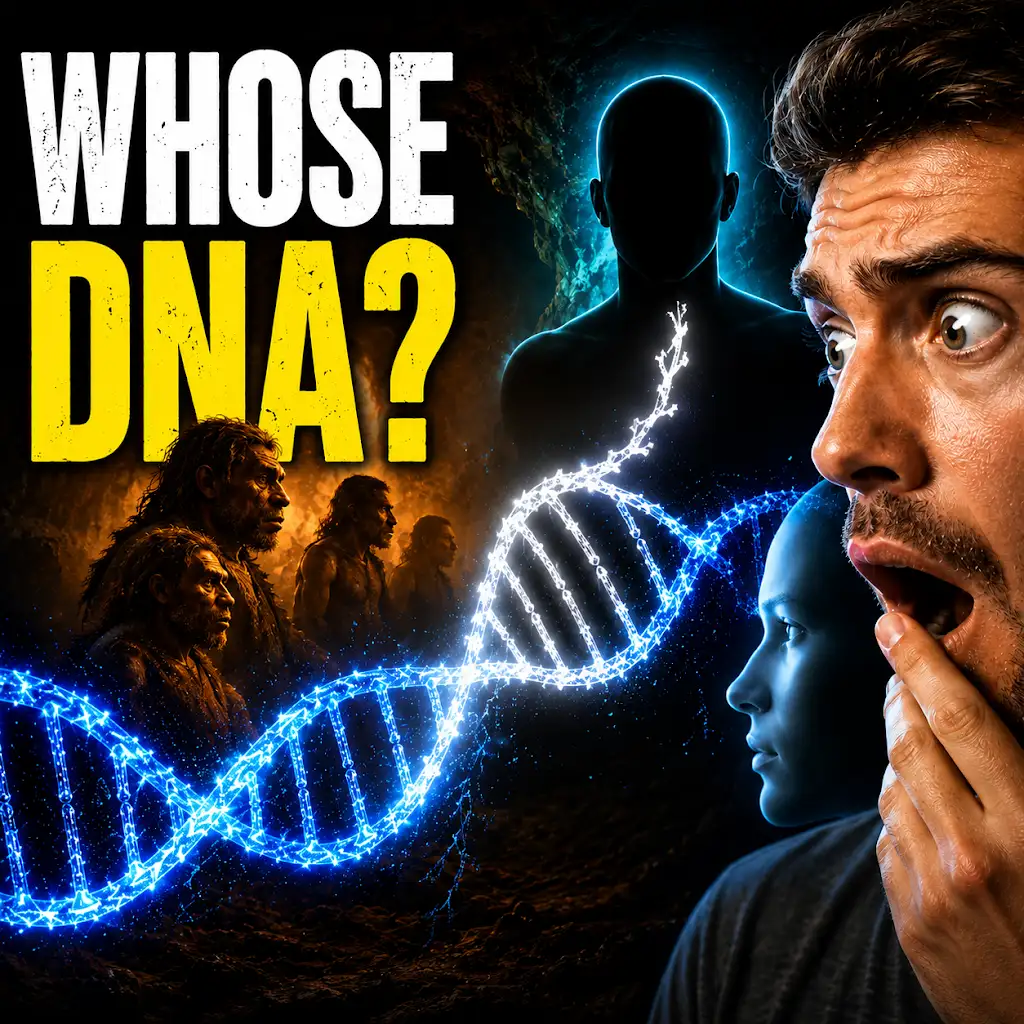
Scientists Found Two Unknown Human Ancestors Hiding in Your DNA
FAQs
What is ancient ancestry in modern humans?
Ancient ancestry in modern humans refers to the genetic heritage and lineage that can be traced back to our prehistoric ancestors, such as Neanderthals and Denisovans.
How do scientists study ancient ancestry in modern humans?
Scientists study ancient ancestry in modern humans by analyzing DNA samples from modern populations and comparing them to the DNA of ancient human remains, such as those of Neanderthals and Denisovans.
What have scientists discovered about ancient ancestry in modern humans?
Scientists have discovered that modern humans outside of Africa have a small percentage of Neanderthal DNA in their genetic makeup, indicating interbreeding between early modern humans and Neanderthals.
What impact does ancient ancestry have on modern humans?
Ancient ancestry in modern humans has contributed to genetic diversity and may have provided certain populations with advantageous traits for survival, such as adaptations to different environments and resistance to certain diseases.
How does ancient ancestry in modern humans contribute to our understanding of human evolution?
Studying ancient ancestry in modern humans provides valuable insights into the complex and interconnected nature of human evolution, as well as the ways in which different human species interacted and interbred throughout history.