The whispers of our ancient past are growing louder, not from the rustling of leaves or the cracking of bones, but from the intricate analysis of DNA. For years, scientists have been piecing together the human family tree, identifying Homo sapiens, Neanderthals, and then, like a spectral presence, the Denisovans emerged. These enigmatic hominins, known to us primarily through fragments of bone and teeth, have left an indelible, albeit ghostly, mark on our own genetic makeup. Uncovering Denisovan ghost ancestry is a journey into the very foundations of human diversity, a testament to the complex intermingling of our ancestors that shaped who we are today.
The story of Denisovan discovery is one born of serendipity and meticulous scientific endeavor. It began not with a complete skeleton, but with a single finger bone and a few teeth, unearthed in the Denisova Cave in the Altai Mountains of Siberia. The initial finds, dating back some 40,000 years, were intriguing but lacked immediate identification. It was the advent of ancient DNA analysis that would unlock their secrets, revealing a lineage distinct from both Homo sapiens and Neanderthals.
The Denisova Cave: A Crypt of Ancient Secrets
The Denisova Cave, a name now synonymous with this ancient hominin group, has proven to be a treasure trove for paleoanthropologists. Its layered deposits have preserved organic material with remarkable efficacy, offering glimpses into various epochs of human history. The initial discovery of a small bone fragment from the finger of a young female hominin, followed by the identification of three molars, provided the first tangible evidence of Denisovans.
Early Discoveries and the Dawn of Ancient DNA
The significance of these Siberian finds was not immediately apparent. However, the ability to extract and sequence ancient DNA from fossilized remains revolutionized our understanding of human evolution. Researchers, led by Svante Pääbo, were able to retrieve mitochondrial DNA from the finger bone. The initial analysis of this DNA revealed that it did not align with either modern humans or Neanderthals, suggesting the presence of a previously unknown hominin group.
The Three Molars: Further Confirmation of a Distinct Lineage
The subsequent discovery of three Denisovan molars further strengthened the case for a separate hominin species. These teeth, larger and more primitive in some aspects than those of Homo sapiens, also yielded ancient DNA that was consistently distinct from Neanderthals. The analysis confirmed that Denisovans represented a unique branch of the hominin evolutionary tree, one that diverged from the Neanderthal lineage significantly earlier.
Recent studies have shed light on the intriguing concept of Denisovan ghost ancestry, revealing how modern humans may carry traces of these ancient relatives in their DNA. This fascinating topic is explored in depth in the article “The End of Peaceful Space Exploration: A New Era Begins,” which discusses the implications of our genetic heritage and how it shapes our understanding of human evolution. For more insights, you can read the article here: The End of Peaceful Space Exploration: A New Era Begins.
Deciphering the Denisovan Genome: A Tapestry of Interbreeding
The sequencing of the Denisovan genome was a monumental achievement, providing an unprecedented window into their biology and their interactions with other hominin groups, particularly Homo sapiens. It revealed a complex narrative of admixture, where Denisovan DNA, though scarce in most modern human populations, is a crucial component in certain groups, particularly in East Asia and Oceania.
The Power of Paleogenomics: Unlocking Ancient Genetic Information
The field of paleogenomics, the study of ancient DNA from extinct organisms, has been the driving force behind our understanding of Denisovans. The technological advancements in DNA extraction and sequencing have allowed scientists to retrieve and analyze genetic material that was once considered irretrievable. This has opened up entirely new avenues of research into evolutionary history.
Challenges and Triumphs in Ancient DNA Extraction
Extracting ancient DNA is fraught with challenges. The DNA degrades over time, becoming fragmented and contaminated with microbial DNA. However, through meticulous laboratory techniques and sophisticated bioinformatics, researchers have managed to overcome these hurdles, piecing together remarkably complete genomes from even minute fossil fragments.
The Denisovan Genome: A Blueprint of a Lost World
The publication of the Denisovan genome was a landmark event. It provided a detailed genetic blueprint, allowing scientists to compare it directly with the genomes of modern humans and Neanderthals. This comparison highlighted key differences and similarities, revealing their evolutionary relationships and the extent of their interactions.
Tracing the Ancestral Threads: Denisovan Admixture in Modern Humans
Perhaps the most astonishing revelation from Denisovan genetic research is the evidence of their interbreeding with early Homo sapiens. While Denisovan fossils are exceedingly rare, their genetic legacy is found in the DNA of millions of people alive today. This admixture is not uniformly distributed, suggesting that these interactions occurred at specific times and locations.
The Denisovan “Ghost” in the Pacific Islander Genome
Populations in Oceania, including indigenous peoples of Melanesia and Australia, carry a significant proportion of Denisovan DNA, sometimes as high as 4-6%. This suggests that early Homo sapiens migrating into Southeast Asia and the Pacific encountered and interbred with Denisovans in these regions. The specific Denisovan ancestry found in these populations often differs from that found in mainland Asian populations, hinting at multiple encounters or distinct Denisovan groups.
East Asian Populations: A Subtle but Significant Legacy
East Asian populations also carry Denisovan ancestry, although generally at lower frequencies than in Oceania. This suggests that interbreeding also occurred as Homo sapiens migrated across mainland Asia. The specific Denisovan genetic variants found in these populations can provide clues about the geographical origins and specific Denisovan groups that interacted with their ancestors.
Beyond the Genome: Reconstructing Denisovan Life and Times
While DNA has been the primary key to unlocking Denisovan secrets, researchers are increasingly using archeological evidence and comparative anatomy to build a more complete picture of these ancient hominins. The sparse fossil record, coupled with the genetic data, allows for educated inferences about their physical characteristics, behavior, and ecological niche.
Physical Traits and Morphology: Clues from Teeth and Bones
The few Denisovan fossils that have been discovered offer tantalizing clues about their physical appearance. The large molars, for instance, suggest a robust jaw structure and a diet that likely included tough plant materials. Analysis of the cranial fragments, though limited, indicates they may have had some cranial features distinct from Neanderthals, but still broadly within the range of archaic hominins.
The “Super-Robust” Molars: Indicators of Diet and Robusticity
The exceptionally large size and unique cusp patterns of Denisovan molars have been a consistent feature across multiple discoveries. These characteristics have led scientists to hypothesize about a diet that was perhaps more reliant on tough vegetation than that of Neanderthals or early Homo sapiens, or simply a greater capacity for grinding and processing food.
Cranial and Post-Cranial Evidence: Piecing Together the Skeleton
Beyond the teeth, the finger bone and a few other fragmented skeletal elements provide limited but valuable information. The finger bone suggests a relatively robust build. While no complete skull or limb bones have been found, comparisons with related hominin groups and the genetic data allow for some educated estimations about their general skeletal structure.
Behavioral Inferences: Tools, Territories, and Social Structures
While direct evidence of Denisovan tools is scarce and often debated, the context of their discovery in Denisova Cave alongside evidence of tool use by Neanderthals and Homo sapiens suggests they were likely capable of creating and utilizing tools. Their geographic distribution, as inferred from genetic data, also provides clues about their territories and potential interactions with other hominin groups.
Coexistence and Competition: The Landscape of Ancient Eurasia
The presence of Denisovans, Neanderthals, and Homo sapiens in Eurasia during a significant period of overlap suggests a complex ecological landscape. They likely competed for resources and territory, and their interactions, as evidenced by genetic admixture, ranged from conflict to cooperation and, most significantly, interbreeding.
The Denisova Cave: A Window into Hominin Interactions
The stratigraphy of Denisova Cave, showing evidence of occupation by different hominin groups at different times, provides a unique snapshot of this dynamic period. While definitive proof of co-habitation at the exact same moment is difficult to establish, the proximity of their presence offers fertile ground for speculation about their relationships.
The Denisovan Legacy: Shaping Modern Human Diversity

The most profound impact of Denisovan ancestry lies in its contribution to the genetic diversity of modern human populations. While they are long extinct as a distinct species, their genetic material has been preserved within us, influencing our adaptations and resilience to various environments and pathogens.
Genetic Adaptations: Resilience and Survival
The Denisovan DNA that persists in modern human populations is not random. It often carries genes that have been beneficial for survival in specific environments. This suggests that interbreeding with Denisovans provided early Homo sapiens with genetic advantages that aided their successful migration and settlement across diverse landscapes.
Adaptation to High Altitudes: The Tibetan Paradox
One of the most striking examples of Denisovan genetic influence is found in Tibetan populations. They possess a specific variant of the EPAS1 gene, which helps them to efficiently absorb oxygen at high altitudes, a crucial adaptation for life on the Tibetan Plateau. This gene variant is derived from Denisovans, demonstrating how their ancient genes helped humans thrive in challenging environments.
Immunity and Disease Resistance: A Protective Shield
Research is also exploring the role of Denisovan DNA in human immune systems and resistance to diseases. Certain Denisovan genetic contributions might have provided early humans with enhanced immunity to pathogens prevalent in the regions where they encountered each other, contributing to the long-term survival and expansion of Homo sapiens.
The Spectrum of Human Variation: A Richer Ancestral Tapestry
The discovery of Denisovan ancestry has fundamentally altered our understanding of human evolution, moving away from a simple linear progression to a more complex, interconnected narrative. It highlights that human diversity is not solely a product of our own lineage but also of the genetic contributions from other hominin groups.
Beyond the “Out of Africa” Narrative: A Multi-Voiced Genesis
The evidence of Denisovan and Neanderthal admixture suggests that the story of Homo sapiens’ global expansion is not a singular “Out of Africa” event but rather a more intricate process involving multiple migrations and interactions with archaic hominins already present on different continents.
A Deeper Appreciation for Human Ancestry
Understanding Denisovan ghost ancestry fosters a deeper appreciation for the complexity and richness of our ancestral tapestry. It reminds us that we are not a monolithic entity but a mosaic, built from the contributions of various extinct human relatives. This knowledge enriches our understanding of human biology and our place in the grand evolutionary saga.
Recent studies have shed light on the intriguing concept of Denisovan ghost ancestry, revealing how modern humans may carry traces of this ancient lineage. For those interested in exploring the implications of genetic heritage and its impact on our understanding of human evolution, a related article discusses the complexities of ancestry and identity. You can read more about these themes in the article found here. This connection between our past and present highlights the fascinating interplay of genetics and history.
The Ongoing Quest: Unanswered Questions and Future Frontiers
| Metrics | Data |
|---|---|
| Percentage of Denisovan DNA in modern humans | Around 0.2% to 0.7% |
| Regions with high Denisovan ancestry | East Asia, Southeast Asia, Oceania |
| Genetic traits inherited from Denisovans | Immune system, high-altitude adaptation |
| Interbreeding with Denisovans | Occurred around 50,000 years ago |
Despite the remarkable progress in uncovering Denisovan ghost ancestry, many questions remain unanswered. The limited fossil record and the complexities of ancient DNA analysis mean that much about Denisovans is still shrouded in mystery. Future research promises to shed more light on these enigmatic hominins and their enduring legacy.
The Mystery of Their Extinction: When and Why Did They Disappear?
While we know that Denisovans coexisted with Homo sapiens and Neanderthals, the precise timeline and reasons for their extinction remain largely unknown. Were they outcompeted for resources, succumbed to diseases, or simply absorbed into the larger Homo sapiens population through interbreeding?
Environmental Pressures and Demographic Factors
Scientists are exploring how environmental changes, such as climate shifts and resource availability, might have impacted Denisovan populations. Demographic factors, including population size and genetic diversity, also likely played a role in their ultimate decline as a distinct species.
The Role of Competition and Interaction
The dynamics of competition and interaction with Neanderthals and Homo sapiens are crucial to understanding their disappearance. While interbreeding is evident, it’s also possible that conflict and resource scarcity contributed to their eventual extinction.
Identifying More Denisovan Sites and Remains: Expanding the Fossil Record
The scarcity of Denisovan fossils is a significant impediment to research. Future archeological expeditions, particularly in regions suggested by genetic data, hold the potential for discovering more Denisovan sites and remains. This would provide invaluable insights into their morphology, behavior, and distribution.
Exploring Southeast Asia and Oceania: Promising Avenues
Given the high frequency of Denisovan DNA in Oceania and the implications for their migration routes, Southeast Asia and the islands of the Pacific are prime targets for future archeological exploration. These regions may hold clues to previously undiscovered Denisovan populations and their interactions with early Homo sapiens.
Advanced Imaging and Analytical Techniques
The application of advanced imaging techniques, such as high-resolution CT scanning, and new analytical methods for studying degraded DNA will be crucial in extracting maximum information from any new fossil discoveries.
The Unraveling of Denisovan Sub-Lineages: A Diverse Ancestral Family
The current understanding of Denisovans is based on a limited number of individuals. Future genetic analysis of newly discovered remains may reveal distinct Denisovan sub-lineages, further complicating and enriching our understanding of their evolutionary history and the diversity within this ancient hominin group.
Genetic Signatures of Different Denisovan Groups
Just as Neanderthals likely had regional variations, it is plausible that Denisovans also exhibited genetic differences across their geographic range. Future research could identify these variations, revealing a more nuanced picture of Denisovan diversity.
Implications for Human Migration and Admixture Patterns
Identifying distinct Denisovan sub-lineages would significantly refine our understanding of human migration patterns and the complex admixture events that shaped our genetic heritage. It could reveal multiple waves of Denisovan interaction with Homo sapiens across different geographical areas and at different times.
The ghost of Denisovan ancestry continues to haunt our genetic landscape, not as a specter of fear, but as a profound reminder of the interconnectedness of life and the long, intricate journey that led to the emergence of Homo sapiens. Each discovery, each decoded gene, brings us closer to understanding the full spectrum of our ancient past, a past that is far more complex, diverse, and fascinating than we ever imagined. The ongoing quest to uncover Denisovan ghost ancestry is not just an archeological or genetic pursuit; it is a journey into the very essence of what it means to be human.
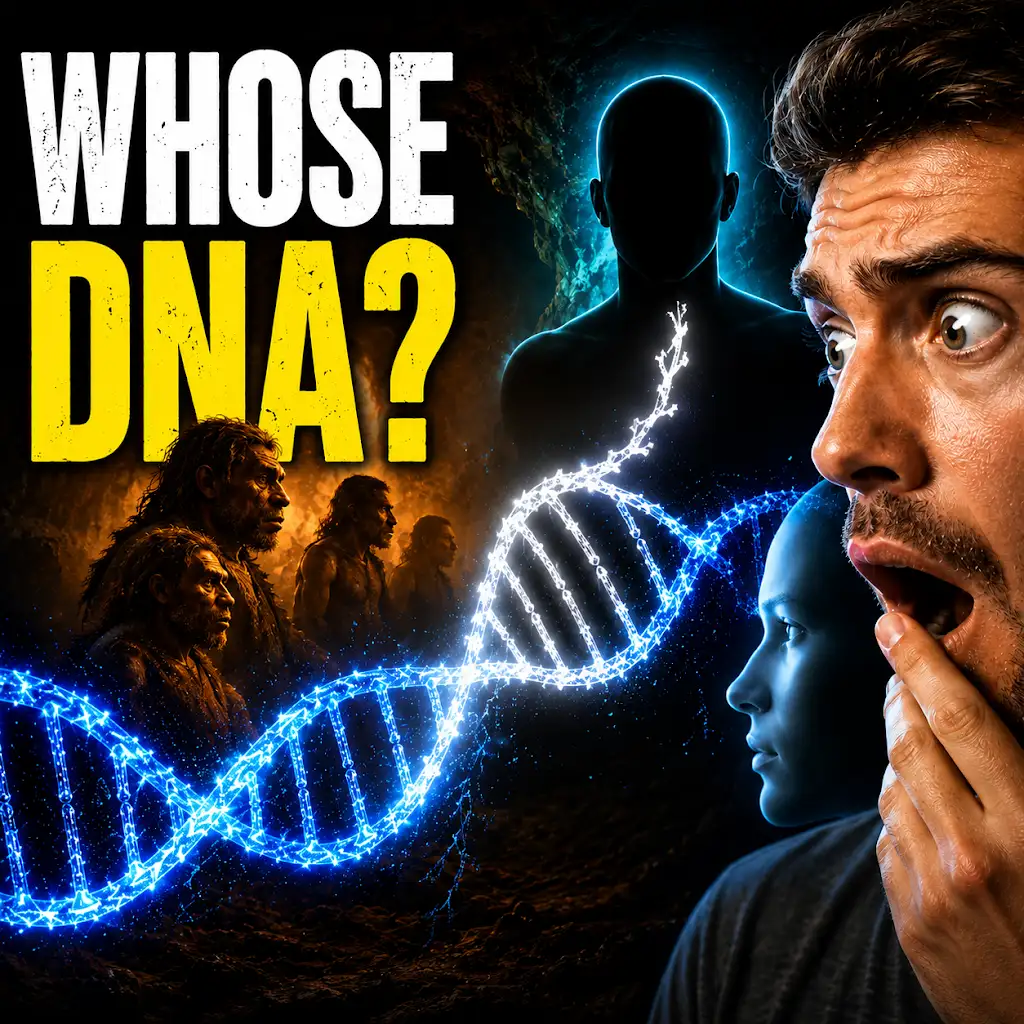
Scientists Found Two Unknown Human Ancestors Hiding in Your DNA
FAQs
What is Denisovan ghost ancestry?
Denisovan ghost ancestry refers to the genetic legacy of interbreeding between modern humans and Denisovans, an extinct group of hominins. This genetic legacy is present in the DNA of modern human populations, particularly in East Asia and Oceania.
Who were the Denisovans?
The Denisovans were a group of ancient hominins who lived in Asia tens of thousands of years ago. They are known from a few fragmentary fossils discovered in the Denisova Cave in Siberia, Russia. Genetic studies have shown that they interbred with modern humans and Neanderthals.
How do scientists study Denisovan ghost ancestry?
Scientists study Denisovan ghost ancestry by analyzing the DNA of modern human populations. By comparing the genetic sequences of different individuals, researchers can identify segments of DNA that are inherited from Denisovans. This allows them to estimate the extent of Denisovan ancestry in different populations.
What are the implications of Denisovan ghost ancestry?
The presence of Denisovan ghost ancestry in modern human populations has implications for our understanding of human evolution and migration. It also has implications for the genetic diversity and susceptibility to certain diseases in different populations.
What are some recent discoveries related to Denisovan ghost ancestry?
Recent discoveries related to Denisovan ghost ancestry include the identification of specific genetic variants inherited from Denisovans that are associated with immune function and high-altitude adaptation in modern human populations. Additionally, ongoing research continues to uncover new insights into the extent and impact of Denisovan ghost ancestry.