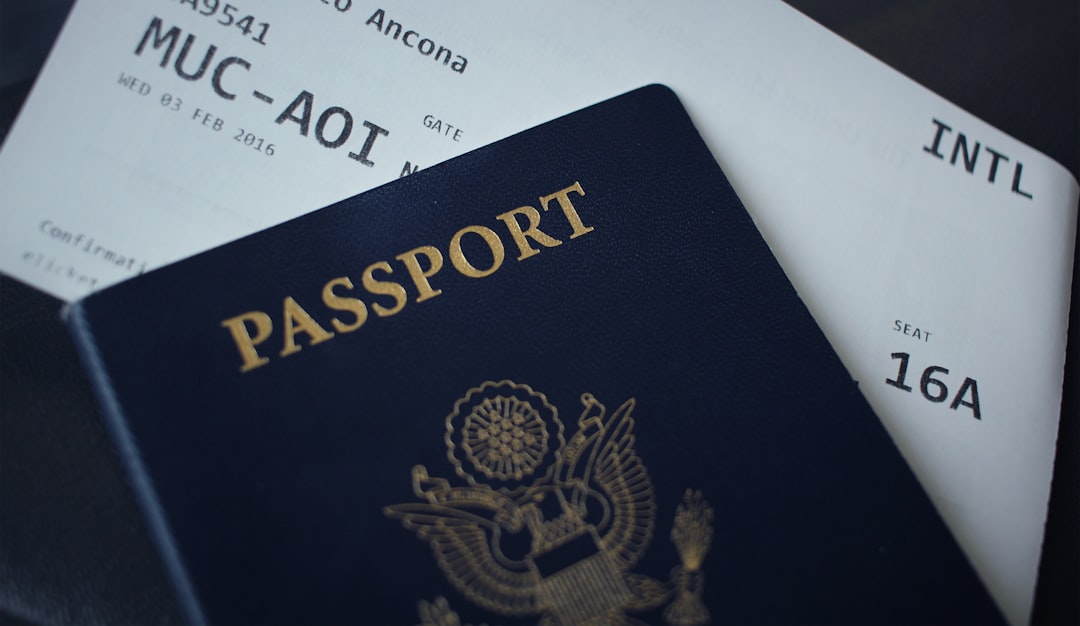
The H1B Visa is a non-immigrant visa that allows U.S. companies to employ foreign workers in specialty occupations. These occupations typically require theoretical or technical expertise in specialized fields such as IT, engineering, mathematics, and medicine.
The H1B Visa program was established to help American businesses fill gaps in their workforce when qualified U.S. workers are unavailable. It serves as a bridge for skilled professionals from around the world to contribute to the U.S.
economy while also providing them with an opportunity to gain valuable experience in a global market. The application process for the H1B Visa involves several steps, including sponsorship by an employer, submission of a Labor Condition Application (LCA) to the Department of Labor, and filing a petition with U.S. Citizenship and Immigration Services (USCIS).
The visa is typically granted for three years, with the possibility of extension up to a maximum of six years. This program has become a vital component of the U.S. labor market, allowing companies to tap into a diverse pool of talent and fostering innovation across various industries.
Key Takeaways
- The H1B visa allows U.S. employers to hire foreign skilled workers in specialty occupations.
- High demand for H1B visas leads to a lottery system due to limited annual caps.
- The program significantly supports American businesses by filling talent gaps but faces criticism over job displacement concerns.
- Foreign workers benefit from employment opportunities but often face visa uncertainties and restrictions.
- Ongoing debates and proposed reforms aim to balance economic needs, protect workers, and address outsourcing and pandemic-related challenges.
The demand for H1B Visas
The demand for H1B Visas has surged over the years, reflecting the growing need for specialized skills in the U.S. labor market. As technology continues to evolve and industries become increasingly complex, companies are often unable to find enough qualified American workers to meet their needs.
This gap has led many employers to seek talent from abroad, resulting in a high volume of applications for H1B Visas each year. The tech sector, in particular, has been a significant driver of this demand, as companies strive to remain competitive in an ever-changing landscape. Moreover, the demand for H1B Visas is not limited to just technology firms; it spans various sectors including healthcare, finance, and engineering.
As businesses expand their operations globally, they require skilled professionals who can navigate international markets and bring unique perspectives to their teams. This increasing reliance on foreign talent underscores the importance of the H1B Visa program in maintaining the United States’ position as a leader in innovation and economic growth.
The lottery system

Due to the overwhelming demand for H1B Visas, the U.S. government implemented a lottery system to manage the application process. Each fiscal year, there is a cap on the number of H1B Visas that can be issued, currently set at 65,000 for regular applicants and an additional 20,000 for those holding advanced degrees from U.
institutions. When the number of applications exceeds this cap, which has been the case for many years, USCIS conducts a random lottery to select which applications will be processed. This lottery system has introduced an element of uncertainty for both employers and prospective employees.
Many qualified candidates find themselves at the mercy of chance, despite their skills and experience aligning perfectly with job requirements. This randomness can lead to frustration among employers who may lose out on top talent simply because their applications were not selected in the lottery. As a result, some companies have begun exploring alternative visa options or even relocating their operations abroad to secure the talent they need.
The impact on American businesses
| Metric | Description | Impact on American Businesses | Example/Statistic |
|---|---|---|---|
| Employment Rate | Percentage of workforce employed in American businesses | Higher employment rates indicate business growth and economic stability | Unemployment rate dropped to 3.5% in 2023 |
| Revenue Growth | Year-over-year increase in business revenue | Reflects business expansion and market demand | Average revenue growth of 7% in small businesses in 2023 |
| Export Volume | Quantity of goods and services exported | Higher exports boost business profits and international presence | Exports increased by 5% in 2023 compared to previous year |
| Investment in Technology | Capital spent on technological upgrades and innovation | Improves efficiency and competitiveness of businesses | Tech investment rose by 12% in 2023 |
| Small Business Startups | Number of new small businesses launched annually | Indicator of entrepreneurial activity and economic vitality | Over 800,000 new startups in 2023 |
| Supply Chain Disruptions | Frequency and severity of supply chain interruptions | Can cause delays and increased costs for businesses | 30% of businesses reported moderate disruptions in 2023 |
The H1B Visa program has had a profound impact on American businesses, particularly in sectors that rely heavily on specialized skills. By allowing companies to hire foreign workers, the program helps fill critical gaps in the workforce that might otherwise hinder growth and innovation. Many businesses have reported that H1B employees bring unique skills and perspectives that enhance productivity and drive competitive advantage.
However, there are also challenges associated with the reliance on H1B workers. Some critics argue that the program can lead to wage suppression and job displacement for American workers. Employers may opt for foreign talent due to lower salary expectations or because they can offer more flexible work arrangements.
This dynamic has sparked debates about the ethical implications of hiring practices and whether they prioritize short-term gains over long-term workforce development.
The impact on foreign workers
For foreign workers, the H1B Visa represents an opportunity to advance their careers and gain valuable experience in one of the world’s largest economies. Many individuals view this visa as a pathway to permanent residency and eventual citizenship in the United States. The chance to work alongside industry leaders and contribute to groundbreaking projects is often seen as a significant advantage that can enhance their professional profiles.
However, life on an H1B Visa can also be fraught with challenges. Workers often face uncertainty regarding their immigration status, especially if their employment situation changes or if they are unable to secure an extension of their visa. Additionally, some may experience cultural adjustments and workplace dynamics that differ significantly from their home countries.
Despite these challenges, many foreign workers remain committed to making the most of their time in the U.S., contributing their skills and expertise while navigating the complexities of life as an expatriate.
The controversy surrounding the H1B Visa program
The H1B Visa program has been a focal point of controversy in recent years, with various stakeholders expressing differing opinions on its merits and drawbacks. Proponents argue that it is essential for maintaining America’s competitive edge in technology and innovation, while critics contend that it undermines job opportunities for American workers and contributes to wage stagnation in certain sectors. This debate has intensified as economic conditions fluctuate and public sentiment shifts regarding immigration policies.
One of the primary concerns raised by critics is that some companies may exploit the H1B program by hiring foreign workers at lower wages than their American counterparts. This practice can create an uneven playing field where businesses that prioritize cost-cutting over fair labor practices gain an advantage over those that invest in local talent development. As a result, calls for reform have grown louder, with many advocating for stricter regulations and oversight of the program to ensure it serves its intended purpose without compromising job opportunities for U.S.
citizens.
Proposed changes to the H1B Visa program
In response to ongoing debates about the H1B Visa program, various proposals for reform have emerged over time. Some lawmakers have suggested increasing the cap on available visas to better align with market demand, while others advocate for more stringent requirements for employers seeking to hire foreign workers. These proposed changes aim to strike a balance between meeting labor needs and protecting American jobs.
Additionally, there have been discussions about enhancing transparency within the application process and ensuring that employers demonstrate genuine efforts to recruit U.S. workers before turning to foreign talent. Such measures could help address concerns about wage suppression and job displacement while still allowing businesses access to skilled professionals from abroad.
As policymakers continue to grapple with these issues, it remains to be seen which reforms will ultimately be implemented and how they will shape the future of the H1B Visa program.
The role of outsourcing in the H1B Visa program
Outsourcing has become an integral part of many companies’ strategies for managing costs and accessing specialized skills. The H1B Visa program plays a significant role in this landscape by enabling firms to bring foreign talent into the U.S., often as part of broader outsourcing arrangements. Many companies rely on H1B workers not only to fill immediate vacancies but also to support projects that require specific expertise unavailable within their domestic workforce.
However, this reliance on outsourcing through H1B Visas has raised concerns about its impact on American jobs. Critics argue that some companies may use these visas as a means to replace domestic employees with cheaper foreign labor, leading to job losses and wage stagnation in certain sectors.
The impact of the COVID-19 pandemic on H1B Visas
The COVID-19 pandemic has had far-reaching effects on various aspects of life, including immigration policies and visa programs like the H1In response to public health concerns and economic uncertainty, many countries implemented travel restrictions and altered their immigration processes. For H1B Visa holders and applicants, this meant navigating a landscape marked by delays, uncertainty, and changing regulations. Many foreign workers faced challenges related to job security as companies reevaluated their staffing needs during the pandemic.
Some were forced to leave their positions or faced difficulties securing extensions on their visas due to shifting employer priorities or financial constraints. Additionally, travel restrictions made it challenging for new applicants to enter the country or for existing visa holders to return after international travel. As businesses adapt to post-pandemic realities, it remains crucial for policymakers to consider how these changes will affect future demand for H1B Visas.
The future of the H1B Visa program
Looking ahead, the future of the H1B Visa program remains uncertain as policymakers grapple with competing interests and evolving economic conditions. While there is widespread recognition of the importance of skilled foreign labor in driving innovation and growth, there are also pressing concerns about protecting American jobs and ensuring fair labor practices within the program. As discussions around immigration reform continue, it is likely that changes will be made to address these concerns while still allowing businesses access to global talent.
Whether through increased caps on available visas or enhanced protections for domestic workers, finding a balanced approach will be essential for shaping a sustainable future for the H1B Visa program.
Resources for navigating the H1B Visa process
For individuals seeking to navigate the complexities of the H1B Visa process, numerous resources are available to provide guidance and support. Government websites such as USCIS offer detailed information about eligibility requirements, application procedures, and frequently asked questions related to H1B Visas. Additionally, legal professionals specializing in immigration law can provide personalized assistance tailored to individual circumstances.
Various nonprofit organizations also offer resources aimed at helping foreign workers understand their rights and responsibilities under U.S. immigration law. These organizations often host workshops, webinars, and informational sessions designed to empower individuals with knowledge about navigating the visa process successfully.
By leveraging these resources, prospective applicants can better equip themselves for what can be a challenging journey toward securing an H1B Visa.
For those seeking to understand the complexities surrounding H1B visa issues, a related article can provide valuable insights. You can explore more about the challenges and solutions in the context of immigration policies by visiting this article on Real Lore and Order. This resource delves into various aspects of the H1B visa process, offering a comprehensive overview that can help clarify common problems faced by applicants.
WATCH THIS! Why The West Is Losing Its Best Minds
FAQs
What is the H1B visa?
The H1B visa is a non-immigrant visa that allows U.S. companies to employ foreign workers in specialty occupations requiring theoretical or technical expertise.
What are common problems faced by H1B visa applicants?
Common problems include visa lottery selection issues, delays in processing, strict eligibility requirements, and challenges in maintaining status due to employer changes or job loss.
How does the H1B visa lottery system work?
The H1B visa has an annual cap, and when applications exceed this limit, a random lottery is conducted to select petitions for processing.
Can H1B visa holders change employers?
Yes, H1B visa holders can change employers, but the new employer must file a new H1B petition and it must be approved before the employee can start working for them.
What happens if an H1B visa petition is denied?
If denied, the applicant may appeal, reapply, or explore other visa options. Denial can affect the applicant’s ability to stay or work in the U.S.
Are there restrictions on the duration of stay for H1B visa holders?
Yes, the H1B visa is typically granted for up to three years, with the possibility of extension up to six years, subject to certain conditions.
Can H1B visa holders apply for permanent residency?
Yes, many H1B visa holders apply for a green card through employment-based immigration categories while working in the U.S.
What are the challenges related to H1B visa processing times?
Processing times can be lengthy due to high demand, government backlogs, and additional requests for evidence, causing delays in employment start dates.
Is it possible to work part-time on an H1B visa?
Yes, part-time employment is allowed if the H1B petition specifies the reduced hours and the employer complies with all visa requirements.
What impact do changes in U.S. immigration policy have on H1B visas?
Policy changes can affect eligibility criteria, application procedures, and approval rates, leading to uncertainty and challenges for applicants and employers.