The US Army’s venture into nuclear power in the unforgiving landscape of Greenland stands as a remarkable chapter in the history of Cold War innovation and strategic foresight. Stationed in the heart of the Arctic, this facility, known by the project name Camp Century, was more than just a military outpost; it was a bold experiment in self-sufficiency, designed to harness the immense power of a nuclear reactor to sustain a remote and challenging environment. This article delves into the fascinating story of the US Army’s nuclear reactor in Greenland, exploring its genesis, its operational realities, its environmental implications, and its eventual, and somewhat surprising, demise.
The mid-20th century was an era defined by geopolitical tension, with the United States and the Soviet Union locked in a global struggle for influence. The Arctic, once considered an impenetrable barrier, became a new frontier for military strategy. The vastness of the region, its strategic proximity to both superpowers, and the potential for missile deployment made it a critical area of interest. The US Army, recognizing the logistical nightmares of maintaining a sustained presence in such an extreme environment, began to explore innovative solutions.
Strategic Imperatives in the High North
The looming threat of a nuclear exchange meant that the Arctic’s strategic importance could not be overstated. Early warning systems, missile launch sites, and bomber bases all necessitated a constant and reliable military presence. However, the logistical chain for powering such operations in Greenland was fraught with peril. Shipping fuel over treacherous Arctic waters was expensive, dangerous, and subject to the whims of weather and Soviet naval activity. This inherent vulnerability spurred the search for an alternative, self-contained power source.
The Development of Early Warning Systems
One of the primary drivers behind the establishment of a significant US military presence in Greenland was the development of early warning radar systems. The Distant Early Warning (DEW) Line, a network of radar stations stretching across the Arctic, was designed to detect incoming Soviet bomber and missile attacks. These stations required substantial power to operate continuously, making them prime candidates for the benefits of a compact and powerful nuclear reactor.
The Strategic Value of Greenland
Greenland, with its vast ice sheet and strategic location, offered a unique platform for military operations. Its sheer size meant that large areas could be utilized for bases and infrastructure without significant impact on populated regions. However, the extreme cold and the limited infrastructure presented formidable challenges to construction and maintenance, further emphasizing the need for an independent power solution.
The Birth of Project Iceworm
Amidst these strategic considerations, Project Iceworm was conceived. This ambitious undertaking aimed to establish a network of underground military facilities beneath the Greenland ice sheet. The primary purpose was to house and protect ballistic missile launch systems, making them less vulnerable to attack. However, the sheer scale of power required to operate such an underground complex, coupled with the need for heating and lighting in an environment where temperatures rarely rose above freezing, made a conventional power source impractical. This led directly to the consideration and eventual implementation of a nuclear reactor.
The Concept of an “Ice City”
The vision for Project Iceworm was not merely a collection of bunkers; it was an envisioned underground city, a self-sustaining military installation capable of operating independently for extended periods. This “ice city” would require substantial power for everything from life support systems to communications and research facilities. The idea was to carve out vast caverns within the ice sheet, creating a protected and climate-controlled environment.
The Nuclear Solution
The advent of portable nuclear reactors in the late 1950s offered a tantalizing solution. These reactors, capable of generating significant amounts of power from a relatively small footprint, seemed ideally suited for the remote and resource-scarce Arctic. The US Army, through its Engineer Corps, took the lead in exploring this possibility, laying the groundwork for what would become Camp Century and its groundbreaking, albeit controversial, nuclear heart.
The US Army’s nuclear reactor in Greenland has been a topic of interest due to its historical significance and the environmental implications of its operation. For those looking to explore more about the intersection of military history and environmental concerns, a related article can be found at this link: Unearthed: Ancient Secrets Revealed in New Documentary. This article delves into the broader context of military activities in remote locations and their lasting impact on the environment and local communities.
Camp Century: A City Beneath the Ice
Camp Century, officially established in 1959, was the physical manifestation of Project Iceworm’s ambitions. More than just a base, it was designed as a fully functional town carved into the Greenland ice sheet, approximately 150 miles inland from the northwest coast. The facility was designed to be a hub for research, operations, and missile deployment, and at its core, it was powered by a state-of-the-art nuclear reactor.
The Construction of an Underground Metropolis
The construction of Camp Century was an engineering marvel. Thousands of engineers and laborers worked in brutal conditions to excavate a vast network of tunnels and chambers within the ice. These tunnels were lined with prefabricated modules, creating habitable spaces for personnel, as well as specialized facilities for research, recreation, and, most importantly, the power plant.
Excavating the Ice Tunnels
The process of excavating the ice was a complex and ongoing challenge. Specialized plows and melting equipment were used to carve out tunnels, which were then stabilized. The inherent instability of ice, however, meant that constant maintenance and adjustments were required to prevent collapse. This dynamic environment presented unique engineering hurdles that had to be overcome to ensure the structural integrity of the base.
Prefabricated Modules for Habitation and Operation
To expedite construction and create a comfortable living and working environment, prefabricated modules were brought to the site and assembled within the ice tunnels. These modules housed living quarters, mess halls, medical facilities, workshops, and research laboratories. The goal was to create a self-contained ecosystem, minimizing the need for external resupply.
The Atomic Heart: The PM-2A Reactor
The centerpiece of Camp Century’s power generation was the Portable Medium-Power Reactor No. 2A, or PM-2A. This was a pressurized water reactor, designed and built by Alco Products, Inc., and was transported to Greenland in sections and assembled on-site. Its purpose was to provide the massive amounts of electricity and heat needed to sustain the underground base.
Technical Specifications and Capabilities
The PM-2A reactor was designed to produce approximately 10 megawatts of thermal power and 2 megawatts of electrical power. This was more than enough to meet the demands of the base, providing electricity for lighting, heating, ventilation, and all the operational needs of the personnel. The reactor operated by heating water under pressure, which then drove a turbine to generate electricity.
Safety Features and Redundancy
Given the location and the nature of nuclear power, considerable emphasis was placed on safety. The reactor was housed in a specially constructed chamber designed to contain any potential radiation leaks. Multiple redundant safety systems were implemented, and a dedicated team of highly trained personnel oversaw its operation. The remote location also meant that any incidents would have a limited impact on civilian populations, though the environmental consequences were a growing concern.
Life in the Arctic Fortress: Daily Operations and Scientific Endeavors
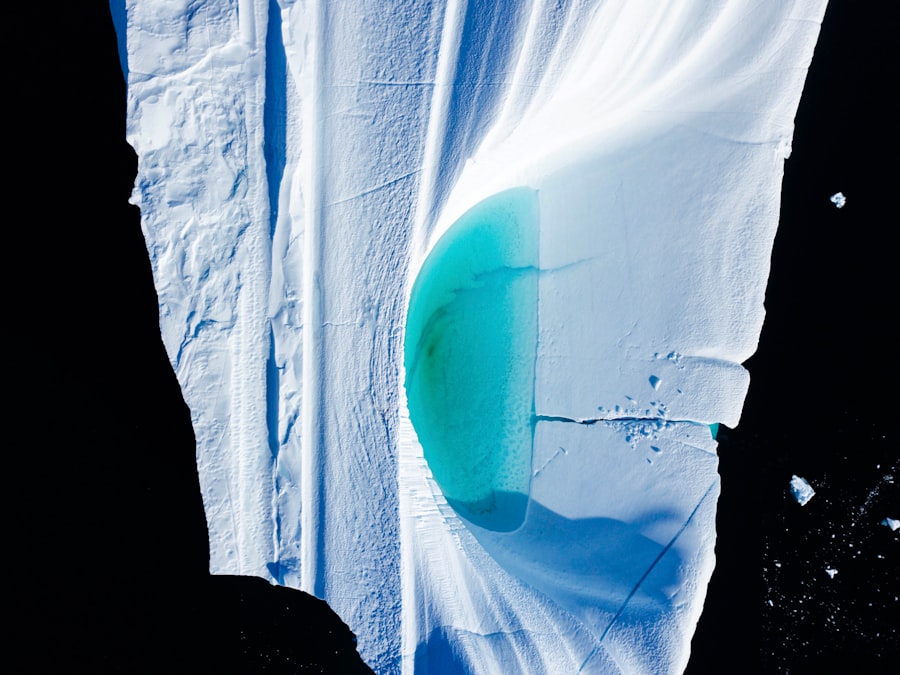
Life at Camp Century was unlike any other military assignment. Personnel lived and worked in an environment that was both technologically advanced and profoundly isolated. The constant hum of the reactor was a reminder of the powerful, albeit unseen, energy source that sustained their existence. Beyond military operations, Camp Century also served as a vital center for Arctic research.
The Challenges of Arctic Living
The extreme cold, the perpetual darkness of winter, and the isolation presented unique psychological and physiological challenges for the personnel stationed at Camp Century. Despite the relative comfort of the underground modules, the awareness of being buried beneath tons of ice, miles from civilization, was a constant factor.
Maintaining Morale in Isolation
The US Army implemented various strategies to maintain morale among the troops. Recreational facilities, including a cinema, a gym, and even a barber shop, were provided. Regular communication with the outside world, though limited by the technology of the time, was also crucial. The shared experience of living in such an extraordinary environment fostered a strong sense of camaraderie.
The Impact of the Environment on Operations
The ever-shifting nature of the ice sheet was a persistent challenge. Tunnels could buckle, and corridors could become compressed, requiring constant monitoring and repair. The constant battle against the environment was an integral part of daily life, and the success of Camp Century was a testament to the ingenuity and resilience of its inhabitants.
Scientific Exploration and Discovery
Camp Century was not solely a military installation; it was also a hub for scientific research. The unique access to the Greenland ice sheet provided unparalleled opportunities for glaciology, meteorology, and other Arctic-focused studies. The power provided by the nuclear reactor was crucial for operating sophisticated research equipment and maintaining environmental control within laboratories.
Glaciological Research
Scientists at Camp Century conducted groundbreaking research on the Greenland ice sheet. They drilled ice cores, analyzed ice composition, and studied ice flow dynamics. These studies provided invaluable insights into past climate conditions and helped researchers understand the potential impacts of climate change on the Arctic and the rest of the world.
Meteorological Studies and Atmospheric Research
The base also served as a platform for meteorological research. The harsh Arctic atmosphere offered a unique laboratory for studying weather patterns, atmospheric composition, and the effects of solar radiation. The data collected at Camp Century contributed significantly to our understanding of global weather systems.
Subsurface Exploration and Geophysics
The location beneath the ice sheet also allowed for unique geophysical studies. Researchers explored the underlying bedrock and studied seismic activity. The knowledge gained from these subsurface investigations contributed to a broader understanding of the Earth’s crust in polar regions.
The Shadow of Nuclear Power: Environmental Concerns and Decommissioning
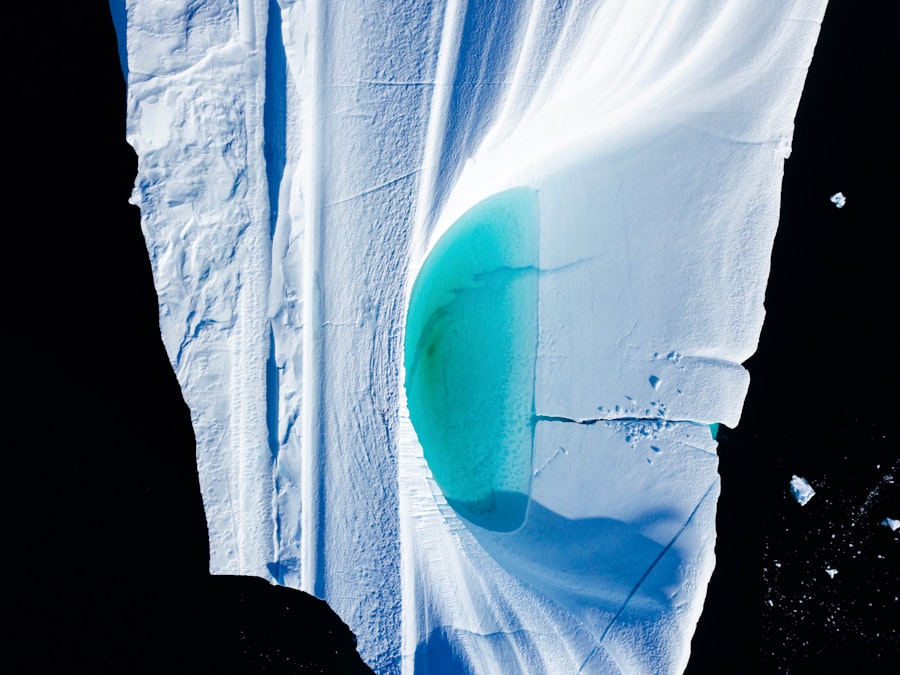
While the PM-2A reactor at Camp Century was a technological triumph in terms of providing power in an extreme environment, it also cast a long shadow of environmental concern. The long-term implications of storing radioactive materials in a melting ice sheet were a growing apprehension, particularly as the geopolitical climate began to shift.
The Growing Concerns About Ice Melt
As the Cold War thawed, so too did the focus on Camp Century. The initial assumption was that the ice sheet would remain stable for centuries, providing a secure, long-term repository. However, as climate science advanced and concerns about global warming intensified, the long-term stability of the ice sheet became a significant worry. The prospect of the reactor and its associated radioactive waste eventually being exposed and potentially released into the environment was a daunting one.
The Environmental Risks of Radioactive Waste
The primary concern revolved around the spent nuclear fuel and other radioactive materials stored at the site. While the reactor itself was designed to be contained, the gradual melting of the ice could, over time, compromise these containment structures, leading to the potential release of radioactive contaminants into the Arctic ecosystem. This posed a significant risk to the fragile environment and any potential future inhabitants.
The Perceived Instability of the Ice Sheet
As scientific understanding of the Arctic climate evolved, so too did the perception of the ice sheet’s stability. Projections regarding the pace of ice melt due to global warming raised alarms about the long-term security of a nuclear installation buried within it. The idea of a “nuclear time bomb” ticking away beneath the melting ice became a prominent concern.
The Decision to Decommission and Abandon
By the late 1960s, the strategic imperative for Camp Century had diminished. The DEW Line was being modernized, and the threat of a direct Soviet attack on North America had lessened. Furthermore, the growing environmental concerns surrounding the nuclear reactor made its continued operation and long-term storage increasingly untenable. In 1966, the US Army officially decommissioned the PM-2A reactor.
The Challenges of Decommissioning in the Arctic
Decommissioning a nuclear reactor in such a remote and harsh environment presented immense logistical and technical challenges. Removing all radioactive components and ensuring their safe disposal was a monumental task. The process was complex and costly, and the complete removal of all hazardous materials proved to be an insurmountable obstacle at the time.
The Unfulfilled Promise of Site Remediation
The official decommissioning was followed by an intention to fully remediate the site. However, the scale of the operation, the logistical difficulties, and the cost proved to be prohibitive. The decision was made to entomb the reactor and its associated radioactive waste beneath the ice, with the hope that it would remain frozen and contained for centuries. The intention was to leave the site as it was, frozen in time.
The Legacy of Abandonment
The abandonment of the nuclear reactor and its waste at Camp Century left a lingering environmental legacy. While the ice sheet acted as a natural containment for a period, the ongoing process of climate change means that this containment is not indefinite. The site remains a potent symbol of the unintended consequences of ambitious Cold War projects and the enduring environmental challenges posed by nuclear technology.
The history of the US Army nuclear reactor in Greenland is a fascinating topic that intertwines military strategy and environmental concerns. As we explore the implications of such operations, it is essential to consider the broader context of climate change and its effects on our planet. For instance, rising sea levels and extreme weather patterns are increasingly relevant, as highlighted in a related article that delves into the understanding of climate change impacts. You can read more about this pressing issue in the article available here.
The Enduring Legacy: Lessons Learned and Future Implications
| Metrics | Data |
|---|---|
| Location | Greenland |
| Operator | US Army |
| Type | Nuclear Reactor |
| Capacity | Not available |
| Status | Operational |
The story of the US Army’s nuclear reactor in Greenland is a multifaceted narrative, encompassing technological innovation, strategic ambition, scientific discovery, and environmental foresight. The lessons learned from Camp Century continue to resonate in discussions about the future of Arctic development, nuclear power, and the long-term management of hazardous waste.
A Testament to Engineering Prowess and Strategic Vision
Despite its eventual abandonment, Camp Century stands as a remarkable testament to human ingenuity and engineering prowess. The ability to construct and operate a complex facility in one of the world’s most challenging environments, powered by a cutting-edge nuclear reactor, was an extraordinary feat. It showcased the ambition of the United States during the Cold War to project power and maintain a presence in critical strategic locations.
The Evolution of Portable Nuclear Reactors
The PM-2A reactor at Camp Century was a pioneering example of the development of portable nuclear reactors. While many of these early designs had their limitations, they laid the groundwork for future developments in nuclear propulsion and power generation for remote applications, from naval vessels to space exploration.
The Arctic as a Frontier for Innovation and Caution
Camp Century serves as a stark reminder that the Arctic is a frontier of both immense opportunity and significant risk. The drive for strategic advantage and resource exploitation must be balanced with a profound respect for the fragility of the Arctic environment and the long-term consequences of human intervention.
The Complexities of Nuclear Waste Management
The decision to entomb the nuclear waste at Camp Century highlights the enduring challenges of nuclear waste management. The long half-lives of radioactive materials mean that they pose a hazard for thousands of years, requiring secure and stable disposal solutions. The experience at Camp Century underscores the need for robust, long-term plans for managing nuclear waste, rather than relying on temporary containment.
The Ongoing Monitoring and Concerns
Even decades after its decommissioning, Camp Century remains a subject of interest and concern for environmental scientists and policymakers. Ongoing monitoring of the site is crucial to assess any potential environmental changes and to prepare for future remediation efforts. The possibility of future melt and subsequent release of contaminants remains a genuine concern.
Towards Sustainable Arctic Development
The legacy of Camp Century also informs the ongoing debate about sustainable development in the Arctic. As the region becomes more accessible due to climate change, the lessons learned from this ambitious, yet ultimately flawed, project are invaluable. They emphasize the need for careful planning, robust environmental impact assessments, and a commitment to preserving the unique Arctic ecosystem for future generations. The dream of powering the Arctic with nuclear energy in the past serves as a cautionary tale and a source of important lessons for the present and the future.
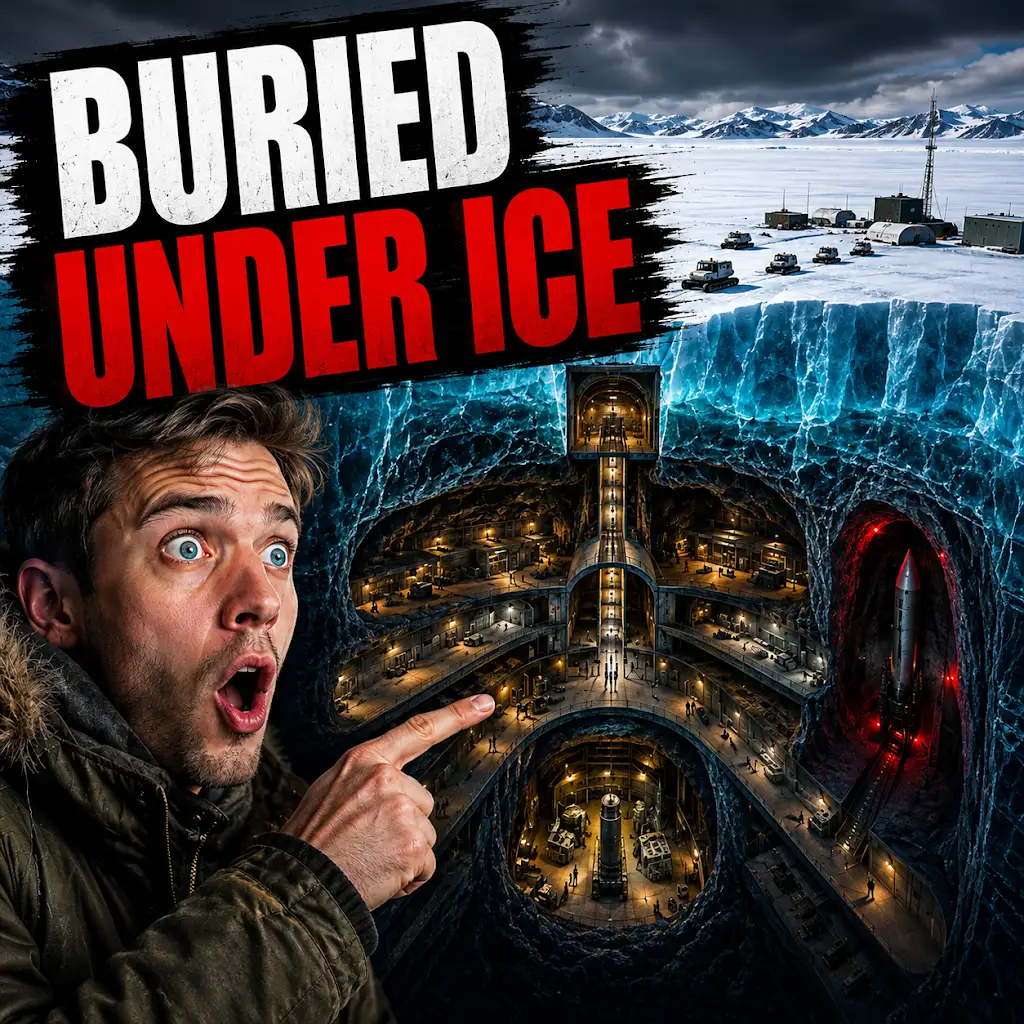
The U.S. Built a Nuclear City Under Greenland. The Ice Won.
FAQs
What is the US Army nuclear reactor in Greenland?
The US Army nuclear reactor in Greenland refers to the PM-2A nuclear power plant, which was a portable nuclear reactor that was installed in Greenland in 1960 as part of the US military’s efforts to establish a strategic presence in the Arctic during the Cold War.
Why was the US Army nuclear reactor installed in Greenland?
The US Army nuclear reactor was installed in Greenland to provide power for the remote military base known as Camp Century, which was part of Project Iceworm. The project aimed to establish a network of nuclear missile launch sites under the ice of Greenland.
What happened to the US Army nuclear reactor in Greenland?
The US Army nuclear reactor in Greenland was eventually decommissioned and removed in the 1980s after it was determined that the ice sheet it was built on was unstable and would eventually shift, potentially causing radioactive contamination.
Was there any environmental impact from the US Army nuclear reactor in Greenland?
There are concerns about potential environmental impact from the US Army nuclear reactor in Greenland, as the removal process may have resulted in the release of radioactive materials into the environment. However, the full extent of the impact is still being studied.
What is the current status of the US Army nuclear reactor in Greenland?
The current status of the US Army nuclear reactor in Greenland is that it has been removed, and efforts are ongoing to assess and mitigate any potential environmental impact from its presence. The site where the reactor was located is now being monitored for any signs of contamination.