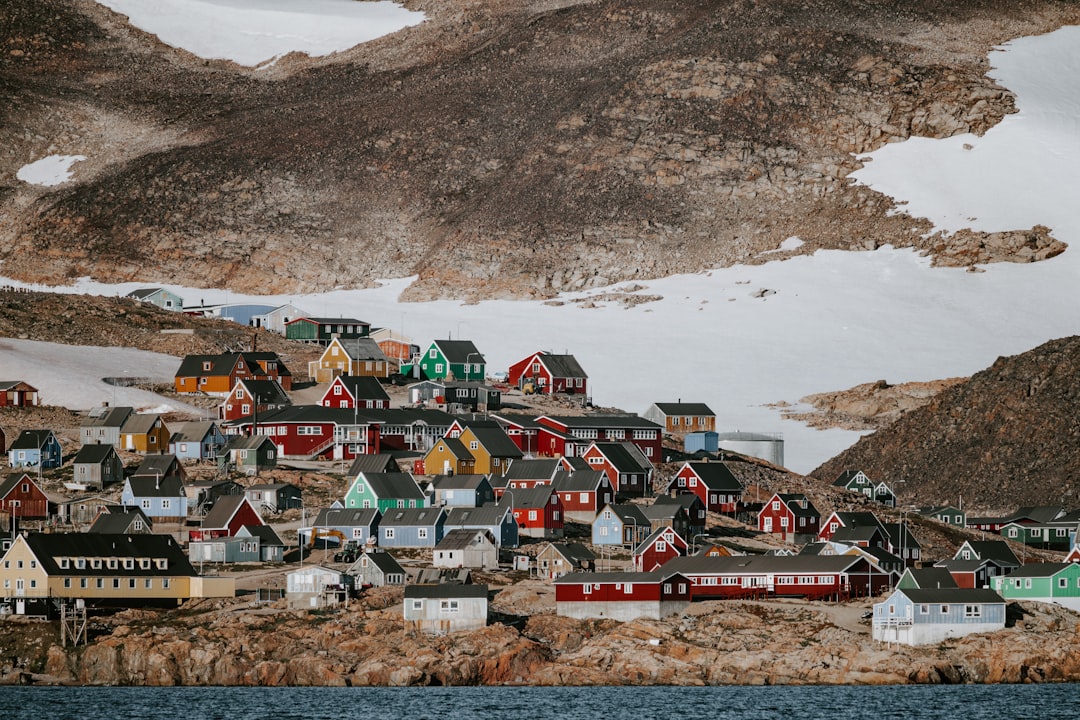
Greenland, a land of stark beauty and unparalleled icy expanses, holds a hidden history far removed from the pristine landscapes that often define it. During the Cold War, this vast Arctic territory, a Danish self-governing entity, became a critical strategic outpost, a silent player in the geopolitical chess match between the United States and the Soviet Union. The frozen north, once a forgotten frontier, transformed into a crucial arena for surveillance, military installations, and the clandestine operations that shaped the trajectory of global conflict.
The Arctic’s immense geographical position became a focal point of Cold War strategy. Situated directly between North America and the Soviet Union, it offered the shortest and most direct flight paths for intercontinental ballistic missiles (ICBMs) and bombers. This realization catapulted Greenland from obscurity into the forefront of military planning for both superpowers.
The Northernmost Frontier
Greenland’s strategic significance was not merely theoretical; it was born from the stark reality of missile trajectories. The shortest distance between the two superpowers lay over the Arctic. This meant that early warning systems and defensive measures needed to be established in this unforgiving environment. The Danes, while maintaining sovereignty, found themselves increasingly drawn into the orbit of American military interests.
The Shadow of the Bear
The perceived threat from the Soviet Union, often referred to as “the Bear,” loomed large over American defense strategy. The vast, sparsely populated expanse of Greenland provided an ideal location for the deployment of listening posts and radar installations designed to detect incoming Soviet aircraft and missiles. The ability to observe and track Soviet movements was paramount, and Greenland offered an unparalleled vantage point.
A Danish Dilemma
For Denmark, a NATO member, cooperation with the United States was a logical, albeit complex, decision. Greenland’s autonomy meant that such agreements were not simply a matter of foreign policy but also involved significant internal considerations. The economic and social implications for the Greenlandic people, who had lived in relative isolation for centuries, were considerable. The need to balance national security with the well-being of its own citizens presented a delicate geopolitical tightrope walk.
The Cold War era was marked by a series of covert operations and hidden secrets, many of which remain undiscovered to this day, particularly beneath the icy expanse of Greenland. This intriguing topic is explored in greater depth in the article that discusses advancements in counter-space weapons, highlighting how nations like China and Russia are leading the way in modern military technology. For those interested in the intersection of historical secrets and contemporary military advancements, this article provides valuable insights. You can read more about it here: Advancements in Counter-Space Weapons: China and Russia Lead the Way.
Thule Air Base: The Northern Watchtower
At the heart of Greenland’s Cold War secrets lies Thule Air Base. Originally established as a strategic bomber base during World War II, it was re-established and significantly expanded by the United States in the early 1950s. Its remote location, far north of the Arctic Circle, made it an ideal platform for radar installations and air defense, forming a crucial part of the North American Aerospace Defense Command (NORAD) network.
The DEW Line and Beyond
The Distant Early Warning (DEW) Line was a series of radar stations established across the Arctic to provide early warning of Soviet bomber or missile attacks. Thule Air Base served as a vital hub within this network, its powerful radar systems scanning the vast Arctic skies. The construction and maintenance of these installations in such extreme conditions were monumental undertakings, requiring specialized equipment and resilient personnel.
The Technological Race
The DEW Line represented a significant technological investment, pushing the boundaries of radar technology and long-range communication. The constant threat of Soviet advances spurred an ongoing arms race, and the DEW Line was a tangible manifestation of this technological competition. The very existence of such a sophisticated network in the harsh Arctic underscored the seriousness with which both sides viewed the potential for conflict.
Operation Ice Cap and the Strategic Air Command
Thule was not just a listening post; it was a fully operational air base, home to Strategic Air Command (SAC) bombers. These aircraft, armed with nuclear weapons, were on constant alert, ready to respond to any perceived Soviet aggression. The presence of SAC at Thule demonstrated the base’s dual role: both defensive and offensive.
The Nuclear Shadow
The implication of nuclear-armed bombers on constant alert in the Arctic was profound. It meant that Greenland was on the front lines of a potential nuclear war. The daily routines of the personnel stationed at Thule were steeped in the grim reality of this possibility, a constant reminder of the stakes involved in the Cold War.
The Ballistic Missile Early Warning System (BMEWS)
As missile technology advanced, so too did the need for more sophisticated warning systems. Thule Air Base housed one of the key sites for the Ballistic Missile Early Warning System (BMEWS). This system was designed to detect the launch of ICBMs from Soviet territory, providing precious minutes of warning to allow for defensive measures or retaliation.
A Race Against Time
The BMEWS was a testament to the race against time that defined the Cold War. The faster and more accurate the detection system, the greater the chance of survival. Thule’s strategic placement ensured its critical role in this life-or-death technological race. The immense radar dishes, visible for miles across the frozen landscape, were symbols of this constant vigilance.
Camp Century: The Subterranean City
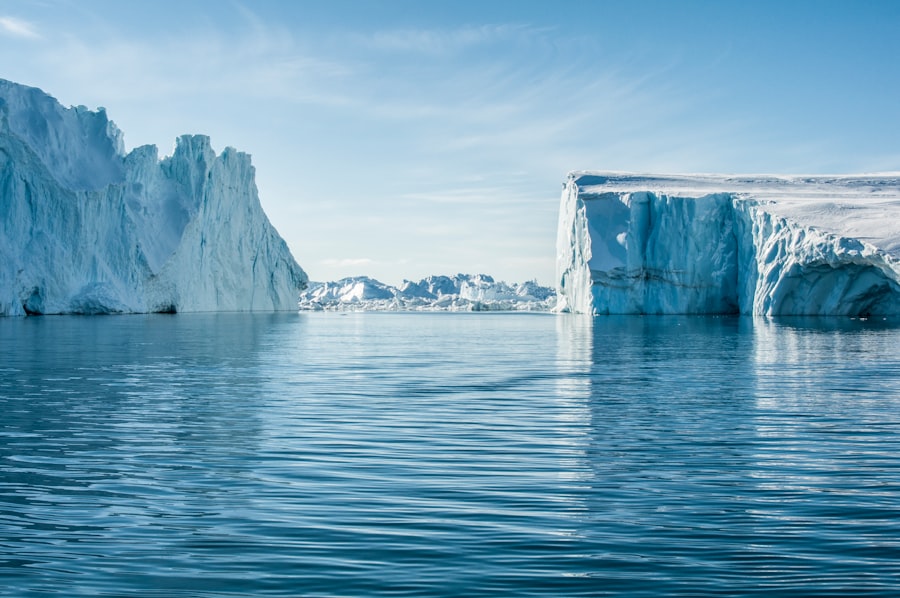
Perhaps one of Greenland’s most intriguing Cold War secrets is Camp Century, an underground military base built in the late 1950s. Carved into the ice sheet, this city-within-a-glacier was a testament to human ingenuity and the extraordinary lengths to which the United States was willing to go to maintain its strategic advantage.
Beneath the Ice
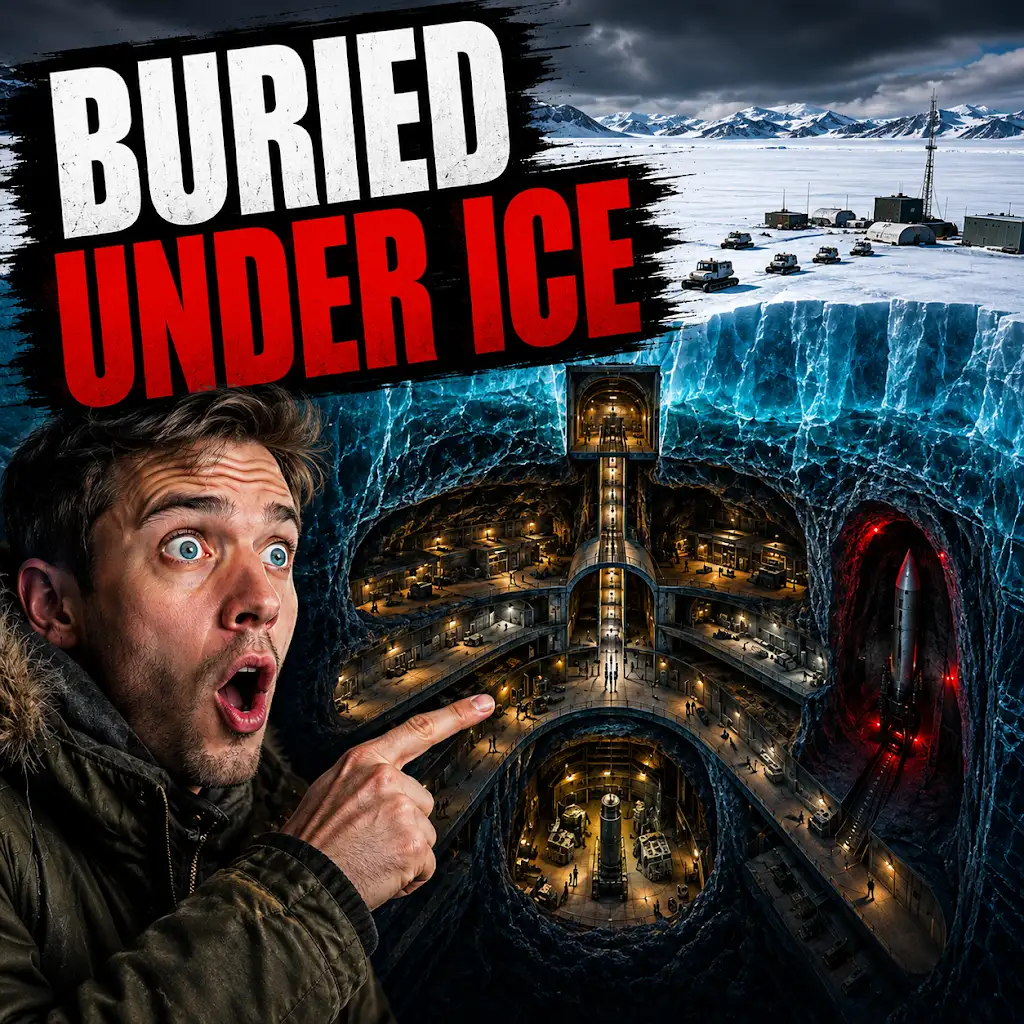
Camp Century was more than just a military outpost; it was a self-sustaining community. It housed over 200 personnel and included living quarters, a hospital, a laundry, a cinema, and even a church. The base was powered by a nuclear reactor, a marvel of engineering that provided electricity and heat in the unforgiving Arctic environment.
The Arctic Frontier of Nuclear Power
The deployment of a nuclear reactor at Camp Century was a significant technological achievement. It demonstrated the potential for nuclear power in remote and challenging environments, a preview of technologies that would later find application in space exploration and other fields. However, it also raised concerns about the potential environmental impact of a nuclear accident in such a pristine ecosystem.
Project Iceworm: A Hidden Agenda
While officially a research and logistics facility, Camp Century also served as a cover for a more clandestine project: Project Iceworm. This audacious plan aimed to construct an underground network of tunnels and missile launch sites beneath the Greenland ice sheet, capable of housing hundreds of nuclear missiles.
The Unseen Arsenal
The sheer audacity of Project Iceworm was staggering. The idea of a mobile, underground nuclear missile base, hidden beneath miles of ice, was a concept straight out of science fiction. The project aimed to create an invulnerable deterrent, a hidden arsenal that would be virtually impossible for the Soviets to locate or target.
The Technical Hurdles
The engineering challenges of Project Iceworm were immense. Drilling miles into a moving ice sheet, maintaining stable structures, and ensuring the operational readiness of missile systems in such conditions were feats that pushed the boundaries of human knowledge and capability. The project highlighted the relentless pursuit of strategic advantage, even at the cost of immense complexity and risk.
The Perils of a Melting Future
The very foundation of Camp Century, carved into the ice, became its ultimate undoing. As global temperatures began to rise, the ice sheet started to melt, threatening the integrity of the underground base. The dream of a permanent, hidden fortress was gradually dissolving with the ice.
The Legacy of Abandonment
Camp Century was eventually abandoned in 1967. The structures and equipment left behind are now slowly being consumed by the melting ice, a stark reminder of the impermanence of even the most ambitious human endeavors in the face of natural forces. The legacy of Camp Century is a cautionary tale about our impact on the environment and the enduring power of nature.
Cold War Espionage and Reconnaissance
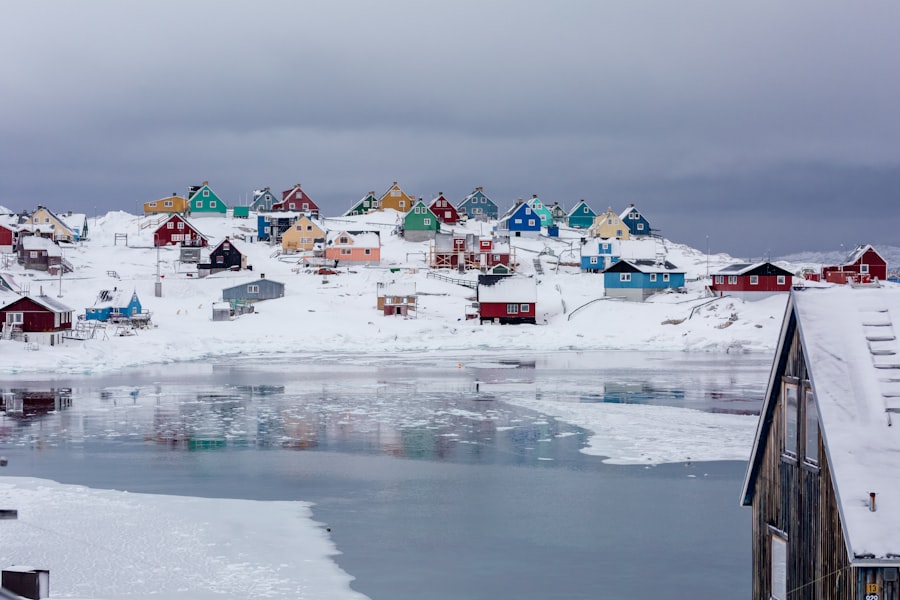
Beyond the fixed installations, Greenland also served as a staging ground for covert operations and intelligence gathering. The vastness and remoteness of the territory offered ample opportunities for secret missions, from aerial reconnaissance to the deployment of specialized units.
The Eyes of the Sky
The United States Air Force conducted extensive aerial reconnaissance missions over Soviet territory and the Arctic region from bases in Greenland. These flights, often undertaken in highly specialized aircraft, aimed to gather intelligence on Soviet military capabilities, troop movements, and industrial activities.
The Risks of the High North
These reconnaissance missions were fraught with danger. The extreme weather conditions, the risk of detection by Soviet radar, and the potential for aircraft malfunctions made every flight a high-stakes operation. The pilots and crews involved were true pioneers, pushing the boundaries of aviation and intelligence gathering.
The Whispers of the Inuit
The indigenous Inuit population of Greenland, with their intimate knowledge of the land and sea, played an unwitting role in the Cold War. Their movements and observations, though often unrecorded, could have provided valuable intelligence to both sides, had they been actively recruited or observed. The subtle shifts in animal migration patterns or the presence of unusual foreign activity could have been noted by these seasoned observers.
An Unwitting Asset
While direct recruitment of Inuit for espionage was likely minimal, their traditional knowledge of the Arctic environment was an invaluable, albeit often overlooked, asset. The ability to navigate treacherous terrain, survive extreme temperatures, and understand the subtle signs of the natural world was a skill set that no technological device could replicate.
The Submarine Threat and Arctic Patrols
The Arctic waters surrounding Greenland also became a crucial area for monitoring submarine activity. Both the US and the Soviet Union possessed formidable submarine fleets, capable of launching devastating attacks. Patrols by both surface vessels and aircraft were conducted to detect and track these silent predators.
The Silent Hunt
The constant threat of unseen submarines lurking beneath the ice added another layer of tension to Cold War operations in the Arctic. The ability to detect and track these vessels was essential for maintaining a strategic advantage and ensuring the safety of shipping lanes and coastal defenses. The vastness of the Arctic Ocean made this a challenging and ongoing task.
Recent discoveries have shed light on Cold War secrets hidden beneath Greenland, revealing a complex network of military installations and espionage activities. These findings are part of a broader exploration of the region’s historical significance, which also includes ancient water management systems that have recently come to the forefront. For more insights into the fascinating history of Greenland’s infrastructure, you can read about it in this article on ancient water management systems. The interplay between these ancient techniques and Cold War operations paints a vivid picture of the strategic importance of this remote Arctic territory.
The Legacy of the Cold War in Greenland
| Location | Type of Secret | Description |
|---|---|---|
| Thule Air Base | Nuclear Weapons | US nuclear weapons were secretly stored at Thule Air Base during the Cold War. |
| Project Iceworm | Underground Tunnels | The US military built a secret network of tunnels and bases under the Greenland ice sheet to house ballistic missiles. |
| Camp Century | Top Secret Research | The US military conducted secret research on ice and snow at Camp Century, which was a cover for the construction of the Project Iceworm tunnels. |
The Cold War left an indelible mark on Greenland, shaping its infrastructure, economy, and the lives of its people. While the overt military presence has diminished, the legacy of this period continues to influence the island’s present and future.
Environmental Scars
The military installations of the Cold War, while vital for defense at the time, also left behind a legacy of environmental challenges. Abandoned equipment, fuel spills, and hazardous waste continue to pose risks to Greenland’s fragile ecosystem. The cleanup of these sites is an ongoing and costly endeavor.
The Arctic’s Unhealed Wounds
The vastness of Greenland means that the extent of these environmental scars can be difficult to fully assess. The melting ice, while exposing the remnants of past activities, also risks releasing contaminants into the environment, creating new challenges for future generations. The need for careful monitoring and remediation is paramount.
Geopolitical Shifts and Greenland’s Autonomy
The Cold War era significantly strengthened ties between Greenland and the United States, a relationship that continues to evolve. While Greenland today enjoys a high degree of autonomy within the Kingdom of Denmark, the historical dependence on American military presence has shaped its political and economic landscape.
Navigating a New World Order
As the geopolitical landscape shifts, Greenland finds itself navigating new alliances and economic opportunities. The thawing Arctic, driven by climate change, is opening up new shipping routes and resource exploration possibilities, presenting both opportunities and challenges for the island nation.
A Hidden History Revealed
The secrets of Greenland’s Cold War past are slowly coming to light through declassified documents, archaeological research, and the oral histories of those who lived through this era. These revelations offer a deeper understanding of the strategic importance of the Arctic and the human cost of global superpower rivalry.
Echoes of the Past
The stories of the soldiers who endured the extreme conditions at Thule, the scientists who worked at Camp Century, and the Inuit who witnessed the dramatic changes in their homeland paint a vivid picture of a hidden history. This hidden history is not just about military strategy; it is about human resilience, technological ambition, and the enduring impact of global conflict on remote corners of the world. Greenland, once a silent sentinel in the Cold War, now tells its story, a testament to its crucial and often overlooked role in shaping the modern world.
The U.S. Built a Nuclear City Under Greenland. The Ice Won.
FAQs
What are the Cold War secrets hidden beneath Greenland?
During the Cold War, the United States built a network of secret military bases beneath the Greenland ice sheet. These bases were used for early warning systems, communication, and surveillance of Soviet activities.
How were these secrets hidden beneath Greenland?
The military bases were constructed beneath the ice sheet to conceal them from Soviet reconnaissance. The ice sheet provided a natural cover for the bases, making them difficult to detect from above.
Why were these bases built in Greenland?
Greenland’s strategic location between North America and Europe made it an ideal location for the United States to establish military bases for monitoring and responding to potential Soviet threats during the Cold War.
What is the significance of these Cold War secrets today?
The Cold War secrets hidden beneath Greenland continue to be of interest due to their historical significance and the potential environmental impact of the abandoned military infrastructure on the region.
How are these Cold War secrets being uncovered?
Advancements in technology, such as satellite imagery and ground-penetrating radar, have allowed researchers to uncover and study the remnants of these Cold War military bases hidden beneath the Greenland ice sheet.