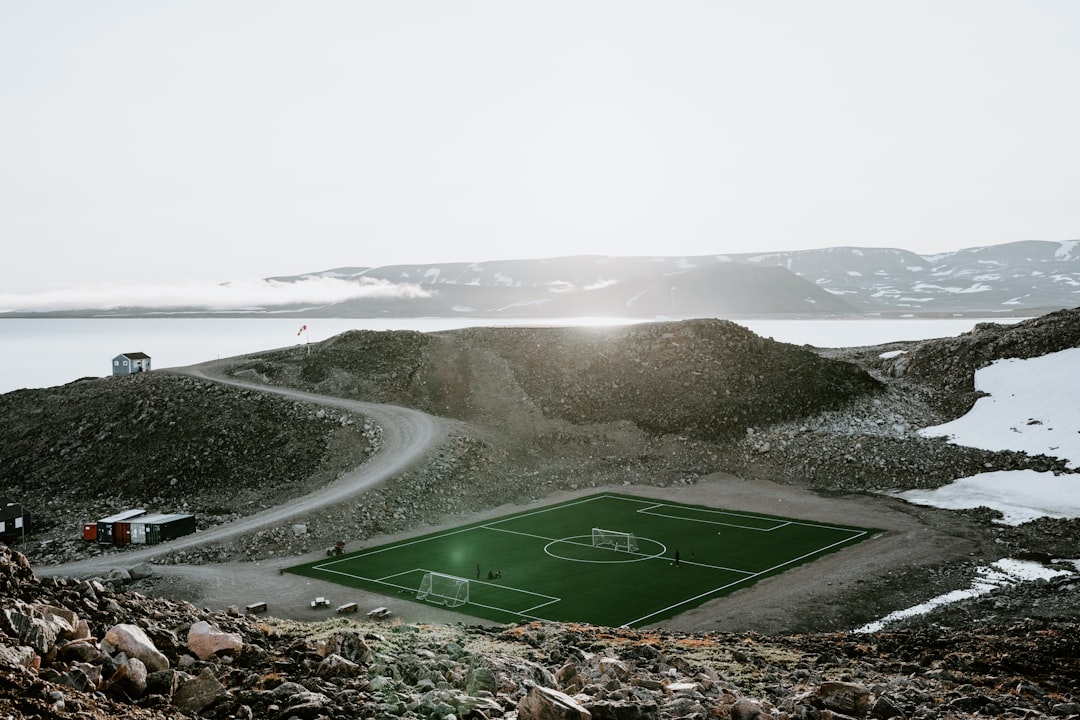
Greenland, a land of ice and stark beauty, holds secrets far deeper than its frozen interior. During the tense decades of the Cold War, this remote Arctic territory became a crucial strategic chess piece for both the United States and the Soviet Union. Its vast, sparsely populated expanse, coupled with its proximity to North America, made it an ideal, albeit inhospitable, location for clandestine military operations and ambitious, often terrifying, projects. These endeavors, shrouded in secrecy for decades, reveal a chilling chapter in the history of human ingenuity and the ever-present specter of nuclear annihilation.
The geopolitical landscape of the Cold War was defined by a constant, palpable tension between the two superpowers. The vast distance separating North America from the Soviet Union was a primary concern for the United States. A direct aerial or missile attack would necessitate a crucial early warning system. Greenland, strategically positioned on the shortest flight path between continents, offered a vital advantage in this defensive calculus. Its immense size and isolation also provided a degree of anonymity, making it a suitable canvas for secret installations that would otherwise attract unwanted attention.
The Arctic as a New Frontier
The Arctic, once a forgotten wilderness, transformed into a high-stakes theater of operations during the Cold War. Its harsh climate and challenging terrain, while formidable, also offered a unique operational environment. For the United States, controlling key Arctic territories like Greenland meant denying their use to the Soviets and establishing a forward defense against potential incursions. The vast icy expanse could conceal installations and movements, adding another layer of strategic depth.
Proximity to the Soviet Union
Greenland’s geographical location placed it alarmingly close to the Soviet Union’s northern flank. This proximity was a double-edged sword. While it offered the US a crucial early warning advantage, it also made Greenland a potential target. Consequently, the island became a linchpin in the American defense strategy, necessitating the development of robust surveillance and defensive capabilities.
A Deniable Asset
The remote and largely uninhabited nature of Greenland made it an ideal location for projects that required a high degree of deniability. Installations could be built and operated with a degree of insulation from public scrutiny and international pressure. This secrecy was paramount in an era where any perceived aggressive military posture could escalate tensions to dangerous levels.
During the Cold War, Greenland served as a strategic location for various hidden military projects, reflecting the intense geopolitical tensions of the era. One fascinating aspect of this history is the exploration of ancient city ruins, which adds a layer of intrigue to the region’s military significance. For more insights into the intersection of historical exploration and military endeavors, you can read the article titled “Exploring the Forbidden Room: Ancient City Ruins” at this link.
Project Iceworm: A Subterranean Nightmare
Perhaps the most ambitious and unsettling secret military project undertaken in Greenland was Project Iceworm, also known as the “City under the Ice.” This audacious plan envisioned the construction of a vast network of underground tunnels and facilities beneath the Greenland ice sheet, designed to house thousands of troops and hundreds of nuclear missiles. The sheer scale and audacity of this undertaking are difficult to comprehend even today.
The Vision: A Mobile Nuclear Fortress
The primary objective of Project Iceworm was to create a mobile, hardened nuclear launch platform. The idea was that a vast network of tunnels, carved out of the ice, would house a mobile launching system capable of moving the missiles to different positions. This mobility was intended to make the base incredibly difficult for the Soviets to target and destroy. The project was conceived as a direct response to the perceived vulnerability of land-based missile silos, which could be destroyed by a single Soviet strike.
The Engineering Challenge: Conquering the Ice
The engineering challenges associated with constructing a city within a moving glacier were immense. The plan involved excavating kilometers of tunnels, creating living quarters, support facilities, and missile launch sites. The ice itself was a dynamic and unpredictable medium. Temperatures plummeted to unimaginable lows, and the constant movement of the ice sheet posed a significant threat to the structural integrity of the tunnels. Despite these obstacles, American engineers and construction crews worked tirelessly, often under extreme conditions, to make the project a reality.
The “Rotor” System
A key component of Project Iceworm was the “Rotor” system. This was a proposed mobile launch system that would move the missiles through the tunnel network. The idea was to have a train-like mechanism that could transport the missiles to pre-determined launch points. This system was designed to enhance the survivability of the nuclear arsenal by making it impossible for the Soviets to know the exact location of the missiles at any given time.
The Human Cost
The construction of Project Iceworm was a grueling and dangerous undertaking for the thousands of military personnel and civilian contractors involved. They endured extreme cold, isolation, and the constant threat of accidents. While the project never reached its full operational potential, the efforts and sacrifices made by those who worked on it remain a testament to the lengths to which nations would go during the Cold War.
The Unraveling: The Ice’s Betrayal
Ultimately, Project Iceworm was doomed by the very element it sought to harness. The Greenland ice sheet is not a static entity. It is a dynamic, flowing mass of ice that constantly shifts and deforms. The tunnels, initially thought to be stable, began to buckle and warp under the immense pressure of the ice. The envisioned mobile launch system became increasingly impractical as the ice moved unpredictably. The project was eventually abandoned, deemed too dangerous and unstable to be a viable strategic asset.
Radar Sites: The Eyes of the Cold War
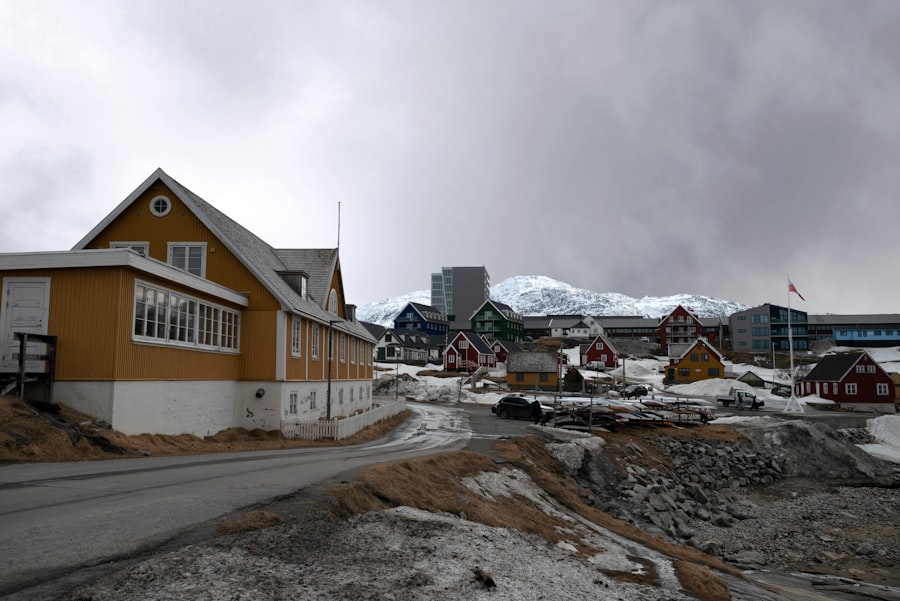
Beyond the ambitious underground ambitions, Greenland served as a critical location for a network of radar installations designed to detect incoming Soviet bombers and missiles. These radar sites, often perched on remote mountaintops or desolate plains, formed a vital component of the North American Aerospace Defense Command (NORAD).
The Distant Early Warning (DEW) Line
The DEW Line, a vast chain of radar stations stretching across the Arctic, was a cornerstone of American defense strategy. Greenland played a pivotal role in this network. Its northernmost reaches provided an unparalleled vantage point for detecting Soviet aircraft and submarines that might attempt to bypass existing defenses. These radar stations were a constant sentinel, scanning the skies for any sign of hostile intent.
The Harsh Realities of DEW Line Life
Life at these remote radar stations was exceptionally challenging. Personnel endured months of darkness, extreme cold, and profound isolation. Supplies were often delivered by air, and communication with the outside world was limited. Despite the harsh conditions, the dedication of the radar operators was unwavering, as they understood the critical importance of their mission.
Pine Tree Line and Mid-Canada Line
In addition to the DEW Line, Greenland was also integrated into other radar networks, such as the Pine Tree Line and the Mid-Canada Line. These systems provided overlapping coverage and ensured that no potential threat could slip through the net undetected. The sheer scale of these radar networks underscores the paranoia and preparedness that characterized the Cold War.
The Psychological Toll of Isolation
The constant vigilance required at these radar sites, coupled with the extreme isolation, took a significant psychological toll on the personnel stationed there. The vast, empty landscape and the monotonous task of monitoring radar screens could be mentally taxing. Support systems were put in place, but the inherent nature of the deployment meant that these individuals were truly on the front lines of a silent war.
Thule Air Base: A Cold War Stronghold
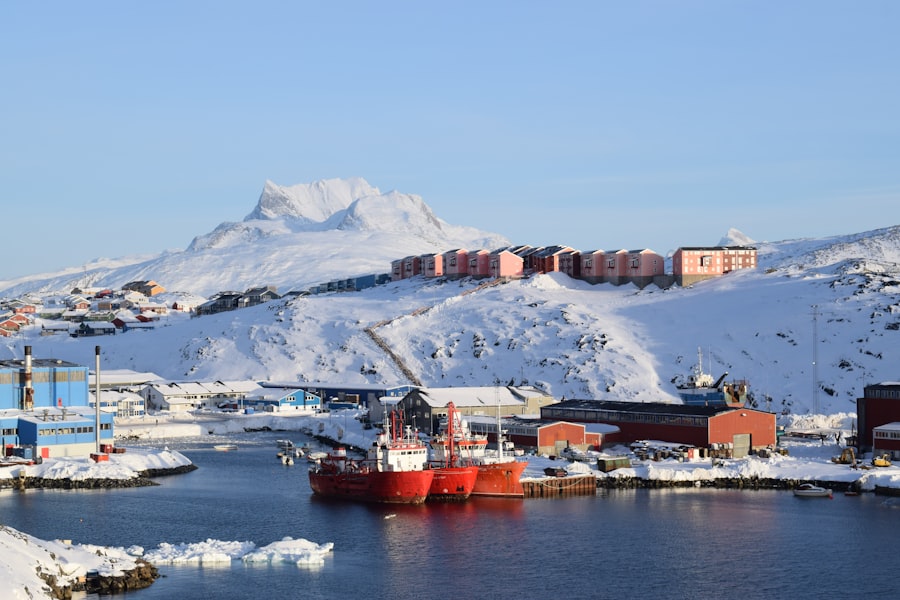
Thule Air Base, situated in the northwest of Greenland, was and remains a significant U.S. military installation. During the Cold War, its strategic importance was amplified, serving as a crucial logistics hub, a missile early warning site, and a staging ground for Arctic operations.
A Strategic Logistics Hub
Thule’s location made it an ideal staging point for resupplying Arctic operations and for transporting personnel and equipment to and from other remote installations. Its airfield was a vital link in the chain of supply for the DEW Line and other northern defenses.
Ballistic Missile Early Warning System (BMEWS)
A key function of Thule Air Base was its role in the Ballistic Missile Early Warning System (BMEWS). Giant radar dishes were installed to detect incoming intercontinental ballistic missiles (ICBMs) launched from the Soviet Union. The speed with which these missiles traveled meant that early detection was paramount for any possibility of a retaliatory strike.
The Scale of the BMEWS Radar
The BMEWS radar at Thule was a colossal structure, designed to cover vast distances and detect the faintest of signals. Its construction and operation represented a significant investment in the defense infrastructure, a clear indication of the perceived threat from the East.
The Controversial Presence of the B-52 Bomber Crash
In 1968, a B-52 bomber carrying nuclear weapons crashed near Thule Air Base. While the most of the nuclear material was recovered, the incident raised serious concerns about the safety of nuclear weapons storage and transit in such a sensitive Arctic environment. The cleanup operation itself was extensive and difficult, highlighting the inherent risks of military operations in this fragile ecosystem.
During the Cold War, Greenland was a strategic location for various hidden military projects that played a crucial role in the geopolitical landscape of the time. These operations, often shrouded in secrecy, aimed to enhance surveillance capabilities and establish a robust defense system against potential threats. For those interested in exploring the broader implications of government actions and the safeguarding of personal assets, a related article discusses the importance of protecting your wealth against potential government seizure. You can read more about this topic here.
Secrecy and Deniability: The Art of Concealment
| Project Name | Description | Location | Duration |
|---|---|---|---|
| Project Iceworm | Secret U.S. Army program to build a network of mobile nuclear missile launch sites under the Greenland ice sheet | Greenland | 1959-1967 |
| Project Blue Jay | Construction of Thule Air Base in Greenland as a strategic air base for the U.S. Air Force | Greenland | 1951-1953 |
| Project Crested Ice | Construction of radar stations in Greenland to provide early warning of Soviet missile attacks | Greenland | 1950s-1960s |
The nature of these Cold War projects in Greenland was intrinsically tied to secrecy. The fear of escalation and the desire to maintain strategic advantage meant that many of these operations were conducted with the utmost discretion.
Classified Documents and the Passage of Time
For decades, the full extent of these military activities remained locked away in classified archives. It was only through declassifications and investigative journalism that much of the information about Project Iceworm, the radar sites, and other clandestine operations began to surface. The slow drip of information has revealed a far more complex and pervasive military presence in Greenland than was publicly known.
The Impact of the Freedom of Information Act
The Freedom of Information Act (FOIA) in the United States has played a crucial role in unearthing these secrets. Researchers and journalists, using FOIA requests, have been able to access previously withheld documents, shedding light on the planning, execution, and eventual abandonment of these ambitious projects.
The Greenlandic Perspective: An Unwilling Participant?
While the U.S. military viewed Greenland as a strategic asset, the impact on the local Greenlandic population was often overlooked or downplayed. The construction of large military bases and the presence of nuclear weapons raised concerns about environmental contamination and the disruption of traditional ways of life. The Greenlandic people, while not directly involved in the superpower rivalry, were nonetheless at the forefront of its manifestations.
Environmental Concerns and Legacy Issues
The potential for environmental damage from military activities, including the storage and transit of hazardous materials, remains a concern in Greenland. The legacy of some of these Cold War projects, though long abandoned, may still present long-term environmental challenges.
The Lingering Echoes of the Cold War
The secret military projects of the Cold War in Greenland represent a stark reminder of a time when the world teetered on the brink of nuclear conflict. These ambitious, often terrifying, endeavors were born out of a climate of fear and suspicion, driving innovation and engineering to extremes.
A Testament to Human Ingenuity and Hubris
The sheer scale and technical complexity of projects like Iceworm are a testament to human ingenuity. However, they also serve as a cautionary tale about the potential for hubris and the willingness to push the boundaries of what is feasible in the pursuit of perceived national security.
The Arctic’s Enduring Strategic Importance
While the nature of global conflicts has evolved, the Arctic continues to hold strategic significance. As climate change opens up new shipping routes and access to resources, the region’s military importance is likely to endure, drawing parallels to the era of secret Cold War projects. The lessons learned from the clandestine military endeavors of the past serve as a crucial backdrop for understanding the evolving geopolitical dynamics of this vast and icy frontier. The secrets buried beneath Greenland’s ice, though now partially revealed, continue to whisper tales of a world on edge, forever shaped by the shadow of the Cold War.
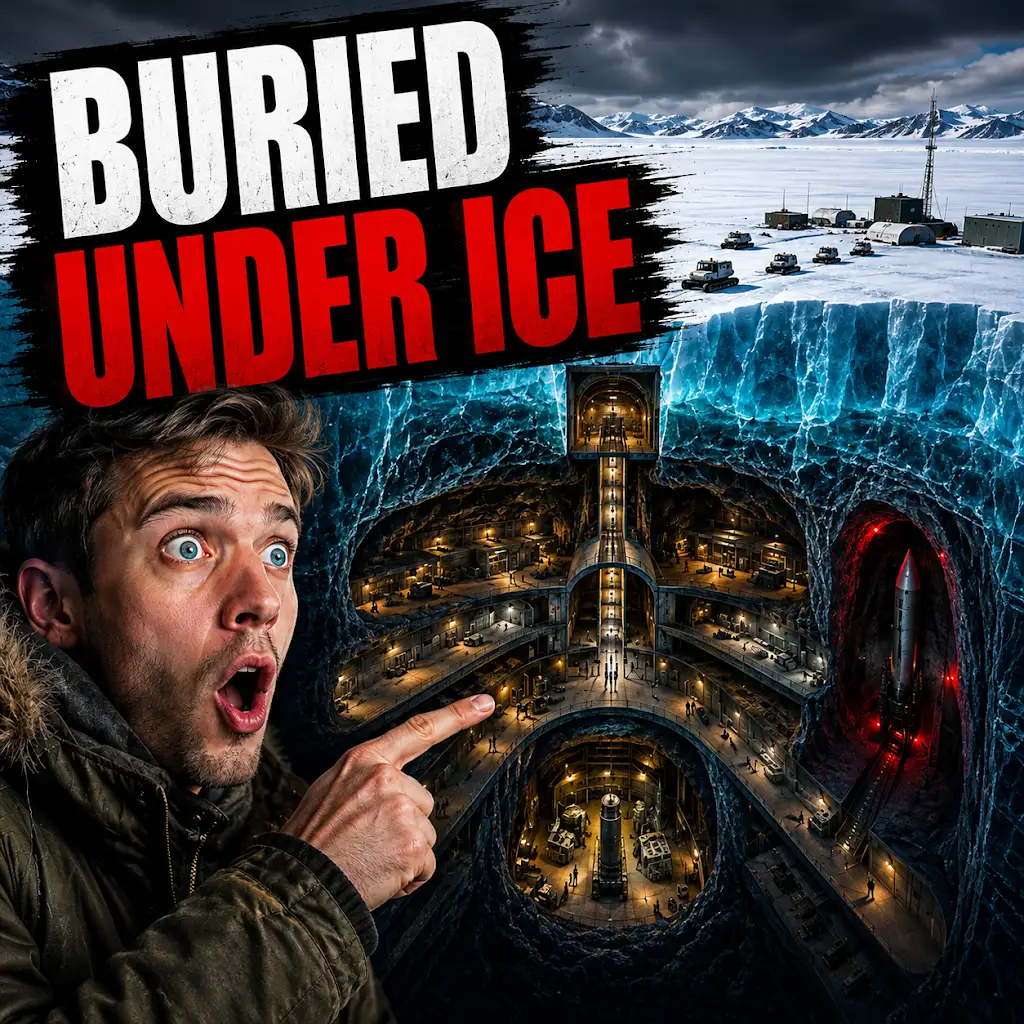
The U.S. Built a Nuclear City Under Greenland. The Ice Won.
FAQs
What were some of the hidden Cold War military projects in Greenland?
Some of the hidden Cold War military projects in Greenland included the construction of secret military bases, radar stations, and early warning systems to monitor Soviet activity in the Arctic region.
Why was Greenland strategically important during the Cold War?
Greenland was strategically important during the Cold War due to its proximity to the Soviet Union and its potential as a location for monitoring Soviet military activity, particularly in the Arctic region.
How did the United States and other NATO countries use Greenland during the Cold War?
During the Cold War, the United States and other NATO countries used Greenland as a location for military bases, radar stations, and early warning systems to monitor and respond to potential Soviet threats in the Arctic region.
Were these military projects in Greenland kept secret from the public?
Yes, many of the military projects in Greenland during the Cold War were kept secret from the public in order to maintain their strategic advantage and prevent the Soviet Union from knowing the extent of their surveillance capabilities in the region.
What is the legacy of these hidden Cold War military projects in Greenland?
The legacy of these hidden Cold War military projects in Greenland includes the continued presence of military installations and infrastructure, as well as ongoing geopolitical significance in the Arctic region.