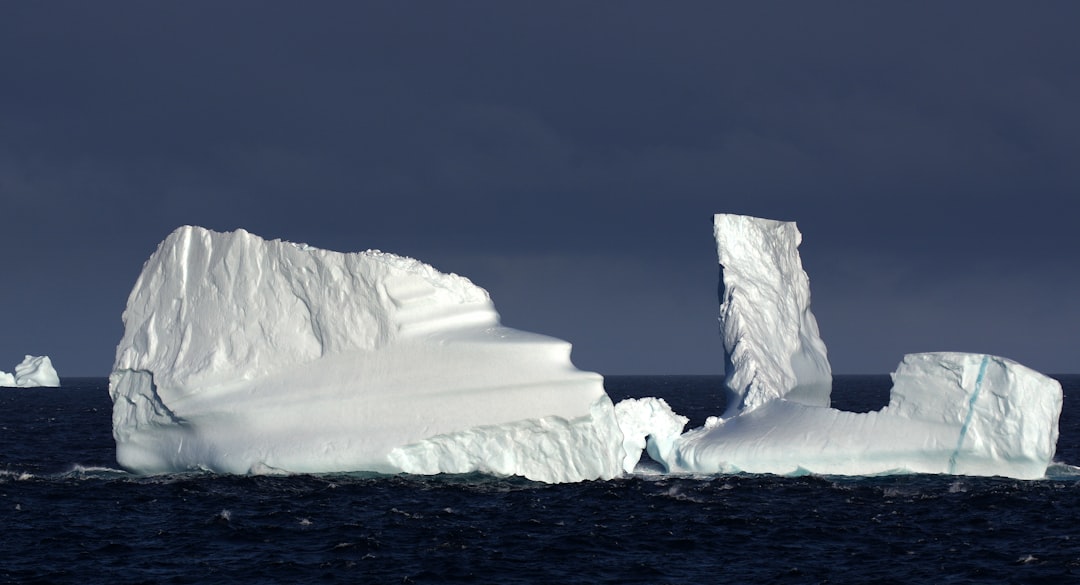
The glacial expanse of Greenland, a vast and ancient landscape, has long held secrets within its frozen heart. Among these secrets was Camp Century, a U.S. military research station established in the 1950s, buried deep beneath the ice. For decades, it remained a testament to Cold War ambition and scientific curiosity. However, the inexorable march of climate change has brought about a dramatic and unsettling turn of events, leading to the eventual destruction of this buried city by the very ice it once inhabited.
A Strategic Foothold in the Arctic
The genesis of Camp Century can be traced back to the heightened geopolitical tensions of the Cold War. The United States, keenly aware of the Soviet Union’s growing influence and potential strategic advantages in the Arctic, sought to establish a presence that could serve both military and scientific purposes. The rationale was multifaceted: a potential launch site for intercontinental ballistic missiles, a deep radar detection station, and a platform for vital scientific research in a largely unexplored region. The remote and seemingly impregnable nature of Greenland’s ice sheet offered a unique and compelling opportunity for such an ambitious undertaking. The sheer scale of the ice, which had been accumulating for millennia, was seen as a natural shield and a formidable barrier, making it an ideal location for covert operations and robust scientific endeavors.
Engineering an Arctic City Beneath the Ice
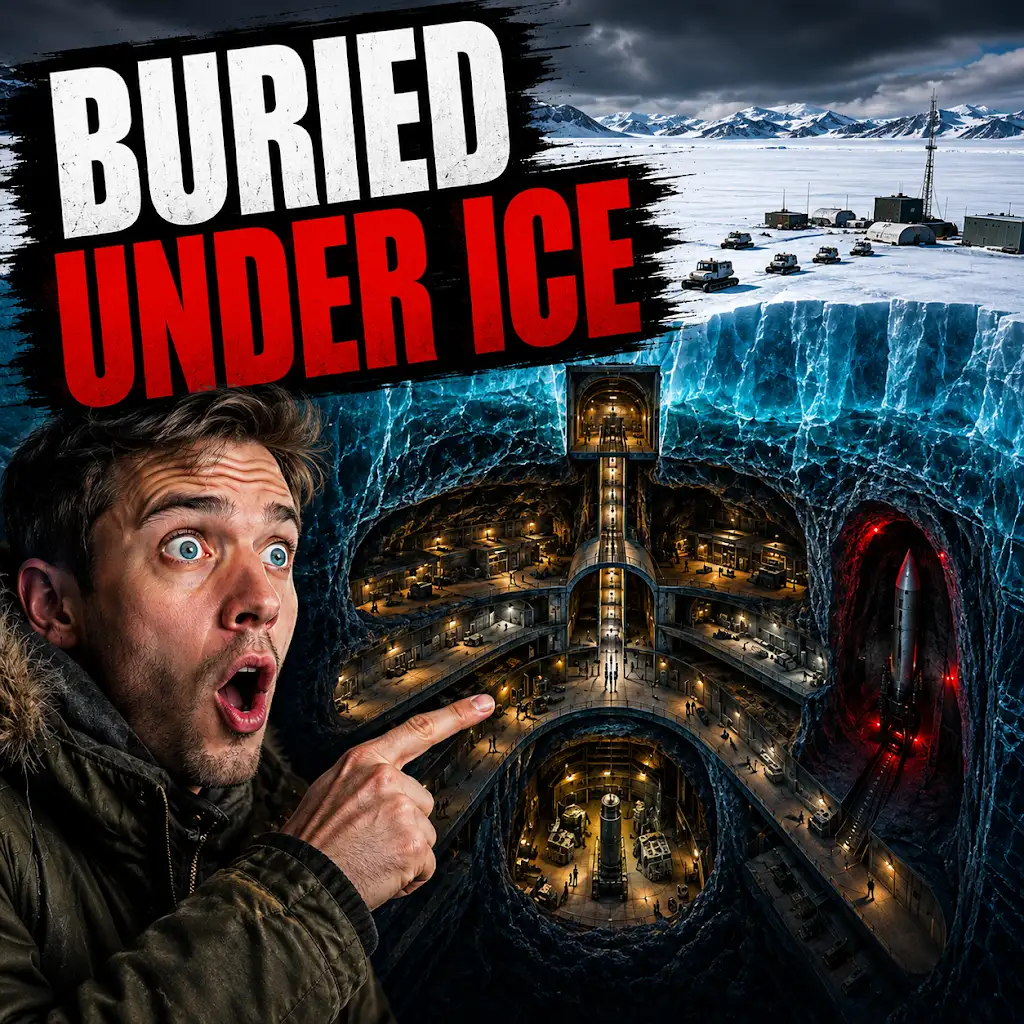
The construction of Camp Century was a feat of engineering and logistical prowess. It was not a surface installation but rather a network of tunnels and structures carved directly into the Greenland ice sheet, approximately 200 miles inland from the coast. The initial concept involved digging trenches, which were then covered with prefabricated aluminum arches, forming a tunnel-like structure. Snow was then allowed to accumulate naturally over these arches, creating a thick, protective blanket of ice. This method of construction was designed to leverage the inherent properties of the ice sheet itself as a building material and insulator. The camp was envisioned as a semi-permanent settlement, capable of housing up to 200 personnel. Power was generated by a small nuclear reactor, a pioneering application of this technology in such a remote and challenging environment. The living quarters, laboratories, and support facilities were all integrated into this subterranean network, creating a self-contained community miles from any civilization.
The Dual Purpose: Military Might and Scientific Discovery
Camp Century was officially designated as a Cold War military base, codenamed “Project Iceworm.” The primary military objective was to assess the feasibility of constructing a network of underground missile launch facilities beneath the ice, capable of launching nuclear missiles at targets in the Soviet Union with minimal warning time. The sheer depth of the ice was believed to provide a significant advantage, masking the presence of these facilities. However, alongside its military ambitions, Camp Century also served as a crucial hub for scientific research. The exceptionally pure and ancient ice provided an unparalleled opportunity to study Earth’s climate history. Ice cores drilled from the depths of the ice sheet offered a detailed record of past atmospheric conditions, temperatures, and even the composition of the air stretching back hundreds of thousands of years. This scientific pursuit, though secondary to military objectives, would ultimately become the legacy that outlasted the camp’s military purpose.
The impact of climate change on Greenland’s ice sheets has been a topic of significant concern, particularly in relation to historical military projects like Camp Century, which was buried under ice and ultimately destroyed as the glaciers shifted. For a deeper understanding of how military agendas intersect with environmental issues, you can explore the article titled “The Secret Military Agenda of Space Exploration,” which discusses the broader implications of military operations on our planet and beyond. You can read it here: The Secret Military Agenda of Space Exploration.
The Shifting Sands (or Ice) of Climate Change
A Warming Arctic, A Troubling Indicator
The Arctic region is experiencing warming at a rate far exceeding the global average. This phenomenon, driven by anthropogenic climate change, has profound implications for the cryosphere, the frozen parts of the planet. Greenland, as the second-largest ice body on Earth, is particularly sensitive to these changes. Rising global temperatures are leading to increased melting of the ice sheet, both at the surface and at its edges. This accelerated melting is not uniform; it is a complex process influenced by ocean currents, atmospheric patterns, and the albedo effect (the reflectivity of the ice surface). As the ice sheet thins and melts, the underlying bedrock is also experiencing changes, with implications for the stability of ice flow.
The Unforeseen Consequences for Buried Structures
Camp Century, conceived in an era of perceived glacial stability, was built with the assumption that the ice surrounding it would remain largely static. The engineers and planners of the time could not have foreseen the dramatic pace of Arctic warming that would unfold in the decades to come. The ice that had once acted as a protective tomb now became a dynamic, destabilizing force. As the ice sheet melted and shifted, the subterranean structures of Camp Century began to be subjected to immense pressures and movements. What was once a stable environment gradually became a precarious one. The constant accumulation of snow that had originally sealed the camp began to change. Instead of simply adding mass, the melting and refreezing cycles introduced forces that put strain on the buried infrastructure.
The Accelerating Melt: A Threat to Camp Century’s Remains
The accelerating melt rate directly impacts buried installations like Camp Century. As the ice above and around the camp melts, it exposes the former structures to the elements in a way they were never designed to withstand. The initial intent was for the camp to be entombed, preserved by the cold. However, as the ice recedes, this preservation is being undone. The structures, made of materials like aluminum and steel, are now exposed to meltwater, freeze-thaw cycles, and the general degradation that comes with direct contact with a changing environment. The foundations, once solid ice, are now thawing, leading to instability. Furthermore, as the ice thins, the pressure exerted on the buried camp lessens, but the dynamic movement of the ice itself becomes a more significant threat, potentially causing the structures to buckle or fracture.
The Unveiling of Camp Century: A Perilous Legacy
The Gradual Emergence from the Ice
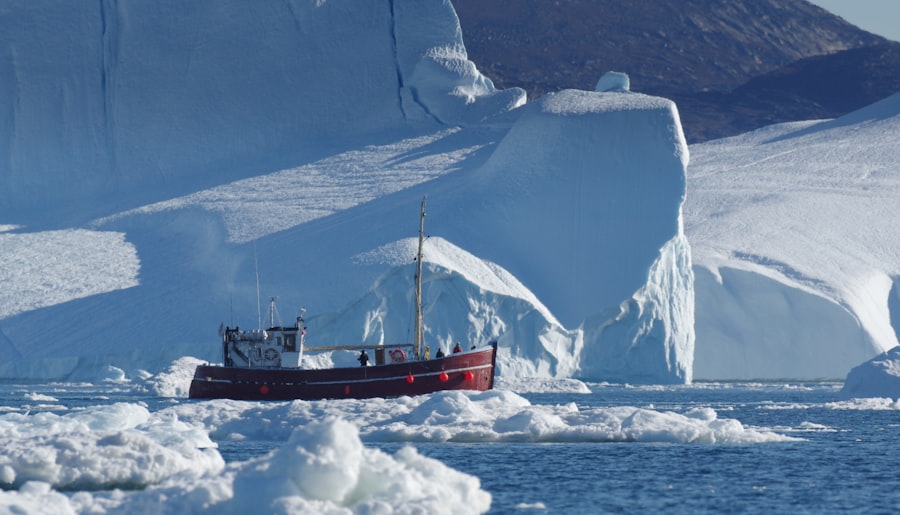
For years, Camp Century remained hidden, a frozen relic of a bygone era. However, as the Greenland ice sheet has thinned, the camp has begun to emerge, albeit slowly and unstably. Satellite imagery and ground surveys have revealed the gradual exposure of its buried structures. What was once a complete subterranean complex is now partially visible, a ghostly outline appearing on the surface of the ice. This emergence is not a uniform process; certain sections of the camp have been revealed more than others, depending on the local ice dynamics and melt patterns. The sheer volume of ice that once covered the camp is immense, and its gradual disappearance means that the structures are being subjected to forces they were never intended to endure.
The Unstable Environment: A Recipe for Collapse
The environment surrounding the emerging Camp Century is inherently unstable. The ice sheet is not a monolithic, solid block but a constantly moving and deforming entity, especially in areas of accelerated melt. As the ice melts, it loses its structural integrity. The underlying bedrock, once covered by thousands of feet of ice, is now being exposed to surface temperatures, leading to further changes in ice flow. This instability creates a precarious situation for the buried infrastructure. The once-firm ice that supported the camp is now thawing, leading to subsidence and movement. The dynamic nature of the ice sheet, with its creaking and groaning as it shifts, poses a constant threat of collapse to the partially exposed and structurally compromised remnants of Camp Century.
The Contamination Risk: A Hidden Danger
The most alarming aspect of Camp Century’s emergence is the potential for environmental contamination. Buried deep within the ice, the camp contained not only scientific equipment and living quarters but also potential contaminants. These include fuels, lubricants, and even radioactive materials associated with the camp’s small nuclear reactor, which was decommissioned and abandoned in place. As the ice melts and the structures degrade, these substances are at risk of being released into the environment. The meltwater, carrying these contaminants, could flow into the surrounding ecosystems, potentially impacting freshwater sources and marine life. This risk represents a significant environmental challenge that requires careful monitoring and mitigation efforts.
The Inevitable Collapse: A Monument to a Warming World
The Structural Weakening and Stress
The structural integrity of Camp Century was fundamentally compromised by the changing ice environment. The aluminum arches and prefabricated modules, designed to be supported by the stable, consistent pressure of thick ice, began to buckle and deform as the ice melted and shifted. The constant cycle of freezing and thawing within the ice created immense stresses, akin to water seeping into cracks and expanding. This process weakened the materials and the connections between them. Furthermore, as the ice thinned, the overlying weight that had once provided stability was reduced, allowing internal pressures and the subtle movements of the ice sheet to exert more significant forces.
The Forces of Nature Unleashed
The forces of nature, amplified by climate change, ultimately proved too much for the buried remnants of Camp Century. As the ice continued to melt and deform, the structures were subjected to increasing and unpredictable pressures. The once-uniform load of the ice sheet was replaced by localized thawing, ice movement, and meltwater erosion. These forces, combined with the inherent structural weaknesses that had developed over time, led to the inevitable collapse of various sections of the camp. It was not a single, dramatic event but rather a progressive disintegration, with different parts succumbing to the overwhelming environmental forces at different times.
The Transformation of Camp Century: From Buried City to Environmental Concern
The destruction of Camp Century signifies a profound transformation. It is no longer a hidden military outpost or a frozen scientific archive. Instead, its dismantling by the ice has transformed it into a potent symbol of the impacts of climate change. The very ice that once protected and preserved it has now become the agent of its destruction. The collapse has not only erased the physical remnants of the camp but has also brought to the forefront the significant environmental concerns associated with its deterioration. The potential release of contaminants and the alteration of the local landscape are now paramount issues, demanding attention and action.
The story of Camp Century, a secret U.S. military base established in Greenland during the Cold War, highlights the dramatic impact of climate change on the Arctic landscape. As the ice that once preserved this hidden facility begins to melt, it reveals not only remnants of military history but also the urgent need to address global warming. For a broader perspective on how changing climates can influence international dynamics, you might find it interesting to read about Mexico’s growing role in global trade, which is intricately linked to environmental shifts and economic strategies. You can explore this topic further in the article Mexico’s Growing Role in Global Trade.
The Wider Implications: Lessons from the Melting Ice
| Event | Impact |
|---|---|
| Greenland ice melting | Caused Camp Century to be abandoned due to unstable ice conditions |
| Ice movement | Resulted in the burial of the camp under layers of ice and snow |
| Environmental impact | Highlighted the vulnerability of Arctic infrastructure to climate change |
A Microcosm of Arctic Vulnerability
Camp Century’s demise serves as a stark microcosm of the broader vulnerability of Arctic environments to climate change. The thawing of permafrost, the destabilization of ice sheets, and the disruption of delicate ecosystems are all occurring at an accelerated pace across the Arctic. The challenges faced by Camp Century – the structural degradation, the potential for contamination, and the impact on the surrounding environment – are replicated on a larger scale throughout the region. Understanding the fate of Camp Century provides valuable insights into the complex and interconnected consequences of a warming planet on these fragile landscapes.
The Environmental and Geopolitical Ramifications
The melting of Arctic ice has far-reaching environmental and geopolitical ramifications. Environmentally, it contributes to sea-level rise, alters weather patterns, and threatens unique biodiversity. Geopolitically, the opening of new shipping routes, the increased accessibility to natural resources, and the potential for territorial disputes create a complex and evolving geopolitical landscape. The fate of structures like Camp Century, with their potential for environmental harm, adds another layer of complexity to these discussions, highlighting the need for responsible stewardship and international cooperation in the rapidly changing Arctic.
The Urgent Call for Climate Action
The story of Camp Century is a powerful testament to the urgency of addressing climate change. The destruction of this buried city, once thought to be eternally preserved by the ice, underscores the profound and often unforeseen consequences of global warming. It serves as a tangible reminder that the decisions made today regarding greenhouse gas emissions will shape the future of landscapes like Greenland and the entire planet for generations to come. The melting ice is not just a scientific phenomenon; it is a clear and present danger, demanding immediate and decisive action to mitigate its most devastating effects. The fate of Camp Century is a poignant farewell from a past that is literally melting away.
The U.S. Built a Nuclear City Under Greenland. The Ice Won.
FAQs
1. What is Camp Century and where is it located?
Camp Century was a United States military base located in Greenland, specifically under the ice sheet in northwestern Greenland. It was built in 1959 as part of a secret Cold War project to test the feasibility of deploying nuclear missiles from the Arctic.
2. How did the Greenland ice destroy Camp Century?
The Greenland ice destroyed Camp Century through a combination of ice and snow accumulation, as well as the movement of the ice sheet. Over the years, the ice and snow buildup caused the tunnels and buildings of the base to become buried and eventually crushed. The movement of the ice sheet also contributed to the destruction of the base.
3. What environmental concerns were raised by the Camp Century project?
The Camp Century project raised environmental concerns due to the presence of a nuclear reactor at the base. As the ice sheet began to melt and the base was abandoned, there were concerns about the potential release of radioactive and toxic waste into the surrounding environment.
4. What is the current status of Camp Century and its environmental impact?
Camp Century was abandoned in 1967, and the site has since been covered by layers of ice and snow. However, the environmental impact of the base remains a concern, as the melting of the Greenland ice sheet could potentially release pollutants into the surrounding area. The Danish and Greenlandic governments are working to address these concerns.
5. What are the implications of the Camp Century project for climate change and global security?
The Camp Century project serves as a reminder of the potential long-term consequences of human activities in the Arctic, particularly in the context of climate change. It also raises questions about the security and environmental risks associated with abandoned military installations in remote and environmentally sensitive areas.