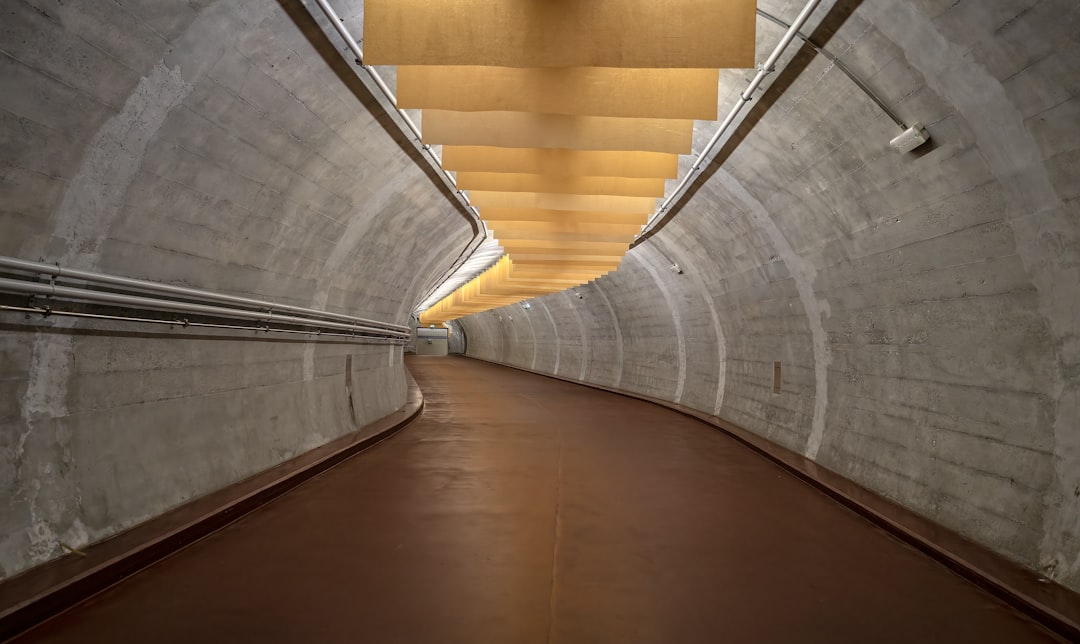
The vast, white expanse of Greenland’s ice sheet, a colossal frozen continent, has long captivated the scientific imagination. While much research focuses on its surface and the intricate dance of glaciers reaching the sea, a new frontier is being explored – the creation of tunnels beneath this colossal, dynamic entity. This endeavor, fraught with unprecedented challenges, promises to unlock secrets of the ice sheet’s interior and potentially pave the way for groundbreaking scientific exploration and even, in the distant future, novel human endeavors.
The reasons for venturing beneath Greenland’s ice are as multifaceted as the ice sheet itself. For decades, scientists have grappled with understanding the complex processes that govern the ice sheet’s behavior. This includes its mass balance, its contribution to global sea-level rise, and the influence of subglacial hydrology – the intricate network of rivers and lakes hidden beneath kilometers of ice.
Unraveling Ice Sheet Dynamics: The Hydrological Heartbeat
Beneath the seemingly solid surface of the Greenland ice sheet lies a dynamic and surprisingly active hydrological system. This subglacial world is not merely static ice; it is a region where meltwater, generated by geothermal heat and frictional processes, carves out complex channels and carves. Understanding this subterranean river system is crucial for predicting how the ice sheet will respond to a warming climate.
The Role of Meltwater in Ice Flow
Meltwater acts as a lubricant. As it accumulates in vast subglacial lakes and flows through interconnected channels, it reduces the friction between the ice and the bedrock. This lubrication allows the ice to flow more rapidly towards the coast, accelerating the discharge of ice into the ocean and thus contributing to sea-level rise. By studying these water systems directly, researchers aim to refine models that predict the rate of this glacial discharge.
Mapping Subglacial Lakes and Rivers: A Hidden Network
For years, our understanding of these subglacial features relied on indirect methods, such as radar surveys that penetrate the ice. However, direct observation offers a fidelity that remote sensing cannot match. Creating tunnels allows for the deployment of sensors directly into these environments, providing real-time data on water pressure, flow rates, temperature, and water chemistry. This data is invaluable for understanding the intricate plumbing of the ice sheet.
Investigating Past Climates: A Frozen Archive
The Greenland ice sheet is not just a frozen mass of water; it is a repository of Earth’s climatic history. Ice cores drilled from its depths contain trapped air bubbles and isotopic signatures that offer a detailed record of past atmospheric conditions, temperature fluctuations, and even volcanic events stretching back hundreds of thousands of years. However, deeper access to these archives, particularly those located in the thick interior of the ice sheet, presents significant logistical hurdles.
Accessing Undisturbed Ice: Reaching Ancient Layers
The deepest and oldest ice, containing the most valuable climate records, lies far beneath the surface. Traditional drilling methods, while effective for shallower depths, become increasingly challenging and resource-intensive for reaching these primeval layers. Tunnels, while a radical approach, could potentially provide stable and accessible platforms for advanced drilling operations, allowing for the retrieval of pristine ice samples without the compromises sometimes associated with current methods.
Studying Glacial Evolution: The Ice Sheet’s Autobiography
By examining the ice layers within these deep tunnels, scientists can gain unparalleled insights into how the Greenland ice sheet has formed, grown, and retreated over geological timescales. This historical perspective is vital for understanding the long-term stability of the ice sheet and its potential future behavior in response to ongoing climate change.
Recent advancements in engineering and environmental science have opened up discussions about the feasibility of building tunnels beneath the moving ice of Greenland. This innovative approach could potentially facilitate resource extraction and transportation while minimizing surface disruption. For a deeper understanding of the legal implications surrounding such projects, including national interests and sovereignty, you can refer to this insightful article on legal frameworks: Legal Frameworks for Nationalization: Protecting Sovereign Interests.
The Technological Frontier: Engineering Under the Ice
The creation of tunnels beneath Greenland’s ice is not a task for conventional engineering. It demands innovative technological solutions capable of overcoming extreme cold, immense pressure, and the inherent instability of moving ice. This is a realm where cutting-edge robotics, advanced materials science, and novel excavation techniques are brought to bear.
Excavation Methods: A New Breed of Machinery
Traditional tunneling techniques used for mining or civil engineering are ill-suited for the unique conditions found beneath an ice sheet. The forces at play are immense, and the environment is unforgiving. New methods are being conceptualized and developed, often drawing inspiration from concepts used in space exploration and deep-sea exploration.
Thermal Drilling: Melting a Path Through the Ice
One promising approach involves thermal drilling. This method utilizes heated probes or specialized melting devices to bore through the ice. The molten ice can then be pumped away or allowed to refreeze behind the tunneling equipment, potentially creating a stable, self-supporting tunnel. This technology needs to be robust enough to withstand the extreme temperatures and pressures.
Advanced Robotic Excavators: Autonomous Intelligence
The use of autonomous robots equipped with advanced drilling and excavation tools is another critical aspect. These robots would be able to navigate the complex subglacial environment, perform continuous excavation, and transmit data back to surface control centers. Their ability to operate in hazardous conditions without direct human intervention is paramount.
Structural Integrity: The Challenge of a Moving Medium
Perhaps the most significant engineering challenge is ensuring the structural integrity of the tunnels. The ice sheet is not static; it flows, shifts, and deforms under its own immense weight and the influence of gravity. Tunnels carved into this dynamic medium are constantly subjected to colossal forces.
Ice Mechanics and Stress Management
Understanding the complex mechanics of ice deformation under extreme pressure is essential. Engineers must develop strategies to predict and manage the stresses on the tunnel walls. This might involve reinforcing the tunnel with advanced materials or designing the tunnel’s shape to better withstand the ice’s movement.
Active Support Systems: Counteracting Ice Deformation
In some scenarios, active support systems might be necessary. These could involve systems that monitor ice deformation and automatically adjust structural supports or apply counter-pressures to prevent tunnel collapse. This represents a significant leap in engineering, requiring continuous monitoring and real-time adaptation.
Environmental Considerations: Balancing Progress and Preservation

The pursuit of scientific knowledge beneath Greenland’s ice is inextricably linked to environmental responsibility. The pristine Arctic environment demands careful consideration, and any subterranean endeavors must be undertaken with the utmost respect for its ecological balance.
Minimizing Disturbance: The Principle of Least Impact
The primary objective is to minimize any disturbance to the ice sheet and its underlying ecosystems. This means developing technologies and operational procedures that have the smallest possible footprint.
Waste Management and Containment
The management of waste, including drilling fluids, lubricants, and any excavated materials, is a critical concern. Strict protocols for containment and removal or inert processing of waste are essential to prevent contamination of the subglacial environment.
Energy Efficiency and Renewable Power
The energy requirements for such an undertaking are substantial. Prioritizing energy-efficient technologies and exploring the use of renewable energy sources, such as wind or solar power at surface installations, will be crucial to reducing the overall environmental impact.
Protecting Subglacial Ecosystems: A Frontier of Discovery
Beneath the ice sheet lies a potentially unique and unexplored world of microbial life. These extremophiles, adapted to life in perpetual darkness and under immense pressure, could hold vital clues about the origins of life and novel biochemical processes.
Non-Invasive Sampling Techniques
Developing and employing non-invasive or minimally invasive sampling techniques will be paramount to studying these ecosystems without causing undue harm. This could involve specialized robotic probes that collect samples without disrupting the delicate microbial communities.
Preventing Contamination: A Biological Barrier
Strict sterilization protocols for all equipment and personnel entering the subglacial environment are essential to prevent the introduction of foreign microorganisms that could outcompete or harm native life.
Scientific Discoveries: Unlocking Greenland’s Secrets
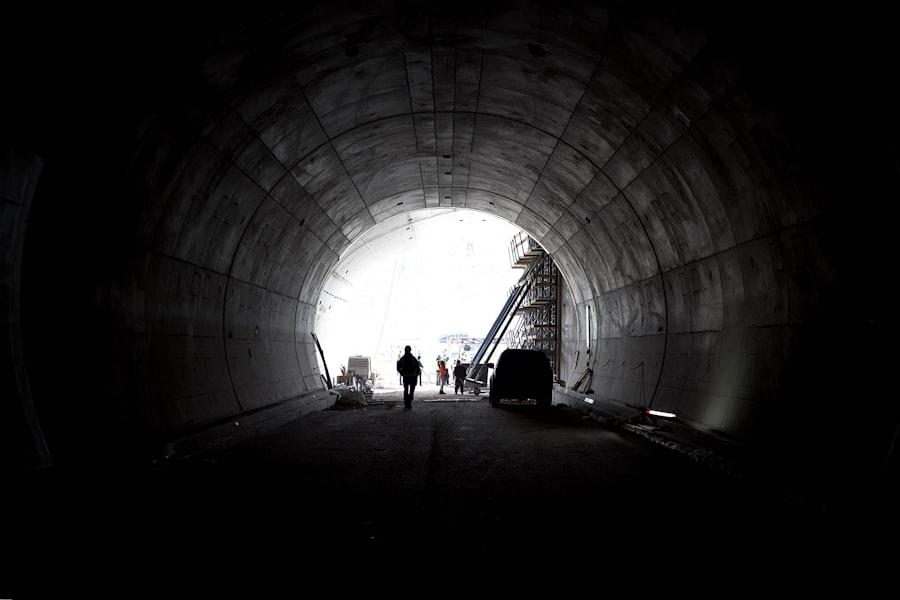
The establishment of subterranean access to Greenland’s interior holds the promise of transformative scientific discoveries, pushing the boundaries of our understanding of glaciology, climate science, and even astrobiology.
Direct Observation of Subglacial Processes: A Paradigm Shift
The ability to directly observe and interact with the subglacial environment represents a paradigm shift in glaciological research. It moves beyond inference and remote sensing to direct empirical data collection.
Real-Time Monitoring of Meltwater Dynamics
Directly deploying sensors within subglacial rivers and lakes will allow for unprecedented real-time monitoring of meltwater flow, pressure fluctuations, and thermal regimes. This data will be invaluable for validating and improving ice flow models.
Understanding Bedrock-Ice Interaction
Tunnels will provide opportunities to study the complex interaction between the ice sheet and the underlying bedrock. This includes examining the erosional processes, the nature of the bedrock surface, and the potential for subglacial volcanism or geothermal activity.
Accessing Pristine Paleoclimate Archives: The Deepest Records
The potential for accessing undisturbed, ancient ice layers far exceeds current capabilities. This could unlock an invaluable archive of Earth’s past.
High-Resolution Climate Reconstructions
Ice cores retrieved from deep within these tunnels could provide climate records with unparalleled temporal resolution, allowing for the reconstruction of past climate events with exquisite detail, offering insights into rapid climate shifts.
Atmospheric Composition of Bygone Eras
The trapped air bubbles within these ancient ice layers represent tiny time capsules of the Earth’s past atmosphere. Analyzing these bubbles will allow scientists to precisely determine the composition of greenhouse gases, dust particles, and other atmospheric constituents from millennia ago.
The Search for Extraterrestrial Life: Earth Analogues
The extreme conditions found beneath Greenland’s ice – perpetual darkness, high pressure, and limited nutrient availability – bear striking resemblances to environments on other planets and moons in our solar system.
Astrobiological Analogues for Icy Worlds
The study of subglacial microbial life can serve as a valuable analogue for the search for life on icy bodies like Europa (moon of Jupiter) or Enceladus (moon of Saturn). Understanding how life survives and thrives in such challenging environments on Earth provides crucial insights for astrobiological exploration.
Novel Metabolic Pathways and Biosignatures
The discovery of novel metabolic pathways and biosignatures in these extremophile communities could refine our understanding of the fundamental requirements for life and improve our ability to detect life beyond Earth.
Recent advancements in engineering have sparked interest in the potential for building tunnels beneath the moving ice of Greenland, a topic that raises numerous environmental and logistical questions. For those curious about how global manufacturing trends might influence such ambitious projects, an insightful article discusses Mexico’s rise as a manufacturing hub, which could impact supply chains and resource allocation in regions like Greenland. You can read more about this shift in the article here.
Future Prospects: Beyond Scientific Exploration
| Location | Greenland |
|---|---|
| Project Name | Building Tunnels Beneath Moving Greenland Ice |
| Objective | Facilitate transportation and infrastructure development in Greenland |
| Challenges | Dealing with shifting ice, extreme weather conditions, and environmental impact |
| Benefits | Improved accessibility, reduced travel time, and economic growth |
While the immediate focus of creating tunnels beneath Greenland’s ice is on scientific advancement, the long-term implications and future prospects are vast and even extend into speculative, yet intriguing, possibilities.
Resource Exploration and Extraction: A Distant Dream
In the very long term, the existence of stable, accessible subterranean pathways could, in theory, open up possibilities for resource exploration. While highly speculative and facing immense technological and environmental hurdles, the potential for accessing geological formations or even unique mineral deposits beneath the ice cannot be entirely discounted.
Geothermal Energy Potential
Understanding the geothermal heat flow beneath the ice sheet could, in the far future, inform strategies for harnessing this energy. However, the practicality and environmental impact of such endeavors would require extensive research.
Unique Geological Formations
The geological processes that occur beneath a massive ice sheet can create unique formations. While currently beyond our technical reach, future advancements might allow for their study or even, in a highly controlled manner, their utilization.
Novel Infrastructure and Habitation: Science Fiction or Future Reality?
The concept of establishing permanent subterranean infrastructure or even, in the realm of science fiction, habitats beneath the ice sheet is a captivating thought. While purely hypothetical at this stage, it highlights the transformative potential of such pioneering engineering.
Subglacial Research Stations: Permanent Outposts
The creation of tunnels could lead to the development of permanent, highly protected subglacial research stations, offering unparalleled access to the ice sheet’s interior for continuous, long-term studies. These stations would be shielded from surface weather extremes.
Protected Environments for Specialized Research
The stable, cold environment beneath the ice could also be ideal for certain types of specialized research or the preservation of sensitive materials, offering a controlled setting free from surface environmental fluctuations.
A New Era of Arctic Understanding and Stewardship
Ultimately, the endeavor of creating tunnels beneath Greenland’s moving ice represents a commitment to a deeper understanding and more effective stewardship of our planet. It is a testament to human ingenuity and our insatiable curiosity about the unknown, pushing the boundaries of what is possible and forging a new path into the heart of Earth’s frozen giants. The challenges are immense, but the potential rewards, in terms of scientific knowledge and future possibilities, are immeasurable.
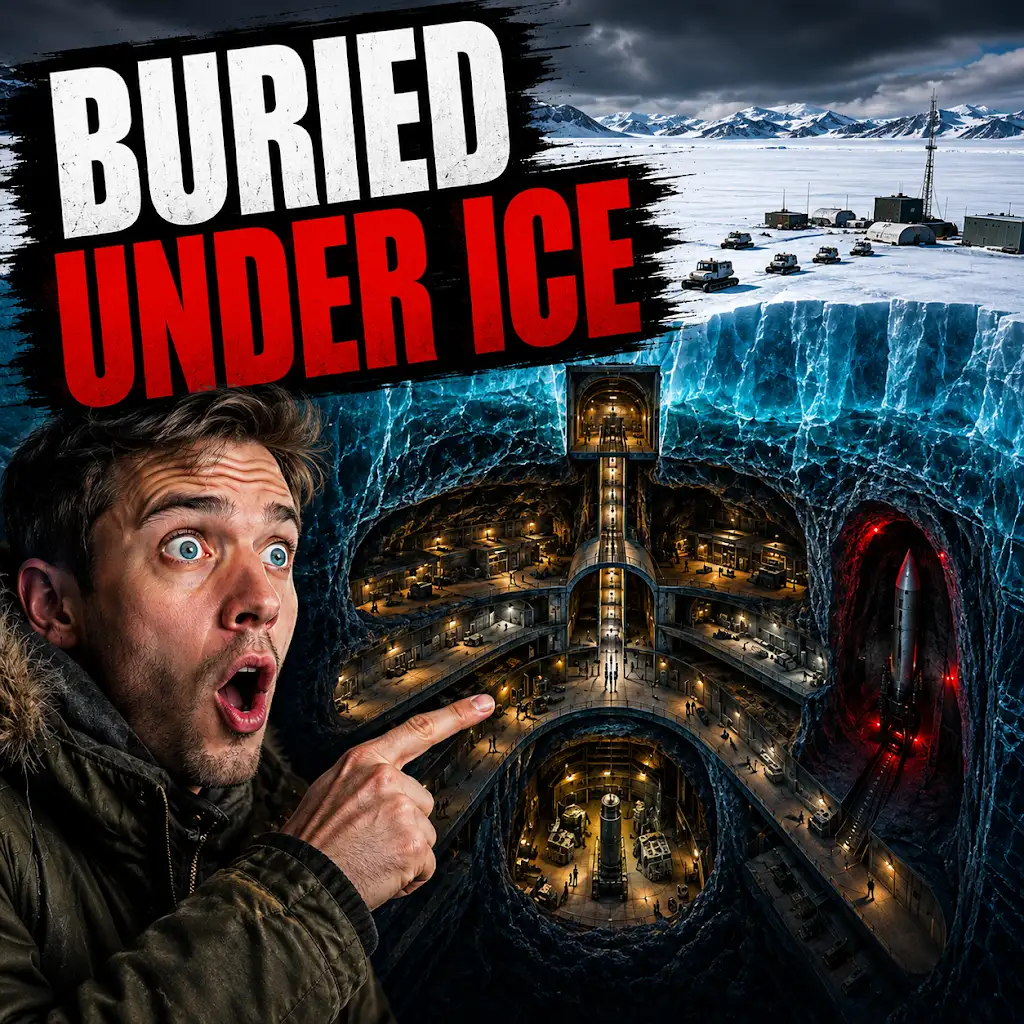
The U.S. Built a Nuclear City Under Greenland. The Ice Won.
FAQs
What is the purpose of building tunnels beneath moving Greenland ice?
Building tunnels beneath moving Greenland ice can provide scientists with valuable data about the behavior and dynamics of the ice sheet. It can also offer a way to monitor and study the effects of climate change on the ice sheet.
How are the tunnels constructed beneath the moving Greenland ice?
Constructing tunnels beneath moving Greenland ice involves using specialized equipment to bore through the ice and create a stable tunnel structure. This process requires careful planning and engineering to ensure the safety and stability of the tunnels.
What challenges are involved in building tunnels beneath moving Greenland ice?
Building tunnels beneath moving Greenland ice presents several challenges, including the dynamic nature of the ice sheet, extreme weather conditions, and logistical difficulties in transporting equipment and supplies to remote locations. Additionally, ensuring the safety of workers and researchers in such harsh environments is a major concern.
What are the potential benefits of studying the ice sheet from tunnels beneath Greenland?
Studying the ice sheet from tunnels beneath Greenland can provide valuable insights into the processes driving ice sheet movement, melting, and overall behavior. This information is crucial for understanding the impacts of climate change and making more accurate predictions about sea level rise.
How do tunnels beneath moving Greenland ice contribute to scientific research and understanding of climate change?
Tunnels beneath moving Greenland ice provide scientists with direct access to the ice sheet, allowing for the collection of data and samples that can improve our understanding of climate change and its effects on the ice sheet. This research can help inform policy decisions and mitigation strategies related to climate change.