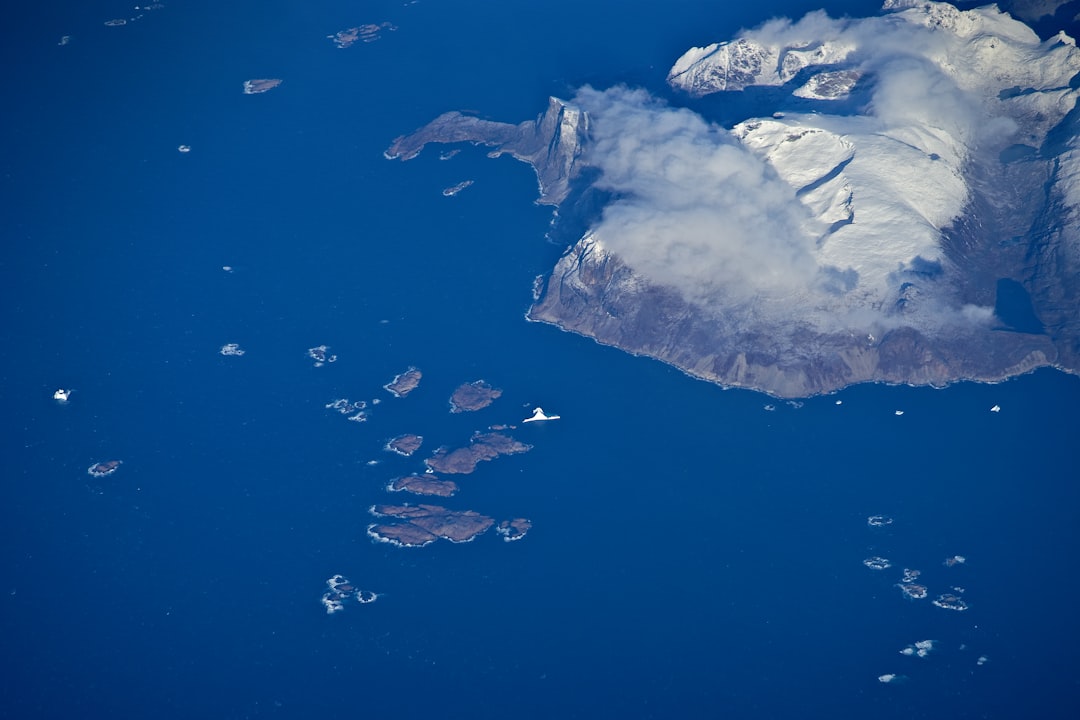
The frigid expanse of Greenland, a land often perceived as a pristine, untouched wilderness, holds secrets buried deep beneath its colossal ice sheet. In a discovery that has sent ripples of intrigue through scientific and historical communities, previously unknown United States Army tunnels have been uncovered, concealed for decades beneath the frozen surface. This revelation not only rewrites a chapter of Cold War history but also raises profound questions about the purpose, scope, and potential legacy of these subterranean complexes. The sheer scale of the excavation required to build such structures in such an unforgiving environment speaks volumes about the strategic imperatives of the era.
The story of these secret tunnels begins with a series of aerial surveys and ground-penetrating radar investigations conducted over several years. Initially, researchers were mapping the subglacial topography of Greenland, seeking to understand the dynamics of the ice sheet and its impact on global sea levels. What they stumbled upon, however, was far from natural geological formations. The anomalous readings suggested large, man-made structures, a stark contrast to the expected bedrock and ice.
The First Glimmers of an Anomaly
The initial data, collected by a team of glaciologists and geophysicists, indicated significant disruptions in the expected subsurface profiles. These disruptions were not consistent with moraines or glacial meltwater channels. Instead, they suggested linear and geometric features, too regular and extensive to be natural. Scientists, accustomed to the subtle and often unpredictable nature of glacial landscapes, were intrigued by the sheer boldness of these subsurface signatures.
Ground-Penetrating Radar: Peeling Back the Ice
Ground-penetrating radar (GPR) proved to be the key instrument in confirming these suspicions. By emitting radio waves into the ice and analyzing the reflected signals, GPR can create a detailed, albeit often abstract, picture of what lies beneath. The processed GPR data revealed vast networks of tunnels, chambers, and what appeared to be the foundations of substantial buildings, all entombed in ice. The sheer depth at which these anomalies were found, hundreds of feet below the surface, added to the mystery.
A Race Against Time and Ice
The challenge was immense. Greenland’s ice sheet is constantly moving and accumulating, meaning any structures built on its surface would eventually be buried. The fact that these tunnels were discovered so deep suggested they had been constructed a considerable time ago and then, over decades, enveloped by the relentless march of ice. This inherent dynamism of the environment posed significant challenges to both the initial construction and the subsequent discovery.
In exploring the intriguing history of military operations and their impact on the environment, one can draw connections to the US Army’s tunnels beneath the Greenland ice. These tunnels, a remnant of Cold War-era strategies, reveal the complex interplay between national security and geological phenomena. For a deeper understanding of how historical events can shape our perception of time and place, you may find the article “The Year History Stood Still When the Wind Ceased” insightful. It discusses the broader implications of historical moments and their lasting effects on our world. You can read it here: The Year History Stood Still When the Wind Ceased.
Project Iceworm: The Genesis of a Subglacial City
The unearthed tunnels are now widely believed to be remnants of a highly classified United States Army project known as “Project Iceworm.” This ambitious undertaking, initiated during the height of the Cold War, aimed to establish a strategically vital military installation beneath the Greenland ice sheet. The primary objective was to house and deploy intercontinental ballistic missiles (ICBMs) capable of reaching targets in the Soviet Union.
The Cold War Imperative
The geopolitical climate of the late 1950s and early 1960s was defined by intense rivalry and the ever-present threat of nuclear war. The United States sought to maintain a strategic advantage over the Soviet Union, and the idea of a hidden missile base, impervious to conventional attacks and capable of launching devastating strikes, held significant appeal. Greenland, with its remote location and substantial ice cover, offered a unique and seemingly ideal hiding place.
A Mobile Missile Base Concept
Project Iceworm’s most audacious element was the concept of a “mobile” missile base. The plan was to construct a network of tunnels that could be extended and repositioned as the ice sheet moved. The idea was that the entire base would theoretically be able to “sail” through the ice, maintaining its strategic alignment. This concept, while visionary, was also incredibly ambitious and fraught with engineering challenges.
The Scale of the Undertaking
To realize this vision, the Army envisioned a sprawling underground city, capable of housing thousands of personnel and a significant arsenal of nuclear missiles. The planned base, codenamed “Camp Century,” was intended to be a self-sufficient facility, complete with living quarters, power generation, and the missile launch facilities themselves. The scale of the excavation and construction required was unprecedented for such a remote and inhospitable environment.
Construction in the Extreme: Engineering Marvels and Challenges
The construction of Camp Century and its associated tunnel network was a monumental feat of engineering, undertaken in one of the most challenging environments on Earth. The sheer logistics of transporting materials, equipment, and personnel to Greenland, and then excavating and building beneath hundreds of feet of ice, were staggering. The project demanded innovative solutions to overcome a myriad of obstacles.
The Frozen Frontier: A Harsh Operating Environment
Greenland’s subarctic climate presents extreme conditions: brutal cold, high winds, persistent darkness for much of the year, and the constant threat of blizzards. These factors made every aspect of construction arduous. Workers faced the constant danger of frostbite, hypothermia, and equipment failure due to the extreme temperatures.
Excavation Techniques Beneath the Ice
The primary method of excavation involved creating a series of large, parallel trenches on the ice surface. These trenches were then covered with prefabricated modules, creating a sealed environment. Within these modules, large boring machines were employed to excavate tunnels into the ice. The excavated ice was then used to reinforce the tunnel walls or was pushed to the surface.
The Importance of Prefabricated Structures
To expedite construction and minimize time spent in the harsh external environment, a significant portion of Camp Century was prefabricated in the United States. These modules were then transported to Greenland, assembled on the ice, and lowered into the excavated trenches. This modular approach allowed for a relatively rapid assembly of the underground facilities.
Managing the Dynamic Ice
One of the most significant challenges was the inherent movement of the Greenland ice sheet. The ice is not static; it flows and deforms. The designers of Project Iceworm had to account for this movement, creating structures that could accommodate shifts and strains. However, the long-term stability of these structures within a moving ice mass proved to be a fundamental flaw.
The Demise of Project Iceworm: Unforeseen Challenges and Abandonment
Despite the immense effort and resources poured into Project Iceworm, the ambitious subterranean missile base ultimately proved to be unsustainable. A combination of unforeseen engineering challenges, the inherent instability of building on a moving ice sheet, and a shift in strategic priorities led to the project’s eventual abandonment. The tunnels and facilities were left to be swallowed by the ice, their secrets preserved for decades.
The Shifting Ice: A Constant Threat
The primary reason for the project’s downfall was the relentless movement of the Greenland ice sheet. The tunnels and supporting structures were designed with some allowance for ice movement, but the reality proved far more dynamic. The ice exerted immense pressure, causing tunnels to buckle, walls to crack, and structures to become unstable. The “mobile” base concept, in practice, became a significant liability.
Environmental and Logistical Difficulties
Beyond the structural issues, the project faced persistent logistical and environmental hurdles. Maintaining a constant supply chain of fuel, food, and equipment to such a remote location was a complex and costly endeavor. The harsh climate also led to frequent equipment breakdowns and health issues for the personnel stationed there.
Evolving Strategic Landscape
The strategic landscape of the Cold War was also in constant flux. The development of new missile technologies, including submarine-launched ballistic missiles (SLBMs), reduced the perceived necessity of a fixed, subglacial ICBM base. The advantages of a mobile, less vulnerable platform began to outweigh the risks and complexities of the Greenland project.
The Gradual Withdrawal and Abandonment
By the late 1960s, the decision was made to phase out Project Iceworm. The Army began dismantling key components and withdrawing personnel. The aim was to leave the site in a condition that minimized environmental impact, though the extent to which this was achieved remains a subject of ongoing investigation. The tunnels and their contents were effectively sealed off, left to the embrace of the ice.
Recent discoveries about the US Army tunnels beneath the Greenland ice have sparked significant interest in military engineering and its historical implications. These tunnels, believed to be remnants of Cold War-era operations, raise questions about the extent of military activities in remote locations. For a deeper understanding of the strategic importance of such infrastructure, you can explore a related article that discusses the intricate relationship between military power and resource management in the context of the Two Crowns. This insightful piece can be found here.
The Legacy and Future of the Secret Tunnels
| Location | Depth | Length | Purpose |
|---|---|---|---|
| Greenland | Unknown | Unknown | Military operations |
The discovery of these hidden US Army tunnels beneath Greenland’s ice sheet opens a new chapter in understanding the Cold War and its hidden machinations. The site represents a fascinating intersection of military strategy, audacious engineering, and the unforgiving power of nature. As scientists continue to explore and study the area, the legacy of Project Iceworm is being re-examined, offering valuable insights into past endeavors and potential future implications.
A Glimpse into Cold War Ingenuity and Hubris
These tunnels serve as a tangible testament to the lengths to which nations would go during the Cold War to achieve strategic superiority. They showcase both the remarkable ingenuity of engineers and the potential for hubris in ambitious, large-scale projects. The existence of such a clandestine base, hidden beneath a vast ice sheet, speaks volumes about the secrecy and paranoia that characterized the era.
Environmental Concerns and Archaeological Value
The abandonment of Camp Century has raised environmental concerns. While efforts were made to remove hazardous materials, residual waste, including diesel fuel and sewage, may still be present within the buried structures. Scientists are now working to assess the potential environmental risks and develop strategies for managing or mitigating them. Furthermore, the site holds significant archaeological value, offering a unique snapshot of military life and engineering practices from a bygone era.
Modern Exploration and Scientific Research
Modern exploration techniques, including advanced radar imaging and remotely operated vehicles, are being employed to further map and understand the tunnel network. Researchers are eager to uncover more details about the infrastructure, the equipment left behind, and the daily lives of the personnel who worked there. This research promises to provide invaluable data for glaciologists studying ice sheet dynamics and for historians seeking to reconstruct the narrative of the Cold War.
The Enduring Mystery of the Ice
The secret US Army tunnels beneath Greenland’s ice serve as a potent reminder that even in the most remote corners of our planet, history often lies hidden, waiting to be unearthed. The discovery challenges our perceptions of Greenland and deepens our understanding of the complex, often covert, strategies that shaped the modern world. As the ice continues its slow, inexorable dance, the secrets it holds will undoubtedly continue to emerge, prompting further investigation and reflection. The story of these subglacial structures is far from over; it is a narrative that continues to be written by the ice itself.
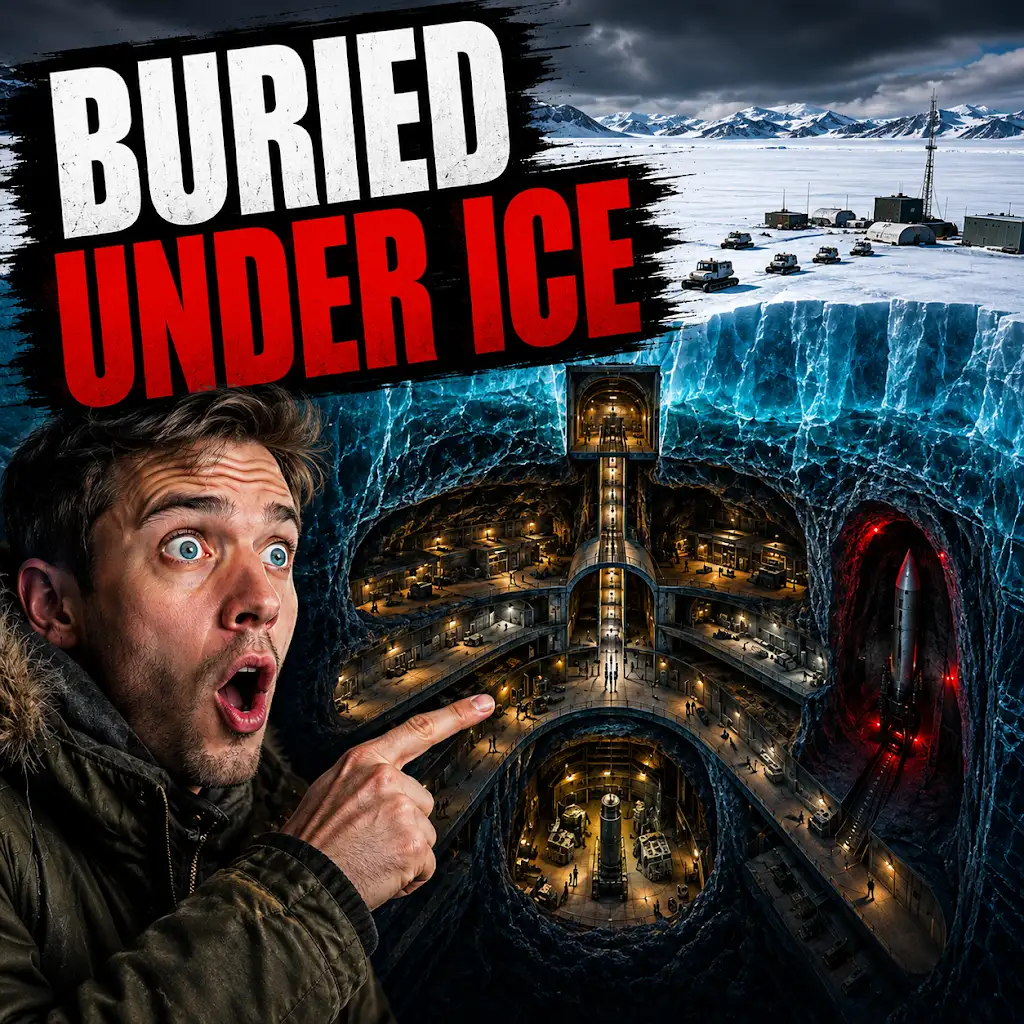
The U.S. Built a Nuclear City Under Greenland. The Ice Won.
FAQs
What is the purpose of the US Army tunnels beneath Greenland ice?
The purpose of the US Army tunnels beneath Greenland ice is to provide a secure and climate-controlled environment for storing equipment, supplies, and fuel. These tunnels also serve as a research facility for studying the effects of climate change on the ice sheet.
How were the tunnels constructed beneath the Greenland ice?
The tunnels were constructed using specialized equipment and techniques designed to bore through the thick ice sheet. Engineers and construction crews used hot water to melt through the ice, creating a network of tunnels and chambers beneath the surface.
What are the benefits of having tunnels beneath the Greenland ice?
Having tunnels beneath the Greenland ice provides the US Army with a strategic advantage by allowing for the storage of equipment and supplies in a secure and protected environment. Additionally, the tunnels serve as a base for conducting research and scientific studies on the ice sheet.
Are the tunnels beneath the Greenland ice environmentally sustainable?
The US Army has taken measures to ensure that the tunnels beneath the Greenland ice are environmentally sustainable. This includes implementing strict waste management practices and minimizing the impact on the surrounding ice sheet and ecosystem.
How does the US Army maintain the tunnels beneath the Greenland ice?
The US Army regularly monitors and maintains the tunnels beneath the Greenland ice to ensure their structural integrity and functionality. This includes conducting inspections, repairs, and implementing measures to mitigate any potential risks or hazards.