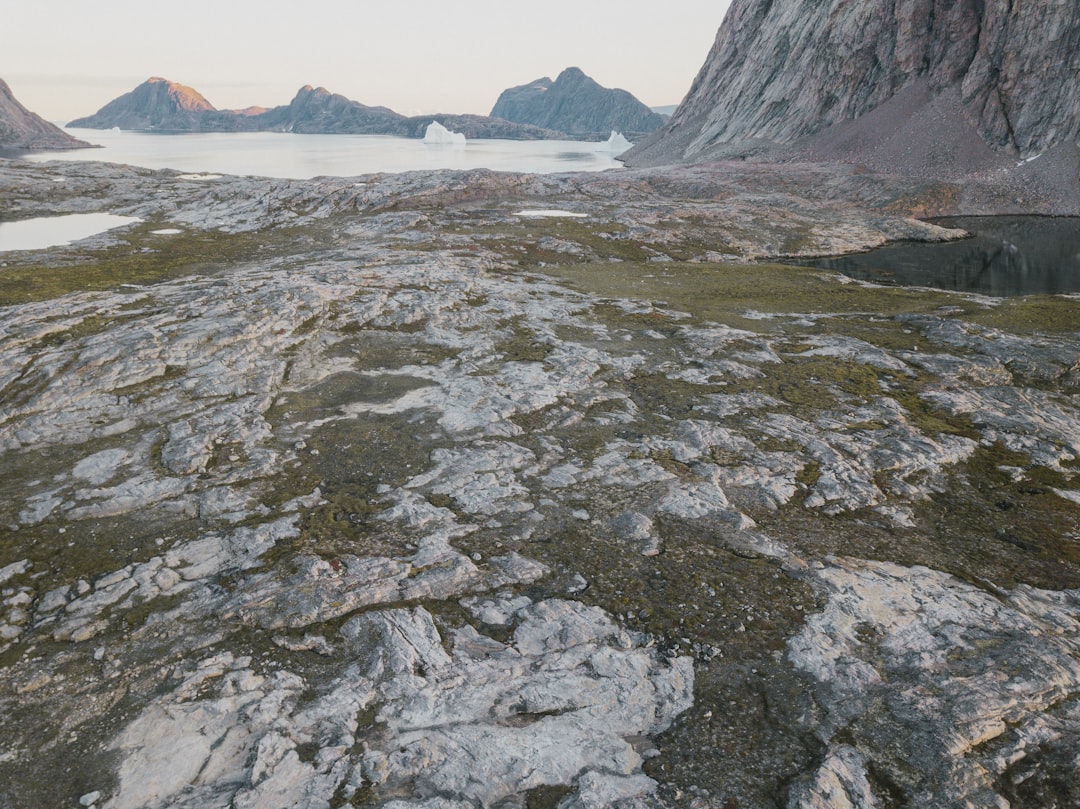
The vast, ice-bound expanse of Greenland has long held a mystique, its frozen landscapes a siren call to explorers and adventurers. While its surface, a formidable kingdom of ice and snow, is well-documented, whispers of a hidden world beneath its frozen crust have persisted, fueling imaginations. These whispers speak of a network of secret underground tunnels, an enigma that challenges conventional understanding of this remote Arctic territory. This article delves into the tantalizing possibility of Greenland’s secret underground tunnels, exploring their potential origins, speculated purposes, and the enduring allure of their discovery.
Greenland’s sheer scale and its isolation make it a prime candidate for harboring hidden secrets. Covered by the second-largest ice sheet on Earth, much of its bedrock remains hidden, a vast, unexplored frontier. The extreme climatic conditions and the ever-shifting nature of the ice sheet can both conceal and reveal geological formations and potentially man-made structures. The ancient Inuit cultures that have inhabited Greenland for millennia, along with more recent historical periods of exploration and military presence, offer a rich tapestry of potential origins for such clandestine constructions.
Ancient Whispers and Indigenous Knowledge
The indigenous Inuit people of Greenland possess a deep and intricate understanding of their land, passed down through generations. Their oral traditions and sagas often speak of hidden places, sacred sites, and passages that defy easy explanation. While these stories are often imbued with spiritual or metaphorical meaning, some scholars and enthusiasts suggest that they may contain kernels of truth, referencing physical locations that have since been lost to time or ice. The concept of “hidden worlds” or “underground realms” is not uncommon in indigenous mythologies worldwide, often tied to the earth’s power or as places of refuge.
Interpreting Inuit Oral Traditions
Deciphering the exact meaning of ancient oral traditions can be a complex undertaking. Linguists, anthropologists, and archaeologists work to understand the nuances of the Inuktitut language and the cultural context of these stories. Some narratives might describe naturally occurring ice caves or lava tubes that were significant to the community. However, others hint at more deliberate constructions, possibly for shelter from harsh weather or as clandestine meeting places. The challenge lies in distinguishing between literal descriptions and symbolic narratives, a process that requires careful research and respect for indigenous knowledge systems.
The Geological Canvas: Natural Formations and Subterranean Potential
Greenland’s geological makeup presents a plausible foundation for the existence of natural subterranean features that could be mistaken for or even incorporated into man-made tunnels. The island’s volcanic past, though largely dormant, has left behind a complex geological history. Furthermore, the immense pressure of the ice sheet can create and shape underground cavities.
Ice Caves and Subglacial Lakes
The most readily accessible form of subterranean features in Greenland are ice caves. These can form through various processes, including the melting of ice from geothermal heat or the flow of meltwater. Some ice caves can be extensive, creating labyrinthine passages beneath the surface. Similarly, the presence of subglacial lakes, vast bodies of water hidden beneath kilometers of ice, suggests that water flow and erosion can carve out significant spaces. While not tunnels in the conventional sense, these features demonstrate the dynamic nature of Greenland’s underbelly.
Volcanic Activity and Lava Tubes
Greenland has experienced volcanic activity in its geological past. Where lava flows cooled and solidified, they could have left behind lava tubes. These are natural tunnels formed when the outer crust of a lava flow solidifies while the molten lava beneath continues to flow. Once the lava drains away, it leaves behind a hollow, often tubular, passage. While direct evidence of extensive lava tube networks in Greenland is scarce in popular literature, the geological potential exists, particularly in areas with a history of volcanic eruptions.
Recent studies have revealed fascinating insights into the underground tunnels beneath the Greenland ice sheet, which play a crucial role in understanding climate change and its impacts on sea-level rise. These tunnels, formed by meltwater, create a complex network that influences the movement of ice and the stability of the ice sheet itself. For a broader perspective on how natural resources and geopolitical dynamics intersect, you might find the article on the new space race and the struggle for lunar resources particularly interesting. You can read it here: The New Space Race: Geopolitical Struggle for Lunar Resources.
Speculated Origins: Who Built These Tunnels?
The question of who might have constructed such an extensive network of tunnels in Greenland is as intriguing as the tunnels themselves. Several hypotheses have been proposed, ranging from ancient civilizations to more recent military endeavors. Each carries its own set of intriguing possibilities and challenges.
Ancient Civilizations: Pre-Inuit Occupants?
The possibility of ancient, unknown civilizations predating the Inuit presence in Greenland is a persistent theme in speculative discussions. Archaeological evidence in Greenland is relatively sparse compared to other regions, leaving ample room for the imagination. Could there have been a lost culture that possessed the engineering prowess to excavate underground passages?
The Enigmatic Dorset Culture
The Dorset culture, which inhabited Greenland and other Arctic regions for centuries before the arrival of the Thule Inuit, is often cited in these discussions. While the Dorset people were known for their sophisticated tool-making and artistic expressions, there is currently no direct archaeological evidence to suggest they constructed extensive underground tunnel systems. However, the limited nature of archaeological exploration in many parts of Greenland means that definitive answers remain elusive.
Cold War Era Military Projects: Secret Bases and Bunkers
The strategic importance of Greenland during the Cold War cannot be overstated. Its proximity to North America and Europe made it a crucial location for military installations, radar sites, and early warning systems. This period saw significant construction efforts, often in remote and harsh environments. The idea that some of Greenland’s rumored tunnels could be remnants of clandestine military projects, such as underground command centers, supply routes, or even secret research facilities, is a compelling one.
NORAD and Project Iceworm
Project Iceworm, a highly ambitious and ultimately unsuccessful US military project in the early 1960s, aimed to construct a network of missile launch facilities beneath the Greenland ice sheet. While the project was eventually abandoned due to the ice’s constant movement, it involved extensive subsurface excavation and the creation of what could be described as a proto-tunnel system. This historical precedent lends significant credibility to the idea of military-driven subsurface construction in Greenland. The sheer scale of the Iceworm project, even in its unfinished state, demonstrates the feasibility of such undertakings.
Other Post-War Military Installations
Beyond Project Iceworm, numerous other military installations and radar stations were established in Greenland during the Cold War. These often required extensive infrastructure, including protected access routes and storage facilities. It is plausible that some of these facilities included underground components or connecting tunnels, the existence of which may have been classified for security reasons.
Modern Exploration and Scientific Research: Unforeseen Discoveries?
While the focus is often on ancient or military origins, it’s also conceivable that more recent scientific expeditions or private explorations might have stumbled upon or even inadvertently created subterranean passages. The challenges of working in Greenland can lead to innovative solutions for shelter and access.
Geothermal Research and Drilling Sites
Scientific endeavors, particularly those involving geothermal energy research or deep ice core drilling, require access to the subsurface. While not typically involving extensive tunneling, these operations could inadvertently connect to or uncover pre-existing natural cavities or smaller, forgotten human-made structures.
The Nature of the Tunnels: What Do They Look Like?
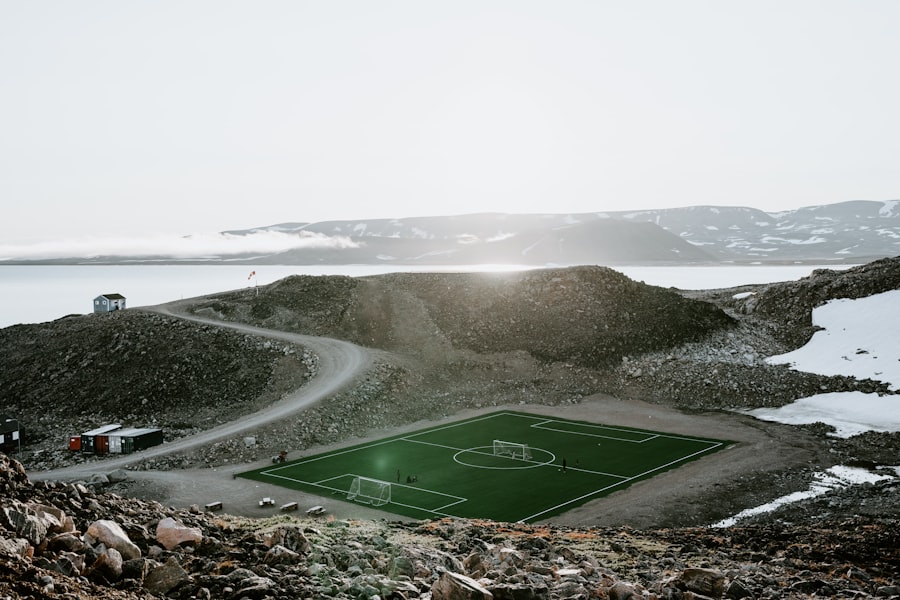
The descriptions and speculations surrounding Greenland’s underground tunnels vary widely, painting a picture of diverse structures and environments. Understanding their potential characteristics is crucial in evaluating their existence.
Natural vs. Man-Made: Distinguishing Features
A key challenge in identifying and studying these tunnels is distinguishing between natural geological formations and deliberately constructed passages. Natural features like ice caves and lava tubes often exhibit characteristics of erosion and natural growth, such as irregular shapes and smooth surfaces. Man-made tunnels, conversely, might display evidence of tools, deliberate excavation patterns, and more regular, geometric shapes.
Ice Formations and Structural Integrity
In an icy environment, the construction and stability of tunnels present unique challenges. Man-made tunnels could be lined with materials to prevent collapse, or they might be carved directly into the ice. The constant movement of the ice sheet can also pose a significant threat to any subsurface structure, potentially sealing them off or causing them to collapse over time.
Potential Dimensions and Extent of the Network
The rumored extent of Greenland’s tunnel network is often described as vast, suggesting a connected system spanning considerable distances. The dimensions of these tunnels are also a subject of speculation, ranging from narrow passages barely large enough for a single person to crawl through, to larger chambers capable of accommodating significant activity.
Subglacial Highways and Hidden Depots
Some theories propose that these tunnels served as subterranean highways, allowing for movement beneath the ice, shielded from the elements. Others suggest they were used as hidden depots for supplies or as secure locations for sensitive operations, particularly during the Cold War. The logistical implications of such a network are immense, hinting at a significant undertaking by its creators.
Evidence and Anecdotes: The Search for Proof
Despite the persistent rumors and speculative theories, concrete, publicly verifiable evidence of extensive, man-made underground tunnels in Greenland remains elusive. However, scattered anecdotes, eyewitness accounts, and intriguing discoveries fuel the ongoing search for answers.
Unexplained Anomalies and Subsurface Scans
Reports of unexplained anomalies detected by ground-penetrating radar or other subsurface scanning technologies have occasionally surfaced. While these anomalies can often be explained by natural geological features, their persistent appearance in certain areas continues to spark curiosity.
Personal Accounts and Cryptic Discoveries
Over the years, there have been sporadic personal accounts from individuals who claim to have encountered unusual subterranean features or entrances to hidden passages. These accounts, while often difficult to verify, contribute to the folklore surrounding Greenland’s hidden depths. Occasionally, discoveries are made during construction or exploratory activities that hint at something more than just natural formations, though definitive proof of extensive tunnel systems is yet to emerge.
The Mysteries and Implications of Discovery
The confirmed existence of a significant network of underground tunnels in Greenland would have profound implications, reshaping our understanding of the island’s history, its geological processes, and even its potential geopolitical significance.
Rewriting Greenland’s History
The discovery of ancient, man-made tunnels would force a re-evaluation of Greenland’s historical timeline and the capabilities of its past inhabitants. It could provide crucial insights into lost cultures and their technological advancements.
Challenging Existing Archaeological Paradigms
The presence of complex subterranean structures would challenge existing archaeological paradigms and necessitate new approaches to fieldwork and interpretation in Greenland. It would highlight the potential for undiscovered civilizations and their contributions to human history.
Understanding Subglacial Environments
For scientists, the discovery of accessible tunnels would offer unprecedented opportunities to study the subglacial environment. These hidden passages could provide direct access to the bedrock, meltwater systems, and unique ecosystems that exist beneath the ice sheet, offering vital data on climate change and glacial dynamics.
Insights into Glacier Dynamics and Meltwater Systems
Tunnels could act as natural conduits for studying the flow of meltwater beneath glaciers, a critical factor in understanding glacial movement and potential sea-level rise. Direct access to these systems would revolutionize research in glaciology and climate science.
Geopolitical and Strategic Considerations
If any of the speculated tunnels are indeed of recent military origin, their discovery could have significant geopolitical implications. The existence of secret bases or underground facilities could raise questions about past and present international agreements and territorial claims.
The Legacy of Cold War Espionage
The possibility of uncovering remnants of Cold War-era espionage or clandestine operations adds a layer of intrigue. Such discoveries could shed light on forgotten aspects of the global political landscape during that era.
Recent studies have revealed intriguing insights into the underground tunnels beneath the Greenland ice sheet, which may play a significant role in understanding climate change and ice dynamics. These tunnels, formed by meltwater, could influence the stability of the ice sheet and its contribution to rising sea levels. For those interested in similar phenomena, an article discussing a mysterious landmass beneath the Antarctic ice provides fascinating parallels and insights into subglacial environments. You can read more about it in this related article.
The Future of Exploration: Unlocking Greenland’s Subterranean Secrets
| Location | Depth | Length | Discovery |
|---|---|---|---|
| Greenland Ice Sheet | Up to 1000 meters | Unknown | Discovered through satellite imagery and radar |
The allure of Greenland’s secret underground tunnels continues to captivate explorers, scientists, and adventurers. The future holds the promise of further exploration, technological advancements, and perhaps, the eventual revelation of these hidden subterranean marvels.
Advanced Subsurface Imaging and Robotics
The development of more sophisticated subsurface imaging technologies and advanced robotic exploration vehicles will be crucial in the search for these elusive tunnels. These tools can penetrate the ice and the earth, providing detailed maps and visual data of the subterranean world without risking human lives in potentially unstable environments.
Remote Sensing and Autonomous Exploration
The use of remote sensing technologies, such as advanced ground-penetrating radar and seismic imaging, can help identify potential subterranean anomalies from the surface. Autonomous underwater vehicles (AUVs) and remotely operated vehicles (ROVs) equipped with advanced sensors could then be deployed to explore any promising leads.
Collaborative Research Efforts
The challenging nature of exploring Greenland necessitates collaborative efforts between international scientific institutions, archaeological societies, and potentially, even governments. Sharing resources, expertise, and data will be essential in piecing together the puzzle of the island’s hidden depths.
Interdisciplinary Approaches to Investigation
A truly comprehensive approach would involve geologists, glaciologists, archaeologists, historians, and even anthropologists working together. Each discipline brings a unique perspective and set of tools, increasing the likelihood of a breakthrough.
The Ethical Considerations of Discovery
As exploration progresses, ethical considerations will become increasingly important. Respect for indigenous cultures, the preservation of any discovered sites, and responsible scientific practice must be paramount.
Preserving Indigenous Heritage and Sacred Sites
Any discoveries must be made with the utmost respect for the rights and heritage of the Inuit people, who have called Greenland home for millennia. The potential for uncovering sacred sites or artifacts requires careful consultation and collaboration with indigenous communities.
The whispers of Greenland’s secret underground tunnels may remain just that for now – whispers. Yet, the sheer scale of the island, its enigmatic past, and the ever-evolving landscape of scientific exploration leave the door wide open to the possibility that beneath the vast, silent ice, a hidden world awaits discovery, waiting to rewrite the story of this magnificent Arctic land. The pursuit of these subterranean secrets is not merely an adventure; it is a quest to understand the deepest layers of our planet and the enduring mysteries of human endeavor.
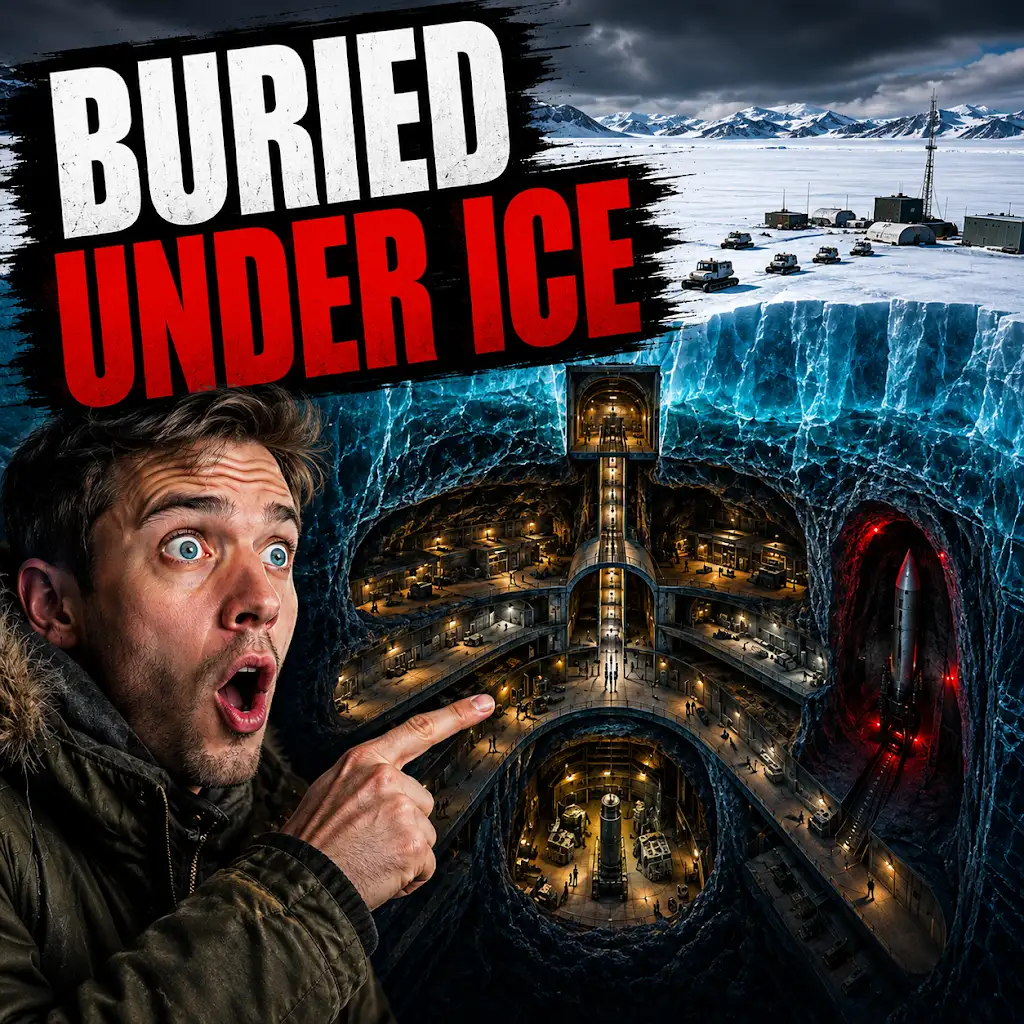
The U.S. Built a Nuclear City Under Greenland. The Ice Won.
FAQs
What are the underground tunnels beneath the Greenland ice sheet?
The underground tunnels beneath the Greenland ice sheet are large, winding channels formed by meltwater flowing beneath the ice. These tunnels can be several kilometers long and are typically found near the base of the ice sheet.
How are these tunnels formed?
The tunnels are formed by meltwater from the surface of the ice sheet, which flows down through crevasses and moulins to the base of the ice. The water then carves out channels in the ice, creating the underground tunnel network.
What is the significance of these tunnels?
These tunnels play a crucial role in the movement of meltwater from the surface of the ice sheet to the ocean. They also impact the stability and flow of the ice sheet, as the presence of water at the base can lubricate the ice and accelerate its movement.
What are the potential implications of these tunnels for sea level rise?
Understanding the behavior of these tunnels is important for predicting the future contribution of the Greenland ice sheet to sea level rise. If the tunnels facilitate the flow of meltwater to the ocean, they could contribute to accelerated ice loss and increased sea level rise.
How are scientists studying these underground tunnels?
Scientists use a variety of methods to study the underground tunnels, including satellite imagery, ground-based radar, and direct measurements taken within the tunnels themselves. These studies help to improve our understanding of the dynamics of the Greenland ice sheet and its potential impact on global sea levels.