
The Arctic, a vast and seemingly inhospitable expanse of ice and snow, was once a crucial chessboard in the geopolitical struggle between the United States and the Soviet Union. During the Cold War, this frozen frontier transformed into a strategic frontier, dotted with a network of missile bases and early warning systems, a stark testament to the enduring legacy of tension that shaped the latter half of the 20th century. These installations, born out of a desperate need for strategic advantage and mutual deterrence, left an indelible mark on the Arctic landscape and its inhabitants, a mark that continues to resonate today in the form of environmental concerns and geopolitical considerations.
The immense distances and strategic positioning of the Arctic made it an unlikely but ultimately indispensable theater of conflict during the Cold War. The shortest route between the two superpowers’ primary landmasses traversed the Arctic region, making it a prime location for intercontinental ballistic missile (ICBM) silos and bomber bases. The advent of nuclear weapons fundamentally altered military strategy, and the Arctic’s proximity to both the US and the USSR made it a critical area for both offensive capabilities and defensive measures.
The Dawn of the Nuclear Age and Arctic Proximity
The development of nuclear weapons after World War II introduced an unprecedented level of destructive potential into international relations. For the first time, nations could project immense power across continents in a matter of minutes. This capability rendered traditional geographic barriers less significant. The Arctic, with its direct over-the-pole trajectory between North America and Eurasia, became a stark reminder of this new reality.
The Concept of “Over-the-Pole” Strategy
Military planners in both the United States and the Soviet Union recognized the strategic advantage of launching missiles over the Arctic. This “over-the-pole” strategy significantly reduced the flight time of ICBMs compared to launching them across the Atlantic or Pacific oceans. This meant less warning time for the defending nation, increasing the perceived effectiveness of a first strike and the urgency of developing robust early warning systems.
Mutual Assured Destruction (MAD) and Deterrence
The doctrine of Mutual Assured Destruction (MAD) became the cornerstone of Cold War nuclear strategy. This chilling concept posited that any nuclear attack by one superpower would inevitably result in a retaliatory nuclear strike from the other, leading to the complete annihilation of both. The Arctic missile bases played a crucial role in maintaining this delicate balance of terror. By placing ICBMs in hardened silos and maintaining a constant state of readiness, each side aimed to possess a credible second-strike capability, thereby deterring the other from initiating a first strike.
The Arctic as a Buffer Zone and a Forward Deployment Area
Beyond missile bases, the Arctic was also envisioned as a critical buffer zone and a forward deployment area for conventional forces and reconnaissance aircraft. Its vast, sparsely populated terrain offered opportunities for clandestine operations and served as a staging ground for potential future conflicts.
Reconnaissance and Surveillance Missions
The long daylight hours of the Arctic summer and the stark, open landscapes were ideal for aerial reconnaissance. Both the US and the Soviet Union deployed specialized aircraft, often equipped with advanced surveillance technology, to monitor each other’s military activities. These missions, while often risky, were vital for gathering intelligence and assessing the threat landscape.
The Role of Submarine Warfare
The icy waters of the Arctic also became a critical domain for submarine warfare. Soviet submarines, with their nuclear-powered capabilities, could operate beneath the Arctic ice cap, remaining largely undetected and posing a significant threat to North American coastlines and naval assets. The US Navy, in turn, developed strategies and technologies to counter this threat, including specialized ice-breaking submarines and sonar systems.
The strategic significance of Cold War missile bases in the Arctic has been a topic of considerable interest, particularly in light of their impact on global military dynamics. For those looking to explore the intersection of historical cartography and modern geopolitical strategies, a related article discusses the Piri Reis map and its implications for understanding ancient navigation and territorial claims. You can read more about this fascinating subject in the article available at this link.
The Concrete Manifestations: Arctic Missile Bases and Installations
The strategic imperative translated into a tangible and often imposing presence in the Arctic. Numerous missile bases, radar stations, and airfields were constructed across the vast northern territories, each representing a significant investment of resources and a symbol of the escalating tensions.
American Missile Deployments in Alaska and Greenland
The United States established a significant network of missile bases and early warning systems in its northern territories. These installations were designed to detect Soviet bomber and missile launches and to provide a launch platform for American retaliatory strikes.
Safeguard and Minuteman Missile Silos
The Safeguard program, an anti-ballistic missile (ABM) defense system, saw the construction of radar sites and missile silos in regions like North Dakota. While not strictly Arctic, its operational principles and the threat it was designed to counter were directly linked to Arctic missile trajectories. More directly relevant were the Minuteman ICBM silos strategically placed across North America, many with flight paths optimized for over-the-pole launches.
The DEW Line and Its Successors
The Distant Early Warning (DEW) Line, a chain of radar stations stretching across the Arctic and sub-Arctic regions of North America, was a crucial component of the US defense strategy. Its primary purpose was to provide early detection of Soviet bombers and missiles approaching North America. While eventually superseded by more advanced systems, the DEW Line represented a monumental undertaking in radar technology and a significant physical presence in the Arctic.
Soviet Missile Bases in the Russian Arctic
The Soviet Union mirrored the American efforts with its own extensive network of missile bases and military installations in its vast Arctic territories. These bases were critical for projecting Soviet power and for defending its northern flank.
ICBM Silos and Launch Sites
The Soviet Union deployed a considerable number of ICBM silos and mobile launch systems across its northern regions, including Siberia and the Kola Peninsula. These sites were designed to deliver devastating strikes against targets in North America and Western Europe.
Strategic Bomber Bases
In addition to ICBMs, the Soviets also established numerous airbases for their strategic bomber fleet in the Arctic. These bases allowed for the rapid deployment of bombers capable of carrying nuclear weapons, further enhancing their offensive capabilities and their ability to project power into the North Atlantic and Arctic regions.
Arctic Naval Bases and Submarine Pens
The Arctic coastline of the Soviet Union was heavily fortified with naval bases and submarine pens. These facilities were essential for housing and supporting their nuclear submarine fleet, which operated in the frigid Arctic waters.
The Technological Arms Race: Innovation and Innovation in the Cold War Arctic
The development and deployment of these Arctic bases were intrinsically linked to a relentless technological arms race. Both superpowers continuously sought to outdo each other in missile technology, radar capabilities, and overall strategic advantage, pushing the boundaries of scientific and engineering innovation.
Advancements in Radar and Surveillance Technology
The need to detect incoming threats across vast distances spurred significant advancements in radar technology. The Arctic’s unique atmospheric conditions and terrain presented challenges that required innovative solutions.
Doppler Radar and Early Warning Systems
The development of Doppler radar allowed for the detection of moving targets, crucial for identifying incoming aircraft and missiles. The DEW Line, as mentioned, was a prime example of the deployment of such technology on an unprecedented scale. Later iterations incorporated more sophisticated radar systems with enhanced range and accuracy.
Satellite Surveillance and Reconnaissance
The advent of satellite technology revolutionized surveillance capabilities. Satellites offered a persistent and global view, allowing both superpowers to monitor military activities and troop movements in the Arctic with greater detail than ever before. This also led to the development of counter-satellite technologies and strategies.
The Evolution of Missile Technology
The Cold War was also defined by the rapid evolution of missile technology, from early liquid-fueled rockets to highly accurate solid-fuel ICBMs. The Arctic provided a testing ground and deployment area for these advancements.
Intercontinental Ballistic Missiles (ICBMs)
The development of ICBMs was a game-changer. These missiles, capable of traveling thousands of miles, made the Arctic an even more critical launch and potential target zone. The increasing accuracy and payload capacity of these missiles fueled the arms race.
Submarine-Launched Ballistic Missiles (SLBMs)
The development of SLBMs offered a more survivable and elusive launch platform. Soviet submarines operating beneath the Arctic ice cap could launch nuclear missiles with a reduced risk of pre-emptive strike, further complicating the strategic calculus.
The Human and Environmental Cost: A Lingering Legacy
The construction and operation of these immense military installations in the fragile Arctic environment came at a significant human and environmental cost. The legacy of these Cold War endeavors continues to impact the region today.
Impact on Indigenous Arctic Communities
The presence of military bases and the constant threat of conflict had a profound and often detrimental impact on the indigenous peoples of the Arctic. Their traditional ways of life were disrupted, and their lands were often militarized.
Land Use and Resource Exploitation
Military activities often involved the seizure of vast tracts of land, disrupting traditional hunting and herding grounds. The construction of bases, roads, and radar installations led to habitat fragmentation and altered ecological patterns.
Cultural Disruption and Social Changes
The influx of military personnel and the imposition of foreign military structures led to significant cultural disruption and social changes within indigenous communities. Traditional governance structures were often undermined, and the introduction of new economic systems sometimes created dependencies.
Environmental Contamination and Hazardous Waste
The operational demands of Cold War military bases, coupled with their remote locations, often led to significant environmental contamination. The long-term consequences of these actions are still being addressed.
Storage and Disposal of Nuclear Materials
The handling of nuclear weapons and materials at Arctic bases posed a constant risk of contamination. Improper storage and disposal practices, particularly in the Soviet Union, have left a legacy of radioactive waste in some areas.
Fuel Spills and Industrial Pollution
The operation of machinery, vehicles, and aircraft generated significant amounts of fuel and lubricants, leading to numerous spills. The remote nature of these bases often meant that cleanup efforts were limited or non-existent, allowing pollutants to seep into the fragile Arctic ecosystem.
Abandoned Infrastructure and Decommissioning Challenges
Many of these Cold War installations have since been abandoned, leaving behind a complex legacy of hazardous infrastructure and waste. The cost and logistical challenges of decommissioning and cleaning up these sites are immense.
The strategic importance of Cold War missile bases in the Arctic has been a topic of interest for historians and military analysts alike. These bases played a crucial role in the geopolitical tensions of the era, serving as a deterrent against potential threats from rival nations. For those looking to explore more about the historical context of military installations, you might find insights in a related article that discusses various ancient secrets uncovered in different regions, which can be viewed here. Understanding the past can provide valuable lessons for current and future military strategies.
The Arctic in the Post-Cold War Era: From Tension to Cooperation (and Resurgent Concerns)
| Country | Number of Bases | Missile Type |
|---|---|---|
| United States | 3 | ICBM |
| Russia | 5 | SLBM |
| Canada | 2 | ABM |
The end of the Cold War brought about a significant shift in the geopolitical landscape of the Arctic. The overt threat of nuclear conflict receded, leading to a period of increased cooperation and a focus on environmental issues. However, renewed geopolitical interests and the impacts of climate change are bringing the Arctic back into focus.
Shifting Military Postures and Demilitarization Efforts
With the collapse of the Soviet Union, many of the overt military deployments in the Arctic were scaled back. There was a general move towards demilitarization and a focus on joint scientific research and environmental protection.
Reductions in Nuclear Arsenals and Base Closures
Both superpowers significantly reduced their nuclear arsenals, and many of the missile bases and forward operating locations in the Arctic were decommissioned. This marked a tangible reduction in the immediate threat of conflict.
Increased International Cooperation and Scientific Research
The post-Cold War era saw a rise in international cooperation in the Arctic. The Arctic Council, established in 1996, became a key forum for dialogue and collaboration on issues ranging from environmental protection to sustainable development. Scientific research into climate change and Arctic ecosystems also flourished.
The Resurgence of Geopolitical Interest and Climate Change Impacts
Despite the period of reduced tension, the Arctic is once again becoming a region of significant geopolitical interest. The melting of sea ice due to climate change is opening up new shipping routes and making resource extraction more accessible, leading to renewed strategic competition.
New Shipping Routes and Resource Competition
The opening of Arctic shipping routes, such as the Northern Sea Route, offers significant economic opportunities but also raises concerns about maritime security and environmental protection. Competition for access to potential oil, gas, and mineral resources is also intensifying.
Climate Change and its Military Implications
Climate change is not only impacting the environment but also having military implications. The melting ice can provide new opportunities for naval operations and surveillance, leading to renewed interest in military presence and capabilities in the region.
A Legacy of Caution and Vigilance
The legacy of the Arctic Cold War missile bases serves as a potent reminder of the destructive potential of geopolitical tensions. While the immediate threat of nuclear war has diminished, the strategic importance of the Arctic remains, and the environmental scars left by the Cold War era underscore the need for careful stewardship and continued vigilance in this critical region. The frozen frontier, once a symbol of mutually assured destruction, now stands as a testament to the enduring power of human ambition and the urgent necessity of international cooperation for a sustainable future.
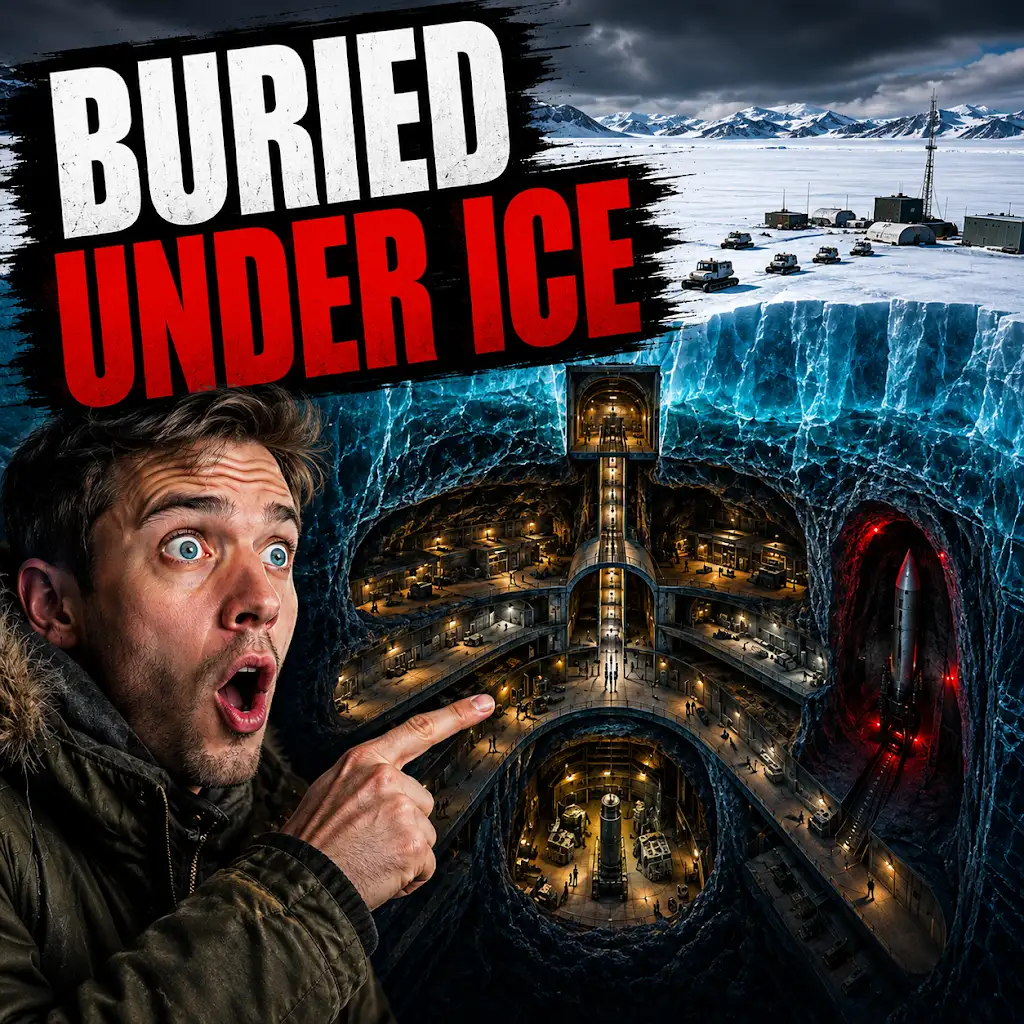
The U.S. Built a Nuclear City Under Greenland. The Ice Won.
FAQs
What were the Cold War missile bases in the Arctic?
During the Cold War, the United States and the Soviet Union established missile bases in the Arctic region as part of their strategic defense and deterrence efforts. These bases were intended to provide a strategic advantage and serve as a deterrent against potential attacks.
Where were the Cold War missile bases located in the Arctic?
The Cold War missile bases were located in various Arctic regions, including Alaska, Canada, Greenland, and the Soviet Union’s Arctic territories. These locations were strategically chosen for their proximity to potential targets and their ability to provide early warning and defense capabilities.
What types of missiles were deployed at these bases?
Both the United States and the Soviet Union deployed a variety of missiles at their Arctic bases, including intercontinental ballistic missiles (ICBMs), submarine-launched ballistic missiles (SLBMs), and anti-aircraft missiles. These missiles were capable of carrying nuclear warheads and were a key component of each country’s nuclear deterrent strategy.
How did the Cold War missile bases impact the Arctic environment?
The construction and operation of Cold War missile bases in the Arctic had significant environmental impacts. These included the disruption of local ecosystems, the release of hazardous materials, and the potential for nuclear accidents or contamination. The cleanup and remediation of these sites continue to be ongoing concerns.
What is the status of the Cold War missile bases in the Arctic today?
Many of the Cold War missile bases in the Arctic have been decommissioned and abandoned, while others have been repurposed for civilian or scientific use. However, the legacy of these bases continues to have environmental, political, and strategic implications for the Arctic region and international relations.