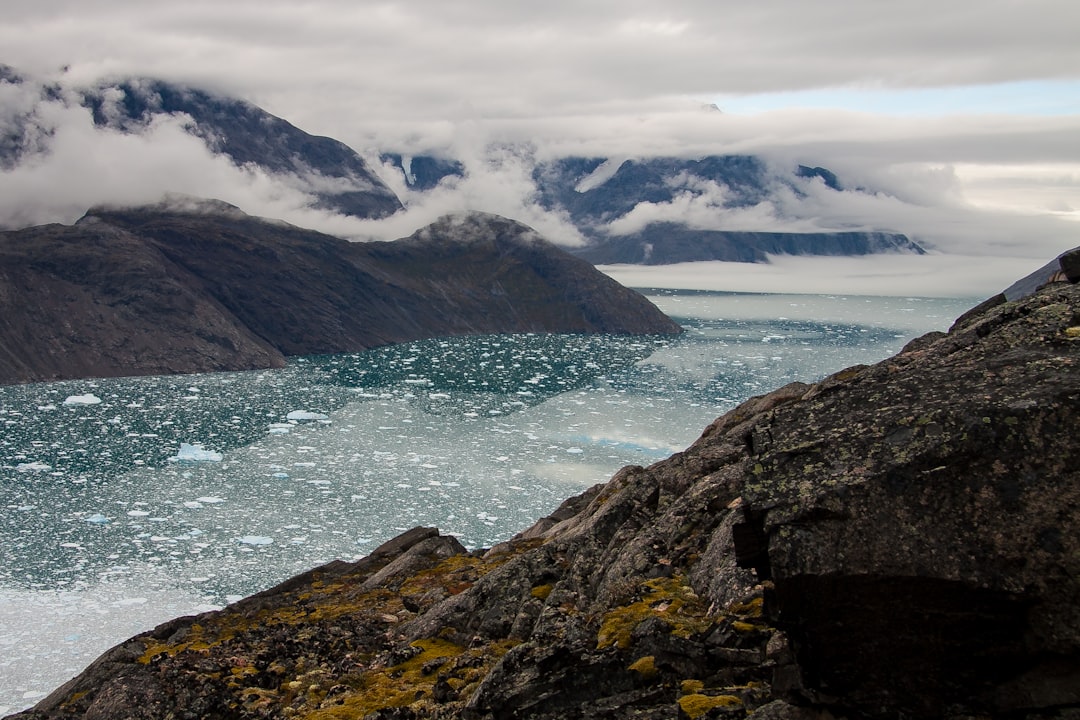
The vast, icy expanse of Greenland, once primarily an Arctic outpost for weather stations and scientific research, is increasingly becoming a focal point of strategic discussions within the United States military. Recent reports and analyses suggest a burgeoning consideration of nuclear plans for the island, a development that, if actualized, could significantly reshape regional security dynamics and spark international debate. This exploration is not an isolated event but rather a product of evolving geopolitical realities, technological advancements, and the perennial need for robust defense postures in a world that remains susceptible to conflict.
The Shifting Arctic Landscape: A New Frontier for National Security
The Arctic, long considered a frozen, largely inaccessible frontier, is undergoing a dramatic transformation. Climate change is not only altering its environmental conditions but also unlocking new economic opportunities and, crucially, new strategic pathways. As sea ice recedes, shipping routes are becoming viable, and access to previously inaccessible natural resources is increasing. This newfound accessibility, however, also presents new challenges for national security.
The Growing Strategic Importance of the Arctic
For decades, the Arctic held a less prominent position in global military strategy compared to other theaters. However, several factors have converged to elevate its significance.
Increased Accessibility Due to Climate Change
The most tangible driver is the undeniable impact of global warming. The melting of Arctic sea ice is opening up the Northern Sea Route and the Northwest Passage, offering significantly shorter transit times for maritime trade between Asia and Europe. This is attracting commercial interest and, by extension, military attention. Nations are now contemplating how to protect their interests along these new sea lanes and ensure freedom of navigation.
Resource Potential and Economic Interests
The Arctic is believed to hold vast, untapped reserves of oil, natural gas, and minerals. As these resources become more accessible, there is a growing competition among Arctic nations and other global powers to secure access and exploit them. This economic dimension inevitably intertwines with security concerns, as control over valuable resources can translate into geopolitical influence.
Russia’s Growing Military Presence
Perhaps the most direct catalyst for the US military’s increased focus on the Arctic is the significant reinvestment and expansion of Russia’s military capabilities in the region. Moscow has been actively reopening Soviet-era bases, modernizing its Arctic fleet, and conducting increasingly frequent military exercises. This surge in Russian activity has been interpreted by NATO members, including the United States, as a potential challenge to regional stability and a demonstration of territorial ambitions.
The strategic importance of Greenland in U.S. military nuclear plans has been a topic of discussion for years, especially considering its geographical location and resources. For a fascinating look at how ancient innovations have influenced modern technology, you might find this article interesting: Unbelievable Ancient Inventions: From Flying Machines to Time Travel Devices. It highlights how historical advancements can echo through time, shaping contemporary military strategies and technologies.
Historical Context: Greenland’s Strategic Past and Present
Greenland, a self-governing territory within the Kingdom of Denmark, has a history of strategic importance, particularly during the Cold War. Its geographical position makes it a crucial vantage point in the Northern Hemisphere.
Thule Air Base: A Legacy of Cold War Surveillance
Thule Air Base, located in the far north of Greenland, served as a vital listening post and early warning system for the United States during the Cold War. Its radar installations were instrumental in detecting Soviet bomber and missile launches, providing critical early warning to North America.
Early Warning Systems and Ballistic Missile Defense
The Ballistic Missile Early Warning System (BMEWS) at Thule was a cornerstone of US defense strategy, designed to detect intercontinental ballistic missiles (ICBMs) launched from the Soviet Union. Its presence underscored Greenland’s role as a forward defense position.
The Defense Early Warning (DEW) Line
Thule was also part of the larger DEW Line, a network of radar stations stretching across the Arctic. The DEW Line was intended to provide warning of an approaching air invasion from the north. While many of these stations have since been decommissioned, the strategic thinking behind them remains relevant.
Modern Relevance: Resurfacing of Strategic Interest
The historical strategic value of Greenland has not diminished; in fact, it is experiencing a resurgence. The current geopolitical climate necessitates a re-evaluation of existing infrastructure and the potential for new deployments.
Geostrategic Location in the High North
Greenland’s location places it at the nexus of several critical geopolitical considerations. It sits on the shortest path between North America and Europe, a fact that becomes increasingly important in an era of potential long-range missile deployments and rapid power projection. Furthermore, it is a key component of the “Arctic corridor,” a vital area for both naval and air operations.
Potential for Missile Defense and Surveillance
The growing concern over long-range missile capabilities by potential adversaries has led to renewed interest in missile defense systems. Greenland’s northern location makes it an ideal candidate for such installations, offering a forward-deployed capability to detect and potentially intercept incoming threats. Similarly, its vast, open spaces are conducive to advanced surveillance technologies.
The Emerging Nuclear Dimension: Rationale and Implications
The consideration of nuclear plans for Greenland is a complex issue with significant implications. While specific details remain largely speculative and often shrouded in classification, the underlying rationale can be understood through several lenses.
Deterrence and Forward Presence
The primary driver behind exploring nuclear options is likely to be the enhancement of deterrence and the establishment of a more robust forward military presence in the Arctic.
Extended Deterrence in a Contested Arctic
As the Arctic becomes increasingly contested, the United States, as a NATO member, has a vested interest in ensuring the security of its allies and maintaining a credible deterrent against potential aggression. The deployment of nuclear capabilities, even in a non-operational or storage capacity, can signal a strong commitment to extended deterrence in the region, reassuring allies and dissuading adversaries.
Responding to Perceived Threats
The military’s consideration of nuclear plans is invariably linked to its assessment of prevailing threats. If the US military perceives a growing risk of nuclear escalation in a future conflict, or a significant power imbalance in the Arctic that necessitates a stronger counter-response, then exploring all available options, including nuclear, becomes a logical step in strategic planning.
Strategic Basing and Operational Flexibility
Beyond deterrence, the consideration of nuclear plans could also be driven by the desire to enhance strategic basing and operational flexibility in the Arctic.
Access to a High-Latitude Operating Environment
Nuclear-capable platforms, whether bomber aircraft, submarines, or missile systems, require specific basing and operational environments. Greenland’s vast, sparsely populated, and relatively unmonitored territory could, in theory, offer unique advantages for such operations, particularly in terms of survivability and freedom of movement.
Enabling Power Projection in Extreme Conditions
Operating in the Arctic presents unique challenges due to extreme cold, limited infrastructure, and the presence of sea ice. Establishing a nuclear capability in Greenland could provide a more robust and resilient platform for power projection, enabling the US to project military strength and respond to crises across the High North, regardless of environmental conditions.
International Reactions and Geopolitical Ramifications
Any move by the United States to establish nuclear capabilities in Greenland would undoubtedly elicit strong reactions from the international community, particularly from Russia and other Arctic nations, as well as from Denmark itself.
Concerns from Russia and NATO Allies
Russia, which views the Arctic as its strategic backyard, would likely perceive any US nuclear deployment as a direct provocation and a violation of the delicate balance of power in the region. This could lead to an escalation of tensions and potentially trigger a reciprocal increase in Russian military deployments.
Increased Tensions and Potential Arms Race
The presence of nuclear weapons in Greenland could ignite a new arms race in the Arctic, with each nation seeking to counter the perceived threat posed by the other. This would be a dangerous development, undermining efforts at regional de-escalation and arms control.
Denmark’s Sovereign Concerns
As Greenland is a self-governing territory of Denmark, any decision regarding the deployment of nuclear weapons would involve the Danish government. Denmark has a long-standing policy against the presence of nuclear weapons on its soil, and the implications of such a decision would be significant for its foreign policy and its relationship with Greenland.
The Principle of Denuclearization and Global Norms
The potential deployment of nuclear weapons in Greenland would also run counter to global efforts towards denuclearization and the strengthening of international norms against the proliferation of nuclear weapons.
Undermining Non-Proliferation Efforts
The establishment of new nuclear facilities or the deployment of nuclear weapons in a previously non-nuclear area could be seen as a setback for global non-proliferation efforts, potentially encouraging other nations to reconsider their own nuclear postures.
The Question of Transparency and Arms Control Treaties
The move would also raise questions about transparency and adherence to existing arms control treaties. The international community would likely demand clarity on the nature of any nuclear plans and their compliance with established international agreements.
Recent discussions surrounding US military nuclear plans for Greenland have sparked interest in the geopolitical implications of such strategies. The complexities of navigating these military interests in a post-colonial context are explored in a related article that examines the challenges and opportunities presented by shifting borders and power dynamics. For more insights, you can read the article here.
The Path Forward: Balancing Security Needs with Global Responsibilities
The US military’s consideration of nuclear plans for Greenland is a reflection of a complex and evolving security landscape. While the rationale behind such considerations can be understood through the lens of strategic necessity and deterrence, the potential ramifications are far-reaching and demand careful deliberation.
The Importance of Diplomacy and De-escalation
In an increasingly volatile world, the emphasis must remain on diplomatic solutions and de-escalation. Open communication and transparency between nations are crucial to preventing misunderstandings and avoiding inadvertent conflicts.
Dialogue with Arctic Nations
Engaging in open dialogue with all Arctic nations, including Russia, is essential to fostering a stable and secure environment. This dialogue should focus on shared interests, such as environmental protection and freedom of navigation, while also addressing legitimate security concerns.
Strengthening International Cooperation
International cooperation on issues such as search and rescue, scientific research, and environmental monitoring can help build trust and create a more predictable Arctic environment, thereby reducing the perceived need for escalatory military measures.
The Ethical and Moral Imperative
Beyond strategic considerations, the deployment of nuclear weapons carries profound ethical and moral implications. The devastating humanitarian consequences of nuclear war are undeniable, and any decision to expand the reach of these weapons must be weighed against this sobering reality.
The Long-Term Consequences of Nuclear Proliferation
The proliferation of nuclear weapons, even in a controlled environment, carries inherent risks. The potential for accidental detonation, unauthorized use, or future proliferation must be meticulously considered.
The Responsibility of Global Powers
As a global power, the United States has a responsibility to act as a stabilizing force and to uphold international norms. This includes a commitment to nuclear disarmament and the prevention of nuclear war, not the expansion of nuclear capabilities into new territories.
The exploration of nuclear plans for Greenland is a serious development that warrants careful scrutiny. While the strategic considerations may be compelling to some within the military establishment, the potential for exacerbating tensions, undermining international norms, and the inherent risks associated with nuclear weapons necessitate a cautious and responsible approach. The path forward must prioritize diplomatic engagement, de-escalation, and a steadfast commitment to global security and peace, rather than the expansion of nuclear arsenals into new frontiers.

The U.S. Built a Nuclear City Under Greenland. The Ice Won.
FAQs

What are the US military nuclear plans for Greenland?
The US military has considered deploying nuclear weapons in Greenland in the past, but there are no current plans to do so. Greenland is a self-governing territory of Denmark, and any decision to deploy nuclear weapons would require the consent of the Danish government.
Has Greenland been used for nuclear weapons in the past?
During the Cold War, the United States maintained a nuclear weapons base in Greenland as part of its strategic defense posture. However, the base was closed in 1968, and Greenland has not been used for nuclear weapons since then.
What is the current status of US military presence in Greenland?
The United States has an air base in Greenland, Thule Air Base, which is used for strategic early warning and space surveillance. The base is operated in cooperation with the Danish government and is subject to international agreements.
What is the reaction of the Greenlandic and Danish governments to US military nuclear plans?
Both the Greenlandic and Danish governments have expressed opposition to the idea of deploying nuclear weapons in Greenland. Greenland’s government has emphasized its commitment to a nuclear-free zone, and Denmark has stated that it would not allow the deployment of nuclear weapons on its territory without its consent.
What are the implications of US military nuclear plans for Greenland?
The potential deployment of nuclear weapons in Greenland would have significant geopolitical and security implications, as it would likely provoke strong opposition from the local population, the Danish government, and the international community. It could also impact the relationship between the United States and Denmark, as well as the broader security dynamics in the Arctic region.