Camp Century, a testament to Cold War ingenuity and audacious ambition, remains one of the most fascinating and perplexing military installations ever conceived. Buried deep beneath the Greenland ice sheet, this secret U.S. Army base was more than just a research outpost; it was a highly classified project with far-reaching strategic implications, a bold statement of technological prowess, and a stark reminder of the escalating tensions that defined the latter half of the 20th century. Declassified documents have peeled back the layers of secrecy, revealing a story of scientific exploration, logistical nightmares, and the constant hum of Cold War paranoia that permeated its frozen corridors.
The genesis of Camp Century, codenamed “Project Iceworm,” can be traced back to the early days of the Cold War and the escalating arms race between the United States and the Soviet Union. The vast, seemingly inhospitable expanse of Greenland, under Danish sovereignty but strategically vital to North America, became a focal point for military planners. The need for a forward operating base, capable of supporting a range of military activities and providing early warning against Soviet aerial threats, was paramount.
The Strategic Imperative
The geopolitical landscape of the late 1950s was characterized by an ever-present fear of nuclear annihilation. The Soviet Union’s growing missile capabilities and its expanding influence in the Arctic region prompted the U.S. to seek ways to bolster its defenses and project power into this critical theatre. Greenland, with its proximity to the North Pole and its vast ice cap, offered a unique opportunity. The idea of establishing a military presence within the ice, shielded from conventional attack and offering a stable platform for research and surveillance, began to take shape.
The Dawn of Project Iceworm
Project Iceworm was officially initiated in 1958. The initial concept was ambitious, bordering on the fantastical: to construct a network of tunnels and facilities deep within the Greenland ice sheet, creating a self-sustaining, mobile missile base. This ambitious vision, however, soon faced the harsh realities of the Arctic environment and the sheer scale of the engineering challenge. While the ultimate goal of a mobile missile base was eventually scaled back, the core idea of a subterranean installation persisted, evolving into the more focused Camp Century.
Early Explorations and Feasibility Studies
Before any significant construction could commence, extensive reconnaissance and feasibility studies were undertaken. Scientific teams were dispatched to Greenland to assess the ice sheet’s thickness, its stability, and the potential for tunneling. These early expeditions, fraught with danger and logistical hurdles, provided invaluable data that would shape the design and construction of Camp Century. The challenges of operating in extreme cold, with limited daylight for much of the year, and the need to transport vast amounts of material across treacherous terrain were formidable.
Camp Century, a secret U.S. military base established in Greenland during the Cold War, has recently gained attention due to the declassification of documents revealing its purpose and operations. This hidden facility was part of a broader strategy to counter Soviet threats, showcasing the lengths to which military planners would go during this tense period. For those interested in understanding the complexities of military logistics and the implications of supply chains in various contexts, a related article can be found here: Understanding the Risks of Mexico’s Supply Chain. This article delves into the modern challenges faced in supply chain management, drawing parallels to historical military operations like those at Camp Century.
Construction in the Arctic Crucible
Building Camp Century was an engineering feat of unprecedented scale and complexity, pushing the boundaries of what was thought possible in such an extreme environment. The U.S. Army Corps of Engineers, renowned for its large-scale construction projects, was tasked with bringing this subterranean vision to life. The process was a testament to human ingenuity, perseverance, and a significant investment of resources.
The Tunneling Process
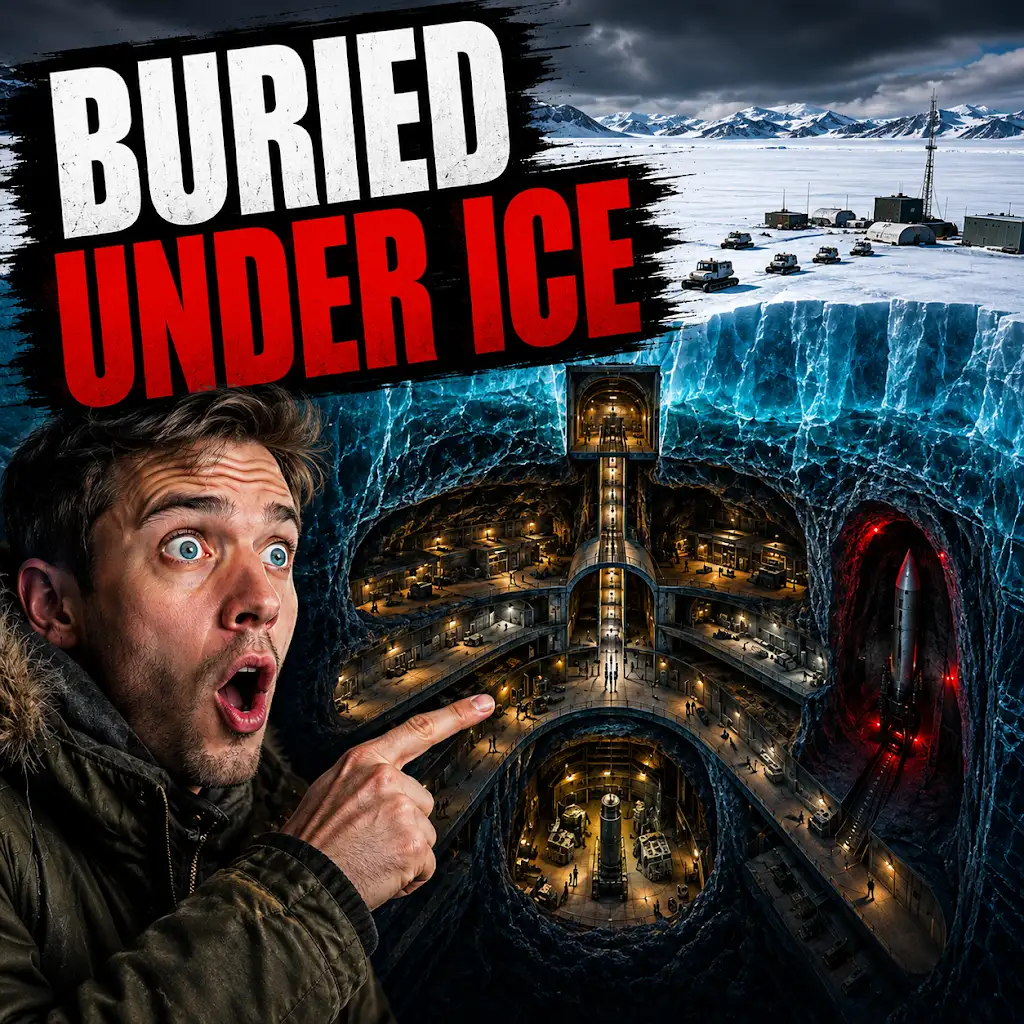
The core of Camp Century was its network of over 1,200 meters of tunnels, carved directly into the ice. These tunnels were not merely excavated; they were engineered to withstand the immense pressures of the ice sheet and to maintain a relatively stable internal temperature. Specialized tunneling machines were developed and deployed, designed to cut through the dense ice with remarkable efficiency. The excavated ice was then used in innovative ways, sometimes forming the very walls of the tunnels or being repurposed for various construction needs.
The Modular Design
To facilitate construction and potential relocation, Camp Century was designed with a modular approach. Prefabricated buildings and infrastructure were transported to the site and assembled within the ice tunnels. This modularity allowed for rapid expansion and adaptation as the needs of the base evolved. The interconnected modules provided living quarters, laboratories, power generation facilities, and even recreational spaces, creating a surprisingly self-contained community within the ice.
Powering the Subglacial Outpost
Providing a reliable power source in such an isolated and extreme environment was a critical challenge. Camp Century was equipped with a small, but powerful, nuclear reactor – the SM-1A. This provided the base with its own independent electricity supply, a crucial factor for its long-term viability and its status as a self-sufficient research facility. The presence of a nuclear reactor underscored the strategic importance the U.S. placed on Camp Century and its role in the broader Cold War defense architecture.
The Logistic Gauntlet
The logistical challenges of supplying Camp Century were immense. Thousands of tons of supplies, equipment, and personnel had to be transported across hundreds of miles of frozen wasteland. Specialized vehicles, capable of traversing the snow and ice, were employed. The harsh weather conditions often disrupted supply lines, requiring careful planning and contingency measures. The sheer effort involved in maintaining the base’s operational readiness highlighted the commitment and dedication of those involved.
A Hub of Scientific Exploration and Intelligence Gathering
While its military underpinnings were undeniable, Camp Century also served as a vital hub for scientific research. The unique environment of the Greenland ice sheet offered unparalleled opportunities for studying glaciology, climatology, and even polar biology. Furthermore, its strategic location made it an ideal platform for intelligence gathering operations directed at the Soviet Union.
Glaciological Research
The ice sheet itself was a primary subject of scientific inquiry. Researchers at Camp Century conducted extensive studies on ice core drilling, analyzing the trapped air bubbles and ice layers to reconstruct past climate conditions. These studies provided invaluable data for understanding long-term climate change and Earth’s atmospheric history, making Camp Century a significant contributor to the field of glaciology.
Climatological Studies
Understanding the Arctic climate was crucial for both scientific and military purposes. Camp Century’s instrumentation provided continuous data on temperature, wind patterns, and precipitation, contributing to a more comprehensive understanding of global weather systems. The base’s location offered a unique perspective on atmospheric phenomena that affected both military operations and civilian weather patterns.
Polar Biological Investigations
Despite the extreme conditions, life persisted in the Arctic, and Camp Century’s researchers also delved into the study of polar biology. Investigations into extremophiles and the adaptations of life in such a harsh environment were conducted. This research contributed to our understanding of life’s resilience and potential for survival in extreme conditions, with implications for astrobiology.
Early Warning Systems and Surveillance
Camp Century’s strategic location made it an ideal site for the deployment of early warning radar systems and other surveillance equipment. The vast, unobstructed views of the Arctic sky allowed for the monitoring of Soviet aircraft and missile launches. While the base was not designed as a primary combat outpost, its intelligence-gathering capabilities were undoubtedly a significant component of its Cold War mission.
The Shifting Sands of Geopolitics and the Base’s Demise
As the Cold War evolved, so too did the strategic importance of Camp Century. Technological advancements, changing geopolitical realities, and the inherent challenges of maintaining an ice-bound base ultimately led to its closure and eventual abandonment. The dream of a permanently mobile subglacial fortress proved to be unsustainable.
The Mobility Myth
One of the original ambitious goals of Project Iceworm was the idea of a mobile missile base that could be repositioned as needed. However, the sheer weight and permanence of the ice infrastructure made true mobility an insurmountable challenge. While the concept was intriguing, the reality of carving tunnels and maintaining a stable environment within a dynamic ice sheet rendered this aspect of the plan largely unfeasible.
The Ice Moves
The Greenland ice sheet is not static; it is a dynamic, flowing entity. Over time, the immense pressures and slow, but continuous, movement of the ice began to exert significant stress on Camp Century’s infrastructure. The tunnels, originally carved with precision, started to deform, and the structural integrity of the base was compromised. This constant, inexorable creep of the ice presented a growing threat to the safety and habitability of the base.
Evolving Military Priorities
By the late 1960s and early 1970s, military priorities and technologies were shifting. The development of intercontinental ballistic missiles (ICBMs) and submarine-launched ballistic missiles (SLBMs) reduced the perceived need for fixed, forward-deployed missile bases in remote locations. Furthermore, advancements in satellite surveillance offered new and more effective ways to monitor Soviet activities.
The Cost of Operation
Maintaining Camp Century was an extraordinarily expensive undertaking. The logistical demands, the need for specialized equipment, and the constant battle against the encroaching ice contributed to significant operational costs. As its strategic relevance waned, the justification for such a costly endeavor became increasingly difficult to maintain.
Decommissioning and Abandonment
In 1966, the U.S. Army officially announced the closure of Camp Century. The decommissioning process was initiated, and the base was gradually abandoned. The plan was to dismantle all equipment and remove hazardous materials. However, the sheer scale of the operation and the challenges of working in the Arctic environment meant that a complete cleanup was not entirely feasible. The nuclear reactor, in particular, posed a significant challenge for safe disposal.
The declassified military history of Camp Century, a secret U.S. Army base established in Greenland during the Cold War, reveals intriguing insights into the intersection of military strategy and environmental concerns. This hidden chapter of history not only sheds light on the Cold War tensions but also raises questions about the impact of human activities on fragile ecosystems. For those interested in exploring how ancient civilizations faced similar challenges, a related article discusses the social fractures in ancient cities and their relevance to modern issues. You can read more about it here.
Legacy and Lingering Concerns
| Event | Date | Description |
|---|---|---|
| Establishment of Camp Century | 1959 | US military builds a nuclear-powered research center in Greenland |
| Declassification of Camp Century | 2016 | Documents reveal the potential environmental impact of the camp |
| Project Iceworm | 1960s | Plan to deploy ballistic missiles from Camp Century |
The legacy of Camp Century is a complex tapestry woven with threads of pioneering spirit, scientific advancement, and a stark reminder of the human capacity for grand, and sometimes flawed, ambition. Declassified documents have allowed for a more comprehensive understanding of the base’s operations and its ultimate fate, but some questions and concerns linger.
A Monument to Cold War Engineering
Camp Century stands as a remarkable testament to the engineering capabilities and the sheer audacity of the Cold War era. The ability to construct and operate a significant military and scientific facility deep within an ice sheet was an extraordinary achievement, showcasing human ingenuity in the face of extreme environmental challenges.
Scientific Contributions
The scientific research conducted at Camp Century yielded valuable insights into glaciology, climatology, and polar biology. The ice cores extracted and the data collected have continued to inform our understanding of Earth’s climate history and the dynamics of ice sheets.
The Environmental Shadow
The abandonment of Camp Century has left a lingering environmental concern. While efforts were made to remove hazardous materials, the possibility of leakage from buried waste, including residual radioactive material from the nuclear reactor, remains a potential threat. As the ice sheet continues to melt due to climate change, these buried remnants could be exposed, posing an environmental risk to the fragile Arctic ecosystem.
A Symbol of the Arms Race
Beyond its scientific and engineering achievements, Camp Century serves as a potent symbol of the Cold War and the intense military competition that defined the era. It represents a period of immense strategic anxiety and a willingness to undertake monumental projects in the pursuit of perceived security.
Lessons Learned
The story of Camp Century offers valuable lessons for future endeavors in extreme environments. It highlights the importance of understanding the long-term dynamics of natural systems, the necessity of thorough environmental impact assessments, and the complex interplay between strategic objectives and practical feasibility. The declassified history of Camp Century continues to fascinate, offering a unique window into a pivotal chapter of military history and the enduring human drive to explore, adapt, and overcome.
The U.S. Built a Nuclear City Under Greenland. The Ice Won.
FAQs
What is Camp Century?
Camp Century was a military base built under the ice of Greenland during the Cold War. It was established as a research and military facility by the United States Army Corps of Engineers in 1959.
What was the purpose of Camp Century?
The primary purpose of Camp Century was to conduct research on ice and snow, as well as to test the feasibility of deploying nuclear missiles from within the ice sheet.
Why was Camp Century declassified?
Camp Century was declassified in 1997 after the U.S. Army Corps of Engineers released a report detailing the environmental and political implications of the base’s decommissioning and the potential release of pollutants as a result of climate change.
What happened to Camp Century after it was decommissioned?
After Camp Century was decommissioned in 1967, the U.S. Army Corps of Engineers removed the nuclear reactor and other hazardous materials, but the rest of the camp, including its infrastructure and waste, was left behind and is now buried under layers of ice.
What are the environmental concerns related to Camp Century?
The main environmental concern related to Camp Century is the potential release of pollutants, including radioactive waste and other hazardous materials, as a result of the melting ice caused by climate change.